When it comes to choosing new tires, two names often stand out: BF Goodrich and Michelin. Both brands have a long history, strong reputations, and a wide range of products. Many drivers wonder which one truly offers the best performance, value, and safety. The answer is not always simple because every driver has different needs, budgets, and driving styles.
This article will help you understand the real differences between BF Goodrich and Michelin tires. You’ll learn about their histories, main product lines, strengths, weaknesses, and what makes each brand unique. We’ll also look at performance data, customer reviews, and expert opinions.
By the end, you’ll know how to pick the right tire for your car, truck, or SUV.
Brand Backgrounds
Understanding where these brands come from helps explain their focus and technology.
Bf Goodrich
Founded in 1870 in Akron, Ohio, BF Goodrich is one of the oldest tire companies in the world. They have a strong reputation in motorsports, especially off-road racing and rally events. BF Goodrich was the first company to invent the tubeless tire and the first American tire to cross the United States by car. Today, they are owned by Michelin.
BF Goodrich mainly focuses on high-performance and off-road tires. Their products are popular among adventure drivers, Jeep owners, and truck enthusiasts. Over the years, the brand has built an image of toughness and durability.
Michelin
Michelin started in France in 1889. They are well known for advanced technology and innovation, including the invention of the radial tire. Michelin invests heavily in research and development, aiming to make tires safer, more fuel-efficient, and longer-lasting. The company is also famous for the Michelin Guide for restaurants and travel.
Michelin offers a wide range of tires for cars, trucks, motorcycles, airplanes, and even bicycles. The brand is often associated with comfort, safety, and quality. Their tires are used by many car manufacturers as original equipment.
Product Lines And Variety
Both brands offer many tire models, but their focus areas are different.
Bf Goodrich Product Range
- All-Terrain Tires: The BF Goodrich All-Terrain T/A KO2 is one of the most popular off-road tires globally. It is built for drivers who need traction on dirt, mud, rocks, and snow but still want decent highway comfort.
- Mud-Terrain Tires: For extreme conditions, the Mud-Terrain T/A KM3 offers maximum grip and toughness. It is a favorite among off-road racers and Jeep owners.
- Performance Tires: The g-Force series, like the g-Force Sport COMP-2, targets sports cars and street performance enthusiasts.
- Touring Tires: BF Goodrich offers a smaller range of touring tires compared to Michelin. These focus on balanced comfort and all-season performance.
Michelin Product Range
- Touring and Passenger Tires: The Michelin Defender series is one of the best-selling options, known for long tread life and comfort.
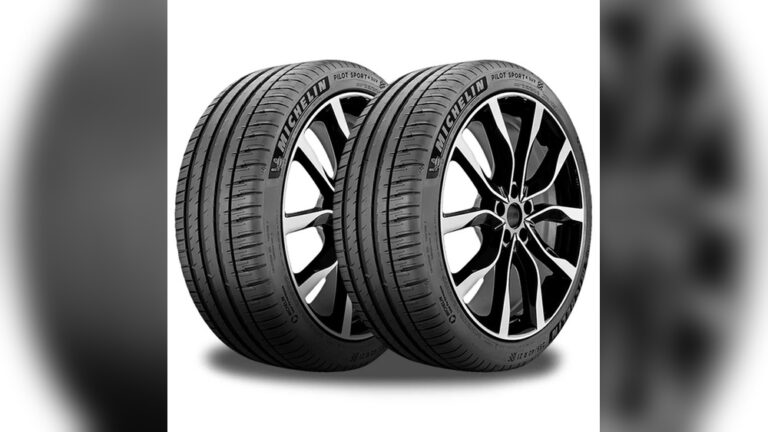
- Performance Tires: The Pilot Sport family, including the Pilot Sport 4S, is famous in motorsports and among luxury car owners.
- All-Season Tires: The CrossClimate2 combines excellent wet and dry grip with winter traction. It is often called a “do everything” tire.
- Winter and Snow Tires: Michelin’s X-Ice series is widely used in cold countries for safe winter driving.
- Eco-Friendly Tires: The Energy Saver line helps improve fuel economy and reduce rolling resistance.
As you can see, Michelin has a wider product range, covering more types of vehicles and conditions. BF Goodrich focuses more on off-road and high-performance segments.
Performance: Head-to-head
The most important question for many drivers is: which tire performs better? The answer depends on what you need.
Dry And Wet Grip
In independent tests, Michelin tires often score higher for both dry and wet traction. For example, the Michelin Pilot Sport 4S is a top performer in wet grip, cornering, and braking. BF Goodrich’s g-Force Sport COMP-2 is also strong but usually a step behind Michelin in grip and stopping distance.
Off-road Performance
Here, BF Goodrich is the clear leader. The KO2 and KM3 are legendary for their off-road abilities. They have tougher sidewalls and deeper treads, making them more resistant to cuts and punctures. Michelin’s off-road tires are good but not as specialized or popular among off-road enthusiasts.
Tread Life
Michelin is famous for long tread life. Many of their tires come with warranties of up to 80,000 miles (about 129,000 km). Real-world tests show that Michelin tires often last longer than BF Goodrich. BF Goodrich offers solid durability, but their off-road models may wear faster on pavement because of the aggressive tread patterns.
Comfort And Noise
Michelin puts a lot of effort into making their tires comfortable and quiet. Their touring and passenger models are especially smooth on highways. BF Goodrich tires, especially the off-road ones, are louder and stiffer, which is normal for their design.
If you want a quiet ride, Michelin is usually the better choice.
Price And Value
BF Goodrich tires are usually less expensive than Michelin. For example, an all-terrain BF Goodrich tire can cost 15–25% less than a similar Michelin model. However, Michelin’s longer tread life and fuel savings can balance out the higher price over time.
Key Differences Summarized
To make things clearer, here’s a direct comparison:
| Feature | BF Goodrich | Michelin |
|---|---|---|
| Focus | Off-road, performance | All segments, innovation |
| Price Range | Mid-range | Premium |
| Tread Life | Good (off-road lower) | Excellent |
| Wet Grip | Good | Very good |
| Comfort | Average (except touring) | High |
| Off-Road | Excellent | Good |
| Warranty | Up to 60,000 miles | Up to 80,000 miles |
Technology And Innovation
Both brands invest in research, but they have different strengths.
Bf Goodrich Technologies
- CoreGard Technology: Used in off-road tires for strong sidewall protection.
- Interlocking Tread Design: Improves grip on loose surfaces.
- Advanced Rubber Compounds: Offers good cut and chip resistance.
BF Goodrich focuses more on making tires that survive tough conditions. Their technology is about toughness and traction.
Michelin Innovations
- EverGrip Technology: Maintains wet grip even as the tire wears down.
- Silica Compounds: Reduces rolling resistance, improving fuel economy.
- 3D Sipes: Enhances grip on snow and ice.
- Acoustic Technology: Reduces road noise in high-end tires.
- Self-Sealing Technology: Some tires can seal small punctures automatically.
Michelin’s focus is on safety, comfort, and efficiency. Their innovations often appear first in premium models.
Customer Reviews And Satisfaction
Both brands have loyal fans, but overall ratings show some trends.
- Michelin is often rated higher for comfort, tread life, and wet performance.
- BF Goodrich gets top marks for off-road ability and toughness.
A 2023 survey by Consumer Reports found that Michelin scored 86 out of 100 in overall satisfaction for passenger tires, while BF Goodrich scored 78. In the off-road and truck segment, BF Goodrich had the highest loyalty, with over 80% of buyers saying they would buy again.
Real-world Examples
Let’s look at two popular tires from each brand and how they compare in real use.
Bf Goodrich All-terrain T/a Ko2 Vs. Michelin Ltx A/t2
- KO2 is best for serious off-roaders. It has aggressive tread blocks, strong sidewalls, and works well in mud, rocks, and snow. On pavement, it is a bit noisy and may not last as long as a highway tire.
- LTX A/T2 is more balanced for drivers who spend most time on the road but need some off-road ability. It is quieter, lasts longer, and handles well in rain. Not as strong in deep mud or rocks as the KO2.
Bf Goodrich G-force Sport Comp-2 Vs. Michelin Pilot Sport 4s
- COMP-2 is an affordable performance tire with good dry grip and fast steering response. It can be noisier and less refined on wet roads.
- Pilot Sport 4S is one of the best all-around performance tires. It excels in both wet and dry, is quieter, and offers better tread life. The downside is the higher price.
Pros And Cons
Here’s a quick look at the strengths and weaknesses of each brand.
Bf Goodrich
Pros:
- Outstanding off-road performance
- Durable in tough conditions
- Lower price for most models
- Good dry grip in performance tires
Cons:
- Can be noisy and stiff on pavement
- Tread life shorter for off-road models
- Fewer options for luxury or eco-friendly vehicles
Michelin
Pros:
- Excellent comfort and quietness
- Long tread life, strong warranties
- Top wet and dry performance
- Many options for different cars and needs
Cons:
- Higher price point
- Off-road tires not as specialized
- Some models may be overkill for basic needs

Credit: www.discountedwheelwarehouse.com
Who Should Choose Which Brand?
Choosing between BF Goodrich and Michelin depends on what you drive and where you go.
Choose BF Goodrich if:
- You drive off-road often (trails, mud, sand, rocks)
- You want a tough tire for trucks or SUVs
- You are budget-conscious but still want good performance
Choose Michelin if:
- You want maximum comfort and quietness
- You drive mostly on highways or in cities
- You need long-lasting, fuel-efficient tires
- You want the best safety in all conditions
Common Mistakes When Comparing These Brands
Many drivers fall into a few traps:
- Comparing the wrong models: It’s important to compare similar tires. For example, don’t compare a BF Goodrich off-road tire to a Michelin touring tire.
- Ignoring vehicle needs: A high-performance tire is wasted on a small city car; likewise, a comfort tire won’t survive rocky trails.
- Focusing only on price: The cheapest tire might cost more in the long run if it wears out quickly or handles poorly.
- Overestimating off-road needs: Some buyers choose aggressive off-road tires for city driving, which leads to more noise and faster wear.
Data: Tread Life And Cost Comparison
Here’s a look at how tread life and cost compare for some popular models.
| Tire Model | Estimated Tread Life (miles) | Approx. Price (per tire) |
|---|---|---|
| BF Goodrich All-Terrain T/A KO2 | 50,000 | $220 |
| Michelin LTX A/T2 | 60,000 | $260 |
| BF Goodrich g-Force Sport COMP-2 | 40,000 | $160 |
| Michelin Pilot Sport 4S | 45,000 | $220 |
| Michelin Defender T+H | 80,000 | $180 |
Two Insights Most People Miss
- Michelin’s higher price can save money long-term: Many buyers see the price tag and go for BF Goodrich. But Michelin’s longer tread life and better fuel economy can make them cheaper per mile driven.
- Off-road tire noise and wear: If you choose a BF Goodrich off-road tire for style but rarely leave paved roads, you’ll deal with more noise and faster wear. It’s better to match the tire to your real driving.

Credit: www.reddit.com
Real User Stories
- James, Colorado: “I use BF Goodrich KO2 on my Jeep Wrangler. They are amazing off-road. But on my wife’s SUV, we use Michelin Defenders because they’re quiet and last forever.”
- Maria, Florida: “After switching to Michelin Pilot Sport 4S, my car feels more stable in rain, and the ride is much quieter than my old tires. Worth the extra cost.”
Environmental Impact
Michelin is a leader in eco-friendly tire development. Their Energy Saver line reduces rolling resistance, which helps save fuel and lower emissions. Michelin also uses more sustainable materials and has programs to recycle used tires.
BF Goodrich focuses more on durability and off-road use, so their environmental efforts are not as visible. However, their tires are built tough, so fewer replacements are needed in harsh conditions.
Warranty And Support
Michelin usually offers better warranties, up to 80,000 miles on some models. Their customer support is also highly rated. BF Goodrich warranties are solid but usually shorter, around 50,000 to 60,000 miles.
If you want more details about tire technologies, the official Michelin Innovation page is a good resource.
Frequently Asked Questions
Which Brand Lasts Longer: Bf Goodrich Or Michelin?
Michelin tires usually last longer, especially in touring and all-season models. Their advanced rubber compounds and tread designs focus on high mileage. BF Goodrich off-road tires are tough but may wear faster on highways.
Are Bf Goodrich Tires Good For Highway Driving?
Yes, but their off-road models can be noisier and less comfortable on pavement. If you drive mostly on highways, consider BF Goodrich’s touring models or look at Michelin for a quieter ride.
Why Are Michelin Tires More Expensive?
Michelin invests heavily in research, better materials, and advanced technology. Their tires last longer and often provide better safety, which adds to the cost.
Can I Use Bf Goodrich Off-road Tires In Snow?
Many BF Goodrich all-terrain tires work well in light snow. Some models are marked with the 3-Peak Mountain Snowflake symbol, showing they meet winter traction standards. For deep snow and ice, Michelin’s X-Ice or dedicated winter tires are better.
Which Is Better For Suvs: Bf Goodrich Or Michelin?
It depends on your driving. For off-road and adventure, BF Goodrich is a great choice. For city, highway, and family SUVs, Michelin offers better comfort, quietness, and longer tread life.
When you choose between BF Goodrich and Michelin, you are picking between two world-class brands with different strengths. BF Goodrich leads off the road; Michelin rules on it. Think about how and where you drive, what matters most to you, and your budget.
With the right information, you’ll find a tire that keeps you safe and happy for miles to come.

Credit: www.youtube.com