Riding a motorcycle is a unique experience. The feeling of freedom and the connection to the road make motorcycling special. But, hidden behind this joy is the need for safety and proper maintenance. One question often asked by both new and experienced riders is, “Do you balance motorcycle tires?
” Many people overlook this step, but it is more important than you might think. In this article, you’ll discover why tire balancing matters, how it is done, what happens if you ignore it, and some surprising facts even seasoned riders sometimes miss.
What Does It Mean To Balance Motorcycle Tires?
Balancing a motorcycle tire means making sure the weight around the wheel is equal on all sides. When a tire is not balanced, one spot is heavier than the rest. This uneven weight causes the wheel to spin unevenly. Even a small imbalance can make the ride rough, increase tire wear, and affect how your bike handles.
The process uses a balancing machine or a static balancer. Small weights are added to the rim to correct any imbalance. The goal is to make the wheel spin smoothly at any speed.
Why Balancing Motorcycle Tires Is Essential
Many riders skip tire balancing, especially if they change their tires at home. But here’s why you should never ignore this step:
- Reduces Vibration: An unbalanced tire often causes the handlebars, seat, or pegs to shake, especially at higher speeds. This vibration is not only uncomfortable, but it can also make riding less safe.
- Increases Tire Life: When the tire is balanced, it wears evenly. This means you get more miles before you need to replace it.
- Protects Your Suspension: Continuous vibration from an unbalanced tire can damage the suspension components, leading to costly repairs.
- Improves Handling: Balanced tires make steering smoother and more predictable, especially in corners.
- Boosts Safety: Proper balance gives you better control over your motorcycle, reducing the risk of accidents.

Credit: www.youtube.com
How Motorcycle Tires Are Balanced
There are two main ways to balance motorcycle tires: static balancing and dynamic balancing. Both methods aim to make the wheel spin smoothly, but they use different tools and techniques.
Static Balancing
Static balancing is the simpler of the two methods. The wheel is removed from the bike and placed on a stand that allows it to spin freely. If the wheel is unbalanced, the heavy spot will always settle at the bottom.
Weights are then added to the opposite side until the wheel stays in any position without rotating.
This method works well for most motorcycles and is often used for front wheels.
Dynamic Balancing
Dynamic balancing is more advanced. It is usually done with a special machine that spins the wheel at high speed. The machine detects both side-to-side and up-and-down imbalances. Weights are then placed on specific points of the rim to fix these issues.
Dynamic balancing is especially useful for high-performance bikes or those with wide rear tires.
Comparison Of Static And Dynamic Balancing
Here’s a quick look at how the two methods compare:
| Balancing Method | Tools Needed | Best For | Accuracy | Cost |
|---|---|---|---|---|
| Static Balancing | Balancing stand | Most motorcycles | Good | Low |
| Dynamic Balancing | Electronic machine | High-performance bikes | Very High | Higher |
Signs Your Motorcycle Tires Need Balancing
Sometimes, you may not know if your tires are out of balance. Here are some clear signs:
- You feel shaking or vibration at certain speeds.
- The steering feels loose or wobbly.
- Tires show uneven or rapid wear.
- After hitting a pothole or curb, the ride feels different.
- You notice a humming or buzzing noise coming from the wheels.
If you notice any of these symptoms, it’s time to check your tire balance.
When Should You Balance Motorcycle Tires?
Balancing is not only for new tires. There are several times when balancing is necessary:
- After Installing New Tires: Always balance after putting on new tires, even if they look perfect.
- After Tire Repairs: If you patch or plug a tire, balancing is needed again.
- After Wheel Damage: Any impact, like hitting a pothole, can throw off the balance.
- After Removing Weights: If you replace, lose, or move the wheel weights, balancing is a must.
- During Regular Maintenance: Some riders balance their tires every time they do a full service, especially before long trips.
What Happens If You Don’t Balance Motorcycle Tires?
Ignoring tire balancing may not cause problems right away, but over time, the effects can be serious:
- Rough Ride: The first thing you’ll notice is an uncomfortable, bumpy ride.
- Uneven Tire Wear: The tire may wear down faster on one side, forcing you to replace it sooner.
- Increased Risk of Blowouts: An unbalanced tire heats up more quickly, which can lead to dangerous blowouts.
- Damage to Bike Parts: Vibration stresses the bearings, suspension, and even the frame.
- Reduced Safety: Poor balance can make emergency handling much harder.
A study by the Motorcycle Industry Council found that improper tire maintenance (including balancing) is linked to a higher risk of road accidents.

Credit: anniesdeli.com
The Science Behind Tire Imbalance
Most people think motorcycle tires are perfectly round and evenly weighted from the factory. But in reality, small imperfections are always present. For example, the valve stem, tire patch, or even a thick spot in the rubber can create a heavy point.
A typical motorcycle tire and wheel can have an imbalance of up to 30 grams from the factory. At 60 mph (about 100 km/h), this small weight difference can cause a significant force, making the wheel shake.
Here’s a simple look at how imbalance grows with speed:
| Speed (km/h) | Imbalance Force (grams) |
|---|---|
| 40 | 10 |
| 80 | 20 |
| 120 | 40 |
As you can see, the faster you ride, the worse the imbalance feels.
Diy Vs Professional Tire Balancing
You may wonder if you can balance your own motorcycle tires at home. The answer is yes, but it depends on your skill level and tools.
Diy Balancing
Some riders use simple static balancers, which are affordable and easy to use. You’ll need:
- A balancing stand
- Stick-on or clip-on weights
- Patience
DIY balancing works well for most street bikes. However, it may not be accurate enough for racing or very high speeds.
Professional Balancing
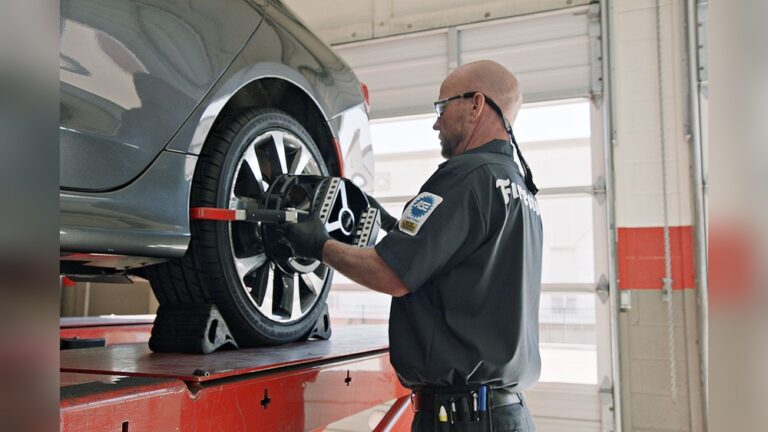
A motorcycle shop will use dynamic balancing machines. These are much more precise. The technician can quickly find and fix even small imbalances.
Professional balancing is recommended for sport bikes, touring bikes, or any bike ridden at high speed.
Diy Vs Professional: Which Is Better?
Here is a comparison to help you decide:
| Aspect | DIY Balancing | Professional Balancing |
|---|---|---|
| Cost | Low | Medium to High |
| Accuracy | Good | Excellent |
| Tools Needed | Balancing stand, weights | Dynamic balancing machine |
| Time Required | Longer | Short |
| Best For | Basic riding, small bikes | High-speed, performance bikes |
Common Mistakes When Balancing Tires
Even experienced riders and mechanics make mistakes with tire balancing. Here are a few to watch out for:
- Not Cleaning the Rim: Weights won’t stick to a dirty rim. Always clean it first.
- Using Too Many Weights: If you need a lot of weight, the tire or rim may be defective.
- Ignoring Valve Stem Position: The valve stem is usually the heaviest part. Align the tire’s light spot with the valve stem.
- Skipping the Rear Tire: Many people only balance the front, but the rear wheel matters too.
- Not Checking After a Few Rides: Sometimes, weights can fall off. Re-check balance after your first few rides.
A key tip: If your wheel needs more than 60 grams of weight, ask a professional to inspect it for defects.
Little-known Insights About Motorcycle Tire Balancing
Most riders know the basics, but here are two insights you might not have heard:
- Heat and Weather Affect Balance: As tires heat up during a ride, the rubber softens and may move slightly on the rim. Extreme temperature changes can shift the balance, so it’s smart to check after long trips or seasonal changes.
- Tubeless vs Tube-Type Tires: Tube-type tires are harder to balance because the tube can move inside the tire, changing the balance over time. If you ride with tubes, check balance more often.

Credit: www.discountramps.com
How Much Does Motorcycle Tire Balancing Cost?
The price for balancing can vary:
- DIY balancing kits: $30–$60 (one-time cost)
- Shop balancing: $10–$25 per wheel (in the US)
Some shops include balancing in the price of new tire installation. Always ask before paying.
Are Wheel Weights Safe?
Many riders worry about wheel weights coming off at high speeds. Modern weights are designed to stay in place, but only if installed properly. Stick-on weights should be pressed firmly onto a clean rim, and clip-on weights must fit tightly.
It’s rare for a weight to fall off, but check them now and then, especially after riding on rough roads.
If you’re interested in the science and official recommendations, you can find more information at the Wikipedia Tire Balancing page.
Frequently Asked Questions
How Often Should I Balance My Motorcycle Tires?
You should balance your tires every time you install a new tire, after repairing a tire, or if you feel vibration while riding. Many riders also check balance during major services.
Can I Ride With Unbalanced Tires For A Short Time?
While it’s possible, it’s not recommended. Even short rides with unbalanced tires can lead to uneven wear, unsafe handling, and damage to your bike’s parts.
What Type Of Wheel Weights Are Best For Motorcycles?
Both stick-on and clip-on weights are commonly used. Stick-on weights are more popular for cast wheels, while clip-on are often seen on spoked wheels. The most important thing is that they are installed securely.
Do Both Front And Rear Motorcycle Tires Need Balancing?
Yes, both should be balanced. Some riders focus only on the front, but the rear tire also affects handling and ride comfort.
Is Tire Balancing The Same As Wheel Alignment?
No, balancing is about weight distribution around the wheel, while alignment refers to the angle and direction of the wheels. Both are important, but they solve different problems.
Riding safely means paying attention to every detail, including the small step of balancing your motorcycle tires. It might not seem important at first, but it makes a big difference in comfort, safety, and tire life. Whether you do it yourself or visit a professional, tire balancing is a simple way to protect both your bike and your riding experience.