Fat Tire Vs Regular Tire Ebike: A Complete Guide
Ebikes have changed the way people travel, exercise, and explore. But as you look for an ebike, one question often comes up: Should you get a fat tire ebike or a regular tire ebike? Choosing between these two types is not just about looks. It affects how you ride, where you go, and even how much you enjoy biking. In this article, you’ll learn everything you need to know about fat tire vs regular tire ebikes, including their differences, benefits, downsides, real-world examples, and tips to help you choose. Whether you are new to ebikes or considering your next upgrade, this guide will clear up confusion and help you make a smart decision.
What Are Fat Tire Ebikes?
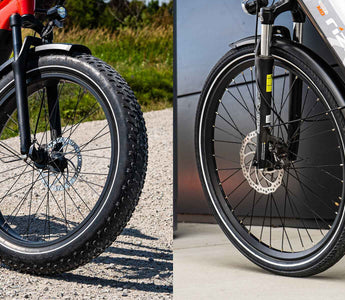
Fat tire ebikes are electric bikes with wide, thick tires—usually 3.8 inches or more. These tires are much larger than those on standard bikes. The main idea behind fat tires is to improve stability and traction, especially on tricky surfaces like sand, snow, mud, and gravel. Fat tire ebikes are popular for adventure riders, hunters, campers, and people who live in areas with harsh weather.
Key Features Of Fat Tire Ebikes
- Tire Width: 3.8 inches to 5 inches
- Pressure Range: Often 5-30 PSI (lower PSI for soft ground)
- Frame: Heavier and built to handle bigger tires
- Motor Power: Usually strong, from 500W up to 1000W+
- Weight: Often 60-80 pounds, depending on battery and build
Why Fat Tires?
Fat tires spread your weight over a larger area. This means less sinking in soft ground and more grip. For example, if you ride on a beach or snowy trail, a regular tire will often dig in and get stuck, but a fat tire ebike will glide over it.
What Are Regular Tire Ebikes?
A regular tire ebike looks more like a classic bicycle. The tires are narrower, usually between 1.75 and 2.5 inches. These bikes focus on speed, agility, and efficiency. Most city ebikes, commuter models, and mountain ebikes use regular tires. They are lighter, easier to pedal without motor help, and quicker on smooth paths.
Key Features Of Regular Tire Ebikes
- Tire Width: 1.75 to 2.5 inches
- Pressure Range: 30-60 PSI (higher PSI for less rolling resistance)
- Frame: Slimmer, lighter, easier to carry
- Motor Power: Often 250W to 750W
- Weight: Usually 40-60 pounds
Why Regular Tires?
Regular tires are designed for everyday roads. They roll faster, use less battery, and are easier to maintain. If you mostly ride on pavement or packed trails, regular tires are often the best choice.
Fat Tire Vs Regular Tire Ebike: Core Differences
To make a clear comparison, here is a data table showing the main differences between fat tire and regular tire ebikes:
| Feature | Fat Tire Ebike | Regular Tire Ebike |
|---|---|---|
| Tire Width | 3.8–5 inches | 1.75–2.5 inches |
| Weight | 60–80 lbs | 40–60 lbs |
| Motor Power | 500–1000W+ | 250–750W |
| Terrain | Sand, snow, mud, gravel | Pavement, hard-packed trails |
| Speed | Lower top speed | Higher top speed |
| Battery Range | Shorter (due to weight) | Longer |
| Comfort | Smoother ride | More agile |
| Maintenance | More frequent, pricier | Less frequent, easier |
Performance Comparison: Fat Tire Vs Regular Tire Ebike
Performance is one of the most important factors when choosing an ebike. Let’s break down how fat tire and regular tire ebikes compare in different areas.
Speed And Agility
Fat tire ebikes are heavier and have more rolling resistance. This means they are usually slower than regular tire ebikes. Regular tires are lighter and roll more easily, so they can reach higher speeds with less effort.
For example, a regular tire ebike with a 500W motor can often reach 20–28 mph on flat ground. A fat tire ebike with the same motor might only reach 16–22 mph because of the extra drag.
Battery Range
Fat tire ebikes use more energy to move their weight and big tires. This lowers battery range. Regular tire ebikes can often go 25–45 miles on a single charge, while fat tire ebikes usually manage 15–30 miles.
However, battery size matters. Some fat tire ebikes come with bigger batteries to make up for the extra drain.
Ride Comfort
Fat tires act like suspension. They absorb bumps, rocks, and cracks in the road. This makes fat tire ebikes much more comfortable, especially on rough terrain. Regular tire ebikes can feel harsher, but they are more responsive and nimble.
Terrain Handling
Fat tire ebikes shine on soft or rough ground. They can handle sand, snow, mud, and gravel easily. Regular tire ebikes are best for smooth, paved paths and hard-packed trails.
Here’s a quick example: If you want to ride across a snowy field, a fat tire ebike will keep you moving, while a regular tire ebike will slip and sink.

Credit: www.youtube.com
Pros And Cons: Fat Tire Ebike
Let’s look at the advantages and disadvantages of fat tire ebikes.
Pros
- All-terrain power: Handles sand, snow, mud, and gravel.
- Stable ride: Less chance of slipping, even on loose ground.
- Comfort: Fat tires soak up bumps and shocks.
- Adventure-ready: Good for camping, hunting, and exploring.
- Heavy-duty build: Can carry more weight and gear.
Cons
- Heavy: Harder to carry upstairs or load in a car.
- Shorter battery range: Uses more energy to roll.
- Slower speed: More drag means lower top speed.
- Maintenance costs: Larger tires and parts cost more.
- Price: Usually more expensive than regular tire ebikes.
Pros And Cons: Regular Tire Ebike
Regular tire ebikes have their own strengths and weaknesses.
Pros
- Lightweight: Easy to carry and store.
- Faster: Less rolling resistance means higher speed.
- Longer battery life: Goes farther on a single charge.
- Affordable: Cheaper to buy and maintain.
- Urban-friendly: Perfect for city riding and commuting.
Cons
- Limited terrain: Struggles on sand, snow, and loose gravel.
- Harsher ride: Less shock absorption, bumps feel stronger.
- Lower carrying capacity: Not made for heavy loads.
- Less stable: Can slip on wet or soft surfaces.
- Less adventure-ready: Not ideal for wild trails.
Real-world Examples: Fat Tire Vs Regular Tire Ebike
To make things clearer, let’s look at two popular ebikes—one fat tire, one regular tire.
Fat Tire Example: Rad Power Bikes Radrover 6 Plus
- Tire Width: 4 inches
- Motor: 750W
- Battery Range: 25–45 miles
- Weight: 73 pounds
- Terrain: Sand, snow, gravel, city streets
The RadRover 6 Plus is a classic fat tire ebike. It’s strong, stable, and can handle almost any ground. Many users love it for off-road adventures and winter rides.
Regular Tire Example: Aventon Pace 500
- Tire Width: 2.2 inches
- Motor: 500W
- Battery Range: 40–60 miles
- Weight: 52 pounds
- Terrain: City streets, paved trails
The Aventon Pace 500 is a popular city ebike. It’s fast, light, and easy to ride. Many commuters and urban riders choose it for daily trips.
Who Should Choose Fat Tire Ebike?
Fat tire ebikes are best for people who:
- Live in snowy or sandy areas
- Want to go off-road
- Need extra stability
- Carry heavy loads
- Love adventure and exploring
If you plan to ride through mud, snow, or rough trails, a fat tire ebike is often the best choice. They are also good for bigger riders, as the tires support more weight.
Who Should Choose Regular Tire Ebike?
Regular tire ebikes are perfect for:
- City commuters
- Riders who want speed
- People who ride mostly on pavement
- Anyone looking for a lightweight ebike
- Budget buyers
If you mostly ride on smooth roads, value speed and range, and want something easy to store, a regular tire ebike is ideal. It’s also a good choice for beginners.
Maintenance: Fat Tire Vs Regular Tire Ebike
Maintenance can surprise new ebike owners. Fat tire ebikes need more care, and their parts cost more.
Fat Tire Ebike Maintenance
- Tire replacement: A fat tire costs $40–$80 each, compared to $20–$40 for regular tires.
- More frequent checks: Big tires pick up more debris and wear faster.
- Frame stress: Heavier frames can develop cracks if overloaded.
- Battery care: Since fat tire ebikes use more power, battery life can be shorter. Charge often and avoid deep discharges.
Regular Tire Ebike Maintenance
- Easier tire changes: Slim tires are cheaper and simpler to replace.
- Less frame stress: Lighter bikes put less strain on parts.
- Longer battery life: Lower power use means batteries last longer.
A non-obvious tip: Many beginners forget to check tire pressure often. Low pressure makes fat tires sluggish and regular tires unsafe. Use a gauge and keep tires at recommended PSI.
Cost Comparison: Fat Tire Vs Regular Tire Ebike
Ebikes can be expensive, and fat tire models are usually pricier.
| Ebikes Type | Entry Price | Mid-range | Premium |
|---|---|---|---|
| Fat Tire Ebike | $1,200–$1,800 | $1,800–$2,800 | $2,800–$5,000+ |
| Regular Tire Ebike | $900–$1,400 | $1,400–$2,200 | $2,200–$3,500+ |
Fat tire ebikes cost more because of bigger motors, frames, and tires. Regular tire ebikes are easier on your wallet and still offer good performance.
Safety: Fat Tire Vs Regular Tire Ebike
Safety is important for any rider. Fat tire ebikes are safer on rough, loose, or slippery ground. Their big tires grip better and provide stability. However, their heavy weight means longer stopping distances.
Regular tire ebikes are safer on city streets and paved trails. They can stop quickly and turn easily. But on wet or loose surfaces, they can slip.
A non-obvious insight: Many new riders forget that fat tire ebikes need wider lanes and more space to turn. Plan your routes and be careful in crowded areas.
Credit: rizebikes.ca
Environmental Impact
Both ebike types are greener than cars. However, fat tire ebikes use more energy, so they may need more frequent battery charging. Regular tire ebikes use less power, which is better for the environment.
If you want to reduce your footprint, consider how often you charge and the type of battery your ebike uses. Some batteries are recyclable, while others are not.
For more information on ebike environmental impact, see this Wikipedia article.
Practical Tips For Choosing Your Ebike
When picking between fat tire and regular tire ebikes, consider these tips:
- Think about your main routes: If you ride mostly on rough ground, go fat tire. If you stick to city streets, go regular tire.
- Check your storage space: Fat tire ebikes take up more room.
- Test ride both: Many shops let you try before you buy.
- Consider your fitness level: Fat tire ebikes are harder to pedal without power.
- Factor in maintenance: Bigger tires mean higher costs.
- Budget for accessories: Fat tire ebikes may need special racks or fenders.
- Ask local riders: Join local ebike groups for honest reviews.
- Look at battery specs: Bigger motors need bigger batteries.
- Review warranty: Fat tire ebikes often need stronger warranties.

Credit: www.buybestgear.com
Fat Tire Vs Regular Tire Ebike: Which Is Best For You?
There is no single “best” option. The right choice depends on your needs:
- For adventure: Fat tire ebike wins.
- For speed and efficiency: Regular tire ebike is better.
- For comfort: Fat tire ebike is smoother.
- For city riding: Regular tire ebike is easier.
- For heavy loads: Fat tire ebike is stronger.
Ask yourself: Where do I ride most? What matters more—comfort or speed? How much am I willing to spend?
Frequently Asked Questions
What Is The Main Difference Between Fat Tire And Regular Tire Ebikes?
The main difference is tire width. Fat tire ebikes have tires 3.8–5 inches wide, while regular tire ebikes have 1.75–2.5 inch tires. This affects stability, speed, comfort, and terrain handling.
Are Fat Tire Ebikes Harder To Pedal Without Power?
Yes, fat tire ebikes are harder to pedal manually. Their heavy tires and frame create more resistance. Riders often use the motor more, which can drain the battery faster.
Can Regular Tire Ebikes Be Used On Sand Or Snow?
Regular tire ebikes are not ideal for sand or snow. Their narrow tires sink and slip easily. Fat tire ebikes are much better for these surfaces.
Is Maintenance More Expensive For Fat Tire Ebikes?
Yes, fat tire ebikes usually need more expensive maintenance. Their tires, frames, and motors are bigger and cost more to repair or replace.
Which Ebike Is Better For Beginners?
For most beginners, a regular tire ebike is easier to ride, lighter, and more affordable. But if you live in areas with rough terrain, a fat tire ebike may be better.
Ebikes make cycling easier and more fun, but the right tire choice can change your experience. Whether you pick a fat tire or a regular tire ebike, focus on your main needs, where you ride, and your budget. Test both types, talk to other riders, and check reviews.
With careful planning, you’ll find the perfect ebike for your lifestyle.