When you walk into a tire shop or browse for tires online, you might wonder: “How much are they really making on this?” The answer lies in something called markup. Markup is the difference between what the retailer pays for a tire and what they sell it for. While this sounds simple, the world of tire pricing is full of layers and surprises. From brand strategies to supply chain costs, the final price you pay is shaped by many factors. Let’s dive deep into what the markup on tires really is, how it works, and what it means for you as a buyer.
Understanding Markup: The Basics
Markup is a common term in retail. It refers to the amount added to the cost price of a product to cover overhead and profit. For tires, this means the amount above what the store or dealer pays to the manufacturer or wholesaler. For example, if a dealer buys a tire for $50 and sells it for $80, the markup is $30. Sometimes, markup is shown as a percentage, in this case, 60%.
But tire pricing isn’t as straightforward as a single number. Tires move from factories to wholesalers, then to retailers, before reaching you. Each step adds a bit of markup. As a result, the tire you buy for $120 may have started life as a $40 item.
How Tire Markup Works
The Tire Supply Chain
The journey of a tire starts at the manufacturer and ends with you. Along the way, each player adds their own markup:
- Manufacturer to Wholesaler: The manufacturer sells to the wholesaler, usually at a lower price to encourage bulk buying.
- Wholesaler to Retailer: The wholesaler sells to a retailer, adding their own costs and profit.
- Retailer to Consumer: The retailer sells to you, sometimes with added services like installation or warranties.
Each stage adds value but also increases the price. Some large retailers or online shops skip the wholesaler, which can lower markup.
Typical Markup Percentages
The markup on tires varies, but here are common ranges:
- Wholesalers: 5%–15%
- Retailers: 20%–50%
- Specialty shops: Sometimes up to 60% on premium or hard-to-find tires
These are average numbers. For some brands, especially those with exclusive rights or limited supply, markups can be higher. Discount retailers often use lower markup but make up for it in volume.
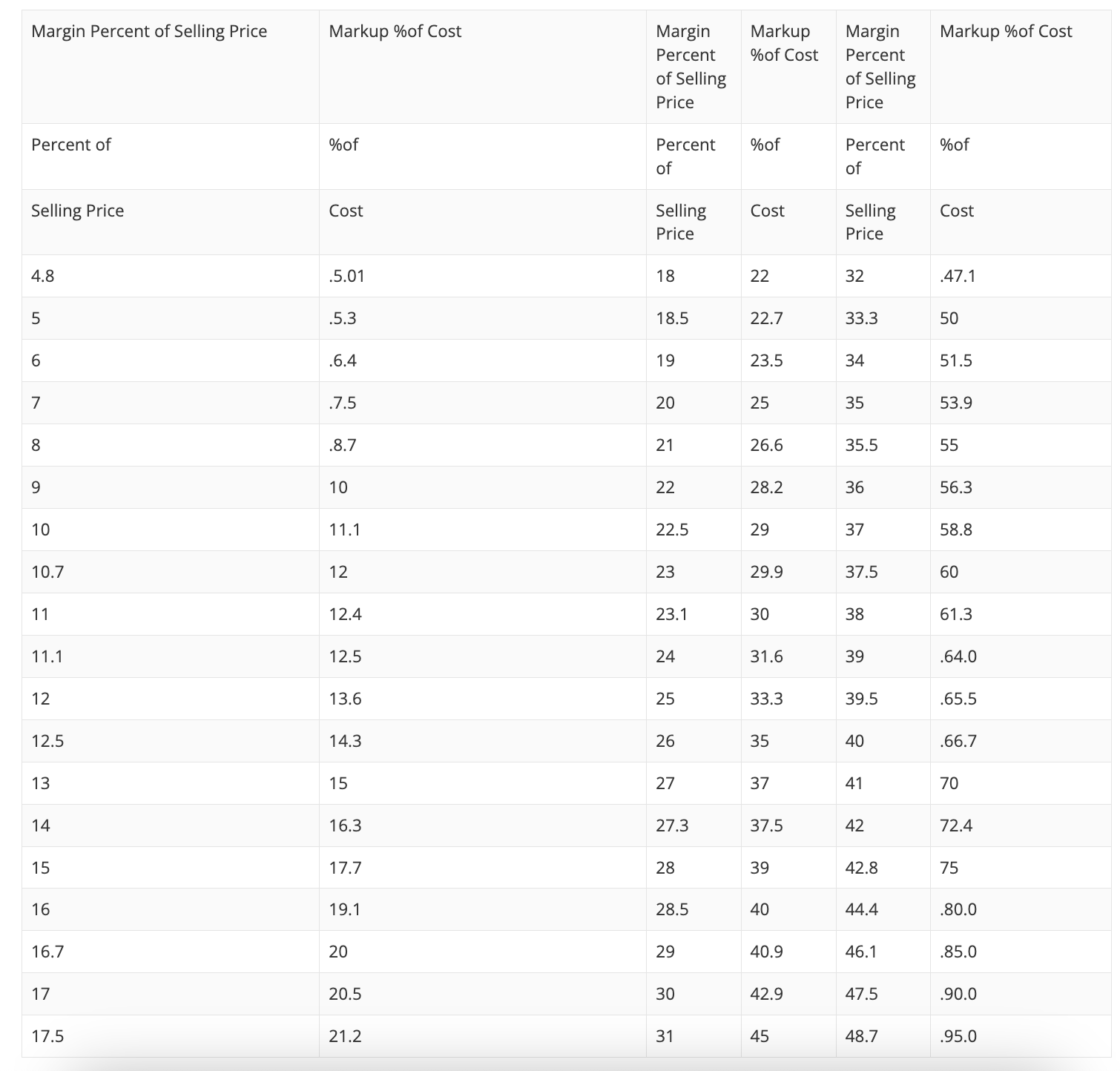
Markup Vs. Margin
It’s easy to confuse markup and profit margin. Markup is based on cost, while margin is based on the selling price. For example, selling a tire for $100 with a $30 markup means a 30% markup, but only a 23% profit margin.
Understanding this difference helps you see why tire shops sometimes offer “50% off” but still make a profit—they start with a high markup.
Factors That Affect Tire Markup
Brand And Tire Type
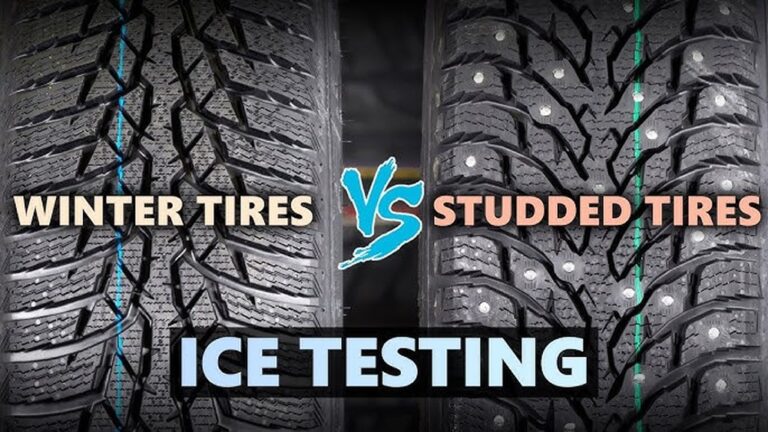
Premium brands like Michelin or Bridgestone often have higher markups than budget brands. Specialty tires, such as winter or off-road tires, also get higher markups due to limited supply and higher demand.
Volume And Purchase Power
Large retailers buy in bulk, so they get better prices from manufacturers. They can afford to use a lower markup and still make good profits. Small local shops usually have higher markups to cover their lower sales volume and higher operating costs.
Seasonal Demand
During winter or summer changeover seasons, demand spikes. Retailers may increase markup because more people need new tires fast. Off-season, you might find discounts as shops try to clear inventory.
Location And Competition
If you live in a city with many tire shops, markup tends to be lower due to competition. In rural areas with fewer options, markup can be higher. Shops need to cover transport and storage costs.
Services Included
Some retailers include free installation, balancing, or warranties. These services cost money, so the markup on the tires is higher to cover these “free” extras.
Real-world Tire Markup Examples
To see how markup plays out, look at these real-life scenarios:
- Budget Tire at Big Box Store
- Cost from manufacturer: $35
- Retail price: $60
- Markup: $25 (71%)
- Premium Tire at Local Shop
- Cost from wholesaler: $80
- Retail price: $140
- Markup: $60 (75%)
- Online Discount Site
- Cost from manufacturer: $45
- Retail price: $70
- Markup: $25 (55%)
These examples show that markups can be quite high, especially for premium or specialty tires. But they can also be lower when retailers focus on selling high volumes.
Markup In Different Tire Retail Outlets
Not all sellers use the same markup strategies. Here’s how markup varies by outlet:
| Type of Outlet | Average Markup | Extra Services |
|---|---|---|
| Big Box Store | 20–35% | Basic installation |
| Local Tire Shop | 30–60% | Personalized service |
| Online Retailer | 10–25% | Usually no installation |
| Car Dealership | 35–70% | OEM tires, warranty |
As you can see, car dealerships usually have the highest markups. They sell original manufacturer tires, which are often more expensive.
Why Is Tire Markup So High?
Many people are surprised by how much markup there is on tires. There are reasons for this:
- Inventory risk: Tires come in hundreds of sizes and types. Shops need to keep many in stock, which costs money.
- Storage: Tires are bulky and need space, adding to operating costs.
- Installation equipment: Retailers invest in balancing machines, lifts, and trained staff.
- Warranty and returns: Handling claims and returns costs money, so shops build this into their markup.
- Slow turnover: Some specialty tires sell slowly, so higher markup compensates for slow sales.
These costs mean that even a 50% markup may not translate to huge profits once expenses are covered.
How Tire Markup Compares To Other Auto Parts
Tire markup is higher than for some car parts like filters or oil, but lower than for items like car electronics or accessories. Here’s a comparison:
| Auto Part | Average Markup |
|---|---|
| Tires | 20–60% |
| Oil Filter | 30–45% |
| Spark Plugs | 40–70% |
| Car Batteries | 25–50% |
| Car Electronics | 50–100% |
One non-obvious insight: tires cost more to stock and display than smaller parts, so their markup isn’t pure profit.
How To Spot A High Markup
If you want to avoid paying too much, look for these signs:
- Large price jumps between brands or stores for the same tire model
- Bundled services included “free” (they’re built into the price)
- High-pressure upselling for specialty tires you may not need
It pays to check prices at different retailers and ask for a breakdown of costs. Sometimes, the lowest price isn’t the best value if service or warranty is poor.

Credit: www.joshuatreecdjr.com
Online Vs. In-store Markup
Online retailers often have lower overhead, so their markups can be lower. But remember, you may need to pay for shipping and separate installation. In-store, the higher price often includes fitting, balancing, and a warranty.
For example, a tire online may cost $70, but with $20 shipping and $20 installation at a local shop, the total is $110. In-store, the same tire might be $100 installed. In this case, the markup is higher online if you add all costs.
Negotiating Tire Prices
Many people don’t know you can negotiate tire prices, especially at independent shops. Here’s how:
- Ask for price matching if you find a lower price online or at another shop.
- Request discounts for buying a full set of four.
- Inquire about seasonal promotions or rebates.
Shops often have room to give a better deal, especially if you’re a repeat customer or buying multiple services.
Tire Warranties And Markup
Some tire sellers offer extended warranties. These often have very high markups—sometimes over 100%. Before buying, check what the manufacturer’s warranty already covers. You may not need the extra coverage.
Hidden Costs In Tire Pricing
When comparing tires, look for hidden costs that are sometimes rolled into the markup:
- Disposal fees for your old tires
- Balancing and alignment
- Valve stems and tire pressure monitoring sensors (TPMS)
Always ask for an “out-the-door” price, so you know the total cost.
Should You Always Buy The Cheapest Tire?
Not always. The cheapest tire may have a low markup because it’s old stock, a lesser-known brand, or lacks a good warranty. Paying a bit more can get you better performance, longer life, and better service.
A smart approach is to compare the total value, not just the lowest price.
Insider Tips For Tire Buyers
Here are some things most buyers miss:
- Tire age matters. Shops sometimes sell tires that have been sitting for years. Check the DOT date code on the sidewall; newer is better for safety.
- Ask about installation deals. Some retailers offer free rotation or repairs if you buy a full set. This can be worth more than a small discount.
The Future Of Tire Markup
With more online competition, markups may shrink. But as tire technology improves and cars become more advanced, specialty tires (for electric vehicles, for example) may see higher markups due to limited supply and special features.
According to a report by Modern Tire Dealer, the tire industry is watching trends like direct-to-consumer sales, which could change how markup works in the future.
Frequently Asked Questions
Credit: www.utires.com
What Is A Typical Markup On Tires?
Markup varies but is usually 20% to 50% for most retailers. Specialty shops and dealerships may charge even more, especially for premium or hard-to-find tires.
Why Are Tires So Expensive At Dealerships?
Dealerships sell original equipment manufacturer (OEM) tires, which are often more expensive. They also offer warranties and premium service, so their markup is higher—sometimes up to 70%.
Can I Negotiate The Price Of Tires?
Yes, especially at local or independent shops. Always ask if they will match a competitor’s price or offer discounts for buying a set.
Is Buying Tires Online Always Cheaper?
Not always. Online prices can look lower, but don’t forget to add shipping and installation. Sometimes, local shops offer package deals that are better value.

Credit: www.utires.com
How Can I Tell If A Tire Is Marked Up Too Much?
Compare prices for the same tire model at several shops and online. If there’s a big difference, ask about what’s included (installation, warranty, etc.), and always request an out-the-door price.
Choosing the right tire means looking beyond just the sticker price. Understanding markup helps you make a smart buy—balancing cost, quality, and value for your safety on the road.