When the weather turns cold and roads get slippery, choosing the right winter tire matters more than ever. Many drivers wonder, are Pirelli winter tires good for handling snow, ice, and wet conditions? Pirelli is a name known worldwide, but does that reputation hold up when it comes to winter performance? Let’s dig deep into what makes Pirelli winter tires stand out, their real-world performance, and whether they are worth your money.
What Makes A Good Winter Tire?
Before looking at Pirelli specifically, it’s important to know what defines a good winter tire. Not all tires with a snowflake symbol perform the same.
- Tread pattern: Winter tires need deep grooves and unique patterns to grip snow and slush.
- Rubber compound: The material must stay soft and flexible in cold temperatures.
- Braking and handling: Stopping distance and cornering stability are key on icy roads.
- Noise and comfort: Some winter tires are louder or less comfortable than others.
A good winter tire balances all these factors. A common mistake is thinking all winter tires are the same. Some focus on ice, others on snow, and a few try to do both. Always check what type fits your driving environment best.
Pirelli Winter Tires: Main Models And Features
Pirelli offers several winter tire models. Here are the most popular and what they bring to the road.
| Model | Best For | Key Features |
|---|---|---|
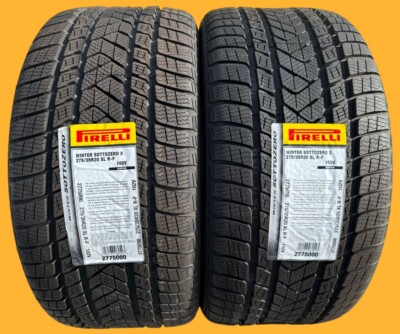
| Pirelli Winter Sottozero 3 | High-performance cars | Excellent grip, sporty handling, advanced silica compound |
| Pirelli Cinturato Winter | Compact and mid-size vehicles | Quiet ride, fuel efficiency, improved drainage |
| Pirelli Ice Zero FR | Extreme ice and snow | Directional tread, flexible rubber, optimized for Nordic climates |
| Pirelli Scorpion Winter | SUVs and crossovers | Large grooves, reinforced structure, wet and snow traction |
Pirelli Winter Sottozero 3 is designed for drivers who want sporty performance even in winter. The Cinturato Winter targets daily commuters who value comfort and efficiency. Ice Zero FR is made for those facing severe ice conditions, while Scorpion Winter serves larger vehicles needing stability in snow.

Credit: www.youtube.com
Performance In Real Winter Conditions
Testing a tire in a lab is one thing, but true value comes from real-world performance. Let’s explore how Pirelli winter tires handle:
Snow And Slush
Pirelli tires use a directional tread—this means the grooves are shaped to push snow and water away from the tire. For example, the Ice Zero FR has wide lateral grooves that clear slush quickly, reducing the risk of hydroplaning. In independent tests, Ice Zero FR and Scorpion Winter scored above average for snow traction, often stopping 1-2 meters shorter than budget brands.
Ice And Freezing Temperatures
Rubber hardens in cold, losing grip. Pirelli’s advanced silica compounds stay flexible, helping the tire bite into icy surfaces. The Sottozero 3 uses a special polymer blend that keeps the tire soft even at -20°C. Still, no non-studded tire performs like a studded one on ice, but Pirelli keeps you safer than all-seasons.
Wet Roads And Rain
Many winter accidents happen on wet, not snowy, roads. The Pirelli Cinturato Winter has narrow grooves that channel water out, reducing the risk of sliding. In wet braking tests, Pirelli winter tires often match or beat other premium brands, stopping safely and predictably.
Comfort And Noise
Winter tires are sometimes noisy. Pirelli designs its winter tires with comfort in mind, using noise-reducing tread patterns. The Cinturato Winter and Sottozero 3 are among the quietest in their class, a bonus for highway driving.
How Do Pirelli Winter Tires Compare To Other Brands?
It’s easy to get lost among brands like Michelin, Bridgestone, and Continental. Where do Pirelli winter tires fit?
| Brand | Strengths | Weaknesses |
|---|---|---|
| Pirelli | Sporty handling, comfort, wet and snow performance | Higher price, some models less effective on ice |
| Michelin | Long tread life, excellent ice grip (X-Ice), quiet | Premium pricing |
| Bridgestone | Durability, snow traction (Blizzak), wide range | Can be noisy, softer ride |
| Continental | Balanced performance, wet braking | Less sporty feel |
Pirelli stands out for drivers who want sharp steering and a comfortable ride, especially in wet or mixed winter conditions. They may cost a bit more, but for some, the extra control is worth it. A non-obvious insight: while Michelin often leads in ice, Pirelli’s edge is in the mix of slush, rain, and clear winter pavement—a common situation for city drivers.
Longevity And Durability
Many drivers worry about tire life, especially when premium tires are expensive. Pirelli winter tires usually last 25,000 to 35,000 miles depending on driving style and conditions. Their tread wears evenly if rotated and inflated properly. However, aggressive driving or constant warm weather use can shorten their life.
One thing beginners often miss: Winter tires are softer than summer ones, so using them year-round will wear them out fast. Always switch back to summer or all-season tires when winter ends. This way, your Pirellis will last for many seasons.
Cost And Value For Money
Pirelli winter tires are not the cheapest option. Prices vary by size and model, but expect to pay $120 to $250 per tire in the U.S. For comparison, budget brands can cost $70-$100, while other premium brands are similar to Pirelli.
What Do You Get For The Extra Money?
- Better performance in tricky conditions
- Quieter ride
- Sporty handling
- Peace of mind from a trusted brand
While budget winter tires can work, they often struggle in wet or variable conditions. If you drive a powerful car, or value safety and comfort, the extra cost of Pirelli is easier to justify.
Who Should Choose Pirelli Winter Tires?
Not every driver needs premium tires. Pirelli winter tires are a smart choice if:
- You drive a sports car or high-performance sedan and want to keep the fun in winter.
- You care about road noise and comfort on long drives.
- Your winters are wet, slushy, or changeable—common in cities and coastal regions.
- You drive an SUV or crossover and need stable handling.
If you live in a region with constant ice or deep snow, models like Michelin X-Ice or studded tires may be better. For most people in mixed climates, Pirelli delivers a safe and enjoyable winter drive.
Common Mistakes When Buying Winter Tires
Choosing winter tires can be confusing. Here are mistakes to avoid, especially with premium brands like Pirelli:
- Buying the wrong size: Always follow your car’s manual or ask a tire expert.
- Using winter tires year-round: They wear out quickly in warm weather.
- Not rotating tires: Rotate every 5,000-7,000 miles for even wear.
- Ignoring speed ratings: Some Pirelli winter tires are not designed for high-speed driving.
- Focusing only on price: Cheaper tires can cost more in the long run if they wear fast or lack grip.
A tip many miss: Check for new tire tech or updates. Pirelli sometimes releases improved versions with better compounds or patterns, so ask for the latest model.

Credit: www.discountedwheelwarehouse.com
Real User Reviews And Feedback
Reading real feedback helps separate marketing from reality. Most Pirelli winter tire owners report:
- Confident grip on wet and snowy roads
- Responsive steering, even in bad weather
- Low road noise compared to other winter tires
Some negative reviews mention high price and average performance on pure ice (for non-studded models). But few complain about tread life or comfort. Overall, satisfaction is high, especially among drivers who value handling and quietness.
Should You Trust The Pirelli Brand?
Pirelli is not a newcomer. Founded in 1872, it’s one of the oldest tire makers. The brand supplies Formula 1 racing, which means their R&D is at a high level. Their winter tires are tested in Europe and North America, and they meet strict safety standards.
For more details on their history and technology, you can visit the Pirelli Wikipedia page.
Practical Tips For Getting The Most From Pirelli Winter Tires
- Check pressure often: Cold weather lowers tire pressure. Check monthly.
- Store them properly: Keep unused tires in a cool, dark place, away from sunlight.
- Clean road salt off: Salt can damage tires over time. Rinse with water when possible.
- Balance and alignment: Have your tires balanced and wheels aligned for best performance.
- Drive smoothly: Hard braking or acceleration wears any winter tire faster.
Frequently Asked Questions
What Makes Pirelli Winter Tires Different From All-season Tires?
Pirelli winter tires use a special rubber compound that stays soft in cold weather, unlike all-season tires that get hard and lose grip. Their tread is also more aggressive, so they handle snow and ice much better.
Are Pirelli Winter Tires Good For Ice?
Pirelli’s winter tires are good on ice compared to all-seasons, especially models like Ice Zero FR. However, if your area has thick ice for long periods, a studded tire or a Michelin X-Ice might perform better.
Credit: www.ebay.com
How Long Do Pirelli Winter Tires Last?
With proper care, Pirelli winter tires last 3 to 5 seasons (about 25,000 to 35,000 miles). Rotate them regularly and avoid using them in warm weather for maximum life.
Are Pirelli Winter Tires Noisy?
Most users find Pirelli winter tires quieter than average, especially models like Sottozero 3 and Cinturato Winter. Still, all winter tires are a bit louder than summer ones due to their tread design.
Do I Need To Buy Four Pirelli Winter Tires, Or Just Two?
Always use four matching winter tires. Mixing tires can cause unsafe handling and uneven wear, especially on slippery roads.
When winter driving is part of your life, picking the right tire is more than just a purchase—it’s about safety and confidence. Pirelli winter tires deliver excellent grip, comfort, and sporty handling for those who want more from their car, even when the temperature drops.
If you value quality and drive in mixed winter conditions, Pirelli is a smart, reliable choice.