Many drivers see a strange bump or bubble on their car tire and wonder if it’s dangerous. The answer is yes—a tire bulge is a serious problem. Even a small bulge can quickly lead to a blowout, putting you and others at risk.
But what actually causes these bulges in tires? And what can you do to prevent them? Understanding the reasons behind tire bulges not only helps you stay safer but can also save you money on repairs and replacements. Let’s explore the main causes, signs to watch for, and the best ways to avoid this common tire problem.
What Is A Tire Bulge?
A tire bulge is a noticeable bump or bubble on the sidewall or tread of a tire. It usually looks like a swollen area that sticks out from the rest of the tire’s surface. This bulge means the tire’s internal structure is damaged, often because the strong layers inside have separated or broken. When this happens, air pushes against the weakened spot, creating the bulge.
Unlike normal tire wear, a bulge is not just a cosmetic issue. It signals a real risk of tire failure. If you see a bulge, you should replace the tire immediately.
Main Causes Of Tire Bulges
Several factors can lead to bulges in tires. Most are related to direct damage, manufacturing defects, or improper use. Here are the most common causes:
1. Impact Damage
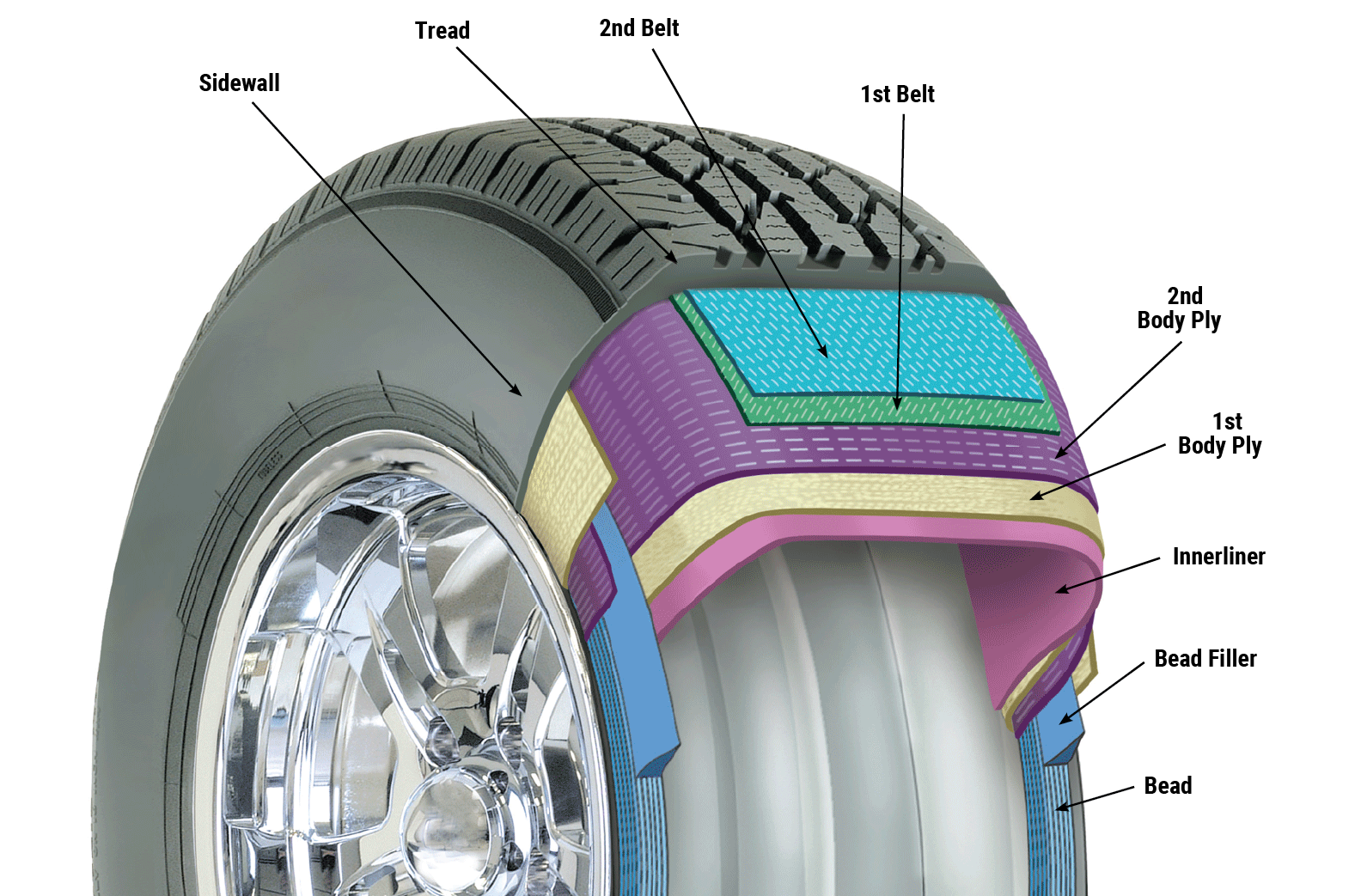
The number one cause of tire bulges is impact with a hard object. When a tire hits a pothole, curb, or sharp object at speed, the force can break the inner layers (called plies) of the tire. The outer rubber may stay intact, but the inside gets weak. Air then pushes outwards, forming a bulge.
- Potholes: Deep potholes are a major threat, especially if you hit them at high speed.
- Curbs: Parking too close and scraping or bumping against curbs can damage sidewalls.
- Debris: Rocks, metal, or other road debris can also cause sudden impact.
Example
If you drive over a large pothole at 50 km/h, the sudden shock can be enough to break the tire’s inner structure, even if you don’t notice damage right away.
2. Manufacturing Defects
Sometimes, a defect during manufacturing causes weak spots in the tire. If the layers inside the tire are not bonded correctly or the materials are faulty, a bulge can develop, even without any impact.
- Separation of plies during production leads to hidden weak spots.
- Low-quality materials may not hold up under normal driving conditions.
These bulges often appear soon after you start using a new tire. In these cases, manufacturers may offer a replacement under warranty.
3. Underinflation
Driving on underinflated tires puts extra stress on the sidewalls. When a tire doesn’t have enough air, more of its surface flexes and bends with every rotation. Over time, this extra movement can break down the internal structure, leading to bulges.
- Chronic underinflation is especially risky for heavy vehicles or when carrying a full load.
- Even moderate underinflation can cause sidewall weakness if it continues for weeks or months.
4. Overloading
Every tire has a maximum load rating. If you carry more weight than the tire is designed for, the extra pressure can break the internal plies. Overloaded tires are much more likely to develop bulges, especially during long drives or in hot weather.
- Common mistake: Filling a small car with too many passengers and luggage.
- Commercial vehicles: Delivery vans and trucks often suffer from this problem if overloaded.
5. Driving At High Speed Over Obstacles
Speed amplifies the force of any impact. Hitting bumps, speed bumps, or objects at high speed increases the risk of a tire bulge. Even a small pothole can cause damage if hit fast enough.
- Sports cars with low-profile tires are especially at risk.
- Highway driving: A tire may look fine after hitting an obstacle, but a bulge can appear later.
6. Aging And Deterioration
As tires get older, the materials inside become weaker. Rubber dries out and loses flexibility, while the glue that holds the layers together can fail. This makes old tires more likely to develop bulges, even without any obvious damage.
- Most tires should be replaced after 6-8 years, even if they look fine.
- Sunlight and heat speed up aging.
7. Improper Mounting
If a tire is not mounted correctly on the rim, it can develop weak spots. For example, if the bead (the edge of the tire) is pinched or damaged during installation, a bulge may appear soon after.
- This is more common with inexperienced mechanics or at low-cost repair shops.
- Using the wrong equipment can also damage the tire.
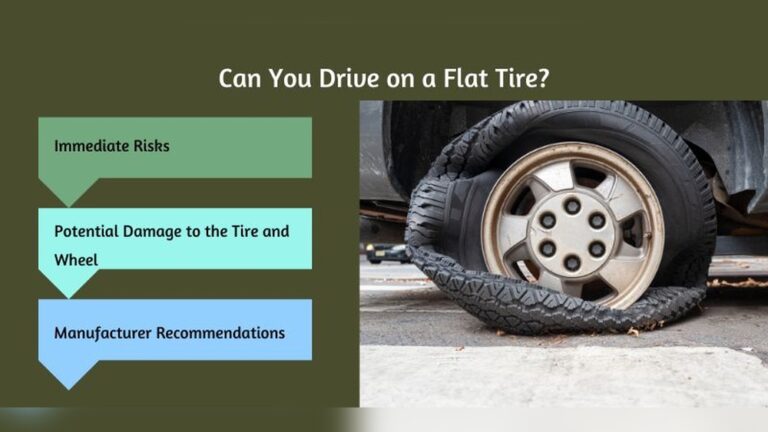
8. Driving With A Flat Tire
Some drivers try to reach a repair shop by driving on a partially flat tire. Even a short distance can crush and break the internal structure, leading to permanent damage and bulging.
- If your tire loses air, always stop and fix it before driving further.
- Modern tires can look okay on the outside but be ruined inside after driving flat.
9. High Temperatures
Hot weather makes tires more flexible and can speed up damage if the tire is already weak. High temperatures can also increase tire pressure, causing more stress on any damaged areas.
- Long drives on hot roads put extra strain on tires.
- Parking in direct sunlight ages tires faster.
10. Road Hazards And Construction Zones
Frequent driving through construction zones or poorly maintained roads increases your risk. Nails, chunks of asphalt, and uneven surfaces can all cause sudden impacts or slow internal damage that leads to bulges.
Common Causes Compared
Here’s a comparison of how different causes usually lead to tire bulges:
| Cause | How Often It Happens | Type of Bulge |
|---|---|---|
| Impact Damage | Very Common | Large, sudden bulge |
| Manufacturing Defect | Rare | Small, appears soon after use |
| Underinflation | Common | Gradual sidewall bulge |
| Overloading | Occasional | Bulge after long drives |

Credit: rosava.com
Signs And Symptoms Of A Tire Bulge
Knowing how to spot a tire bulge can prevent accidents. Look for:
- Visible swelling: Any bubble or bump on the side or tread.
- Vibration: A bulged tire may cause vibration or shaking, especially at higher speeds.
- Uneven wear: Tires with bulges may wear unevenly.
- Hissing sounds: Rare, but sometimes you might hear air escaping if the area is very weak.
It’s smart to check your tires at least once a month. Run your hand around the sidewall and look for anything unusual.
Why Tire Bulges Are Dangerous
A bulge means the tire is about to fail. The internal structure is broken, and only a thin layer of rubber holds the air in. At any moment—especially at high speed—the tire can burst. This is called a blowout, and it can cause you to lose control of your vehicle.
In the United States, the National Highway Traffic Safety Administration (NHTSA) found that tire problems cause about 11,000 crashes per year. Many of these are due to blowouts from damaged or bulging tires.

Credit: www.reddit.com
How To Prevent Tire Bulges
Most tire bulges are preventable. Here’s how to reduce your risk:
- Check tire pressure regularly (at least once a month). Keep tires inflated to the recommended level.
- Avoid potholes and curbs whenever possible. Slow down if you must drive over rough surfaces.
- Don’t overload your vehicle. Check your car’s manual for the maximum load limit.
- Inspect your tires for bulges, cracks, or other damage. Replace any tire with a bulge immediately.
- Replace old tires even if the tread looks good. Six years is the usual limit for most passenger cars.
- Use a trusted mechanic for tire installation and repairs. Make sure tires are mounted correctly.
Tire Pressure And Bulge Risk
Keeping tires at the right pressure is one of the easiest ways to prevent bulges. Here’s how pressure relates to bulge risk:
| Pressure Level | Risk of Bulge | Driving Comfort |
|---|---|---|
| Too Low | High | Poor, tire wears quickly |
| Correct | Low | Good, tire lasts longer |
| Too High | Moderate | Rough, less traction |
What To Do If You Find A Tire Bulge
If you see a bulge on any tire, do not drive on it. Even if the bulge seems small, the risk of a blowout is high.
- Replace the tire as soon as possible.
- If you’re driving, pull over safely and use a spare tire.
- Do not try to repair a bulged tire. The internal damage cannot be fixed.
Some tire manufacturers offer warranties for defects, but most bulges from impacts or misuse are not covered. Always check your warranty terms.
Credit: retail.wonderlandtire.com
Non-obvious Insights: What Most Drivers Miss
- Bulges can form days after impact. Sometimes, you hit a pothole and think your tire is fine. The bulge may appear later, so always check your tires for several days after a hard impact.
- Low-profile tires are at higher risk. Modern cars often have thin sidewalls for style, but these are much more likely to bulge from even small bumps.
- Bulges can be hidden. A bulge on the inside sidewall (the side facing the car) is easy to miss. Always check both sides when inspecting tires.
- Spare tires can bulge too. Old spares, especially if not stored properly, can develop bulges before you even use them.
When Is A Bulge Covered By Warranty?
Manufacturers usually cover defects in materials or workmanship. If a bulge appears soon after buying a tire and there’s no sign of impact damage, the tire shop may replace it for free. However, most bulges are from road hazards or misuse, which are not covered.
- Keep your purchase receipt and note the tire’s age.
- Take clear photos of the bulge for warranty claims.
For more details about tire warranties, you can refer to the National Highway Traffic Safety Administration.
Frequently Asked Questions
What Should I Do If I See A Bulge In My Tire?
Stop driving and replace the tire immediately. A bulged tire can fail at any time, especially at higher speeds.
Can I Repair A Tire With A Bulge?
No. The internal structure is damaged, and no repair can restore its strength. You must replace the tire.
How Do I Know If A Bulge Is From A Defect Or Road Damage?
Defect-related bulges usually appear soon after installation and often without any obvious cause. Bulges from road damage often follow an impact, like hitting a pothole.
Are Tire Bulges Covered By Warranty?
Only if caused by a manufacturing defect. Most bulges from impact or misuse are not covered.
Is It Safe To Drive With A Small Tire Bulge?
No. Any bulge, no matter how small, is dangerous. The tire can blow out without warning.
A bulge in your tire is more than just an inconvenience—it’s a warning sign of serious internal damage. By understanding what causes tire bulges and how to prevent them, you can protect yourself, your passengers, and your vehicle. Regular inspections, careful driving, and proper tire care are the keys to avoiding this dangerous problem.
Stay alert, and never ignore a bulge in your tire. Your safety depends on it.