If you drive a Hyundai Elantra, you might wonder: what psi should Hyundai Elantra tires be? The answer isn’t always as simple as reading a number from a website. Tire pressure, measured in pounds per square inch (psi), affects more than just how your tires feel. It impacts fuel economy, safety, and even how long your tires last. Many drivers ignore this detail, but keeping the right psi is one of the easiest ways to protect your car and your wallet. Let’s take a closer look at the right pressure for your Elantra, why it matters, and how to check or adjust it the right way.
Recommended Tire Pressure For Hyundai Elantra
Every Hyundai Elantra model has a recommended tire pressure set by the manufacturer. This number is carefully chosen for comfort, performance, and safety. For most Hyundai Elantra models from 2011 to 2024, the standard recommended tire pressure is 33 psi (pounds per square inch) for both front and rear tires. However, there are exceptions, especially for older models or when different tire sizes are used.
Below is a quick comparison of recommended psi values for popular Hyundai Elantra model years:
| Model Year | Front Tire (psi) | Rear Tire (psi) | Common Tire Size |
|---|---|---|---|
| 2024 | 33 | 33 | 205/55R16 |
| 2021-2023 | 33 | 33 | 195/65R15 |
| 2017-2020 | 33 | 33 | 205/55R16 |
| 2011-2016 | 32 | 32 | 195/65R15 |
| 2010 and earlier | 30-32 | 30-32 | 195/60R15 |
Note: Always check your own vehicle’s door jamb sticker or owner’s manual, as trim levels or optional wheels may change the recommended psi.
Why Correct Tire Pressure Matters
Many drivers underestimate the importance of correct tire pressure. Here’s why the right psi makes a big difference:
- Safety: Underinflated or overinflated tires handle poorly and can overheat or fail. Correct psi means better control and fewer blowouts.
- Tire Life: The right pressure helps your tires wear evenly, so you get more miles before replacement.
- Fuel Efficiency: Low pressure increases rolling resistance, making your car use more fuel.
- Ride Comfort: The wrong psi can make your ride rough or wobbly.
Surprisingly, even a difference of just 4-5 psi below recommended can reduce tire life by up to 25% and increase fuel use by 3-5%.

Credit: www.reddit.com
How To Check Your Hyundai Elantra’s Tire Pressure
Checking your tire pressure is simple but often skipped. Here’s how to do it correctly:
- Wait Until Tires Are Cold: For the most accurate reading, check pressure when the car has been parked for a few hours.
- Find the Recommended psi: Look for a sticker inside the driver’s door, or check your owner’s manual.
- Use a Quality Gauge: Digital or dial gauges are more accurate than the ones attached to air pumps at gas stations.
- Remove the Valve Cap: Place the gauge on the tire’s valve stem and press firmly.
- Read the psi: Compare the reading to the recommended value.
- Add or Release Air: If needed, use an air compressor to add air or gently press the valve to release air.
- Recheck and Replace Cap: Double-check the pressure and replace the valve cap.
Pro tip: Always check all four tires, and don’t forget the spare—many people miss this.
Factors That Affect Tire Pressure
Tire pressure isn’t a set-and-forget number. Several factors can change the psi in your Hyundai Elantra’s tires:
- Temperature: Tire pressure drops about 1 psi for every 10°F decrease in temperature. In winter, tires can lose noticeable pressure overnight.
- Altitude: Higher altitudes can slightly increase psi readings, but usually not enough to require manual adjustment.
- Load: Carrying heavy passengers or cargo can increase the pressure on your tires. If you plan to carry extra weight, check your manual for higher load psi recommendations.
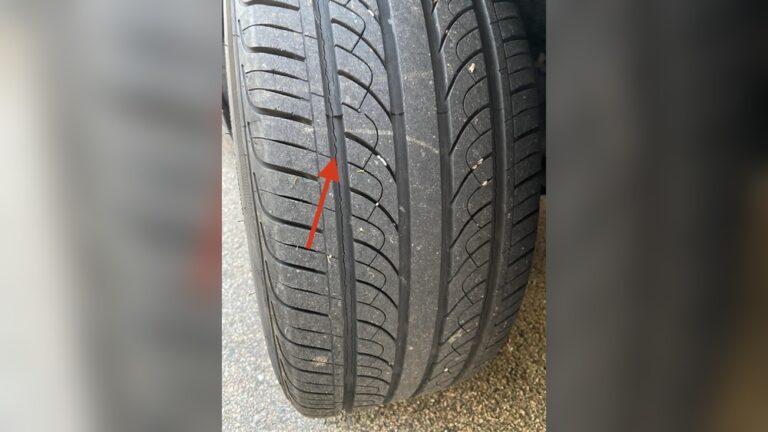
- Tire Age and Wear: Older tires may not hold pressure as well, and worn treads can affect air retention.
- Tire Type: If you change to aftermarket or larger tires, the recommended psi may change.
How Often Should You Check Tire Pressure?
Checking tire pressure just once a year is not enough. Here’s a better approach:
- Monthly: Make it a habit to check all tires at least once a month.
- Before Long Trips: Always check before road trips or carrying heavy loads.
- When Temperatures Change: Check after major temperature drops or rises, as psi can shift quickly.
Regular checks help you spot problems early. Even small leaks or slow punctures can cause big trouble if ignored for months.
What Happens If Tire Pressure Is Too High Or Too Low?
Let’s look at the risks of both underinflated and overinflated tires:
Underinflated Tires
- Can cause the tire to flex more, making it heat up and possibly fail.
- Increases rolling resistance, which hurts fuel economy.
- Wears tire edges faster, shortening tire life.
- Makes steering less responsive, especially in emergencies.
Overinflated Tires
- Makes tires stiffer, so you’ll feel every bump in the road.
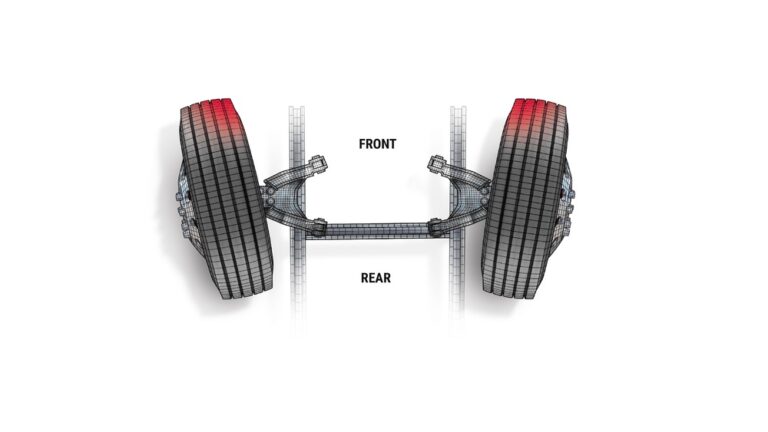
- Wears the center of the tread faster, reducing grip and tire life.
- Increases the risk of tire blowouts on rough roads.
Even if you don’t notice changes in how your Elantra drives, incorrect psi is slowly doing damage.
Tire Pressure Monitoring System (tpms) In Hyundai Elantra
Modern Hyundai Elantras include a Tire Pressure Monitoring System (TPMS). This safety feature warns you if one or more tires are significantly underinflated.
- How It Works: Sensors in the wheels measure pressure and send warnings to your dashboard.
- What the Warning Means: The TPMS light comes on when a tire drops about 25% below the recommended psi.
- Limitations: TPMS is not always 100% accurate. It may not alert you to slow leaks or if all tires are equally low.
You should never rely only on TPMS. Manual checks are still important.
Adjusting For Different Driving Conditions
Sometimes, you may need to adjust your tire pressure for special situations:
Hot Weather
Tire pressure increases as the air inside heats up. Don’t let air out when tires are hot, as they’ll be underinflated when cool.
Cold Weather
In cold months, regularly check and refill tires. It’s common for psi to drop several points overnight.
Heavy Loads Or Towing
If you plan to carry lots of people or heavy cargo, check your owner’s manual. Hyundai may recommend adding 2-4 psi for extra weight.
High-speed Driving
On highways, the recommended pressure usually works well. Only adjust if your manual suggests a different psi for high speeds.
What To Do If You Have Aftermarket Or Non-standard Tires
If you’ve changed your Elantra’s wheels or tires, don’t guess the correct psi. The number on the sidewall is the maximum pressure, not the recommended pressure. Use the vehicle’s recommendation as a starting point, but check with your tire shop or the manufacturer for the best psi for your new setup.
Common Mistakes When Managing Tire Pressure
Some mistakes are easy to make if you’re not careful. Here are a few to avoid:
- Trusting only visual checks: Tires can look fine but still be low on air.
- Using unreliable gauges: Cheap or old gauges can give false readings.
- Ignoring the spare: Many spares use higher psi and are often forgotten.
- Overfilling “just to be safe”: Too much air is as bad as too little.
- Forgetting after tire service: Always double-check psi after tire rotation or replacement.
Signs Your Tire Pressure Is Wrong
Sometimes, your Elantra will “tell” you the tire pressure is off, even before the TPMS light comes on:
- The car pulls to one side.
- The steering feels heavy or slow.
- You notice more noise or vibration.
- Tires look uneven or bulge at the sides.
If you spot any of these, check your psi right away.
Real-world Example: Checking Tire Pressure In Different Seasons
Let’s say you own a 2020 Hyundai Elantra in a place with cold winters and hot summers. In October, your tires are set to 33 psi. By January, the temperature drops 30°F, so the psi may fall to 30. If you don’t add air, your tires are now underinflated—hurting fuel economy and safety.
When summer comes and the air gets hot, psi could rise to 35 or 36. Checking monthly helps you catch these changes early.
Credit: www.reddit.com
Comparing Oem And Aftermarket Tire Pressures
If you buy new tires that are not the original size or brand, how does this affect psi? Here’s a quick comparison:
| Tire Type | Recommended psi | Notes |
|---|---|---|
| OEM (original) | 33 | Best for comfort, fuel, and safety |
| All-Season (aftermarket) | 32-35 | Check with tire shop |
| Performance tires | 35-38 | Often need higher psi for handling |
| Winter tires | 33-36 | Adjust for temperature drops |
Always follow professional advice for non-standard tire setups.
How To Reset The Tpms After Adjusting Tire Pressure
If you adjust your tire pressure, sometimes the TPMS light stays on. Here’s how you can reset it:
- Drive your car above 15 mph for at least 10 minutes.
- If the light stays on, turn off the car, check all tires again, and refill as needed.
- Some models have a TPMS reset button—consult your manual for its location.
If the light won’t turn off, it may signal a system fault or a bad sensor. Don’t ignore it.
Expert Tips For Maintaining Proper Tire Pressure
- Buy a reliable digital tire gauge and keep it in your glove box.
- Set reminders on your phone for monthly checks.
- Always check psi before and after tire service at a shop.
- Ask your mechanic to check the spare during oil changes.
- Learn to read the tire sidewall for maximum and recommended pressures.
Non-obvious insight: Even new tires can lose 1-2 psi per month just from natural air seepage. Don’t assume new means worry-free.
Where To Find Official Tire Pressure Information
Hyundai provides official psi numbers in several places:
- Driver’s side door jamb label
- Owner’s manual
- Hyundai’s official website
- Tire information placard in the glove box (on some models)
For more background on tire safety and maintenance, see the National Highway Traffic Safety Administration.
Credit: mitchell1.com
Frequently Asked Questions
What Is The Recommended Tire Pressure For A 2022 Hyundai Elantra?
The recommended tire pressure for the 2022 Hyundai Elantra is 33 psi for both front and rear tires, assuming standard tire size.
Should I Use The Psi Listed On The Tire Or The Car?
Always use the psi listed on the car’s door jamb or owner’s manual. The number on the tire is the maximum pressure, not the recommended level for your vehicle.
How Often Should I Check My Hyundai Elantra’s Tire Pressure?
Check your tire pressure at least once a month and before long trips. More frequent checks are smart during big temperature changes.
Can Incorrect Tire Pressure Cause The Tpms Light To Come On?
Yes, if any tire falls about 25% below the recommended psi, the TPMS light will turn on. It can also light up if there’s a sensor issue.
What Should I Do If My Tire Pressure Is Too High?
Let some air out slowly using the valve stem until you reach the correct psi. Always check with a gauge to avoid letting out too much.
Keeping your Hyundai Elantra tires at the right psi is a small job with big benefits. It keeps you safer, saves you money, and helps your car run its best. Make tire pressure checks a regular habit and you’ll notice the difference every time you drive.