Can Heat Cause Low Tire Pressure
Most drivers know that tire pressure matters for safety and fuel efficiency. But many are surprised when they check their tires on a hot day and find the pressure is low, or even get a warning light on their dashboard.
Can heat really cause low tire pressure, or is something else at work? Let’s look at what actually happens inside your tires as temperatures rise, why it matters, and what you can do to keep your tires at the right pressure all year.
How Tire Pressure Works
To understand the effect of heat, it helps to know a bit about tire pressure itself. Inside every tire is air (or sometimes nitrogen) held at a certain pressure, measured in PSI (pounds per square inch). This pressure supports the weight of your car and helps the tire keep its shape and grip.
Manufacturers specify a recommended PSI for each vehicle, which you can find on a sticker inside your driver’s door or in your owner’s manual. Keeping your tires at this level is important for:
- Safety: Proper pressure gives better control and braking.
- Fuel economy: Underinflated tires use more fuel.
- Tire life: The right pressure helps tires last longer and wear evenly.
But the air inside your tires is not static. It changes with temperature, leaks slowly over time, and can be affected by driving habits.
The Science: How Heat Affects Tire Pressure
Many people assume heat always makes pressure go up. In fact, the relationship is more complex. According to the gas law (specifically, Charles’s Law), when air inside a closed space gets warmer, it expands and pressure rises. So on a hot day, or after a long drive, your tire pressure can be higher than when the car was parked overnight.
But here’s the surprising part: heat can also cause low tire pressure over time, especially in certain conditions.
Day Vs Night: Pressure Fluctuations
Tire pressure naturally changes as the temperature changes between day and night. For every 10°F (about 5. 6°C) rise or drop in temperature, tire pressure changes by roughly 1 PSI. So if you set your tire pressure on a cool morning and check it in the afternoon, you’ll often see a higher reading.
However, if your tires are already a little low, or if there’s a slow leak, the extra heat can actually make the problem worse. As the tires expand, they may push out small amounts of air through the valve or tiny holes, causing a net loss over time.
Heat And Rubber: The Material Factor
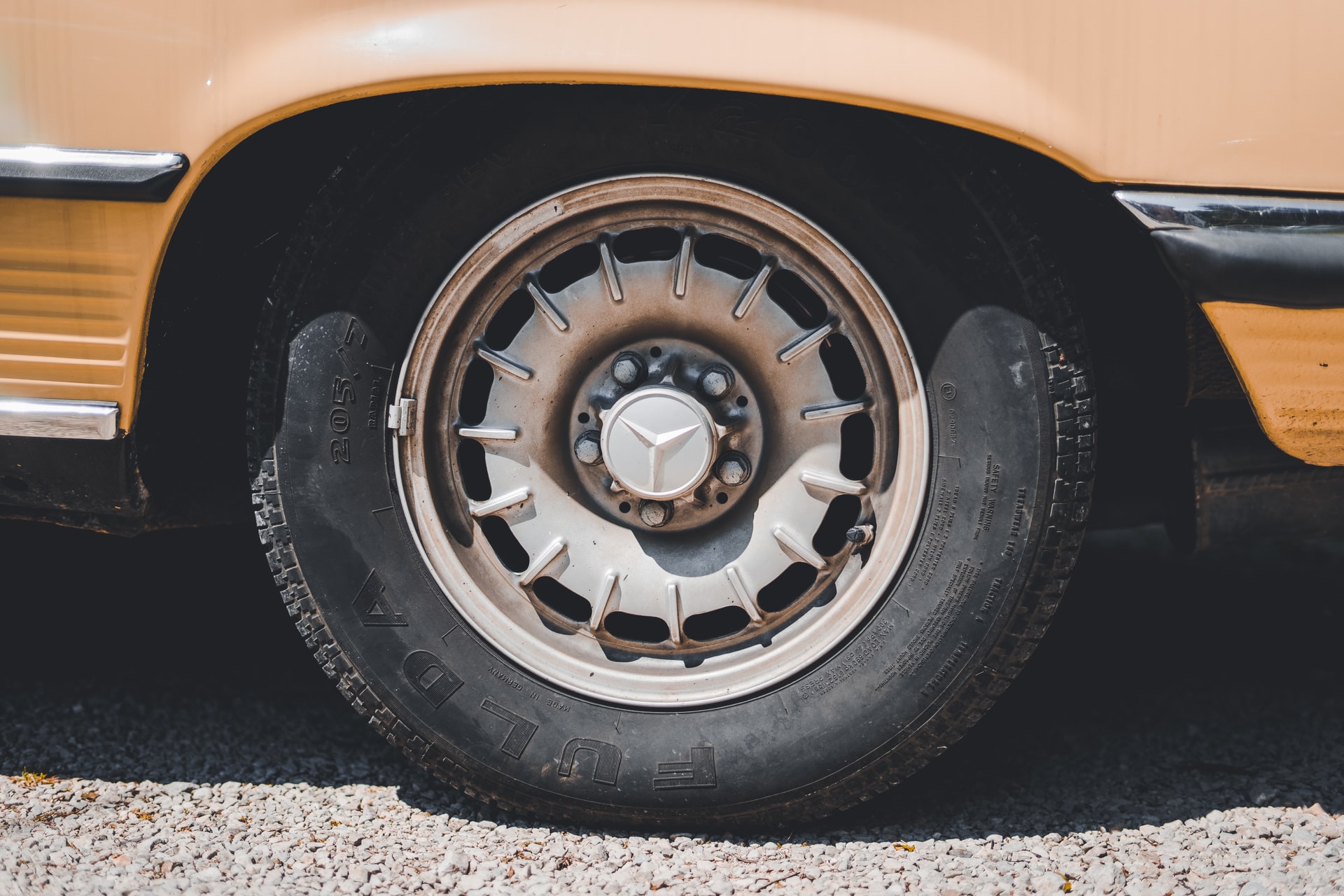
Another important detail is that rubber becomes more flexible in heat. When tires get hot, the rubber stretches slightly, which can allow air molecules to escape faster—especially if your tires are older or have small imperfections. Over weeks or months of hot weather, you might notice your tires losing more pressure than expected.
Underinflation Worsens With Heat
If you start with underinflated tires, heat builds up inside them faster while driving. This extra heat can damage the tire structure, make the rubber softer, and eventually cause even more air to escape. In some cases, this can lead to a dangerous blowout.
Common Causes Of Low Tire Pressure In Hot Weather
It’s not just heat alone that causes problems. Here are the main reasons you might see low tire pressure when the temperature climbs:
- Slow leaks: Small punctures, bad valve stems, or poor seals get worse as tires expand in the heat.
- Rubber aging: Older tires lose flexibility and develop microscopic cracks that leak air faster when hot.
- Improper inflation: Setting pressure when tires are already hot gives a false reading, so they may be underinflated when cool.
- Thermal cycling: Repeated heating and cooling (driving during the day, parking at night) stresses the tire structure, leading to more leaks.
- Road hazards: Hot roads soften rubber, making it easier for nails or debris to penetrate.
What The Data Says
Let’s look at some real numbers to see how much tire pressure can change with temperature:
| Temperature (°F) | Change in Pressure (PSI) | Example: Tire at 32 PSI (cold) |
|---|---|---|
| 40°F | -2 PSI | 30 PSI |
| 70°F | 0 PSI | 32 PSI |
| 100°F | +3 PSI | 35 PSI |
| 120°F (hot road) | +5 PSI | 37 PSI |
These numbers show that tire pressure rises with heat during the day, but over weeks of hot weather, the average pressure may actually drop due to small leaks and rubber expansion.
Why Low Tire Pressure Is Dangerous
Driving with low tire pressure is more than just an inconvenience. Here’s why it’s risky, especially in hot weather:
- Heat buildup: Low pressure means more tire surface touches the road, creating friction and heat. This can damage the tire and lead to blowouts.
- Poor handling: Underinflated tires respond slowly, making steering and braking less effective.
- Worse fuel economy: More rolling resistance means your car works harder and uses more gas.
- Uneven wear: Tires wear out faster on the edges, reducing lifespan and requiring earlier replacement.
In fact, the National Highway Traffic Safety Administration (NHTSA) says that underinflated tires are a leading cause of tire-related crashes each year.
How To Check And Adjust Tire Pressure In Heat
Keeping your tires at the right pressure in hot weather takes a little extra care. Here are some tips:
- Check when tires are cold: Always check pressure before driving, ideally in the morning. Hot tires give a higher reading.
- Use a quality gauge: Cheap gauges can be inaccurate. Invest in a good digital or dial-type gauge.
- Follow the recommended PSI: Use the number on your car’s sticker, not the tire sidewall.
- Adjust for temperature swings: If you live in a place with big temperature changes, check tires more often.
- Don’t let air out after driving: If you see a high reading after a long drive, don’t release air. Let the tires cool and check again.

Credit: www.canadasafetytraining.com
How Heat Differs From Cold Weather Effects
It’s easy to confuse the effects of heat with those of cold. In cold weather, air contracts, so pressure drops and you may get a low tire warning on chilly mornings. In hot weather, pressure rises when driving, but over time, air loss can cause a net decrease, especially if you’re not checking often.
Here’s a quick comparison:
| Weather | Immediate Effect | Long-term Effect |
|---|---|---|
| Cold | Pressure drops as air contracts | Risk of underinflation if not topped up |
| Hot | Pressure rises while driving | Air loss through rubber, leaks, aging |
Steps To Prevent Low Tire Pressure In Heat
To avoid the risks of low tire pressure in hot weather, follow these practical steps:
- Inspect tires regularly: Look for cracks, bulges, or objects stuck in the tread.
- Rotate tires: Even wear helps them stay sealed and reduces weak spots.
- Replace old tires: Rubber loses flexibility over time, making air loss worse.
- Check after temperature changes: After heat waves or sudden cool spells, recheck your tires.
- Keep valve caps on: These small covers prevent dirt and moisture from causing leaks.
- Consider nitrogen: Some drivers use nitrogen instead of air. It leaks more slowly and is less affected by temperature swings, but it’s not a magic solution.
Non-obvious Insights Most Drivers Miss
Many drivers believe that once they set their tire pressure, they can forget about it for months. In reality, tire pressure can change week to week, especially in areas with big temperature swings. Also, most people don’t realize that a tire can lose pressure without any visible damage—slow leaks and air loss through the rubber are normal, especially in hot weather.
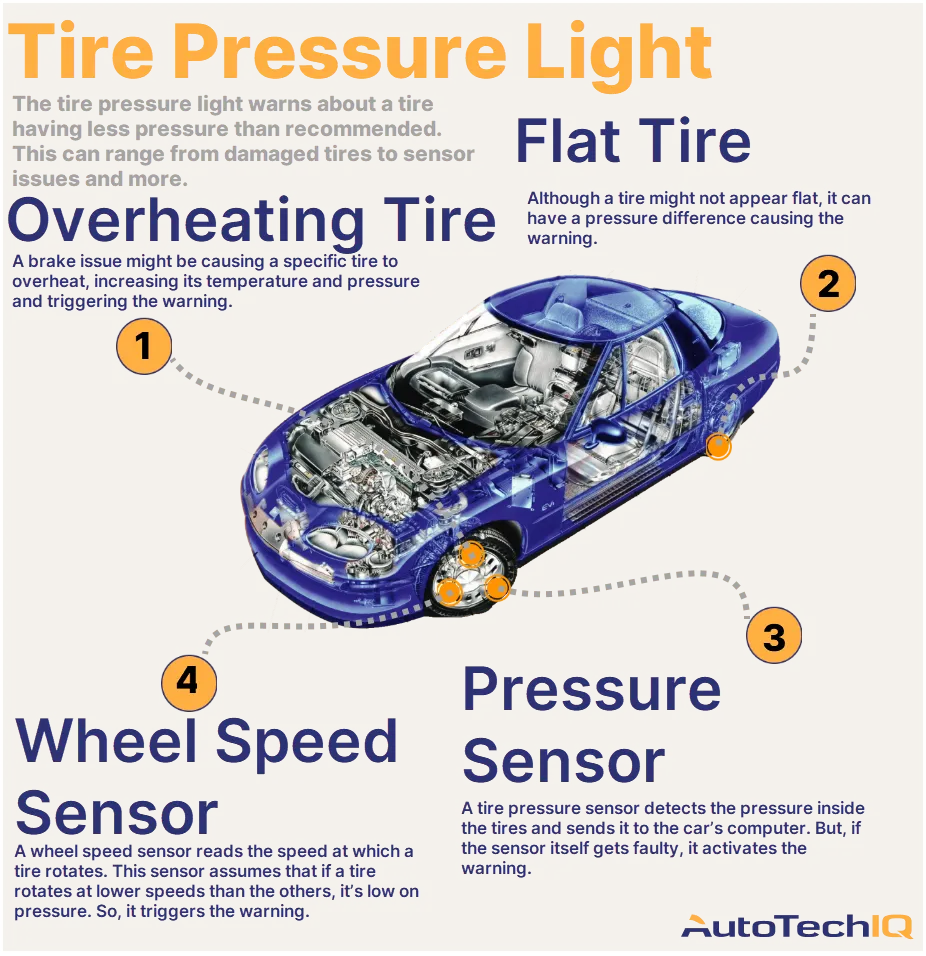
Another point: tire pressure monitoring systems (TPMS) aren’t perfect. They usually only warn you when pressure is very low (often 25% below recommended). By the time you see the light, your tires may already be dangerously underinflated.
When To Seek Professional Help
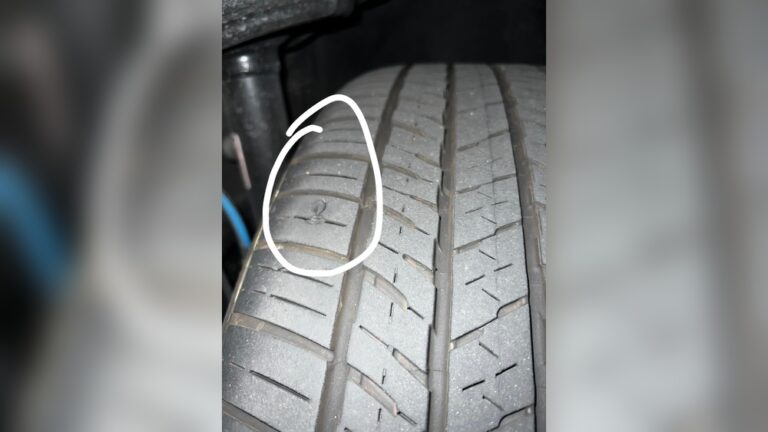
If you notice your tires keep losing pressure, even after topping them up, it’s time to visit a tire shop. They can check for punctures, damaged valves, or aging rubber. Don’t keep driving on a tire that needs air every week—that’s a sign of a bigger problem.
Credit: www.highlandtire.com
Real-world Example
Imagine you park your car in the shade with tires at 32 PSI on a mild morning. Later, you drive several miles on a hot afternoon. The sun heats the pavement to 120°F, and your tire pressure rises to 37 PSI.
You might think everything is fine. But over weeks of hot weather, the rubber expands and contracts daily, and air slowly escapes. You check again after a month, and now the cold tire pressure is 29 PSI—a real safety risk.
Debunking Myths About Tire Pressure And Heat
- Myth: You should release air from hot tires if the pressure is high.
- Fact: Only check and set tire pressure when tires are cold. Releasing air from hot tires can make them dangerously low when cool.
- Myth: Tires only lose air if you have a puncture.
- Fact: All tires lose a little air over time, especially in heat.
- Myth: The number on the tire sidewall is the right pressure.
- Fact: Use the number from your vehicle’s sticker—not the tire—for the correct PSI.
Credit: www.autotechiq.com
The Bottom Line
Heat can absolutely cause low tire pressure, both directly and indirectly. As temperatures rise, the air inside your tires expands, but over time, the combination of expanding rubber, small leaks, and extra stress on the tire structure leads to air loss.
This is why checking your tires regularly in hot weather is so important. Proper tire care keeps you safer, saves you money, and helps you avoid unexpected flats or blowouts.
For more technical details about tire pressure and temperature, you can visit the official NHTSA Tire Safety page.
Frequently Asked Questions
Why Does My Tire Pressure Warning Light Come On During Hot Weather?
The tire pressure warning light (TPMS) can turn on if your tires lose enough air to drop below the recommended level, even in hot weather. Heat can cause air to escape faster through old rubber or small leaks, and thermal expansion can make small issues worse over time.
Should I Adjust My Tire Pressure For Summer Heat?
Always set your tire pressure when the tires are cold, using the recommended PSI from your car’s sticker. Don’t let air out just because the pressure is higher after driving; wait until tires cool before checking.
Can Driving On Underinflated Tires In Heat Cause A Blowout?
Yes, driving on underinflated tires makes them flex more, which builds up heat. Combined with hot weather, this can weaken the tire structure and cause a dangerous blowout, especially at highway speeds.
How Often Should I Check My Tire Pressure In Hot Weather?
In hot weather, check your tire pressure at least once a month, and before long trips. If your area has big temperature swings, check every two weeks. Always check when the tires are cold for the most accurate reading.
Is Nitrogen Better Than Regular Air For Tires In The Heat?
Nitrogen is less affected by temperature changes and leaks more slowly, so it can help keep pressure steadier in hot weather. However, regular air is fine for most people if you check your tires regularly and keep them at the right pressure.
Taking care of your tires in hot weather isn’t difficult, but it does require attention to detail. By understanding how heat affects your tires and following these tips, you’ll drive safer and get the most life from your tires.