Every driver faces tire problems at some point. You might see a warning light on your dashboard or notice your car feels strange while driving. One common issue is low tire pressure. Many people ignore it, thinking it is harmless or they will fix it later. But is it really bad to drive on low tire pressure? The answer is more serious than you might think. Low tire pressure can cause safety risks, damage your tires, and cost you money. Let’s explore why it matters, what happens when you drive with low tire pressure, and how to stay safe on the road.
What Is Low Tire Pressure?
Tire pressure is the amount of air inside your tires, measured in PSI (pounds per square inch). Each vehicle has a recommended PSI, usually between 30 and 35 PSI for passenger cars. You can find this information in your car’s manual or on a sticker inside the driver’s door.
Low tire pressure means the air inside your tires is below the recommended level. It can happen because of:
- Small leaks
- Changes in temperature (air contracts in cold weather)
- Damaged valves
- Punctures
Even a small drop in PSI can affect how your car drives.
Effects Of Driving On Low Tire Pressure
Driving on low tire pressure is more than just a minor inconvenience. It can impact nearly every part of your driving experience.
Reduced Safety
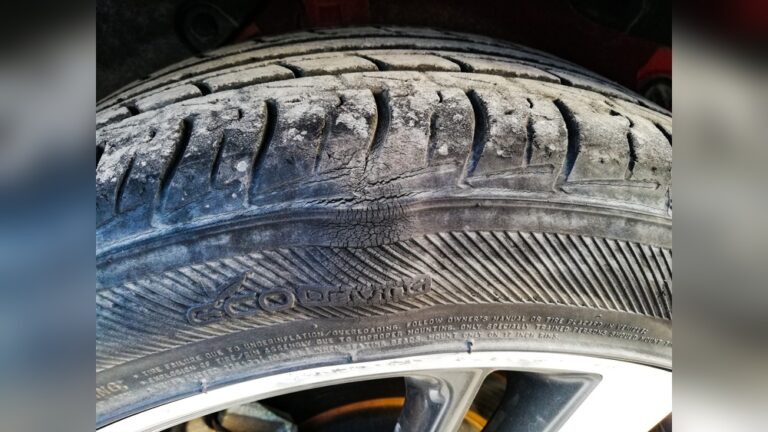
The most important risk is safety. Low tire pressure changes how your tires touch the road. The tire’s shape flattens and the area touching the ground increases. This causes:
- Less control while steering
- Longer stopping distances
- Higher risk of sliding on wet or icy roads
A study by the National Highway Traffic Safety Administration (NHTSA) found that under-inflated tires are linked to over 11,000 crashes per year in the US.
Increased Tire Wear
Tires wear out faster if you drive with low pressure. When a tire is under-inflated, the edges rub against the road more than the center. This uneven wear means you need to replace your tires sooner. According to Goodyear, driving with just 6 PSI below the recommended level can reduce tire life by up to 25%.
Poor Fuel Efficiency
Low tire pressure increases rolling resistance. This means your engine has to work harder to move the car. As a result, you burn more fuel. The US Department of Energy estimates that properly inflated tires can improve gas mileage by about 3%.
Risk Of Tire Blowout
A blowout is when a tire suddenly bursts, often at high speed. Low pressure weakens the tire’s structure and makes blowouts more likely. Blowouts can cause loss of control and serious accidents.
Damaged Wheels And Suspension
Driving with low pressure doesn’t just hurt the tire. It also puts extra stress on your wheels and suspension. The tire can’t absorb shocks from bumps or potholes, so your car’s parts take the impact.
Signs Your Tire Pressure Is Too Low
You don’t need to be a car expert to spot low tire pressure. Here are a few signs:
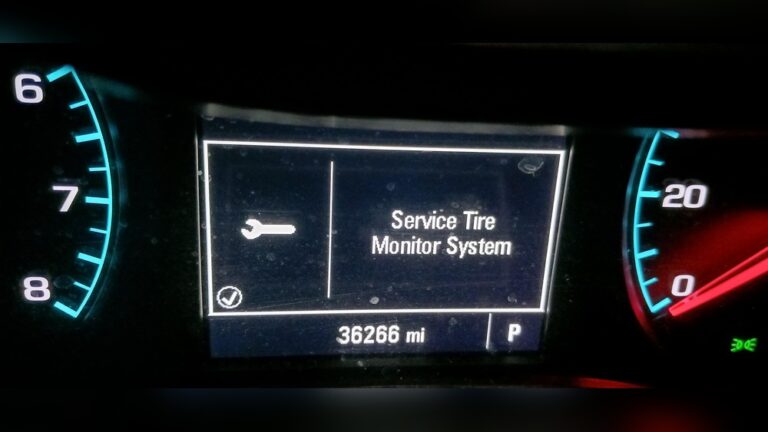
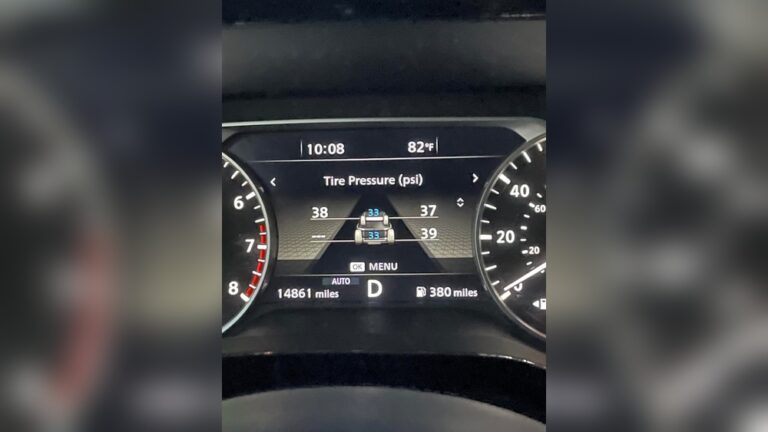
- TPMS Warning Light: Most modern cars have a Tire Pressure Monitoring System (TPMS). If the light comes on, check your tires.
- Car Feels Sluggish: Handling feels heavy, or the car pulls to one side.
- Visible Changes: Tires look flatter than usual, especially at the bottom.
- Unusual Noises: You hear thumping or flapping while driving.
If you notice any of these signs, check your tire pressure as soon as possible.
How Much Is “too Low”?
Not all low pressure is the same. Sometimes it’s just a little below normal, other times it’s dangerously low.
| PSI Level | Description | Risks |
|---|---|---|
| 30-35 PSI | Normal (Most cars) | Safe |
| 25-29 PSI | Slightly low | Reduced fuel efficiency, faster wear |
| 20-24 PSI | Significantly low | Handling problems, risk of blowout |
| Below 20 PSI | Dangerous | High risk of accident, serious tire/wheel damage |
If your tire is below 25 PSI, it’s best to fix it before driving.

Credit: www.canadasafetytraining.com
Why Do People Ignore Low Tire Pressure?
Many drivers don’t realize the risks. Some believe a few PSI difference doesn’t matter. Others don’t check their tires often. Here are some common reasons:
- Lack of knowledge: Not everyone knows what PSI is or why it matters.
- Busy schedule: People are in a hurry and put off fixing their tires.
- No visible damage: If the tire looks OK, they assume it’s safe.
But these mistakes can lead to costly repairs or dangerous situations.
How To Check And Fix Tire Pressure
Checking tire pressure is easy. You need a tire pressure gauge (digital or manual). Most gas stations have them.
- Remove the cap from your tire’s valve.
- Press the gauge onto the valve.
- Read the PSI number.
- If it’s low, use an air pump to add air.
- Check again to make sure it’s correct.
- Replace the valve cap.
It’s best to check your tires once a month and before long trips.
Comparing Manual And Automatic Tire Pressure Monitoring
Some cars have automatic systems, while others require manual checks.
| Method | Pros | Cons |
|---|---|---|
| Manual (gauge) | Cheap, accurate, works on any tire | Needs regular checks, easy to forget |
| TPMS (automatic) | Alerts you instantly, saves time | Can fail, may not show exact PSI |
Don’t rely only on your car’s system. Always check manually if possible.
Real-life Examples: Why Low Tire Pressure Is Dangerous
Let’s look at a few real-life situations:
- Long Highway Trips: A family drives with low tire pressure and suffers a blowout, causing an accident. The tire was only 10 PSI under the recommended level.
- Winter Driving: In cold weather, tire pressure drops naturally. A commuter ignores the warning light, skids on icy roads, and hits a guardrail.
- Heavy Loads: A delivery truck carries extra weight. Low tire pressure leads to tire failure and delays.
These examples show how simple mistakes can have big consequences.
How Low Tire Pressure Costs You Money
Driving on low pressure doesn’t just hurt safety—it hurts your wallet.
- Frequent tire replacements: Uneven wear means buying new tires sooner.
- Poor gas mileage: You spend more money at the pump.
- Repairs: Damaged wheels and suspension cost hundreds or even thousands to fix.
- Insurance claims: Accidents caused by blowouts raise your insurance premiums.
A small investment in a tire gauge and regular checks can save you a lot over time.
Tire Pressure And Weather Changes
Weather affects tire pressure. Air contracts in cold weather, so pressure drops. In hot weather, air expands, increasing pressure.
| Weather | Pressure Change | Advice |
|---|---|---|
| Cold | Pressure drops (about 1 PSI for every 10°F decrease) | Check tires more often |
| Hot | Pressure increases | Don’t over-inflate |
Always adjust tire pressure for the season. Many beginners forget this, but it’s one of the main reasons for unexpected low pressure.
Common Mistakes When Handling Low Tire Pressure
Even careful drivers make errors. Here are a few mistakes to avoid:
- Ignoring the warning light: Never assume the system is faulty.
- Filling tires “by eye”: Tires can look fine even when under-inflated.
- Over-inflating: Too much air is also dangerous—follow the recommended PSI.
- Not checking all tires: Some people only check the front or rear.
- Using cheap gauges: Low-quality gauges can give wrong readings.
A good routine is to check all four tires, use a reliable gauge, and follow your car’s guidelines.

Credit: www.wikihow.com
How Often Should You Check Tire Pressure?
Experts recommend checking tire pressure:
- Once a month
- Before long trips
- When the weather changes quickly
- If you see the TPMS warning light
If you drive often or carry heavy loads, check more frequently. Many new drivers overlook regular checks, but they are key for safety.
What If You Have To Drive With Low Tire Pressure?
Sometimes, you can’t avoid driving with low pressure. Maybe you’re far from a gas station, or you discover a flat tire in an emergency.
Here’s what you should do:
- Drive slowly: Reduce speed to lessen the risk of a blowout.
- Avoid sharp turns and hard braking: These stress the tire more.
- Go straight to the nearest service station: Don’t delay.
- Check for damage: After filling the tire, inspect it for cuts or bulges.
If the tire is very low (below 20 PSI), it’s safer to call for roadside help.
How To Prevent Low Tire Pressure
Prevention is easier than repair. Here are practical tips:
- Buy a quality tire gauge: Keep it in your car.
- Check tires regularly: Set a reminder on your phone.
- Learn your car’s PSI: Don’t guess.
- Inspect tires for damage: Look for nails, cracks, or leaks.
- Replace old tires: Tires lose air faster as they age.
- Check after temperature changes: Especially in winter and summer.
Many drivers don’t realize that even new tires can lose air. Make it part of your routine.
Expert Recommendations
Car experts and tire manufacturers agree: driving on low tire pressure is dangerous and costly. The best practice is to check tires often, fix problems quickly, and never ignore warning signs.
If you want more details, check official resources like the National Highway Traffic Safety Administration.

Credit: www.canadasafetytraining.com
Frequently Asked Questions
What Is The Ideal Tire Pressure For Most Cars?
The ideal tire pressure for passenger cars is usually 30-35 PSI. Always check your car’s manual or the sticker inside the driver’s door for the exact number.
How Much Can Low Tire Pressure Affect Fuel Efficiency?
Driving with tires just 5 PSI below the recommended level can decrease fuel efficiency by up to 10%. This means you spend more money on gas and produce more emissions.
Can Low Tire Pressure Cause A Blowout?
Yes, low tire pressure weakens the tire’s structure and increases the risk of a blowout—especially at high speed or with heavy loads.
How Do I Know If My Tire Pressure Is Too Low?
Look for signs like the TPMS warning light, sluggish handling, or visibly flat tires. Use a tire gauge to check the PSI regularly.
Is It Safe To Drive With Slightly Low Tire Pressure?
It’s best to avoid driving with low tire pressure, even if it’s just a few PSI below normal. It can still cause uneven wear, poor fuel efficiency, and increase accident risk.
Driving on low tire pressure is a risk you don’t need to take. It affects your safety, your wallet, and the lifespan of your tires. With a simple routine and a bit of attention, you can avoid the dangers and keep your car running smoothly.
Make tire pressure checks a habit—your safety depends on it.