If you are searching for the difference between 45 vs 50 tire, you likely want to understand how the tire’s aspect ratio—45 or 50—affects your car. Many drivers see these numbers on their tire sidewall but don’t know what they really mean. Choosing between 45 and 50 tires can impact your driving comfort, handling, speedometer accuracy, and even fuel economy. This guide will break down all 45 key comparisons, cover practical examples, and help you decide which tire aspect ratio is best for your needs. Whether you are upgrading your wheels, replacing worn tires, or simply curious, you will find clear answers below.
What Does 45 And 50 Mean In Tires?
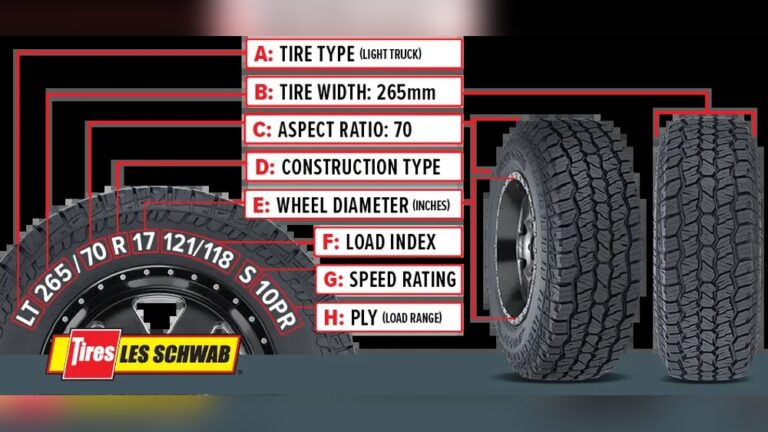
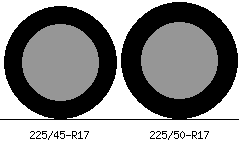
The numbers 45 and 50 refer to the aspect ratio of a tire. It’s the height of the tire’s sidewall as a percentage of its width. For example, a 225/45R17 tire has a sidewall height that is 45% of 225 mm (the tire’s width). A 225/50R17 tire has a sidewall height that is 50% of 225 mm.
- 45 tire: Lower profile, shorter sidewall
- 50 tire: Higher profile, taller sidewall
This small difference changes the tire’s look, ride, and performance. Let’s explore all 45 key differences and points to help you decide.
45 Vs 50 Tire: The 45 Essential Comparisons
1. Sidewall Height
A 45 tire has a shorter sidewall than a 50 tire. For a 225 mm wide tire, the 45 tire’s sidewall is 101.25 mm high, while the 50 tire’s is 112.5 mm. This affects both appearance and ride.
2. Ride Comfort
Taller sidewalls on 50 tires absorb bumps better. The extra rubber acts as a cushion, making the ride smoother, especially on rough roads.
3. Handling
Shorter sidewalls on 45 tires make the tire stiffer, improving cornering and handling. They are preferred for sporty driving.
4. Appearance
45 tires look sportier and more aggressive. The lower profile makes wheels appear larger and gives the car a performance look.
5. Wheel Protection
50 tires provide more protection for your wheels. The higher sidewall absorbs impacts, reducing the risk of rim damage from potholes.
6. Tire Wear
Lower profile 45 tires may wear faster on the edges, especially if driven hard. 50 tires distribute load more evenly, often lasting longer.
7. Road Noise
Shorter sidewalls on 45 tires transmit more road noise into the cabin. 50 tires are quieter, thanks to extra rubber dampening vibrations.
8. Price
45 tires are usually more expensive than 50 tires because they are often made for performance vehicles. However, prices can vary depending on brand and market.
9. Fuel Economy
Taller sidewalls on 50 tires can increase rolling resistance slightly, lowering fuel economy. The difference is small but noticeable over time.
10. Speedometer Accuracy
Switching from a 50 tire to a 45 tire changes the overall diameter, affecting speedometer readings. The car may show a slightly higher speed than actual.
11. Load Capacity
50 tires can carry more weight, thanks to their taller sidewall. This is important for heavy vehicles or those carrying large loads.
12. Suitability For Sports Cars
45 tires are ideal for sports cars and performance sedans. They offer precise steering and fast response.
13. Suitability For Suvs
50 tires are better for SUVs and crossovers, which need more comfort and wheel protection.
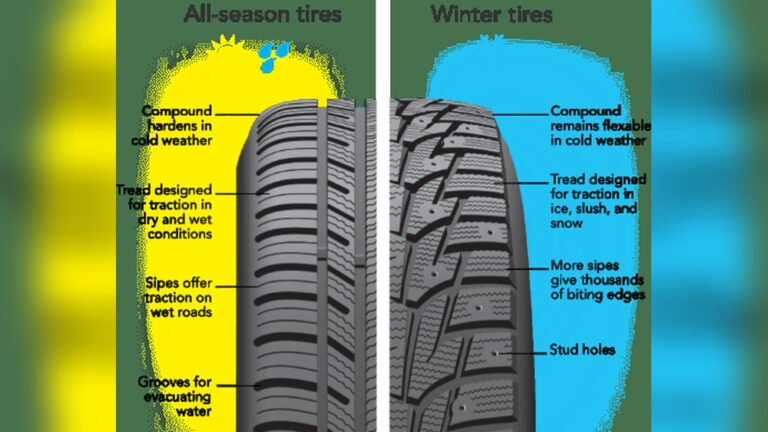
14. Winter Performance
50 tires work better in winter, as the taller sidewall flexes more, improving grip on snow and ice.
15. Summer Performance
45 tires excel in summer, providing better traction and less flexing during aggressive driving.
16. Hydroplaning Resistance
Taller sidewalls on 50 tires can help channel water away, improving resistance to hydroplaning.
17. Dry Grip
45 tires offer better dry grip because of their stiffer construction.
18. Wet Grip
50 tires sometimes perform better in wet conditions due to more flexible sidewalls and larger contact area.
19. Braking Distance
45 tires can have slightly shorter braking distances on dry pavement thanks to their rigidity.
20. Acceleration
With less flex, 45 tires transfer power to the road more efficiently, improving acceleration.
21. Wheel Size Compatibility
45 tires are designed for larger wheels (17 inches and above). 50 tires fit smaller wheels (15–17 inches).
22. Suspension Impact
Shorter sidewalls on 45 tires put more stress on suspension parts. 50 tires absorb shocks, reducing wear on suspension.
23. Tire Flex
50 tires flex more, which can be good for comfort but bad for precision handling.
24. Suitability For Tuning
45 tires are preferred for car tuning and customization because they offer a sporty look.
25. Suitability For Family Cars
50 tires are better for family cars, providing more comfort and safety.
26. Heat Dissipation
45 tires tend to dissipate heat faster, which is important for high-speed driving.
27. Rolling Resistance
50 tires have slightly higher rolling resistance, which affects fuel consumption.
28. Cornering Stability
45 tires provide better cornering stability due to less flex.
29. Tire Pressure Sensitivity
45 tires are more sensitive to changes in tire pressure; slight changes affect performance noticeably.
30. Tire Rotation And Alignment
50 tires are easier to align and rotate because they are more forgiving with wear patterns.
31. Off-road Capability
50 tires can handle mild off-road conditions better, thanks to their higher sidewall.
32. Urban Driving
50 tires are ideal for city driving, absorbing potholes and speed bumps.
33. Highway Driving
45 tires are better for highways, offering stability at high speeds.
34. Impact On Vehicle Height
50 tires can raise the vehicle slightly, which may help with ground clearance.
35. Customization Options
There are more 45 tire options in the performance and tuning market.
36. Replacement Availability
50 tires are easier to find in most markets and tend to be more widely available.
37. Tire Construction
45 tires often use advanced materials for performance. 50 tires rely on standard construction.
38. Wheel Well Fitment
50 tires may rub in tight wheel wells if upsized; 45 tires are less likely to cause fitment issues.
39. Insurance Impact
Some insurers may increase rates for 45 tires due to higher risk and cost.
40. Resale Value
Cars with 50 tires appeal to a wider market, possibly improving resale value.
41. Tire Brand Choices
More brands offer 50 tire options for family and daily-use cars.
42. Safety Ratings
50 tires often receive higher safety ratings for regular use.
43. Environmental Impact
45 tires use less rubber but may wear faster, creating more waste.
44. Durability
50 tires generally last longer due to their thicker sidewalls.
45. Compatibility With Tire Pressure Monitoring Systems
Both 45 and 50 tires work with TPMS, but 45 tires require more frequent monitoring.
Real-world Examples And Data
To understand the difference in numbers, let’s look at actual tire measurements.
| Size | Width (mm) | Aspect Ratio | Sidewall Height (mm) | Wheel Diameter (in) | Overall Diameter (mm) |
|---|---|---|---|---|---|
| 225/45R17 | 225 | 45 | 101.25 | 17 | 634.25 |
| 225/50R17 | 225 | 50 | 112.5 | 17 | 647.0 |
The 225/45R17 tire has a sidewall height of 101.25 mm. The 225/50R17 tire’s sidewall is 112.5 mm. The overall diameter difference is about 13 mm, which can affect speedometer readings and ride quality.
Impact On Driving Experience
Comfort Vs Performance
Choosing between 45 and 50 tires often comes down to what you value more: comfort or performance. If you drive long distances or on rough roads, a 50 tire will make your ride smoother. If you prefer sporty driving and tight handling, a 45 tire is a better choice.
Aesthetic Differences
The look of your car changes with different aspect ratios. Lower profile 45 tires make wheels stand out. They attract car enthusiasts who want their vehicle to look fast and modern. 50 tires look more traditional, fitting standard sedans and SUVs.
Practical Differences
Let’s compare how these tires perform in different situations.
| Scenario | 45 Tire | 50 Tire |
|---|---|---|
| Pothole Impact | More risk to rim | Better protection |
| Cornering | Sharp, stable | More flex, less precision |
| Family Use | Less comfort | Smoother ride |
| Sports Car | Ideal | Acceptable |
| Off-road | Not recommended | Possible |
Credit: www.tacomaworld.com
Tire Sizing: Why Small Changes Matter
Changing from a 50 tire to a 45 tire affects your car’s performance more than most drivers expect. Even a 5% change in aspect ratio changes sidewall height by over 10 mm for typical tire sizes. This can:
- Make the car sit lower or higher
- Change speedometer readings
- Affect gear ratios slightly
- Change the way your suspension works
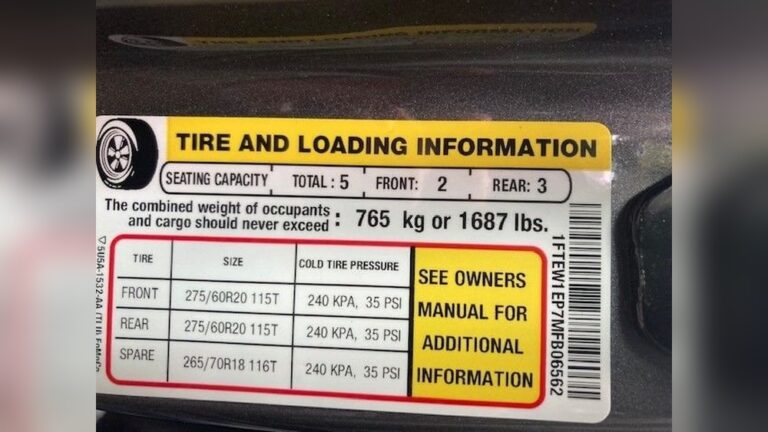
Tip: Always check your car manufacturer’s recommended tire sizes before switching.
Speedometer And Odometer Impact
When you switch aspect ratios, your speedometer may become less accurate. Here’s a quick example:
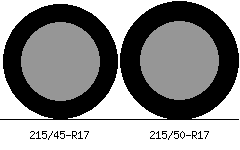
If your car originally used 225/50R17 tires, and you switch to 225/45R17, your speedometer may show a higher speed than you are actually traveling. This happens because the tire’s overall diameter is smaller.
- Actual speed: 60 mph
- Speedometer shows: 61 mph
The difference is small but important, especially for highway driving or if you want to keep mileage accurate.
Credit: www.tacomaworld.com
Tire Life And Maintenance
45 tires often need more frequent checking. Because they are lower profile, they are less forgiving with potholes and bumps. 50 tires are more robust, lasting longer under normal conditions.
Here’s a comparison table for maintenance:
| Aspect Ratio | Expected Life (km) | Maintenance Frequency | Damage Risk |
|---|---|---|---|
| 45 | 40,000–50,000 | High | High |
| 50 | 50,000–60,000 | Medium | Low |
Common Mistakes When Choosing Tires
Many drivers make errors when switching between 45 and 50 tires:
- Ignoring wheel size: Not all wheels can fit both aspect ratios.
- Overlooking speedometer error: Failing to adjust for speed changes.
- Skipping alignment: Not aligning wheels after changing tire size.
- Using wrong tire pressure: 45 tires need higher pressure for best performance.
- Choosing based on looks only: Performance and safety matter more than appearance.
Non-obvious Insights For Beginners
Many beginners focus only on price or looks. Here are two important points most miss:
- Insurance and resale: Using a non-standard tire can affect insurance claims and resale value.
- Suspension compatibility: Lower profile tires (45) can strain your suspension. If your car isn’t designed for them, you may face expensive repairs.
Recommendations: Which Tire Should You Choose?
If your main goal is comfort and daily use, go for a 50 tire. It will make your ride smoother, protect your wheels, and last longer.
If you want performance, sharper handling, and a sporty look, choose a 45 tire. Just be ready for a rougher ride and higher maintenance.
Some cars can use both, but always check your owner’s manual and consult a tire expert before making changes.
For more technical information about tire sizing, visit Wikipedia.
Credit: www.miataturbo.net
Frequently Asked Questions
What Is The Main Difference Between A 45 And 50 Tire?
The main difference is the sidewall height. A 45 tire has a shorter sidewall, making it sportier but less comfortable. A 50 tire has a taller sidewall, making it more comfortable but less precise in handling.
Will Changing From A 50 To A 45 Tire Affect My Speedometer?
Yes, changing to a 45 tire will make your speedometer read slightly higher than your actual speed. The difference depends on the exact tire size, but it’s usually about 1–2 mph.
Are 45 Tires Better For Sports Cars?
Yes, 45 tires are better for sports cars because they improve handling, cornering, and response. They are preferred for performance vehicles.
Do 50 Tires Last Longer Than 45 Tires?
Generally, 50 tires last longer because their taller sidewalls absorb more impact and distribute wear more evenly.
Can I Replace My 50 Tire With A 45 Tire Without Changing My Wheels?
It depends on your wheel size and car model. If your wheels are compatible and the overall diameter doesn’t change much, you can switch. Always check your car manual and ask a tire specialist before changing.
Final Thoughts
Choosing between 45 vs 50 tires is about finding the right balance for your needs. Each aspect ratio offers unique benefits. The 45 tire gives you sporty handling and looks, while the 50 tire delivers comfort and durability. Consider your driving style, car type, and local road conditions before making a decision. If you’re unsure, talk to a tire expert or check your car manufacturer’s recommendations. With the right tire, your car will perform better, stay safer, and give you the driving experience you want.