Absolutely, here’s a comprehensive and detailed article comparing 285 and 265 tires, covering all key aspects, features, pros and cons, and typical use cases. This article is written in a calm, expert style to help you understand everything you need before choosing between these two tire sizes.
—
285 Vs 265 Tires: Everything You Need To Know
Choosing the right tire size for your car, SUV, or truck is more important than many people think. The numbers on your tire—like 285 or 265—aren’t just random. They affect how your vehicle performs, how comfortable your ride feels, and even how much you spend on fuel.
If you’re trying to choose between 285 and 265 tires, you probably have some questions. This guide will give you clear answers, practical advice, and a complete look at the differences between these two popular tire sizes.
What Do 285 And 265 Mean?
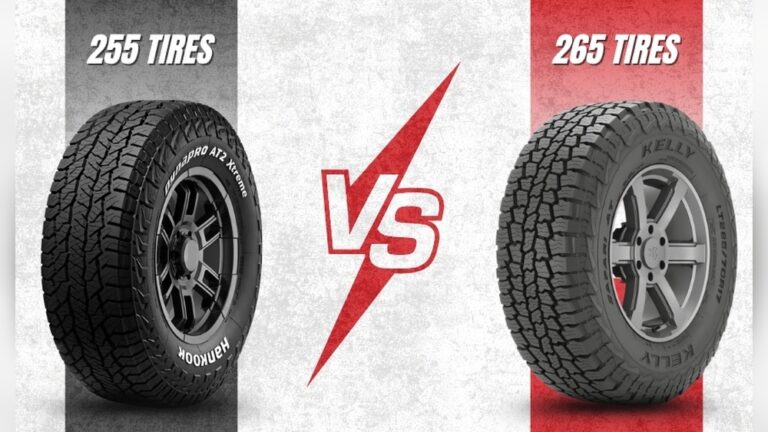
Before diving into the differences, it’s important to understand what these numbers mean. Both 285 and 265 are the section widths of the tire, measured in millimeters. A 285 tire is 285 mm wide, while a 265 tire is 265 mm wide.
That’s a difference of 20 mm, which may sound small, but it can make a noticeable difference in how your vehicle handles and looks.
But tire size isn’t just about width. Usually, tires have a size label like 285/70R17 or 265/70R17. The first number is the width, the second number is the aspect ratio (sidewall height as a percentage of the width), and the last is the wheel diameter in inches.
For this article, let’s focus mainly on the width, but remember that the aspect ratio and rim size also play a role in performance.
Key Differences Between 285 And 265 Tires
1. Width
- 285 tires are wider by 20 mm than 265 tires. This extra width means more rubber touches the road.
- 265 tires are narrower, which can make a difference in certain driving situations.
Why Does This Matter?
A wider tire (285) often provides more grip, especially on dry roads or off-road surfaces. This is because there’s more contact area with the ground. However, a wider tire can also create more rolling resistance, which may affect fuel economy.
2. Appearance
- 285 tires give your vehicle a more aggressive, bold look. They often fill out the wheel wells more, which many truck and SUV owners prefer for aesthetics.
- 265 tires look closer to the factory or original equipment size on most vehicles. They tend to look more streamlined and may appeal to people who prefer a classic or less aggressive style.
Some drivers upgrade to 285 tires mainly for appearance, while others stick to 265 for a more “factory” look.
3. Handling And Performance
- 285 tires generally offer better cornering and grip, especially when driving on dry or loose surfaces. This is due to their wider tread.
- 265 tires can provide more precise steering feel, especially on-road. Because they are narrower, there’s less sidewall flex and the tire responds slightly faster to steering input.
Important Note:
Wider tires can sometimes “float” more on loose surfaces like snow or sand, but they may also struggle to cut through deep snow or mud compared to narrower tires.
4. Ride Comfort
- 285 tires may feel stiffer, especially if you have to use a lower-profile aspect ratio to fit them under your vehicle. This can make the ride feel a bit rougher, especially over bumps.
- 265 tires often provide a smoother ride, especially on pavement. Because the sidewall can be slightly taller, it absorbs bumps and road imperfections better.
5. Fuel Economy
- 285 tires usually have higher rolling resistance. This means your engine has to work harder to move the vehicle, leading to lower miles per gallon (MPG).
- 265 tires are typically more fuel-efficient. The narrower width means less resistance and better mileage.
Real-world Example:
Some truck owners report a decrease of 1-2 MPG after switching from 265 to 285 tires. While this may not seem like much, it adds up over time, especially if you drive a lot.
6. Speedometer And Odometer Accuracy
Changing tire size can affect your speedometer and odometer readings.
- If you use 285 tires with the same aspect ratio and rim size as your original 265 tires, your speedometer may read lower than your actual speed.
- This is because the overall diameter of the tire increases with width (if the aspect ratio stays the same).
Solution:
You can use an online tire size calculator to check the difference in circumference and adjust your expectations. In some cases, you may need to recalibrate your speedometer.
7. Load Capacity
Both 285 and 265 tires come in different load ratings. Generally, the width alone does not determine load capacity; it’s the combination of width, aspect ratio, construction, and load index. However, wider tires often have higher load ratings, which can be useful if you carry heavy loads or tow trailers.
8. Off-road Vs On-road Use
- 285 tires are often preferred for off-road vehicles because the extra width gives better flotation over sand or loose surfaces. They can also help with grip on rocks or muddy trails.
- 265 tires are better suited for mixed use or mostly on-road driving. They handle well on pavement and can still perform off-road, but may not offer as much grip in deep mud or sand.
Insider Tip:
If you do a lot of off-roading, pay attention not only to width but also to tread pattern, sidewall strength, and tire brand.
9. Cost
- 285 tires are usually more expensive than 265 tires. The price difference can be $10–$40 more per tire, depending on the brand and model.
- If you upgrade to 285 tires, you may also need new wheels (rims) if your current ones are too narrow.
Additional Costs:
Wider tires can sometimes require modifications to your vehicle, such as trimming fender liners or installing lift kits to prevent rubbing.
Pros And Cons Of 285 Tires
Pros
- More aggressive appearance
- Increased grip and traction, especially off-road
- May improve cornering stability
- Higher load ratings available
- Better flotation on soft surfaces
Cons
- Lower fuel economy due to higher rolling resistance
- Increased risk of rubbing or clearance issues, especially on stock suspension
- More expensive to buy and maintain
- Can make steering heavier, especially at low speeds
- May worsen performance in deep snow or mud compared to narrower tires
Pros And Cons Of 265 Tires
Pros
- Better fuel economy
- Smoother, quieter ride on pavement
- Less chance of rubbing or needing suspension modifications
- Lower cost (tire and possible wheel savings)
- Good all-around performance for mixed driving
Cons
- Less aggressive look
- May not grip as well off-road or during hard cornering
- Lower load ratings in some cases
- May not fill out the wheel wells as much (aesthetic preference)
Typical Use Cases
When To Choose 285 Tires
- You have a lifted truck or SUV and want a bold, aggressive look
- You do a lot of off-roading, especially on sand, rocks, or loose surfaces
- You need maximum grip for towing or heavy hauling
- You’re okay with a small drop in fuel economy and possibly a stiffer ride
When To Choose 265 Tires
- You drive mostly on pavement or do highway commuting
- You want the best possible fuel economy
- You prefer a smoother, quieter ride
- You don’t want to modify your vehicle’s suspension or body
- You want to keep costs down
Common Mistakes When Upgrading Tire Size
- Ignoring clearance: Wider tires may rub against suspension parts or fenders, especially when turning or going over bumps. Always check your vehicle’s maximum tire width before buying.
- Forgetting about the speedometer: As mentioned earlier, changing tire size can throw off your speedometer. Always check the overall diameter and recalibrate if needed.
- Not upgrading wheels: Some wheels are too narrow for 285 tires. Using a wide tire on a narrow rim can cause poor tire wear and unsafe handling.
- Overlooking load rating: Make sure your new tires can handle the weight of your vehicle and any loads you carry.
- Neglecting driving habits: If you rarely go off-road, you might not benefit from a wider tire and may lose out on comfort or fuel savings.
How To Measure And Compare Tire Sizes
To truly compare 285 and 265 tires, look at all three numbers on the tire:
- Width (in millimeters): 285 vs 265
- Aspect ratio: For example, 70 means the sidewall is 70% of the width.
- Rim size: Usually 16″, 17″, 18″, or 20″
For example:
- 285/70R17: 285 mm wide, 70% aspect ratio, fits 17″ wheel
- 265/70R17: 265 mm wide, 70% aspect ratio, fits 17″ wheel
You can use an online tire size calculator to see the actual differences in diameter, circumference, and revolutions per mile. Even a small change in width can affect the overall tire height if the aspect ratio stays the same.
Quick Comparison For 70 Aspect Ratio:
- 285/70R17: About 32.7″ tall, 11.2″ wide
- 265/70R17: About 31.6″ tall, 10.4″ wide
So, the 285 tire is about 1. 1″ taller and 0. 8″ wider, which may seem small, but makes a noticeable difference in appearance and performance.
Impact On Vehicle Systems
Braking
Wider tires can improve braking on dry roads due to the extra grip, but they can sometimes hydroplane more easily in heavy rain if the tread design is not optimized for water evacuation.
Suspension And Steering
Heavier and wider tires add unsprung weight, which can stress your suspension and steering components over time. If you go much wider than stock, consider upgrading ball joints, tie rods, or shocks as needed.
Transmission And Gearing
If you increase the overall tire diameter (not just width), your engine may have to work harder to turn the wheels, especially at low speeds. This can affect acceleration and may require changing axle gear ratios for optimal performance, especially on older or heavily modified trucks.
Real-world Experiences
Off-road Trucks
Many off-road enthusiasts switch to 285 tires for the increased grip and more commanding stance. They report better traction on rocks and sand, but sometimes mention a loss in fuel economy and a need for a slight lift to avoid rubbing.
Daily Drivers
Drivers who keep 265 tires often appreciate the comfortable ride and lower running costs. They notice better handling in wet or snowy conditions and rarely have issues with tire rub or suspension wear.
Towing And Heavy Loads
Some truck owners towing trailers or carrying heavy loads prefer 285 tires with a higher load rating. The extra width helps distribute the weight and can improve stability, especially on uneven surfaces.
Can You Switch Between 285 And 265 Tires?
In many cases, you can switch between these sizes, but you need to check three things:
- Wheel width: Your wheels need to be wide enough for a 285 tire. Most 17×7.5″ or 17×8″ wheels can fit 265 tires easily, but 285 tires often need at least 8.5″ wide wheels.
- Suspension clearance: Make sure there’s enough space in your wheel wells to avoid rubbing.
- Speedometer recalibration: If the overall diameter changes, consider recalibrating your speedometer for accuracy.
If you’re not sure, check your vehicle’s manual or talk to a trusted tire shop.
Two Insights Most People Miss
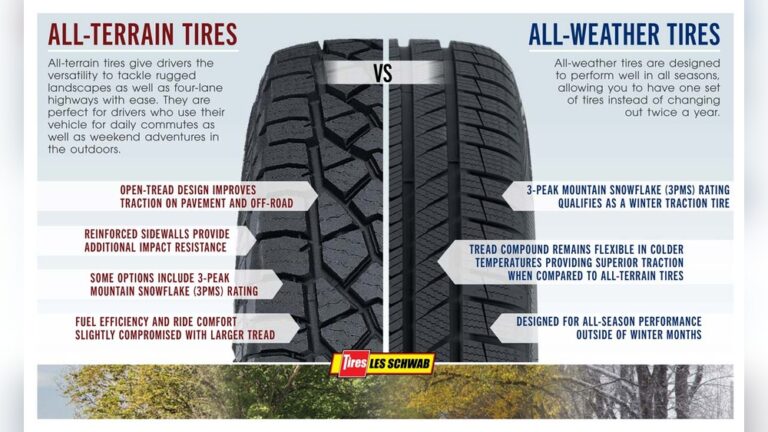
- Tread pattern matters as much as width. A 265 tire with an aggressive mud-terrain tread can outperform a 285 all-terrain tire off-road. Always match tread design to your driving needs, not just width.
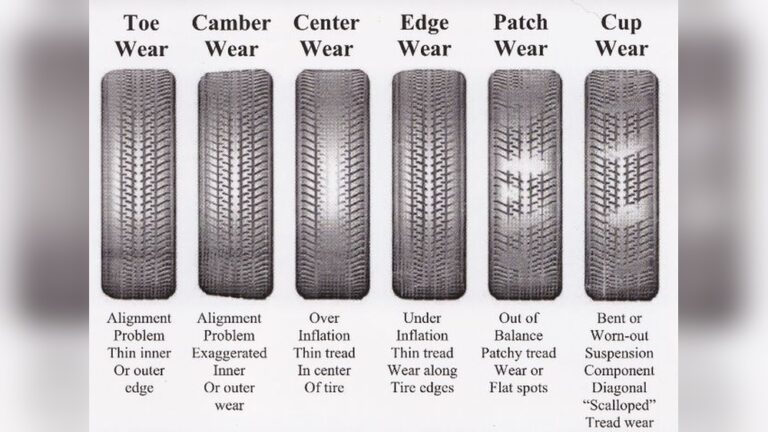
- Rotating larger, heavier tires is essential. Wider tires wear differently and put more stress on suspension. Regular tire rotation (every 5,000–7,000 miles) keeps them wearing evenly and extends their life.
Final Tips For Choosing
- If you want a bold look and do a lot of off-roading, 285 may be worth the extra cost.
- If you value comfort, fuel economy, and lower maintenance, 265 is usually the smarter choice.
- Don’t forget about the total package: Tire width, aspect ratio, wheel size, tread pattern, and load rating all matter.
Where To Learn More
For more technical information about tire sizing and vehicle fitment, the [Tire Rack website](https://www.tirerack.com/tires/tiretech/techpage.jsp?techid=46) is a trusted resource.
—
Choosing between 285 and 265 tires isn’t just about numbers. It’s about what you need from your vehicle, your driving habits, and your budget. With the right information, you can make a confident choice that fits your lifestyle.