Winter driving often brings a serious question: Should you use Blizzak tires or studded tires? Both options are made for ice, snow, and cold conditions, but they are very different. Picking the right tire is not just about grip—it affects your safety, comfort, and even your wallet. Many drivers struggle to decide, especially if they are new to winter roads or live in places with harsh weather. This article will help you understand every angle: performance, cost, legality, noise, and more. You will see real-world examples and data, not just basic facts. By the end, you will know which tire fits your needs best—and why.
What Are Blizzak Tires?
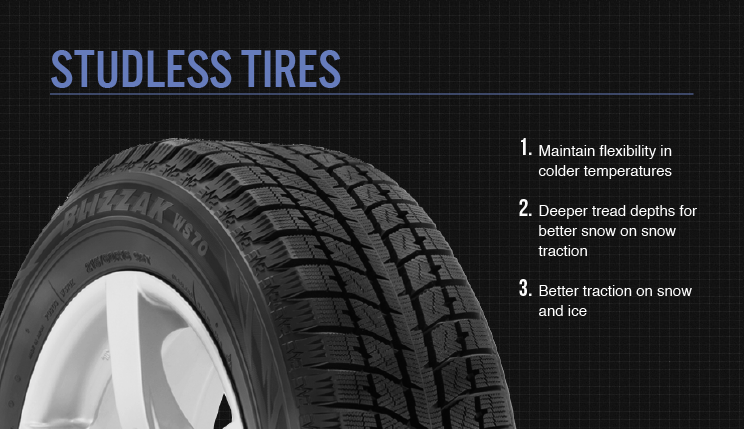
Blizzak tires are a popular brand of winter tires made by Bridgestone. These tires use special rubber and tread patterns to grip icy and snowy roads. They do not have metal studs. Instead, the rubber is designed to stay soft in cold temperatures, which helps the tire stick to slippery surfaces. The tread has deep grooves and small cuts called sipes, which help remove water and snow from under the tire.
Blizzak tires are famous for their performance in winter. Many drivers say they feel safer and more comfortable with Blizzaks compared to regular tires. Bridgestone started making Blizzak tires in the late 1980s, and since then, they have become a top choice for winter driving in North America, Europe, and Japan.
What Are Studded Tires?
Studded tires have small metal pins (studs) embedded in the tread. These studs dig into ice and packed snow, giving extra grip. Studded tires are usually made for the worst winter conditions, especially where icy roads are common. The studs are made of steel or tungsten and stick out slightly from the tire surface.
Studded tires were first used in Scandinavia, where icy roads are a big problem. Today, they are still popular in places with long, harsh winters. Some regions limit or ban studded tires because they can damage roads. When allowed, studded tires give unmatched grip on ice—but they have some downsides too.
Blizzak Tires Vs Studded Tires: Key Differences
Let’s look closely at how Blizzak tires and studded tires compare. This section covers grip, comfort, cost, noise, and more.
| Feature | Blizzak Tires | Studded Tires |
|---|---|---|
| Grip on Ice | Very good, but not as strong as studs | Excellent, best for thick ice |
| Grip on Snow | Excellent | Very good |
| Grip on Wet Roads | Good | Fair (can slip if not icy) |
| Noise | Quiet | Loud, clicking sound |
| Comfort | Smooth ride | Rougher, vibration |
| Road Damage | No | Yes, can damage pavement |
| Legal Status | Legal everywhere | Limited or banned in some regions |
| Price | Mid to high | Mid to high |
| Wear Rate | Slow, lasts longer | Faster, studs can fall out |
This table shows the main differences. Blizzak tires are more flexible—good for ice, snow, and wet roads. Studded tires are best for pure ice but have more limits.
Performance In Different Conditions
Grip On Ice
Studded tires win on pure ice. The metal studs bite into the surface, stopping the car faster and helping you turn safely. Blizzak tires use a special rubber that sticks to ice, but they cannot match the mechanical grip of studs.
A test by Consumer Reports found that studded tires stopped a car from 20 mph (32 km/h) on ice in 36 feet (11 meters), while Blizzak tires stopped in 44 feet (13. 4 meters). This difference can be critical if you need to stop quickly.
Grip On Snow
Blizzak tires are designed for deep and packed snow. Their tread moves snow away and keeps the car from sliding. On fresh or packed snow, Blizzak tires often perform as well or better than studded tires. The studs do not add much grip in fluffy snow.
Wet Roads And Slush
Winter often brings wet roads and slush. Blizzak tires are safer here. Their rubber and tread handle water better, reducing the risk of hydroplaning. Studded tires can slip and lose grip on wet pavement because the metal studs cannot stick to wet surfaces.
Dry Roads In Winter
Driving on dry roads with winter tires is common, especially when snow melts. Blizzak tires stay quiet and comfortable. Studded tires can feel rough, with a clicking sound and vibrations from the studs. This can be annoying for daily driving.
Tire Wear And Longevity
Blizzak Tires
Blizzak tires last longer if used only in winter. Their special rubber is softer, so using them in warm months will wear them out fast. Bridgestone says Blizzak tires should be removed when temperatures rise above 45°F (7°C). If you use them only for winter, you can get 3–5 seasons from a set.
A non-obvious insight: The top layer of Blizzak tires is special. After about 50% of tread wear, the rubber changes to a harder compound. This means grip drops after the first half of the tire’s life, even if the tread still looks good.
Studded Tires
Studded tires wear faster. The metal studs can fall out over time. If you drive on dry pavement, studs wear down quickly. Also, the rubber is not as advanced as Blizzak’s, so you may need to replace studded tires more often.
Most users report 2–3 winter seasons per set.
Noise And Comfort
Blizzak tires are much quieter. You will notice little difference from regular tires. For daily commutes, errands, or longer trips, Blizzak tires feel smooth and comfortable.
Studded tires are loud. The studs make a clicking or clacking sound, especially on dry roads. You may also feel vibrations. For some drivers, this is a deal breaker. If you drive in cities or on highways often, the noise can be tiring.
Legality And Restrictions
Studded tires are not allowed everywhere. Some regions ban them because they damage roads. For example, in Colorado and California, studded tires are legal only in winter months. In Quebec, studded tires are allowed from October 15 to May 1.
In Japan, studded tires are banned in most areas.
Blizzak tires are legal everywhere because they do not harm roads. You can use them all winter without worrying about rules.
Before buying studded tires, always check local laws. Many countries and states have strict rules.
Cost: Purchase, Maintenance, And Hidden Expenses
Purchase Price
Blizzak tires and studded tires cost about the same for most sizes. Prices range from $100 to $250 per tire, depending on size and model. Studded tires may cost a bit more because of the added studs.
Installation And Maintenance
Studded tires need special care. Installing studs is a separate process, sometimes costing $15–$30 per tire. If studs fall out, you cannot replace them easily.
Blizzak tires are simple to install—like any regular tire.
Hidden Costs
Studded tires can damage roads. In some places, drivers must pay extra taxes or fees if they use studded tires. Also, road repairs from stud damage cost cities millions each year.
Blizzak tires do not cause extra costs. Their softer rubber may wear faster if used in warm weather, but this is avoidable.

Credit: www.youtube.com
Real-world Examples And Data
Example 1: Alaska Winter
In Anchorage, Alaska, winter lasts for months. Many drivers use studded tires because ice is common. Local studies show that studded tires reduce accidents by up to 40% on icy days. However, road damage is a big issue—over $2 million spent yearly to repair stud damage.
Example 2: Montreal City Driving
Montreal gets heavy snow but less ice. Most drivers use Blizzak or other premium winter tires. Accident rates are similar to those with studded tires. Blizzak tires last longer, and drivers report less noise.
Example 3: Rural Sweden
Sweden’s rural areas have frozen roads. Studded tires are popular, but rules limit their use in cities. Studies show studded tires reduce accidents on ice, but Blizzak-style tires are better for mixed conditions.
Environmental Impact
Studded tires damage roads. The studs scrape and wear away pavement, creating dust and pollution. This can harm air quality and cost cities money.
Blizzak tires are eco-friendlier. They do not damage roads or create extra dust. Bridgestone has made efforts to use sustainable materials in Blizzak tires.
A less-known fact: In some places, studded tires are blamed for up to 20% of road repair costs in winter.
Which Tire Is Best For You?
Choosing between Blizzak tires and studded tires depends on your needs:
- If you drive mostly on ice, especially in rural areas, studded tires give the best grip.
- If you drive in mixed conditions (snow, slush, dry roads), Blizzak tires are more flexible.
- If you want quiet, comfortable rides, Blizzak tires are better.
- If your region bans studded tires, Blizzak is your only option.
A practical tip: If you drive in cities but visit icy rural areas sometimes, consider Blizzak tires. Carry chains for emergencies, instead of using studs all season.
Common Mistakes When Choosing Winter Tires
- Using winter tires in summer: Both Blizzak and studded tires wear quickly in warm months. Always switch back to regular tires after winter.
- Ignoring local laws: Many people buy studded tires without checking legality. This can lead to fines or forced removal.
- Focusing only on price: Cheap winter tires may not grip well. Safety should be the priority.
- Not checking tread depth: Old tires lose grip. Always check tread before winter.
- Forgetting about noise: Studded tires are louder than expected. Try to test before buying.
Credit: www.tires-easy.com
How To Choose The Right Tire For Your Area
Here’s a simple guide to help you decide:
| Climate | Recommended Tire | Reason |
|---|---|---|
| Heavy ice, rural | Studded | Best grip for frozen roads |
| Heavy snow, city | Blizzak | Quiet, flexible, legal |
| Mixed snow and slush | Blizzak | Better for wet roads |
| Mild winter, mostly dry | Blizzak | Comfortable, no road damage |
| Legal limits on studs | Blizzak | Studs banned or restricted |
Always check your local weather and driving habits before choosing.
Tips For Safe Winter Driving With Blizzak Or Studded Tires
- Keep tire pressure correct. Cold weather drops pressure—check often.
- Drive slowly on ice, even with studs. No tire can stop instantly.
- Watch for worn studs or tread. Replace tires if grip drops.
- Avoid sudden moves—steer, brake, and accelerate gently.
- Use four winter tires, not just two. This keeps your car balanced.
- Remember: Even the best tire cannot beat physics. Always drive carefully.
Comparing Other Top Winter Tire Brands
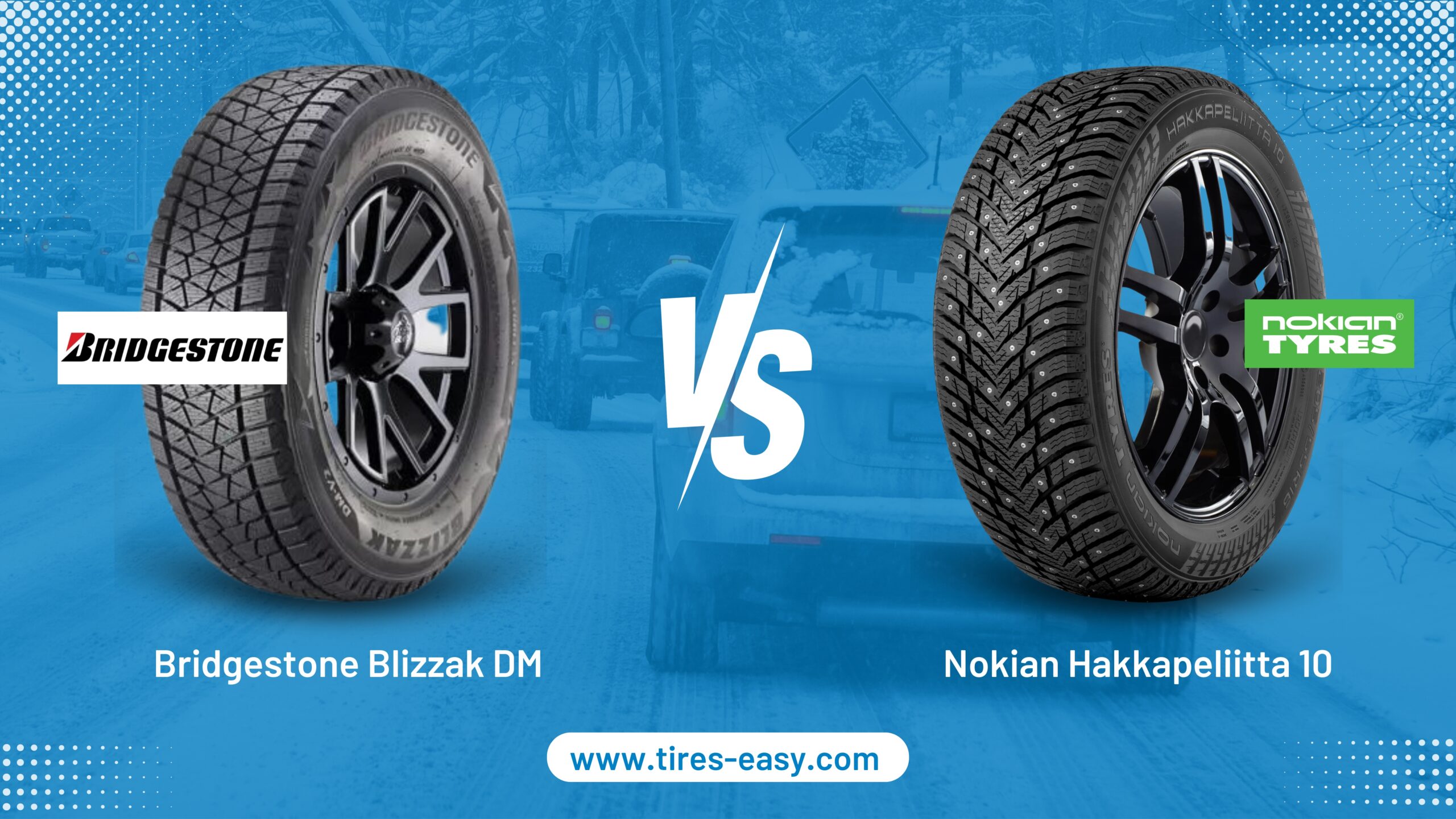
Besides Blizzak and studded tires, other brands offer top winter tires. Michelin X-Ice, Nokian Hakkapeliitta, and Continental VikingContact are well-known. These tires use advanced rubber and tread designs, but do not have studs. Michelin X-Ice is famous for long life and good grip on ice, though not as strong as studs.
Nokian Hakkapeliitta comes in both studded and non-studded versions. Nokian’s non-studded tire uses unique rubber to match studded grip without road damage. Continental’s VikingContact is praised for wet performance.
If you want to learn more about winter tire technology, the Wikipedia page on winter tires is a reliable resource.
Blizzak Vs Studded: Long-term Ownership Experience
Many drivers share their stories online. Here are two insights that beginners miss:
- Tire rotation is more important with winter tires. Uneven wear can ruin grip. Always rotate tires every season.
- Blizzak tires get less effective after the first half of their life. The rubber changes, so grip drops even if tread looks good. Check with a mechanic or tire shop to measure the “winter compound” left.
Owners report that Blizzak tires are less stressful—no legal worries, less noise, and easier to maintain. Studded tire owners must check studs often and watch for local bans.
Credit: www.bridgestone.co.id
Frequently Asked Questions
What Makes Blizzak Tires Different From Regular Winter Tires?
Blizzak tires use a unique rubber compound that stays soft in cold weather. This helps them grip icy and snowy roads better. They also have special tread patterns with lots of sipes and grooves to remove water and snow.
Are Studded Tires Legal Everywhere?
No. Studded tires are banned or restricted in many places because they damage roads. Always check your local laws before buying or using studded tires.
How Long Do Blizzak Tires Usually Last?
If used only in winter, Blizzak tires last about 3–5 seasons. After the first half of their tread wears down, the rubber gets harder and loses some grip, so performance drops.
Why Are Studded Tires Noisy?
The metal studs hit the road as you drive, making a clicking or clacking sound. On dry pavement, this noise is loud and sometimes causes vibrations inside the car.
Can I Use Blizzak Tires In Summer?
No. Blizzak tires are made for cold weather. Using them in summer will wear them out quickly, and they will not grip as well as regular tires. Always switch back to normal tires when winter ends.
Winter roads bring tough choices, but the right tire can make all the difference. Whether you pick Blizzak tires or studded tires, safety comes first. Think about your local climate, daily driving, and legal rules. Listen to real drivers and experts, not just ads or simple charts. If you follow the advice above, you will stay safer and enjoy winter driving more. Remember—no tire can do everything, but a smart choice gives you confidence, comfort, and control all season long.