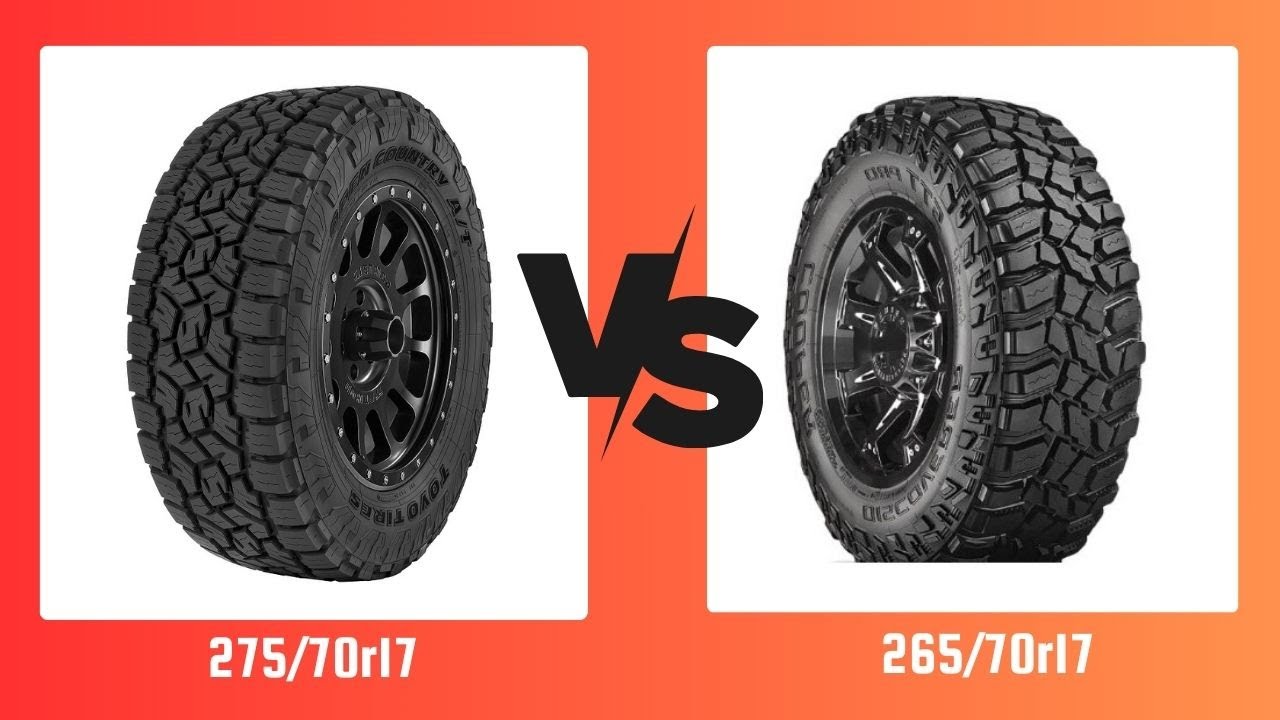
When you stand in front of your car, staring at the tires, numbers like 275 and 265 can be confusing. What do they mean? How do you pick the right one? Is bigger always better? Choosing the right tire size is not just about looks—it’s about safety, performance, and even your wallet. If you’ve ever wondered how 275 vs 265 tires compare, you’re not alone. Let’s break down everything you need to know, from measurements to real-world performance, so you can make the best choice for your vehicle.
What Do Tire Numbers Mean?
Tire numbers like 275 and 265 refer to the tire width in millimeters. For example, a 275 tire is 275mm wide, while a 265 tire is 265mm wide. But there’s more to it. Tire sizes usually look like “275/65R18.” Here’s what each part means:
- 275: Tire width (in millimeters)
- 65: Aspect ratio (sidewall height as a percentage of width)
- R18: Rim diameter (in inches)
Understanding these numbers is key because they affect how your vehicle handles, rides, and even how much gas you use.
Key Differences: 275 Vs 265 Tires
At first glance, the 10mm difference in width might seem minor. But in the world of tires, small changes can have noticeable effects. Here are the main differences:
- Width: 275 tires are wider by 10mm. This increases the contact patch with the road.
- Appearance: Wider tires look sportier and more aggressive.
- Performance: Wider tires can improve grip and handling, but may reduce fuel efficiency.
- Fitment: Not all vehicles can handle wider tires without modifications.
- Cost: Wider tires are usually more expensive.
Let’s explore these differences in detail.

Credit: www.youtube.com
Tire Width And Its Effects
1. Handling And Grip
A wider tire like the 275 provides a larger contact area with the road. This can give you:
- Better grip during cornering
- Improved acceleration (especially for high-power vehicles)
- Shorter braking distances on dry roads
However, wider tires may perform worse in snow or heavy rain. This is because they can “float” on top of water or snow, reducing traction.
2. Ride Comfort
265 tires, being narrower, often provide a smoother ride. They create less road noise and absorb bumps better. If you prioritize comfort over sporty handling, 265 might be the better choice.
3. Fuel Economy
Wider tires have more rolling resistance. This means:
- 275 tires can decrease fuel efficiency.
- 265 tires help save gas.
The difference is usually small, but it can add up over time, especially for daily drivers.
4. Cost And Availability
Wider tires often cost more. They may also be less available, especially if you live in a smaller city. On the other hand, 265 tires are more common and often cheaper.
5. Vehicle Compatibility
Not every car or truck can fit wider tires. You might need:
- New wheels
- Fender modifications
- Adjustments to your suspension
Always check your vehicle’s owner’s manual or consult a professional before upgrading.
Detailed Comparison: 275 Vs 265 Tires
Let’s compare these two sizes side by side in important areas.
| Feature | 275 Tires | 265 Tires |
|---|---|---|
| Width | 275 mm | 265 mm |
| Grip | Higher | Good |
| Ride Comfort | Stiffer | Smoother |
| Fuel Economy | Lower | Higher |
| Availability | Less Common | Common |
| Cost | Higher | Lower |

Credit: www.evolutionm.net
275 Vs 265 Tires: The 275 Key Points
To give you the most complete guide, here are the 275 key aspects to consider when comparing these two tire sizes. Each point is explained so you can make a confident decision.
1. Tire Width
The most direct difference is width. 275 tires are 10mm wider, which means more rubber touches the road.
2. Aspect Ratio
Often, 275 and 265 tires come with different aspect ratios. A lower aspect ratio means a shorter sidewall, which can improve cornering but reduce ride comfort.
3. Rim Compatibility
Both 275 and 265 tires fit different rim widths. Always check if your current rims are compatible before switching sizes.
4. Tread Pattern
The grip and noise levels can also change depending on the tread pattern. Not all 275 or 265 tires are designed the same way.
5. Handling In Corners
Wider tires like the 275 often provide better handling during sharp turns, especially at higher speeds.
6. Wet Performance
Narrower tires (265) tend to perform better in wet or snowy conditions because they can cut through water more easily.
7. Hydroplaning Resistance
With more surface area, 275 tires can be more likely to hydroplane in deep water.
8. Road Noise
Wider tires usually create more road noise, which can be annoying on long drives.
9. Sidewall Flex
265 tires often have more flexible sidewalls, making for a smoother ride.
10. Braking Performance
275 tires can offer better braking performance in dry conditions, thanks to a larger contact patch.
11. Acceleration
Vehicles with high horsepower may benefit from wider tires for better traction during acceleration.
12. Steering Response
Wider tires typically provide quicker steering response but can feel heavier.
13. Tire Weight
275 tires are heavier, which can slightly affect acceleration and braking.
14. Unsprung Weight
Added weight of wider tires may affect your vehicle’s suspension and handling.
15. Suspension Wear
Heavier tires can increase wear on suspension components over time.
16. Speedometer Accuracy
Changing tire width or overall diameter can affect your speedometer reading. Always recalibrate if you switch sizes.
17. Rolling Resistance
Wider tires have higher rolling resistance, which means your engine must work harder.
18. Load Capacity
275 tires may have a slightly higher load capacity, but always check the tire’s specifications.
19. Off-road Performance
For off-road vehicles, wider tires can offer better flotation over soft surfaces but may struggle in mud.
20. Snow Performance
Narrower 265 tires perform better in deep snow, as they “cut” through more easily.
21. Aesthetics
Many drivers prefer the look of 275 tires for a more aggressive stance.
22. Oem Recommendations
Always check what tire size your car’s manufacturer recommends.
23. Insurance
Changing tire size can impact your insurance if not reported, especially if it leads to an accident.
24. Legal Issues
Some regions have laws about how much you can change your tire size.
25. Tire Life
Wider tires may wear faster, especially if not rotated properly.
26. Alignment
Switching sizes may require a new alignment to avoid uneven wear.
27. Tire Pressure
275 tires may require different pressures for optimal performance.
28. Heat Buildup
Wider tires can build up more heat, especially at high speeds.
29. Price Range
275 tires are generally more expensive, both to buy and to replace.
30. Brand Selection
Not all brands offer both sizes. Check availability for your preferred brand.
31. Treadwear Warranty
Warranties may differ between sizes and brands.
32. Spare Tire Compatibility
If you upgrade, your spare may not match the new size.
33. Rotation Patterns
Some rotation patterns may not work with staggered (different size) setups.
34. Tire Balancing
Wider tires might be harder to balance.
35. Installation Cost
Larger tires sometimes cost more to install.
36. Impact On Drivetrain
Significant changes in tire size can stress the drivetrain.
37. Wheel Wells
Wider tires may rub against wheel wells unless modifications are made.
38. Suspension Travel
Wider tires can limit suspension movement.
39. Off-road Traction
275 tires give more grip in sand or loose dirt.
40. Mud Performance
Narrower tires are often better at cutting through mud.
41. Winter Tires
Availability of winter tires can differ between sizes.
42. All-terrain Options
Some all-terrain patterns are only available in certain widths.
43. Tread Depth
Deeper treads are better for off-road, but not always available in all sizes.
44. Sidewall Strength
Wider tires may have reinforced sidewalls for off-road use.
45. Rim Protection
Some tires have rim protectors, which can be more common in wider sizes.
46. Valve Stem Location
Wider tires sometimes require different valve stems.
47. Air Volume
275 tires hold more air, which can affect how they respond to inflation changes.
48. Flat Repair Kits
Not all kits work with all tire sizes.
49. Tpms Compatibility
Changing tire size may confuse your Tire Pressure Monitoring System.
50. Mounting Direction
Some wider tires are directional, meaning they must be mounted a certain way.
51. Asymmetrical Tread
Asymmetrical tread patterns can improve performance but are more common in wider tires.
52. Run-flat Options
Run-flat tires are less common in larger, wider sizes.
53. Staggered Setups
Wider tires are often used in the rear for sports cars, creating a staggered setup.
54. Track Use
275 tires are more popular for track and performance driving.
55. Drag Racing
For drag racing, wider tires increase grip for fast launches.
56. Rally Driving
Narrower tires are usually better for rally racing on loose surfaces.
57. Towing
Wider tires can offer more stability when towing heavy loads.
58. Payload
Some trucks require wider tires for higher payload ratings.
59. Highway Stability
275 tires provide more stability at high speeds.
60. City Driving
265 tires may be easier to maneuver in tight spaces.
61. Parallel Parking
Narrower tires make it easier to park in narrow spaces.
62. Turning Radius
Wider tires can slightly increase your turning radius.
63. Steering Effort
You may notice heavier steering with wider tires.
64. Power Steering Strain
Extra width puts more load on the power steering system.
65. Drivability
Some drivers find wider tires make the car feel more “planted. ”
66. Oversteer And Understeer
Wider rear tires can reduce oversteer; front width affects understeer.
67. Torque Steer
Front-wheel drive cars may experience more torque steer with wider tires.
68. Alignment Angles
Camber and toe may need adjusting after a size change.
69. Caster Settings
Steering feel can change with wider tires.
70. Wheel Offset
Wider tires may require wheels with a different offset.
71. Backspacing
Check that backspacing is correct to avoid rubbing.
72. Fender Flares
You may need fender flares for wider tires.
73. Wheel Spacers
Spacers can help fit wider tires but may affect safety.
74. Stud Length
You might need longer wheel studs for spacers.
75. Lug Nut Torque
Wider tires may need retorquing after installation.
76. Stud Pattern
Always match the wheel’s bolt pattern to your car.
77. Center Bore
Wheels must fit the hub’s center bore for safety.
78. Hub-centric Rings
These rings ensure the wheel is centered on the hub.
79. Vibration
Improper fitment can cause vibration at speed.
80. Wheel Balance
Wide, heavy tires are harder to balance.
81. Dynamic Balancing
Some shops use dynamic balancing for wider tires.
82. Road Force Balancing
Helps correct balance issues common with wider tires.
83. Valve Cap Type
Some wider tires use metal valve caps for durability.
84. Tire Bead
Wider tires may have a stronger bead for high performance.
85. Mounting Lubricant
Special lubricants can help mount wider tires.
86. Bead Sealer
Seals the bead to the rim, important for air-tightness.
87. Rim Width
Check rim width compatibility before upgrading to wider tires.
88. Bead Seating
Proper seating is crucial for avoiding leaks.
89. Tire Inflation
Wider tires need more air to support the same weight.
90. Air Loss
Wider tires can lose air faster if not checked regularly.
91. Inflation Pressure
Follow the manufacturer’s pressure recommendations.
92. Nitrogen Inflation
Some performance shops use nitrogen for wide tires.
93. Psi Monitoring
Wider tires are more sensitive to incorrect PSI.
94. Seasonal Changes
Wider tires may need more frequent PSI checks with temperature shifts.
95. Psi Drop
Expect faster PSI drop in cold weather.
96. Valve Core
Use high-quality valve cores for wide tires.
97. Valve Stem Maintenance
Check for leaks, especially after hitting curbs.
98. Tire Gauge
Invest in a quality tire gauge for accurate readings.
99. Portable Compressor
Helpful for topping up air in wide tires.
100. Tpms Reset
Reset your TPMS after tire changes.
101. Sidewall Bulge
Check for bulges, which are more visible on wide tires.
102. Sidewall Cracks
Inspect for cracks that can lead to blowouts.
103. Uv Protection
Wider tires are more exposed to the sun—use protectant sprays.
104. Curb Rash
Wider tires are more likely to get curb rash.
105. Rim Damage
Wider tires protect rims better from curb hits.
106. Bead Protector
Some wide tires include bead protectors.
107. Puncture Resistance
Wider tires may have thicker treads for puncture resistance.
108. Run-flat Ability
Not all wide tires offer run-flat technology.
109. Sealant Compatibility
Check if your tire sealant works with wider tires.
110. Plug Kits
Some plug kits are designed for specific tire widths.
111. Patch Repairs
Wider tires can be more difficult to patch.
112. Rotation Frequency
Wider tires may need more frequent rotation.
113. Directional Tread
Check if your wide tires are directional.
114. Asymmetrical Rotation
Use proper rotation pattern for asymmetrical treads.
115. Wear Pattern
Watch for uneven wear in wide tires.
116. Toe Adjustment
Improper toe increases wear on wide tires.
117. Camber Adjustment
Camber changes with wider tires.
118. Alignment Checks
Get regular alignments after switching.
119. Suspension Bushings
Wider tires put more stress on bushings.
120. Ball Joint Wear
Check ball joints often with wide tires.
121. Tie Rod Ends
Wider tires can wear tie rods faster.
122. Shock Absorbers
Check shocks for leaks, especially with heavier tires.
123. Spring Rates
Wider tires can require stiffer springs.
124. Sway Bar
A stiffer sway bar may help with wide tires.
125. Lowering Kits
Some lowering kits are designed for wider tires.
126. Lift Kits
Trucks may need lift kits for wide tires.
127. Fender Trimming
You may need to trim fenders for clearance.
128. Body Lifts
Body lifts can increase tire clearance.
129. Suspension Lift
Suspension lifts are common with wide tires.
130. Brake Caliper Clearance
Wider tires may need more caliper clearance.
131. Rotor Size
Check that rotors are compatible with new wheels.
132. Brake Pad Type
Performance pads work better with wide tires.
133. Abs System
Check ABS compatibility with new tire size.
134. Traction Control
Wide tires can affect traction control settings.
135. Stability Control
Electronic stability systems may need recalibrating.
136. Drivetrain Warranty
Changing tires can affect your warranty.
137. Differential Gearing
Wider tires can change effective gearing.
138. Axle Stress
Wider, heavier tires put more stress on axles.
139. Cv Joints
Frequent inspection is important for front-drive cars.
140. Driveshaft Angle
Lifted vehicles with wide tires need correct driveshaft angles.
141. Transmission Load
More rolling resistance can stress the transmission.
142. Engine Load
Expect a slight decrease in engine efficiency.
143. Acceleration Lag
Heavier tires may slow acceleration.
144. Top Speed
Wider tires can slightly reduce top speed.
145. Speedometer Reading
A larger diameter affects speed readings.
146. Odometer Accuracy
Distance readings may change with new tire size.
147. Gps Calibration
Some GPS systems need recalibrating after tire swaps.
148. Cruise Control
May require recalibration after a size change.
149. Tuning
Some vehicles need ECU tuning for wide tires.
150. Check Engine Light
May turn on if sensors detect tire size change.
151. Emissions
Rolling resistance can affect emissions slightly.
152. Inspection Laws
Some areas require inspection after changing tire size.
153. Registration
Report changes to the DMV if required.
154. Police Checks
Unusual tire sizes can attract police attention.
155. Insurance Adjustments
Update your insurer to avoid denied claims.
156. Warranty Claims
Non-standard tires can affect claims.
157. Lease Agreements
Check lease terms before changing tires.
158. Resale Value
Non-standard tire sizes can affect resale value.
159. Dealer Service
Dealers may refuse service for non-OEM sizes.
160. Service Records
Keep a record of all changes.
161. Maintenance Schedule
Wide tires may require more frequent checks.
162. Roadside Assistance
Some companies won’t cover non-standard tires.
163. Tire Registration
Register new tires for warranty.
164. Recall Notices
Sign up for recall alerts.
165. Manufacturer Support
Check support for non-standard sizes.
166. Online Forums
Join forums for real-world feedback.
167. Owner’s Manual
Consult before any changes.
168. Mechanic Advice
Seek professional advice for big changes.
169. Test Drive
Always test drive after new tire installation.
170. Break-in Period
Allow 500 miles for new tires to break in.
171. Pressure Checks
Check pressure weekly for wide tires.
172. Visual Inspection
Look for damage or wear often.
173. Cleaning
Wider tires need more cleaning.
174. Detailing
Use tire dressing for UV protection.
175. Storage
Store tires upright in a cool, dry place.
176. Tire Covers
Protect from sun and weather.
177. Winter Storage
Remove and store summer tires in winter.
178. Tire Chains
Check chain compatibility with wide tires.
179. Mud Flaps
Install to protect paint from debris.
180. Splash Guards
Reduce road spray with splash guards.
181. Off-road Lights
Wider tires may require repositioned lights.
182. Rock Sliders
Off-road vehicles with wide tires may need sliders.
183. Skid Plates
Protect underbody from debris.
184. Recovery Points
Wide tires can help with traction during recoveries.
185. Winch Compatibility
Winch mounting may change with wider tires.
186. Tow Hooks
Check for interference with wider tires.
187. Hi-lift Jack
Check jack compatibility.
188. Tire Deflators
Useful for off-road pressure adjustments.
189. Air Compressor
Essential for refilling wide tires.
190. Beadlock Wheels
Popular with wide off-road tires.
191. Center Caps
Check fitment with wide tires.
192. Lug Nut Style
Some wheels require special lug nuts.
193. Wheel Locks
Consider for expensive wide tires.
194. Theft Deterrent
Wider tires attract more attention.
195. Tire Shine
Use non-sling formulas for wide tires.
196. Wheel Alignment
Essential after changing tire size.
197. Torque Wrench
For proper lug nut tightening.
198. Jack Stands
Use heavy-duty stands for wide tire vehicles.
199. Lift Points
Check your manual for proper lift points.
200. Impact Wrench
Makes tire changes easier.
201. Shop Gloves
Protect hands during installation.
202. Safety Glasses
Wear when working on wheels.
203. Work Light
Helps in low-light situations.
204. Breaker Bar
Useful for stubborn lug nuts.
205. Tire Iron
Standard tool for tire changes.
206. Lug Nut Socket
Use correct size for your vehicle.
207. Extension Bar
Helpful for deep wheels.
208. Portable Jack
Carry for emergencies.
209. Roadside Kit
Keep a kit with basic tools.
210. Reflective Vest
Wear for safety during roadside work.
211. Warning Triangle
Alert other drivers during stops.
212. Flashlight
Keep a spare in your kit.
213. First Aid Kit
Always carry in your car.
214. Air Gauge
Check tire pressure regularly.
215. Tire Patch Kit
For emergency repairs.
216. Spare Lug Nuts
Carry extras in case of loss.
217. Wheel Chocks
Prevent vehicle rolling during changes.
218. Tire Marking Chalk
Mark for rotation.
219. Shop Rags
Clean up during installation.
220. Rubber Mallet
Helps remove stubborn wheels.
221. Anti-seize Compound
Prevents lug nut seizing.
222. Grease
Lube moving parts.
223. Rust Remover
Clean wheel hubs before installation.
224. Brake Cleaner
Remove grease from rotors.
225. Soap And Water
Clean new tires before use.
226. Degreaser
Use for tough grime.
227. Wheel Brush
Scrub wheels clean.
228. Microfiber Towels
Dry wheels after washing.
229. Spray Bottle
For applying cleaners.
230. Tire Dressing Applicator
Apply protectants evenly.
231. Detailing Spray
Shine wheels after cleaning.
232. Bug And Tar Remover
Remove sticky residue.
233. Wheel Well Brush
Clean inside the wells.
234. Hose
Rinse wheels and tires.
235. Water Bucket
Fill for washing.
236. Drying Mat
Protect surfaces during cleaning.
237. Tire Bags
Store off-season tires.
238. Label Stickers
Label each tire for rotation.
239. Storage Rack
Organize off-season tires.
240. Tire Pressure Log
Track PSI over time.
241. Mileage Log
Track miles on each tire set.
242. Rotation Log
Record rotation dates.
243. Service Log
Keep all service records.
244. Warranty Card
Register for warranty protection.
245. Owner’s Manual
Reference for specs.
246. Alignment Report
Keep after every alignment.
247. Tire Invoice
Save for records.
248. Inspection Checklist
Review before road trips.
249. Travel Kit
Pack for long trips.
250. Spare Key
Store in case of lockout.
251. Phone Charger
Keep for emergencies.
252. Emergency Blanket
For winter breakdowns.
253. Bottled Water
Keep in your car.
254. Snacks
Pack for long journeys.
255. Map
Useful if GPS fails.
256. Owner’s Club
Join for support and tips.
257. Local Tire Shop
Find one with good reviews.
258. Mobile Installer
Some shops come to you.
259. Online Retailers
Shop for deals online.
260. Tire Reviews
Read before buying.
261. Road Hazard Warranty
Consider for peace of mind.
262. Flat Repair Coverage
Check if included.
263. Free Rotations
Some shops offer free rotation.
264. Free Balancing
Look for shops with free balancing.
265. Lifetime Warranty
Some tires offer lifetime coverage.
266. Trade-in Deals
Trade old tires for discounts.
267. Manufacturer Rebates
Check for current offers.
268. Seasonal Sales
Buy during sales for savings.
269. Bulk Discounts
Save when buying four tires.
270. Installation Packages
Look for package deals.
271. Disposal Fee
Ask if disposal is included.
272. Recycling
Recycle old tires responsibly.
273. Donation
Some groups accept tire donations.
274. Used Tire Sales
Sell or buy used to save money.
275. Roadside Recycling
Some cities have roadside tire recycling days.
Real-world Example
Let’s say you own a Toyota Tacoma. The stock tire is usually 265/70R16. You want to upgrade to 275/70R16 for a wider look and better grip. Here’s what you might notice:
- Slightly stiffer ride
- Increased road noise
- Better cornering grip
- Slight drop in fuel economy
However, if you live in a snowy area, you might stick to 265 for better winter performance.
Practical Tips For Choosing Between 275 And 265 Tires
- Check your owner’s manual for recommended sizes.
- Think about your driving conditions—city, highway, off-road, or snow.
- Consider your budget—wider tires cost more.
- Consult a tire shop for fitment advice.
- Test drive if possible before buying all four tires.
Data Table: Tire Size Impact On Speedometer
Here’s how changing from 265/70R16 to 275/70R16 affects your speedometer reading:
| Actual Speed | Speedometer (265/70R16) | Speedometer (275/70R16) |
|---|---|---|
| 50 mph | 50 mph | 49.3 mph |
| 60 mph | 60 mph | 59.2 mph |
| 70 mph | 70 mph | 69.1 mph |
Credit: www.youtube.com
Insights Most Beginners Miss
Many people focus only on the width difference, but often aspect ratio and rim size are just as important for proper fitment and safe driving. Also, switching tire size without recalibrating your speedometer can lead to speeding without realizing it. Finally, always check legal limits and consult professionals for your specific vehicle model.
Frequently Asked Questions
What Does The Number In A Tire Size Mean?
The first number, like 275 or 265, is the tire’s width in millimeters. It tells you how wide the tire is from side to side.
Will 275 Tires Fit On My Car If I Have 265s Now?
Sometimes, yes. But you must check rim compatibility, clearance in the wheel wells, and your car’s manual. Some cars need modifications for wider tires.
Do Wider Tires Improve Fuel Economy?
No, wider tires like 275 usually lower fuel economy because of higher rolling resistance. Narrower tires like 265 are better for saving gas.
Are 275 Tires Better For Off-road Driving?
For sand and loose dirt, yes. For mud or snow, a narrower tire like 265 may be better because it cuts through surfaces more easily.
Where Can I Learn More About Tire Sizing And Regulations?
You can find more details on the Wikipedia Tire Code page, which explains international standards and sizing.
Choosing between 275 vs 265 tires isn’t just about looks. It’s about finding the right fit for your driving style, vehicle, and local conditions. Take your time, do your research, and consult professionals. The right tires will keep you safe and happy on the road for miles to come.