When you look at tires for your truck, trailer, or RV, you’ll often see a “Load Range” rating. Among these, E rated tires and F rated tires are two common choices. But what do those letters really mean? And how do you choose the right tire for your needs? Picking the wrong load range can lead to rapid tire wear, poor handling, or even dangerous blowouts. The differences are not just about carrying more weight. Both types have unique strengths and ideal uses. This guide will help you understand every detail about E and F rated tires, from basic meanings to advanced insights most people overlook. Whether you haul heavy equipment, tow a camper, or just want to make a smart, safe upgrade, you’ll find clear answers here.
What Are Tire Load Ratings?
Every tire has a load rating—a measurement of how much weight it can safely carry at a specified pressure. In the U.S., these ratings are shown as letters: C, D, E, F, G, and so on. Each step up means the tire can handle more weight, but it also usually means a stiffer ride and different inflation requirements.
For example:
- A Load Range E tire is designed for medium-heavy loads, like those found on many pickup trucks and utility trailers.
- A Load Range F tire handles even higher weights, often used for large trailers, heavy-duty trucks, and commercial vehicles.
These ratings are critical for safety. Overloading a lower-rated tire can cause heat buildup, tread separation, or sudden failure.
Understanding E Rated Tires
Load Range E tires are some of the most popular choices for ¾-ton pickups, SUVs, and mid-size trailers. They offer a good balance between carrying capacity, ride comfort, and cost.
Key Specifications
- Maximum Load: Usually around 2,830 lbs per tire (single), but this can vary based on tire size.
- Recommended Pressure: Typically 80 psi (pounds per square inch).
- Ply Rating: Technically, “10-ply,” though modern tires don’t always use 10 layers.
Where You’ll Find Them
E rated tires are commonly used on:
- Ford F-250 / Ram 2500 / Chevy Silverado 2500 trucks
- Large SUVs designed for towing
- Utility trailers and travel trailers under 10,000 lbs
They’re also a favorite for off-road enthusiasts because of their strength and reliability.
Advantages
- Versatility: Good for work and daily driving.
- Availability: Wide selection in stores and online.
- Comfort: Not as stiff as higher-rated tires.
Common Uses
- Towing boats, campers, or horse trailers
- Carrying heavy tools or gear in a truck bed
- Occasional off-road trips
What Beginners Miss
Many new truck owners assume that “bigger” tires are always better. But E rated tires often offer the best mix of comfort and capacity. Going higher can make your ride harsh or even reduce traction when empty. Also, if you run E rated tires at low pressure to soften the ride, you risk overheating and damaging them. Always match your tire pressure to your load.
Understanding F Rated Tires
When you need more carrying capacity, F rated tires step in. These are built for serious loads, often found on commercial vehicles and large trailers.
Key Specifications
- Maximum Load: Often 3,970 lbs per tire (single), but this varies.
- Recommended Pressure: 95 psi is common.
- Ply Rating: Traditionally “12-ply,” but modern tires use advanced materials.
Where You’ll Find Them
- Heavy-duty trailers (including 5th wheels and car haulers)
- Commercial trucks carrying big payloads
- Some upgraded off-road vehicles needing extra strength
Advantages
- High Load Capacity: Handles heavier weights safely.
- Durability: Extra resistance to punctures and heat.
- Stability: Less sidewall flex under load.
Common Uses
- Hauling construction equipment
- Large RVs or toy haulers
- Commercial deliveries
What Beginners Miss
F rated tires need higher inflation pressures. If your wheel isn’t rated for 95 psi, you can’t use F rated tires safely. Also, the stiffer sidewall means a rougher ride when empty. Many people upgrade to F tires for “peace of mind,” but don’t realize it may require new wheels or affect comfort.
E Vs F Rated Tires: Key Differences
Understanding the technical differences can help you pick the right tire. Here’s a side-by-side look at the essentials.
| Feature | Load Range E | Load Range F |
|---|---|---|
| Max Load (single tire) | ~2,830 lbs | ~3,970 lbs |
| Max PSI | 80 psi | 95 psi |
| Ply Rating | 10-ply | 12-ply |
| Typical Use | Trucks, SUVs, mid-size trailers | Large trailers, commercial trucks |
| Ride Comfort | Smoother | Stiffer |
| Cost | Lower | Higher |
Not All Sizes Are Equal
Tire load ratings are also affected by the actual tire size. A narrow F rated tire might carry less than a wide E rated tire. Always check the manufacturer’s specs for your exact tire.
How Load Ratings Affect Safety
The main reason to care about load ratings is safety. Tires are your only contact with the road. Overloading or under-inflating can cause serious problems like:
- Tread separation
- Blowouts
- Poor handling or braking
- Excessive heat buildup
Imagine towing a trailer with tires that are not rated for the weight. Even if nothing happens right away, the risks build up over time. Most tire failures on the highway are due to overloading or running at too low pressure.
Real-world Example
A family tows a 10,000 lb travel trailer with E rated tires. Each tire is rated for 2,830 lbs, and the trailer has four tires. At first glance, the math works. But with water, gear, and passengers, the real weight per tire sometimes goes over the limit—especially if one tire is underinflated.
This is a common cause of RV tire blowouts.
Inflation Pressure And Wheel Compatibility
Inflation pressure is more than a number on the sidewall. It affects:
- Tire shape
- Heat resistance
- Load capacity
E rated tires reach full strength at 80 psi. F rated tires need 95 psi. But not all wheels (rims) are designed for these pressures.
Can You Mount F Rated Tires On E Rated Wheels?
If your wheels are not rated for 95 psi, mounting F rated tires is unsafe. The higher pressure can crack or deform the rim. Before upgrading to F rated tires, always check your wheel’s maximum pressure rating—usually stamped on the back.
Upgrading Wheels
If you need F rated tires for extra load, you may have to buy new wheels. This cost (and installation) is often overlooked by beginners. Always budget for both tires and compatible wheels if you want to upgrade your load range.

Credit: www.lesschwab.com
Impact On Ride Comfort
One thing many people forget: load range changes ride quality. Higher-rated tires have stiffer sidewalls. This means:
- Less flex: Good for stability, but bumps feel sharper.
- More road noise: Especially on rough pavement.
- Lower comfort: When driving unloaded, the ride can feel “harsh” or “bouncy.”
If you mostly drive empty or on smooth roads, E rated tires may be a better choice. F rated tires shine when loaded, but the difference is obvious when your truck or trailer isn’t carrying much.
Cost Comparison: E Vs F Rated Tires
Moving up in load range usually means spending more. F rated tires cost more to make because of stronger materials and more layers.
| Tire Type | Average Price (per tire) | Expected Mileage | Replacement Cost |
|---|---|---|---|
| Load Range E | $170 – $250 | 40,000 – 60,000 miles | Lower |
| Load Range F | $220 – $350 | 50,000 – 75,000 miles | Higher |
Not Obvious: Insurance And Maintenance
Higher load range tires sometimes qualify for lower insurance rates, especially for commercial use. But they can cost more to repair or replace. Also, F rated tires may need more frequent pressure checks because of their higher PSI.

Credit: www.treadwright.com
Who Should Choose E Rated Tires?
E rated tires are a smart fit for:
- Daily drivers: People who use their trucks for work and family.
- Mid-size trailers: Travel trailers, boat trailers, etc.
- Light-duty hauling: Occasional big loads, but mostly empty.
They give you enough strength for most jobs without sacrificing comfort or spending extra money.
Who Should Choose F Rated Tires?
F rated tires make sense for:
- Heavy-duty haulers: People pulling heavy trailers regularly.
- Commercial use: Landscapers, contractors, or delivery trucks.
- Upgraded RVs: Large or toy-hauler trailers.
If you are close to the maximum weight for E rated tires, or if you travel through hot climates or rough roads, F rated tires give extra safety margin.
Real-world Scenarios: Which Should You Pick?
Let’s look at some practical examples.
Example 1: Weekend Camper
You tow a 7,000 lb camper twice a month. Most of your driving is unloaded. E rated tires are usually enough. They offer comfort the rest of the time and are easier on your wallet.
Example 2: Heavy Equipment Hauler
You regularly tow a 12,000 lb equipment trailer. Long trips, summer heat, and rough roads are common. Here, F rated tires are the safer, more durable choice. You’ll need wheels that handle 95 psi.
Example 3: Upgrading An Older Truck
You want to upgrade your ¾-ton pickup from E to F rated tires for future-proofing. First, check your wheel’s pressure rating. If you need new wheels, factor in the cost. Unless you plan to haul much heavier loads, E rated tires may still be your best bet.
Tire Maintenance Tips For E And F Rated Tires
No matter which load range you choose, maintenance is key for safety and tire life.
- Check Pressure Frequently: Use a quality gauge. Tire pressure changes with temperature—check before long trips or load changes.
- Rotate Tires Regularly: This prevents uneven wear, especially on trucks and trailers.
- Inspect for Damage: Look for cracks, bulges, or objects stuck in the tread or sidewall.
- Balance and Align: Heavy-duty tires are sensitive to bad alignment. Have them checked yearly or if you notice vibration.
- Don’t Mix Load Ranges: All tires on the same axle should be the same load range and size.
Advanced Insight: Heat Is The Enemy
Many people focus on weight, but heat is the silent killer of tires. Overloaded or underinflated tires create more heat, which weakens the rubber over time. F rated tires handle heat better, but are not immune. If you drive in hot climates, check pressure more often and avoid overloading.
E Vs F Rated Tires For Rvs And Trailers
RVs and large trailers are a special case. Many tire blowouts happen here because owners underestimate their actual loaded weight or buy tires based on empty weight.
Important Steps
- Weigh Your Rig Loaded: Use a public scale to get the real numbers.
- Add Safety Margin: Choose a tire that can handle at least 10% more than your max load.
- Consider Upgrades: If you’re near the limit for E rated tires, F rated tires offer extra peace of mind.
A common mistake is to choose tires by price or appearance. Always check the load rating first.
Myths And Mistakes About Load Ratings
Many drivers and even some mechanics believe myths about tire load ranges. Here’s the truth:
- More Ply = Stronger Tire? Not always. Modern materials make “ply” less important than actual load rating and PSI.
- You Can Always Upgrade? No. Your wheels and vehicle specs must support the higher PSI and load.
- Stiffer Is Always Safer? Not if it means losing traction or control when unloaded.
The right load range is about matching the tire, wheel, and actual use—not just picking the “highest.”
Credit: www.sheehyfordgaithersburg.com
Environmental Impact
Heavier, stiffer tires (like F rated) use more materials and sometimes reduce fuel economy due to higher rolling resistance. While safety should come first, E rated tires can be a greener choice for light or moderate loads.
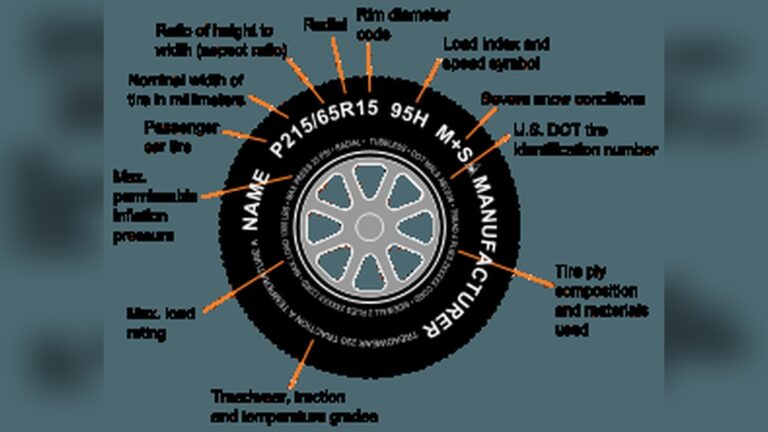
How To Read Tire Sidewall Codes
Understanding the sidewall can prevent costly mistakes. Here’s an example:
LT245/75R16 120/116Q E
- LT: Light Truck
- 245/75R16: Size (width, aspect ratio, rim diameter)
- 120/116Q: Load index (single/dual), speed rating
- E: Load range
For F rated tires, you’ll see an F at the end. Always match the tire to your vehicle’s needs and manufacturer recommendations.
When To Replace E Or F Rated Tires
Even if the tread looks good, replace tires every 5-7 years, especially if you tow heavy loads. UV rays, heat, and age weaken the rubber. For trailers and RVs, tires often age out before wearing out.
Legal And Warranty Issues
Running the wrong load range can void your vehicle or tire warranty. Insurance companies may also deny claims after an accident if your tires were not rated for the load. Always check your manual and keep receipts for tire purchases and installations.
Expert Recommendations
- Don’t Over- or Under-Tire: Pick the load range that matches your real-world needs.
- Check Compatibility: Wheels and valves must handle the tire’s max PSI.
- Shop by Specs, Not Hype: Focus on load, speed rating, and approved fitment.
- Consult Professionals: When in doubt, ask a tire expert for advice specific to your vehicle and use.
For further technical details, the Tire Rack Technical Articles provide more resources.
Frequently Asked Questions
What Is The Main Difference Between E And F Rated Tires?
E rated tires are designed for medium-heavy loads, usually up to around 2,830 lbs per tire at 80 psi. F rated tires handle heavier loads—up to about 3,970 lbs at 95 psi. F rated tires are stronger but also stiffer and require higher inflation pressure.
Can I Use F Rated Tires On My Truck If It Came With E Rated Tires?
Maybe. You must check if your wheels and valves are rated for the higher pressure (95 psi). If not, using F rated tires can be unsafe. Also, expect a stiffer ride when unloaded.
Do F Rated Tires Last Longer Than E Rated Tires?
Not always. While F rated tires are tougher, tire life depends on driving habits, load, inflation, and alignment. Overloading or underinflating either type will shorten its life. F rated tires may wear slower under heavy loads.
Is It Safe To Mix E And F Rated Tires On The Same Vehicle?
No. All tires on the same axle should have the same load range and size for safety and even handling. Mixing can lead to poor performance and increased risk of failure.
Which Is Better For Towing A Travel Trailer, E Or F Rated Tires?
It depends on your trailer’s weight. For trailers up to about 10,000 lbs, E rated tires are usually enough. For heavier trailers, or if you want extra safety margin, F rated tires are better—but only if your wheels are compatible.
Choosing between E vs F rated tires isn’t just about letters or numbers. It’s about matching your tires to your real-world needs, driving habits, and safety requirements. With the right information, you’ll enjoy confident, worry-free travels—mile after mile.