If you’ve ever shopped for tires or tried to understand what makes your car handle differently on the road, you’ve probably come across the terms AT tires and HT tires. These two types of tires might look similar at first glance, but they serve very different purposes. The right tire choice can change how your vehicle feels, how safe it is, and even how much money you spend on fuel. But if you’re not sure what these tire types mean or which one is best for you, don’t worry—you’re not alone. Many drivers struggle to decide between all-terrain and highway tires, especially when their needs fall somewhere in the middle.
This article will help you understand the real differences between AT tires and HT tires. We’ll look at what each tire is made for, how they perform, and when you should pick one over the other. You’ll also see real-life examples, common mistakes, and practical tips that most new buyers miss. By the end, you’ll feel confident about choosing the right tires for your car, SUV, or truck.
What Are At Tires And Ht Tires?
The first step is to understand what these tire types really are. AT stands for All-Terrain, and HT stands for Highway Terrain. While both are designed for SUVs, crossovers, and light trucks, their main uses are very different.
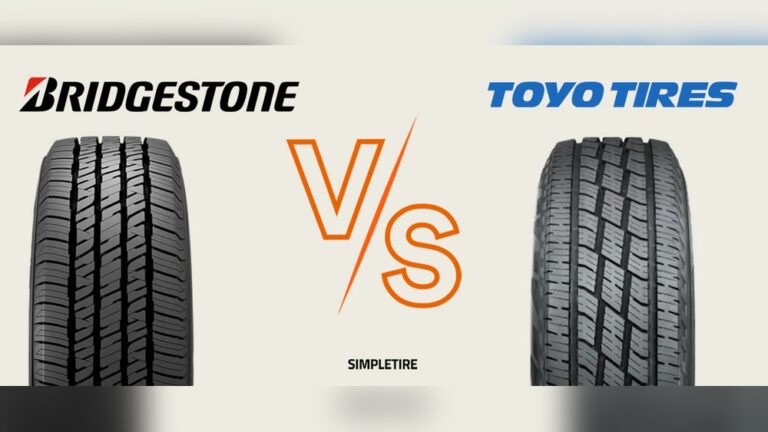
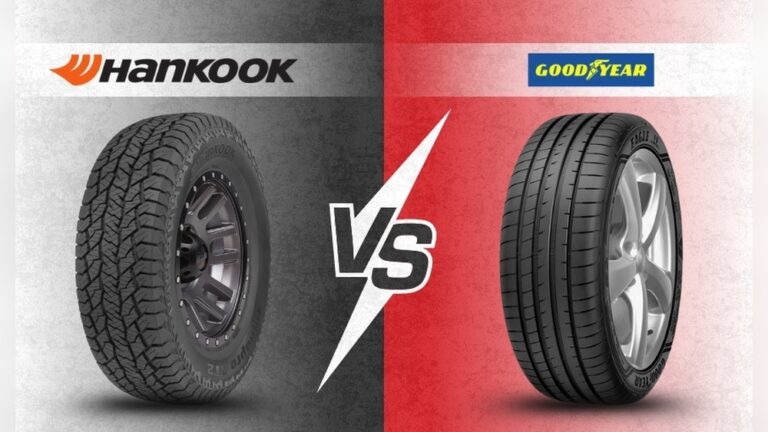
AT tires are built to handle many surfaces—pavement, dirt, gravel, mud, and even snow. They have tough sidewalls and deep treads that help with grip and durability off the road. They work well for drivers who want to go off the beaten path, whether for adventure or work.
HT tires are designed mainly for paved roads. Their tread pattern is smoother, which gives you a comfortable, quiet ride and better fuel efficiency. These tires are best for drivers who spend most of their time on highways and city streets.
Many people think AT tires are only for extreme off-roading and HT tires are boring, but that’s not true. There’s a wide range of performance between the two, and your choice depends on your driving habits, location, and even your vehicle type.
Key Differences: At Tires Vs Ht Tires
Understanding the differences between AT and HT tires can help you make a smarter choice. Here are the main factors to consider:
Tread Design
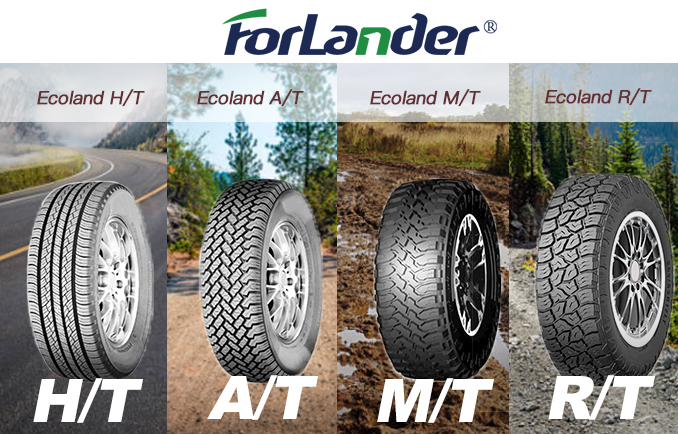
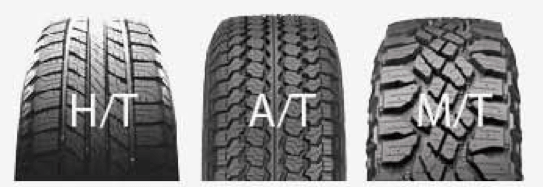
- AT tires have aggressive, deep tread blocks with wider gaps. This helps them grip loose surfaces and shed mud or snow.
- HT tires feature smaller, more continuous tread blocks. This design makes them quieter and smoother on paved roads.
Rubber Compound
- AT tires use harder rubber for durability and resistance to cuts.
- HT tires use softer rubber for flexibility and a comfortable ride.
Sidewall Strength
- AT tires have reinforced sidewalls to handle rocks, bumps, and sharp objects.
- HT tires have standard sidewalls, which are lighter and help with fuel efficiency.
Performance Table
Here’s a quick visual summary to compare AT and HT tires:
| Feature | AT Tires | HT Tires |
|---|---|---|
| Tread Depth | Deep, aggressive | Shallow, smooth |
| Noise Level | Louder | Quieter |
| Durability | High (off-road) | High (on-road) |
| Grip (Mud/Snow) | Strong | Weak |
| Fuel Efficiency | Lower | Higher |
Where At Tires Excel
All-terrain tires are for drivers who need versatility. You might live somewhere with rough roads or travel off-road for work or fun. Here are some situations where AT tires shine:
- Rural Areas: If your daily drive includes dirt roads, gravel, or muddy paths, AT tires offer grip and safety.
- Outdoor Activities: Campers, hikers, hunters, and anglers often face unpredictable surfaces. AT tires let you reach remote spots without worrying about getting stuck.
- Work Sites: Construction workers and farmers use AT tires to handle fields, rocks, and uneven terrain.
- Weather Conditions: AT tires perform better in snow and rain because their tread pushes away water and slush.
One non-obvious insight: AT tires can also help you avoid tire damage from sharp stones or debris, especially if your area floods or has landslides. Many new buyers don’t realize how often highway tires can get punctured in these conditions.
Where Ht Tires Excel
Highway terrain tires are perfect for drivers who stick to paved roads. If your vehicle rarely leaves the city or highway, these tires are the most sensible option.
- City Driving: HT tires create less road noise and give a smooth ride, perfect for urban commutes.
- Long Trips: If you drive long distances on highways, HT tires save fuel and reduce fatigue by being quieter.
- Family Vehicles: SUVs and crossovers used for school runs or shopping benefit from the comfort and safety of HT tires.
- Dry Conditions: HT tires perform well in dry weather and light rain, which is common in many cities.
A detail beginners miss: HT tires often last longer because they wear down evenly. AT tires can develop uneven wear if used mainly on pavement, since their chunky tread isn’t designed for flat surfaces.
Real-world Examples
Let’s see how the tire choice matters in real life:
- Example 1: John owns a pickup and drives daily on rough mountain roads for his job. He switched from HT to AT tires and found his truck handled better, had fewer punctures, and felt safer on mud.
- Example 2: Emily uses her SUV for city commuting and weekend trips. She tried AT tires but found them noisy and her fuel costs increased. After switching to HT tires, her ride became quieter and she saved on gas.
These examples show that tire choice isn’t just about performance—it affects your daily comfort, safety, and wallet.
How To Choose: At Tires Vs Ht Tires
Picking the right tire isn’t just about the terrain. You should ask yourself:
- How often do I drive off-road?
- What is the weather like where I live?
- Do I care more about comfort or toughness?
- How important is fuel efficiency?
Here’s a step-by-step guide:
- Identify Your Main Use: If you spend 90% of your time on pavement, HT tires are best. If you regularly face rough or mixed surfaces, go for AT tires.
- Consider Weather: AT tires are safer in snow, mud, and heavy rain. HT tires are better for dry, predictable weather.
- Think About Noise: AT tires are louder. If you or your passengers dislike road noise, HT tires will be more comfortable.
- Check Your Vehicle: Heavy trucks and SUVs handle AT tires better. Small crossovers may lose performance with aggressive AT tires.
- Balance Cost and Longevity: HT tires usually last longer and cost less to run. AT tires might need to be replaced more often if used mostly on pavement.
Non-obvious tip: Many drivers forget to check tire size and load rating. AT tires often come in larger sizes, which can affect speedometer accuracy and even legal limits in some places.
Credit: forlander.com
At Tires Vs Ht Tires: In Numbers
Performance isn’t just about feel. Here are some real statistics:
- Average AT tire tread depth: 12-15 mm
- Average HT tire tread depth: 8-10 mm
- AT tire fuel efficiency loss: Up to 7% more fuel used compared to HT tires (source: tire industry studies)
- Noise levels: AT tires can be up to 5 decibels louder at highway speeds
These numbers show that even small differences can matter over time. For example, if you drive 20,000 km per year, an AT tire could cost you up to $200 more in fuel compared to an HT tire.
Durability And Maintenance
Durability is important for tires, but it doesn’t mean the same thing for AT and HT types. AT tires are built to resist cuts, chips, and sidewall damage. HT tires are made to handle regular driving and resist wear from smooth surfaces.
- AT tires: Last 40,000–60,000 km if used off-road and well maintained
- HT tires: Last 60,000–90,000 km if used mostly on highways
Maintenance is different, too. AT tires need regular checks for rocks, mud, and uneven wear. HT tires need rotation to keep wear even and avoid flat spots.
One insight: If you use AT tires only on pavement, they can wear out much faster and cost more in the long run. Many drivers don’t realize that tire rotation and balancing are even more important for AT tires.
Cost Comparison
Let’s look at typical prices:
- AT tire average price: $140–$300 per tire
- HT tire average price: $110–$250 per tire
Installation costs are similar, but AT tires can increase costs through faster wear and higher fuel use.
Here’s a price comparison for a standard SUV:
| Tire Type | Average Price (per tire) | Estimated Lifespan (km) | Annual Fuel Cost Increase |
|---|---|---|---|
| AT Tires | $180 | 50,000 | $120 |
| HT Tires | $140 | 75,000 | $0 |
This shows that AT tires may cost more over time, especially if you don’t need their off-road ability.
Safety And Handling
Safety is a top concern for any driver. AT and HT tires offer different safety benefits:
- AT tires: Safer on wet, muddy, or snowy roads due to deeper tread. But can be less stable at high speeds.
- HT tires: Better grip on dry pavement and more predictable handling during emergency stops.
A common mistake is thinking AT tires are always safer. In fact, on dry highways, HT tires can stop faster and handle better. If you drive mostly in cities, HT tires are usually safer.
Noise And Comfort
Many drivers underestimate how much tire noise affects their experience. AT tires are louder due to their chunky tread. HT tires are quiet and smooth.
- AT tires: May cause vibration at certain speeds
- HT tires: Almost silent on most roads
If you drive with family or spend long hours in your car, HT tires will make your trips more pleasant. Some premium AT tires try to reduce noise, but they still can’t match HT tires for comfort.
Weather Performance
Weather changes how tires behave. Here’s how AT and HT tires perform:
- Rain: AT tires push water aside, reducing risk of hydroplaning. HT tires are good in light rain but can lose grip in heavy downpours.
- Snow: AT tires can handle deep snow and slush. HT tires are only good for light snow.
- Dry: HT tires are best for dry roads—more grip and stability.
Remember: AT tires aren’t a substitute for real winter tires. In extreme cold, you should use dedicated snow tires.
Tire Brands And Models
Some popular AT tire models:
- BFGoodrich All-Terrain T/A KO2
- Goodyear Wrangler All-Terrain Adventure
- Michelin LTX A/T2
Popular HT tire models:
- Michelin Defender LTX M/S
- Goodyear Assurance All-Season
- Bridgestone Dueler H/L Alenza
Choosing a well-known brand helps with quality and warranty. Always check reviews and ratings before buying.
At Vs Ht Tires: Pros And Cons
To sum up, here are the main pros and cons:
At Tires
- Pros
- Excellent off-road grip
- Durable sidewalls
- Good in mud, snow, and rain
- Cons
- Noisy on highways
- Lower fuel efficiency
- Faster wear on pavement
Ht Tires
- Pros
- Quiet and comfortable
- Better fuel economy
- Last longer on highways
- Cons
- Poor off-road performance
- Can slip in deep mud or snow
- Less protection from sharp objects
Environmental Impact
AT tires use more fuel, so they have a larger carbon footprint. HT tires are more eco-friendly for city and highway driving.
If you care about the environment, HT tires are usually better. But if you need to reach remote areas, AT tires are necessary, even if they use more fuel.
Common Buyer Mistakes
Many people make mistakes when choosing tires:
- Buying AT tires for city-only use: This wastes money and causes extra noise.
- Ignoring load and speed rating: Choosing a tire not suited for your car can be unsafe.
- Skipping research: Not checking reviews or ratings can lead to disappointment.
- Not considering future needs: If you plan to travel off-road soon, AT tires may be smarter.
- Thinking price is everything: Cheap tires can be dangerous and wear out fast.
One insight: Some buyers forget that tire warranty depends on proper use. Using AT tires on highways only can void the warranty.

Credit: www.tirereview.com
Practical Tips For Tire Buyers
When shopping for AT or HT tires, keep these tips in mind:
- Always match tire type to your main driving surface.
- Check the tread pattern and depth for your needs.
- Read reviews from real users, not just salespeople.
- Look for tires with a strong warranty.
- Ask about tire rotation and maintenance costs.
- Test drive if possible—feel matters as much as specs.
A non-obvious tip: Try to buy tires in sets of four. Mixing types (AT and HT) can cause uneven handling and wear.
At Vs Ht Tires: Summary Table
For a quick comparison, here’s a summary:
| Aspect | AT Tires | HT Tires |
|---|---|---|
| Main Use | Mixed/off-road | Highway/city |
| Comfort | Moderate | High |
| Noise | Loud | Quiet |
| Weather | Rain/snow/mud | Dry/light rain |
| Durability | Off-road | On-road |
| Fuel Use | High | Low |
Credit: www.eureka4wd.com.au
Frequently Asked Questions
What Does At Tire Stand For?
AT tire stands for All-Terrain tire. It’s designed to handle multiple surfaces, including gravel, mud, and paved roads. These tires are popular for SUVs and trucks that travel off-road or in tough conditions.
What Does Ht Tire Stand For?
HT tire stands for Highway Terrain tire. It’s made for smooth, paved roads and offers a quiet, comfortable ride. HT tires are common on family SUVs and crossovers.
Can I Use At Tires On Highways?
Yes, you can use AT tires on highways, but they may be noisier and use more fuel. If you drive mostly on pavement, HT tires are a smarter choice.
Which Tire Is Better In Snow?
AT tires are better in deep snow due to their tread design. However, in extreme winter conditions, dedicated snow tires are safest. HT tires may slip in heavy snow.
How Do I Know Which Tire Is Right For Me?
Think about where you drive most often. If you travel off-road or face tough weather, AT tires are best. If you stay on highways and want comfort and fuel savings, go for HT tires. You can also check expert reviews, like those on Tire Rack, for detailed comparisons.
Choosing between AT and HT tires isn’t just about looks or price—it’s about matching your tires to your lifestyle. When you know what matters most for your driving, you’ll make a decision that keeps you safe, comfortable, and happy for thousands of kilometers.
The right tires can turn every drive into a better experience, whether you’re exploring wild trails or cruising city streets.