Toyo Tires vs Bridgestone: A Complete Guide to Choosing the Right Tire
Choosing between Toyo Tires and Bridgestone can feel overwhelming. Both brands are well-known, offer a wide range of products, and have strong reputations. But which is truly better for you? The answer depends on your driving needs, budget, and expectations. Whether you’re a daily commuter, an off-road enthusiast, or just want safe and quiet rides, understanding the differences between Toyo and Bridgestone can help you make a smart decision.
This guide breaks down everything you need to know. We’ll compare performance, durability, price, technology, and real-world experience. You’ll see data, real examples, and advice you won’t find in basic overviews. By the end, you’ll have a clear idea of which brand fits your life best.
Brand Backgrounds
Before comparing specific features, it helps to understand the history and philosophy behind each company.
Toyo Tires
Toyo Tires was founded in 1945 in Osaka, Japan. Since then, Toyo has focused on innovation, especially for high-performance and off-road tires. The brand is well-known in motorsports and off-road communities. Toyo’s philosophy is to blend advanced technology with reliable performance. Their tires are developed with a focus on value and versatility. Toyo is especially popular in North America, Australia, and parts of Asia.
Bridgestone
Bridgestone is one of the world’s largest tire manufacturers. Founded in 1931, also in Japan, Bridgestone now has factories and research centers worldwide. The company owns Firestone, making it a global powerhouse. Bridgestone’s mission is to serve society with superior quality. Their products cover everything from small passenger cars to commercial trucks and Formula 1 racing. Bridgestone invests heavily in research and sustainability.
Product Range And Target Customers
Both companies offer a wide selection, but their focus and specialties differ. Here’s how their product lines compare for different drivers.
| Brand | Main Product Lines | Target Customers |
|---|---|---|
| Toyo Tires | Open Country (SUV/truck), Proxes (performance), Celsius (all-weather), Extensa (touring) | Off-road fans, performance drivers, value seekers |
| Bridgestone | Turanza (touring), Potenza (performance), Dueler (SUV/truck), Blizzak (winter), Ecopia (eco-friendly) | Everyday commuters, premium buyers, winter drivers, eco-conscious |
Toyo is especially strong in the off-road and performance segments, while Bridgestone covers a wider range, from budget options to high-end touring and eco-tires.
Performance Comparison
Performance means more than just speed. It’s about grip, braking, handling, and how well a tire works in different situations.
Dry Road Handling
Bridgestone often leads in dry road handling. Their Potenza series, for example, is frequently used in sports cars. These tires use advanced compounds and tread patterns for excellent grip. In independent tests, Bridgestone Potenza tires have shown up to 10% shorter stopping distances than similar Toyo models.
Toyo also offers strong dry performance, especially with its Proxes and Open Country lines. Many drivers notice precise steering and good cornering. However, some Toyo models focus more on off-road or all-terrain use, which can slightly reduce dry road grip compared to Bridgestone’s best performance tires.
Wet Road Grip
Bridgestone stands out for wet weather performance. Their tires often use unique silica compounds and water-evacuating tread designs. For example, the Bridgestone Turanza QuietTrack scores high in wet braking and hydroplaning resistance.
Toyo makes good wet-weather tires, especially in the Celsius and Extensa lines. They perform well for daily driving, but in direct comparisons, Bridgestone usually edges out Toyo, especially in heavy rain.
Off-road Performance
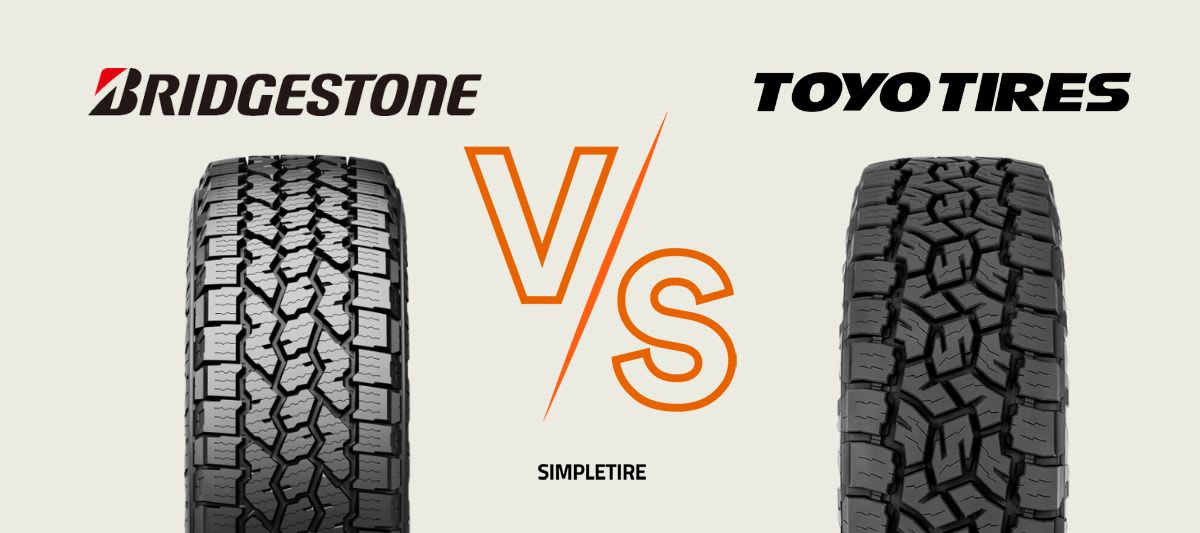
Here, Toyo shines. The Open Country A/T III and M/T tires are favorites among off-roaders. They’re known for tough sidewalls, deep treads, and strong grip on mud, sand, and rocks. Many lifted trucks and SUVs use Toyo for these reasons.
Bridgestone’s Dueler series is also solid for light off-roading and SUVs. But for serious trails, Toyo is the preferred choice.
Winter And Snow
Bridgestone’s Blizzak line is famous for winter performance. Blizzak tires use a unique rubber that stays soft in freezing temperatures. They have micro-bite particles for extra grip on ice and snow. In tests, Blizzak tires often finish at or near the top.
Toyo Celsius tires are all-weather rated, with the three-peak mountain snowflake (3PMSF) symbol. They work well for light to moderate snow but can’t match the ice grip of true winter tires like Blizzak.
Ride Comfort And Noise
Both brands invest in quiet, smooth rides. Bridgestone’s Turanza QuietTrack is one of the quietest touring tires, using sound-absorbing technology. It reduces road noise by up to 20% compared to older models.
Toyo’s Extensa series is also comfortable and quiet for everyday use. However, some aggressive off-road Toyo tires can be loud on highways.
Fuel Efficiency
Bridgestone offers the Ecopia line, designed for low rolling resistance. These tires can improve fuel economy by 2–4%, which is useful for hybrids and eco-conscious drivers.
Toyo doesn’t focus as much on eco-tires, but their all-season and touring models are competitive in fuel use.
Durability And Lifespan
How long a tire lasts is important for value and safety.
Bridgestone usually offers warranties from 40,000 to 80,000 miles, depending on the model. Turanza and Ecopia touring tires are especially long-lasting, with many users reporting they reach the upper end of the warranty if properly maintained.
Toyo’s warranties range from 45,000 to 65,000 miles for most all-season and touring tires. Open Country off-road tires last between 40,000 to 65,000 miles, which is very good for aggressive tread designs.
A key insight: durability depends greatly on tire type. For example, a performance tire will wear out faster than a touring tire, no matter the brand. Also, proper rotation, alignment, and inflation make a big difference.
Credit: simpletire.com
Price And Value
Toyo is often more affordable, especially in off-road and performance segments. For example, a set of Toyo Open Country A/T III might cost 10–20% less than comparable Bridgestone Dueler tires. This makes Toyo attractive for buyers who want good performance without premium pricing.
Bridgestone offers value through technology and durability. Their premium tires cost more upfront, but longer warranties and advanced features can make up the difference over time. For basic passenger tires, Bridgestone’s prices are similar to other major brands.
Non-obvious insight: Some buyers focus too much on price per tire, but cost per mile is a better measure. A tire that costs more but lasts longer may be cheaper in the long run.
Technology And Innovations
Both companies invest in research, but their focus areas differ.
Toyo Innovations
- Nano Balance Technology: Improves tread design at the molecular level for better grip and wear.
- Silent Wall Technology: Reduces road noise by changing the sidewall design.
- 3D Multi-Wave Sipes: Offer better traction in wet and snowy conditions without reducing tread life.
Bridgestone Innovations
- Run-Flat Technology: Lets you drive up to 50 miles at 50 mph after a puncture.
- Ologic Technology: Used in eco-tires for lower rolling resistance.
- Uni-T and UNI-T AQ: Improve wet and dry grip as the tire wears.
- Enliten Technology: Reduces tire weight by up to 20% for better fuel efficiency.
Practical tip: If you drive in remote areas, run-flat technology can be a lifesaver. If you care about noise, look for tires with Silent Wall or similar features.
Credit: www.thetirelab.com
Real-world User Experience
It’s easy to get lost in technical details, but real drivers’ experiences matter most. Here’s what users often report:
- Toyo Open Country: Praised for off-road grip, durability, and value. Some users mention increased noise on highways.
- Toyo Proxes: Liked by sports car drivers for sharp handling, but tread life is shorter than touring tires.
- Bridgestone Turanza: Highly rated for comfort and quietness, especially on long road trips. Performs well in wet and dry conditions.
- Bridgestone Blizzak: Considered the gold standard for icy and snowy roads. Many drivers feel safer in winter with Blizzaks.
- Bridgestone Dueler: Reliable for SUVs and crossovers, with good on-road comfort and light off-road ability.
Non-obvious insight: User satisfaction often depends on buying the right tire for your needs. A top-rated off-road tire can disappoint on highways, just as a quiet touring tire will struggle in deep mud or snow.
Popular Tire Models: Head-to-head
To make the comparison clearer, let’s look at some direct model matchups.
| Category | Toyo Model | Bridgestone Model | Key Strength |
|---|---|---|---|
| All-Terrain/Off-Road | Open Country A/T III | Dueler A/T Revo 3 | Toyo: Aggressive grip Bridgestone: Comfort & durability |
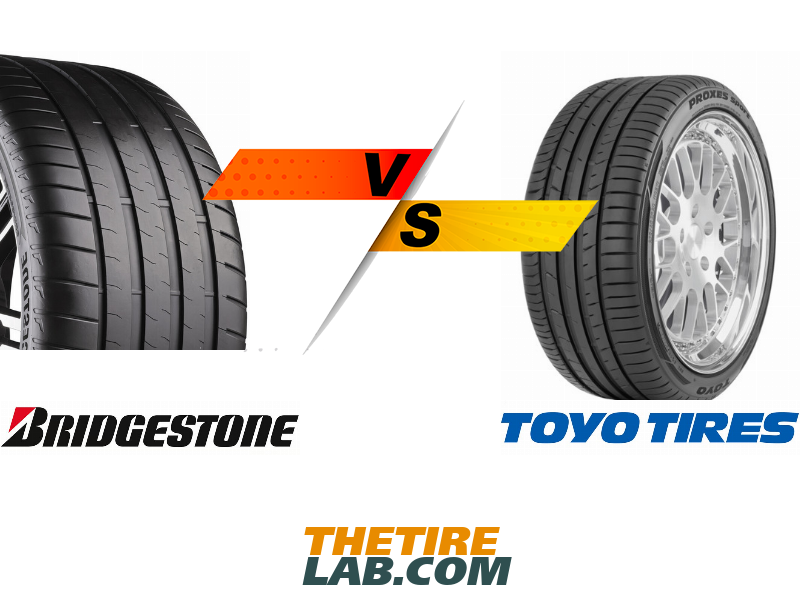
| Performance Summer | Proxes Sport | Potenza S-04 Pole Position | Toyo: Value Bridgestone: Ultimate grip |
| Touring/Comfort | Extensa A/S II | Turanza QuietTrack | Toyo: Price Bridgestone: Noise reduction |
| Winter/Snow | Celsius II | Blizzak WS90 | Toyo: All-weather flexibility Bridgestone: Ice & snow traction |
Availability And Service
Bridgestone has a larger global network, making its tires easier to find almost anywhere. You’ll find Bridgestone dealers in most cities, and many car manufacturers use Bridgestone as original equipment.
Toyo is widely available in North America, Australia, and Asia, but may be harder to find in some regions or smaller towns.
Both brands offer good after-sales service, including warranties and road hazard protection.
Environmental Impact
Sustainability is becoming more important for drivers and companies.
Bridgestone is a leader in eco-friendly initiatives. They invest in recycling programs and eco-tire technology. Their Ecopia line uses less oil in production and reduces CO2 emissions.
Toyo is also making progress, focusing on energy-saving factories and longer-lasting tires to reduce waste. However, Bridgestone has more visible global projects and partnerships for sustainability.
For more on tire industry sustainability, check the Bridgestone Sustainability Portal.
Warranty And Customer Support
Both brands offer strong warranties, but there are differences in coverage and details.
- Toyo warranties typically range from 45,000 to 65,000 miles for passenger and touring tires. Off-road models have shorter coverage.
- Bridgestone warranties can reach up to 80,000 miles for some touring tires. They also offer 30-day trial periods for certain models, so you can exchange if not satisfied.
Customer support for both brands is generally good, but Bridgestone’s larger dealer network gives it an edge for fast service and warranty claims.
When To Choose Toyo Tires
Toyo is an excellent choice if:
- You want off-road or all-terrain tires with aggressive grip.
- You’re looking for high-performance tires at a good price.
- You need a mix of value, durability, and style for trucks or SUVs.
- Your local tire shops carry Toyo and offer good after-sales support.
When To Choose Bridgestone
Bridgestone is a top pick if:
- You drive in wet, icy, or snowy conditions and need the best winter tire (Blizzak).
- You want a quiet, comfortable touring tire for daily use or long trips.
- You value long warranties and strong after-sales service.
- You need run-flat or eco-friendly technology.
Common Mistakes When Choosing Between Toyo And Bridgestone
- Overlooking your real driving needs: Don’t buy an off-road tire if you rarely leave paved roads, or a performance tire if you want comfort.
- Focusing only on price: Cheaper isn’t always better. Consider warranty, performance, and cost per mile.
- Ignoring tire age: Even top brands lose performance over time. Check manufacturing dates, not just tread.
- Skipping professional advice: Tire shops can recommend the best option for your car and climate.
- Mismatching tires: Mixing different brands or models can reduce safety and handling.
Practical Tips For Tire Buyers
- Always check your vehicle’s owner manual for recommended sizes and types.
- Consider your local weather and road conditions before deciding.
- Rotate and balance tires regularly for best performance and lifespan.
- Look for promotions or rebates from both brands to save money.
- Read reviews from drivers with similar vehicles.
Frequently Asked Questions
What’s The Main Difference Between Toyo And Bridgestone Tires?
Toyo is known for off-road and performance tires at good prices, while Bridgestone offers a wider range, including premium touring, winter, and eco-friendly tires. Bridgestone often leads in comfort, wet weather grip, and advanced features.
Which Brand Is Better For Snow And Ice?
Bridgestone is usually better, especially with its Blizzak line. These tires have special compounds and designs for maximum grip on ice and snow. Toyo’s all-weather Celsius tires are good for light snow but not as strong in extreme winter.

Credit: www.discountedwheelwarehouse.com
Are Toyo Tires Cheaper Than Bridgestone?
Often yes, especially for off-road and performance models. Toyo offers good value for the price. However, Bridgestone’s touring and eco-tires sometimes match Toyo’s prices, especially during sales.
How Long Do Toyo And Bridgestone Tires Last?
Bridgestone touring tires can last up to 80,000 miles with proper care. Toyo touring and all-season tires usually last 45,000 to 65,000 miles. Off-road and performance tires from both brands may wear out faster depending on use.
Can I Switch Between Toyo And Bridgestone On My Car?
Yes, as long as you match the correct size and type. However, it’s best to use the same brand and model on all four wheels for even performance and safety.
Choosing between Toyo Tires and Bridgestone doesn’t have to be confusing. Focus on your driving needs, budget, and the conditions you face most often. Both brands offer quality, but each has unique strengths. With the right information, you’ll enjoy safer, smoother, and more enjoyable drives—no matter which logo is on your tires.