Breaking in new motorcycle tires is an important step for every rider. If you skip this process, you risk losing grip, damaging your tires, or even having an accident. Many beginners think a tire is ready as soon as it’s installed, but this is not true.
New tires need time to reach their best performance. In this guide, you’ll learn everything you need to know about how to break in motorcycle tires safely, why it matters, and what mistakes to avoid. We’ll cover practical steps, explain the science behind tire break-in, and answer common questions so you ride with confidence.
Why Breaking In Motorcycle Tires Matters
New motorcycle tires come from the factory with a layer of mold release compound. This helps tires slide out of molds during manufacturing, but it also makes the surface slippery. The first miles with new tires can feel unstable, especially in corners. Proper break-in removes this compound, allowing the tire’s rubber to grip the road.
Breaking in tires also lets them adjust to your bike’s weight, suspension, and riding style. This helps the tire wear evenly and last longer. According to tire experts, a well-broken-in tire can improve handling by up to 30% and increase safety during emergency maneuvers.
The Science Behind Tire Break-in
Motorcycle tires are made from several layers of rubber compounds. When they’re new, the outer layer is harder and less flexible. This is due to the manufacturing process and the mold release chemicals. As you ride, friction and heat soften the rubber and remove the slippery layer.
The tire’s tread pattern also needs to settle into its true shape. This is called “conforming,” and it happens as the tire flexes under your bike’s weight. If you push new tires too hard, the rubber can tear or develop weak spots.
That’s why slow and careful break-in is important.

Credit: www.youtube.com
Step-by-step: How To Break In Motorcycle Tires
You don’t need special tools or products to break in tires. The key is a careful and gradual approach. Here’s how to do it right:
1. Start With Clean Tires
Before your first ride, check that the tires are free of dirt or oils. If needed, wipe the surface with a dry cloth. Don’t use harsh chemicals—these can damage the rubber. Clean tires help remove the mold release faster.
2. Ride Gently For The First 100 Miles
Most tire makers recommend riding gently for the first 100 miles (160 km). Avoid hard acceleration, aggressive braking, and sharp cornering. Keep your speed moderate and stay on smooth roads. This helps the tire warm up slowly and prevents uneven wear.
3. Gradually Increase Lean Angles
After about 50 miles (80 km), start adding mild lean angles in corners. Don’t push the bike to its limits. Use gentle turns to help the tire’s edge areas break in evenly. Many riders forget to break in the sides, but these are critical for safe cornering.
4. Avoid Wet Conditions
Try to break in new tires on dry roads. Wet surfaces make the slippery layer even more dangerous. If you must ride in the rain, be extra cautious—traction is much lower.
5. Check Tire Pressure Regularly
New tires can lose pressure as they adjust to your bike. Use a good pressure gauge and check before every ride. The correct pressure is usually listed in your bike’s manual or on the tire sidewall.
6. Inspect For Damage Or Irregular Wear
After your first 100 miles, inspect the tires. Look for cuts, cracks, or uneven wear. If you notice problems, consult a mechanic before continuing. Well-broken-in tires should show a dull, even surface with no shiny spots.
7. Increase Riding Intensity Gradually
Once the tires are broken in, you can start riding more aggressively. But don’t jump straight to maximum performance. Increase your speed and lean angles step by step. This helps you feel the tire’s grip and adjust your style.
Common Mistakes Riders Make
Breaking in tires is simple, but many riders make costly errors. Here are some mistakes to watch for:
- Hard braking or acceleration: This can damage the tire’s surface and cause flat spots.
- Ignoring tire pressure: Riding with low or high pressure affects break-in and safety.
- Riding aggressively too soon: The tire needs time to adjust. Don’t rush.
- Skipping inspection: Not checking for damage can lead to dangerous surprises.
- Using tire shine products: These make tires slippery. Never use them for break-in.
How Long Does Tire Break-in Take?
Most tires need 100–200 miles to fully break in. Racing tires may require less, while touring tires can take longer. Factors like road type, weather, and riding style affect break-in speed.
Here’s a quick comparison of break-in times for different types of motorcycle tires:
| Tire Type | Recommended Break-In Distance | Notes |
|---|---|---|
| Sport | 100–150 miles | Needs careful cornering |
| Touring | 150–200 miles | Focus on steady cruising |
| Off-road | 80–120 miles | Mostly straight lines |
| Racing | 50–100 miles | Can break in faster with heat cycles |
Signs Your Tires Are Properly Broken In
You’ll know your tires are ready when:
- The surface loses its shiny look and becomes dull
- Grip improves, especially in corners
- The bike feels stable during braking and turning
- Tire wear is even across the tread
If your tires still feel slippery after 200 miles, have them checked. Sometimes, defects or wrong installation can cause problems.
How Break-in Affects Tire Life And Performance
A proper break-in increases tire life by helping the rubber wear evenly. It also improves performance by allowing the tread to settle. According to a study by the National Highway Traffic Safety Administration (NHTSA), improperly broken-in tires can reduce grip by up to 20%.
Here’s a table showing the difference in performance between broken-in and non-broken-in tires:
| Test | Broken-In Tire | New Tire |
|---|---|---|
| Cornering grip | Excellent | Moderate |
| Braking distance | Short | Long |
| Wear pattern | Even | Irregular |
| Wet traction | Good | Poor |
Extra Tips For Breaking In Motorcycle Tires
Many riders overlook small details that make a big difference. Here are some extra tips:
- Ride at different speeds: Changing speed helps the tire adjust to many conditions.
- Avoid highways at first: High-speed riding is risky for new tires.
- Use both brakes: This spreads wear and helps the tire settle.
- Don’t carry passengers: Extra weight can stress the tire before it’s ready.
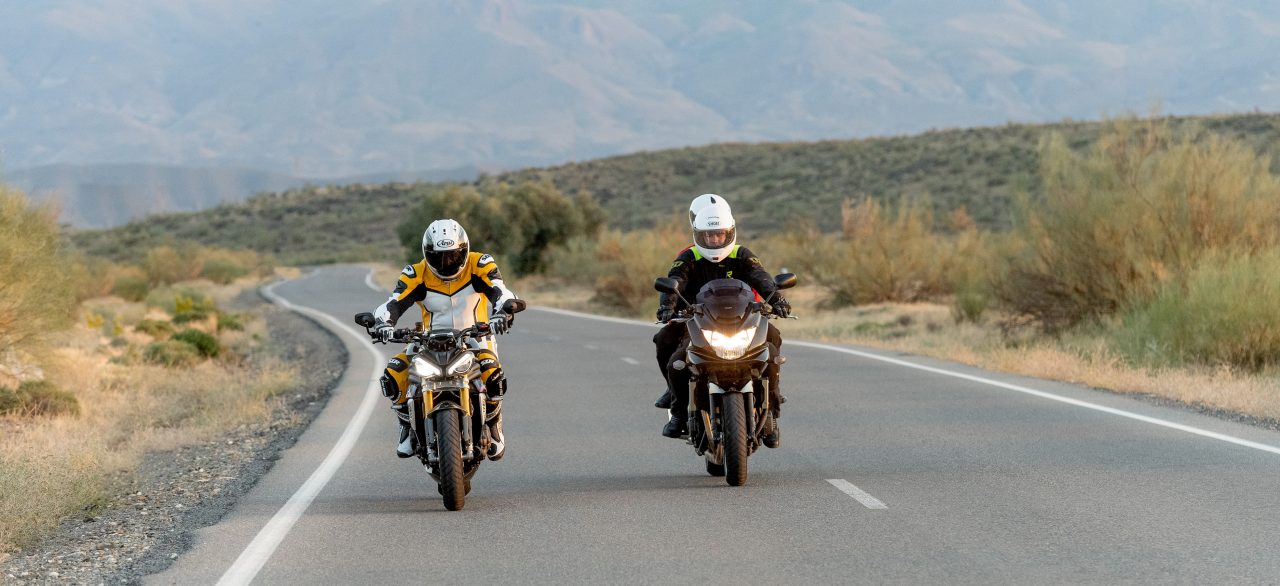
Experienced riders often suggest riding on a mix of roads—city, country, and light curves—to help tires break in faster. Another non-obvious tip: If your bike has electronic aids like traction control, keep them ON during break-in. They can save you from mistakes.
Credit: www.continental-tires.com
Can You Speed Up The Break-in Process?
Some riders try to speed up break-in by sanding the tire surface or using chemical cleaners. This is risky and not recommended. Sanding can damage the tread, and chemicals can weaken the rubber. The safest way is gradual riding.
However, “heat cycling”—where you warm up the tires, let them cool, and repeat—can help. This technique is more common in racing but can be useful for sport tires. Ride gently for 30 minutes, park the bike for an hour, then ride again.
Repeat this three times. This helps the rubber settle without stress.
For more technical details, see this Motorcycle.com guide.
Frequently Asked Questions
What Happens If I Don’t Break In My Motorcycle Tires?
If you skip break-in, your tires can stay slippery. This increases the risk of losing control, especially in turns or wet conditions. You might also see uneven wear, which makes tires wear out faster.
Can I Use Tire Shine Products On New Tires?
No. Tire shine products make the surface slippery and unsafe. Only use mild soap and water to clean tires. Never apply chemicals during break-in.
Is It Safe To Ride In The Rain With New Tires?
It’s best to avoid rain during break-in. The surface is extra slippery when wet. If you must ride, go slowly and avoid sharp turns.
How Do I Know If My Tires Are Broken In?
Check the surface. Broken-in tires look dull, not shiny. You’ll feel more grip in corners, and the bike will handle better. If in doubt, ride gently until you’re sure.
Should I Carry A Passenger During Break-in?
No. Extra weight can stress the tire and cause uneven wear. Wait until the break-in period is finished before carrying passengers.
Breaking in motorcycle tires is a simple but vital process. It keeps you safe, makes your bike handle better, and extends tire life. By following the steps above, inspecting your tires, and avoiding common mistakes, you ensure every ride starts with confidence. Remember: patience is your best tool. Take your time, and let your tires become the strong, reliable foundation your motorcycle needs.

Credit: www.bobscycle.com