A blinking tire pressure light can be alarming, especially if you are not sure what it means or how serious it is. Many drivers face this situation and ask themselves: Can I drive with a blinking tire pressure light? Let’s explore the risks, the reasons behind the blinking light, and what you should do next. This guide will help you understand everything about tire pressure warnings and driving safety, using simple language and practical advice.
What Does A Blinking Tire Pressure Light Mean?
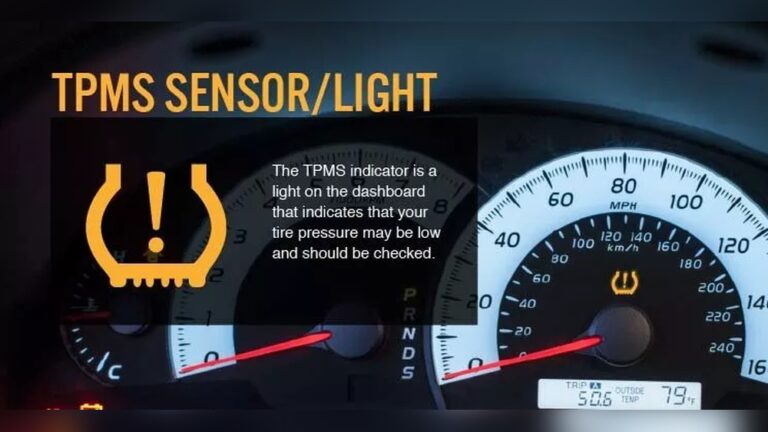
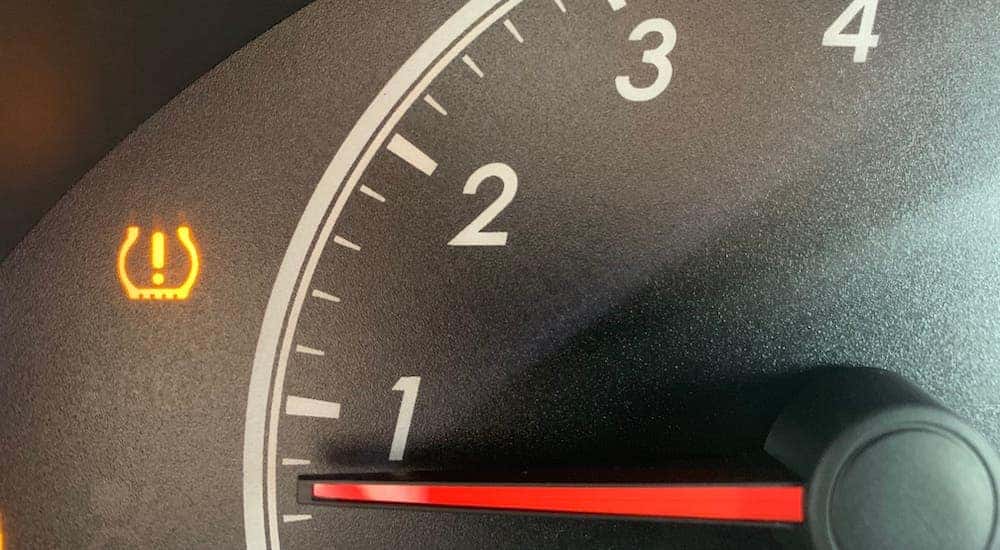
The tire pressure monitoring system (TPMS) keeps track of the air pressure in your tires. Normally, if your tire pressure is too low or too high, the TPMS light turns on and stays steady. But when the light blinks, it’s usually a sign of a bigger problem.
A blinking tire pressure light often means:
- The TPMS sensor is malfunctioning
- The system cannot read tire pressure correctly
- There may be a lost connection with one or more sensors
This is different from a steady light, which simply alerts you to low tire pressure. If your TPMS light blinks for 60-90 seconds and then stays on, your car’s computer is telling you that it cannot monitor your tires reliably.
Common Causes For A Blinking Tpms Light
- Dead or weak sensor battery
- Damaged TPMS sensor
- Incorrect sensor installation
- Interference from other electronic devices
- Wiring or communication issues
Most TPMS sensors use batteries that last 5-10 years. When the battery dies, the sensor stops working. Sometimes, after changing tires or wheels, the sensors are not installed correctly, causing the light to blink. Electronic interference can also disrupt the signal.
Is It Safe To Drive With A Blinking Tire Pressure Light?
Driving with a blinking tire pressure light is not immediately dangerous, but it can become risky very quickly. The main issue is that you lose the safety net of the TPMS system. You cannot rely on the light to warn you about dangerous tire pressure.
Risks You Face
- You might not notice a slow leak until it causes a flat tire
- Uneven tire pressure can lead to poor handling
- Increased risk of tire blowout at high speeds
- Reduced fuel efficiency due to improper pressure
If you continue to drive without fixing the TPMS issue, you are trusting your tires to stay safe without any warning system. This is especially risky during long drives, in bad weather, or on highways.
Real-world Example
In 2022, the National Highway Traffic Safety Administration (NHTSA) reported that low tire pressure was a factor in over 700 accidents in the US. Most of these happened because drivers did not know their tires were unsafe. If your TPMS is not working, you could be in a similar situation.
What Should You Do When The Tpms Light Blinks?
The best response is to check your tire pressure manually and fix the sensor problem as soon as possible. Here’s a step-by-step approach:
- Stop in a safe place – Don’t ignore the light. Pull over when you can.
- Check all tires with a gauge – Use a digital or manual tire pressure gauge.
- Compare readings with recommended values – You can find these in your car’s manual or on a sticker inside the driver’s door.
- Inflate or deflate tires as needed – Adjust the pressure to match the recommended numbers.
- Restart your car – Sometimes the light resets if pressure is correct.
- If the light still blinks, visit a mechanic – The TPMS sensor may need repair or replacement.
Extra Tip: Don’t Rely Only On The Light
Many beginners assume the TPMS will always tell them when something is wrong. But if the sensor is broken, it cannot warn you about low pressure. Always check your tires by hand if the light blinks.
How Tire Pressure Affects Driving Safety
Proper tire pressure is one of the most important parts of safe driving. When tires are under-inflated or over-inflated, they behave differently. Let’s compare the effects:
| Condition | Handling | Braking | Fuel Efficiency |
|---|---|---|---|
| Normal Pressure | Stable | Shorter distance | Good |
| Low Pressure | Soft, less control | Longer distance | Poor |
| High Pressure | Hard, bouncy | Shorter distance | Better, but unsafe |
Low tire pressure increases friction, which makes your car harder to control and stops it from braking quickly. High pressure can cause tires to wear out faster and lose grip.
Credit: www.blossomchevrolet.com
How To Check Tire Pressure Without Tpms
If your TPMS is not working, you need to check tire pressure manually. Here’s how:
- Buy a tire pressure gauge (digital is more accurate)
- Remove the cap from the tire valve
- Press the gauge onto the valve until you hear a hiss
- Read the pressure on the gauge
- Add air if needed at a gas station or with a portable pump
Most cars recommend 32–35 PSI (pounds per square inch). If you are unsure, check your manual or the sticker inside the driver’s door.
Comparing Manual Checking Vs. Tpms
| Method | Accuracy | Convenience | Cost |
|---|---|---|---|
| Manual Gauge | High | Medium | Low |
| TPMS | Medium | High | High (repair) |
Manual checking gives you direct control, but TPMS is faster and easier. If your TPMS fails, manual checking is the safest backup.
Common Mistakes When Dealing With A Blinking Tpms Light
Many drivers make errors when the tire pressure light blinks. Here are some mistakes to avoid:
- Ignoring the warning – Thinking it’s just a false alarm can lead to accidents.
- Not checking tires manually – Relying only on the light can leave you at risk.
- Driving long distances with the issue – The longer you drive, the more dangerous it becomes.
- Using wrong tire pressure values – Always use the numbers from your car, not general advice.
- Delaying sensor repair – Waiting too long can cause bigger problems, like tire damage.
How Long Can You Drive With A Blinking Tire Pressure Light?
There is no exact safe time limit, but here’s a simple guideline: If you have checked your tires and the pressure is correct, you can drive for a short distance to reach a repair shop. If you have not checked your tires, you should not drive at all.
Driving for days or weeks with a blinking TPMS is risky. The sensor problem will not fix itself, and your tires can develop leaks or other issues without warning.
Repairing A Tpms Sensor: What To Expect
Repairing or replacing a TPMS sensor is a common job for mechanics. The process usually takes about 30–60 minutes and costs $50–$250 per sensor, depending on your car and the sensor type.
Some cars require all sensors to be replaced at the same time. Others allow only the faulty sensor to be changed. Make sure your mechanic uses the right sensor for your vehicle model.
Extra Insight: Reprogramming Vs. Replacement
In some cases, the sensor is still good but needs to be reprogrammed. This is cheaper and faster than replacement. Ask your mechanic if reprogramming is possible before paying for a new sensor.

Credit: www.toyotaofnorthcharlotte.com
Can You Drive Without A Tpms System?
Technically, you can drive without TPMS if you check your tires by hand regularly. But you lose the extra safety. In many countries, including the US, cars made after 2007 must have TPMS. Driving with a broken TPMS may not pass inspection.
Legal And Insurance Issues
Some insurance companies may not cover damage caused by tire failure if your TPMS was not working. Check your policy and local laws to avoid problems.
Preventing Tpms Problems
You can avoid TPMS issues by following these tips:
- Check tire pressure monthly
- Rotate tires every 5,000–8,000 miles
- Replace TPMS batteries every 5–10 years
- Avoid harsh impacts or bumps
- Have sensors checked during tire changes
Regular care keeps your system healthy and prevents blinking lights.

Credit: carista.com
The Real Cost Of Ignoring A Blinking Tire Pressure Light
Ignoring a blinking tire pressure light can lead to:
- Tire replacement costs ($200–$800 for a set)
- Accident repairs ($1000+)
- Lost fuel efficiency (spend more on gas)
- Legal fines for unsafe vehicle
It’s always cheaper to fix the sensor early than to pay for bigger problems later.
Why Tpms Is Important For Modern Cars
TPMS is more than just a warning light. It helps you keep your tires at the right pressure, which improves safety, saves money, and protects your car. Modern cars rely on electronic systems for safety. If one fails, others may also be affected.
Extra Insight: Tpms And Car Computers
In some cars, a blinking TPMS can cause other warning lights, like ABS or traction control. This happens because the systems share information. If one sensor fails, the car’s computer cannot get correct data. This can make your car less safe.
Frequently Asked Questions
What Should I Do First When My Tire Pressure Light Blinks?
Stop in a safe place and check your tire pressure manually. If the pressure is correct, the blinking light means the sensor needs repair. Visit a mechanic soon.
Can I Reset The Tpms Light Myself?
You can try to reset the light by inflating the tires to the correct pressure and restarting the car. If the light still blinks, the sensor is malfunctioning and needs professional help.
Is It Illegal To Drive With A Broken Tpms?
In many countries, cars must have a working TPMS to pass inspection. While it may not be illegal for short trips, you could face fines or insurance issues if you ignore the problem.
How Much Does Tpms Repair Cost?
Repair costs range from $50–$250 per sensor. Reprogramming is cheaper if possible. It’s best to ask your mechanic for an estimate.
Where Can I Find More Information About Tpms?
You can learn more from the National Highway Traffic Safety Administration, which provides safety guidelines and research.
A blinking tire pressure light should never be ignored. It’s a sign that your car cannot monitor tire safety. Always check your tires manually and fix the sensor quickly. Proper tire pressure protects you, saves money, and keeps your car running smoothly.
Taking action now is the smartest way to stay safe on the road.