Should You Over Inflate Your Tires In The Winter
Winter brings many challenges for drivers, from icy roads to low visibility. One question often comes up during the colder months: Should you over inflate your tires in the winter? Many people believe that adding extra air can improve performance and safety, but is this true? To answer, we need to look at how cold affects tires, what experts recommend, and what can happen if you make the wrong choice. This guide will help you understand the science behind tire pressure in winter, the risks of over inflation, and what you should do to stay safe.
How Cold Temperatures Affect Tire Pressure
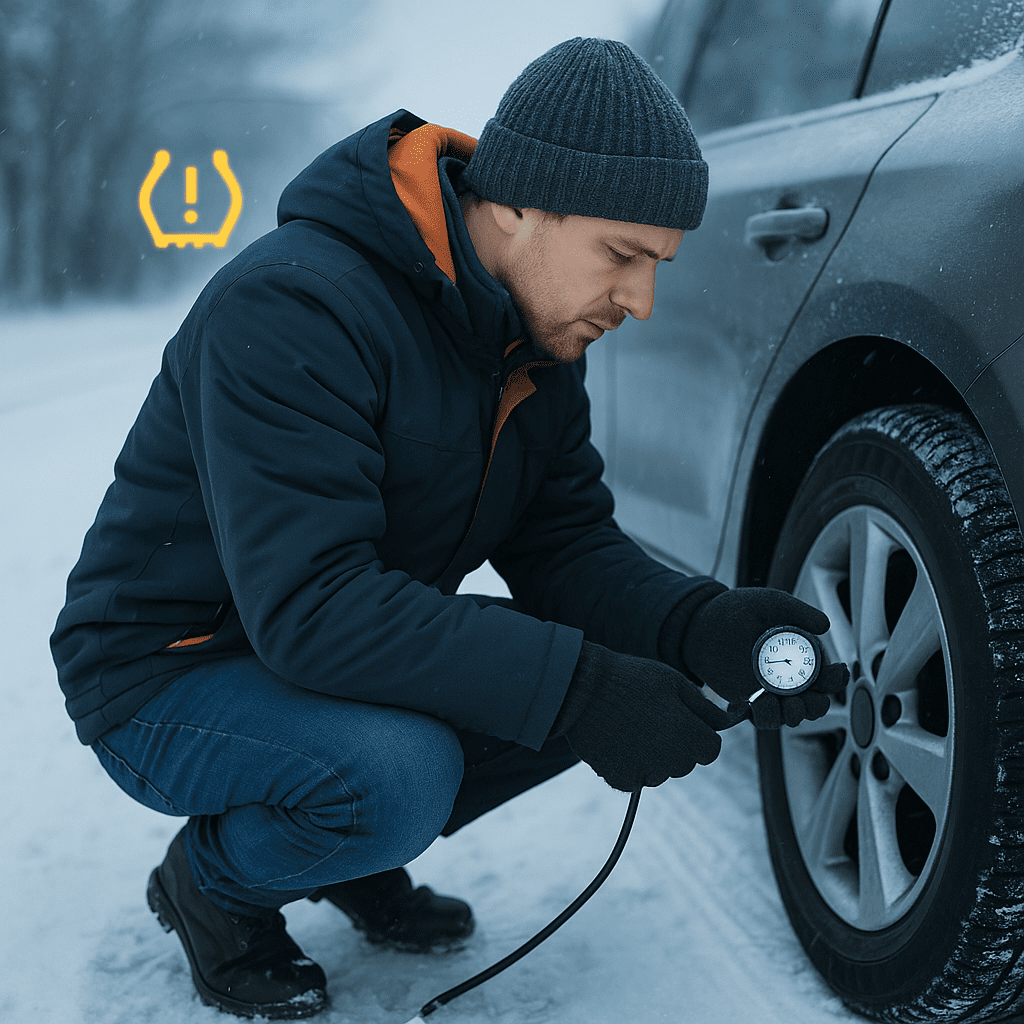
When temperatures drop, tire pressure changes. Air inside your tires contracts in the cold, causing the pressure to decrease. For every 10°F drop in temperature, tire pressure falls by about 1 PSI (pounds per square inch). If you park your car overnight in freezing weather, you might notice your tires look a bit low in the morning.
Why does this happen? Air molecules move slower and take up less space when cold. This means the same amount of air inside the tire pushes less against the tire walls. As a result, you may see your dashboard warning light or notice your tires look flatter.
Some drivers try to solve this by over inflating their tires, hoping to maintain the recommended pressure during the day. But before you add extra air, it’s important to know the risks and the correct approach.
The Dangers Of Over Inflating Tires
Over inflation can cause several problems, especially in winter. Here are the main risks:
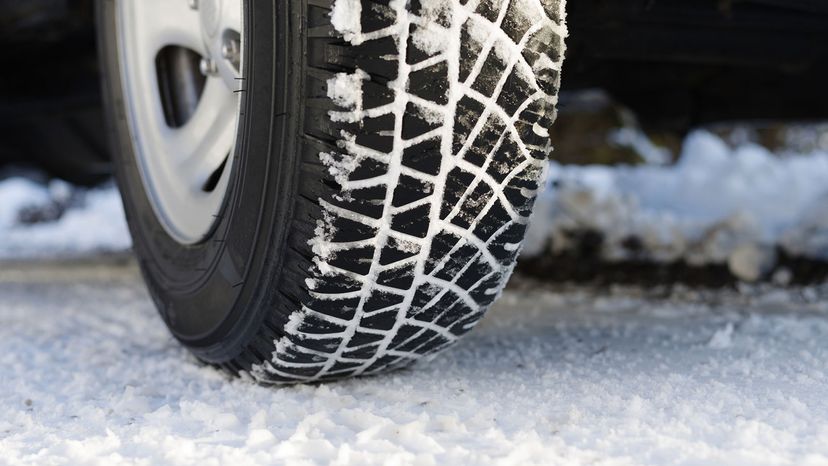
- Reduced traction: When tires are too hard, the part touching the road gets smaller. This means less grip, which is dangerous on icy or snowy roads.
- Uneven tire wear: Over inflated tires wear out faster in the center. This shortens their lifespan and means you’ll need to buy new tires sooner.
- Poor handling: Your car may feel bouncy or unstable. Turning and stopping can be harder, especially in emergency situations.
- Increased risk of blowouts: Too much pressure can make tires more likely to burst, especially if you hit a pothole or debris.
A common mistake is thinking that a little extra air will improve safety. But the opposite is true. It’s better to keep tires at the manufacturer’s recommended pressure instead of guessing.
Credit: www.trafficsafetystore.com
Recommended Tire Pressure: What Do Experts Say?
Every car has a recommended tire pressure. You can find this number on a sticker inside the driver’s door or in your owner’s manual. Most passenger vehicles recommend between 30 and 35 PSI, but the exact number depends on the car and tire type.
Experts from the National Highway Traffic Safety Administration (NHTSA) and tire companies agree: Do not over inflate your tires in winter. Instead, check your tire pressure often, especially after a big drop in temperature. Adjust the pressure to match the number on your car’s sticker, not the tire sidewall.
Here’s a simple guide for checking tire pressure in winter:
- Measure pressure when tires are cold, before driving.
- Use a good-quality gauge, not just your eye.
- Add air if pressure is below the recommended level.
- Never go above the recommended PSI.
Over Inflation Vs. Under Inflation: Side-by-side Comparison
To understand the effects, see the differences between over inflation and under inflation:
| Condition | Effects | Safety Risks |
|---|---|---|
| Over Inflated | Hard ride, less traction, center wear | Blowouts, poor handling, less grip |
| Under Inflated | Soft ride, more traction, edge wear | Overheating, tire failure, slow response |
| Properly Inflated | Balanced ride, even wear, optimal grip | Best safety, best performance |
Both over and under inflation are dangerous. Proper inflation is always best, especially in winter.
.jpg)
Credit: www.alltechautomotive.com
Real Data: Tire Pressure In Winter
Research shows that tire pressure drops quickly in cold conditions. In a study by the Rubber Manufacturers Association, tires lost 2–4 PSI after just one cold night. If your car’s recommended pressure is 32 PSI and you park outside in winter, your tires could be at 28–30 PSI by morning. This is enough to trigger a warning light or change your car’s handling.
According to AAA, under inflated tires are involved in thousands of winter accidents each year. They advise checking tire pressure at least once a month and after major temperature changes.
What Happens If You Over Inflate Your Tires?
Over inflating may seem like a quick fix, but it leads to several problems:
- Reduced comfort: The car will feel stiff and may shake more on rough roads.
- Worse braking: Tires cannot grip the road as well, so stopping takes longer.
- Less control: Turning becomes risky, especially if you hit ice or snow.
- Faster wear: Tires will wear out in the middle, costing you more money.
In winter, these problems are worse because roads are slippery and cold air makes tires harder.
How To Adjust Tire Pressure In Winter
To stay safe, follow these steps:
- Check pressure often: At least once a week, or after big weather changes.
- Use a digital gauge: They are more accurate than old-style gauges.
- Adjust to manufacturer’s PSI: Always use the number from your car’s sticker.
- Don’t add extra air: Only fill to the recommended level.
- Check spare tire too: Cold affects all tires, including your spare.
Some people ask if they should add a bit more air to “prepare” for cold. The answer is no. Instead, check and fill your tires regularly. This is safer and keeps your tires in good condition.
Should You Over Inflate For Short Trips?
Some drivers think that if they are only driving a short distance, extra air won’t hurt. But even for short trips, over inflation can cause problems. The car may skid or slide, especially when turning or stopping quickly.
If you drive a lot in winter, such as for work or school, keeping tires at the right pressure is even more important. It’s better to check your tires often than risk an accident.
Tire Pressure Monitoring Systems (tpms) In Winter
Many modern cars have TPMS. This system alerts you if tire pressure drops below a safe level. In winter, your TPMS may go off more often because of the cold.
If the warning light appears, don’t ignore it. Check your tires with a gauge and refill as needed. Don’t just add extra air to turn off the light; always aim for the recommended PSI.
Some TPMS systems can be slow to update or may not show small changes. It’s still wise to check pressure yourself, especially in cold weather.
Comparing Tire Types: Does Winter Tire Pressure Matter?
Different tires handle cold differently. Here’s a comparison:
| Tire Type | Cold Impact | Recommended Action |
|---|---|---|
| All-Season | Pressure drops in cold | Check weekly, refill as needed |
| Winter/Snow | Designed for cold, but pressure still falls | Check weekly, follow car’s sticker |
| Performance | More sensitive to cold | Check often, don’t over inflate |
No matter the tire type, proper pressure is key. Winter tires give better grip, but only if they’re inflated correctly.
Common Myths About Winter Tire Inflation
Many people believe myths about tire inflation in winter. Here are some to watch out for:
- Myth 1: “Over inflating helps tires last longer.” In truth, over inflation causes faster wear.
- Myth 2: “Extra air gives better fuel economy.” While low pressure can hurt mileage, too much air reduces traction and safety.
- Myth 3: “You should inflate to the number on the tire.” Always use the car manufacturer’s number, not the tire sidewall.
- Myth 4: “TPMS is always accurate.” TPMS helps, but manual checks are still needed.
Understanding these myths helps you make smarter choices.
Practical Tips For Winter Tire Care
Here are some steps to keep your tires in top shape during winter:
- Check pressure when tires are cold, not after driving.
- Keep a digital pressure gauge in your car.
- Inspect tires for cracks or damage every week.
- Rotate tires regularly for even wear.
- Consider switching to winter tires if you live in a snowy area.
- Don’t forget to check your spare tire.
These steps help reduce risks and improve safety during winter.
Non-obvious Insights Most Beginners Miss
- Tire pressure changes daily: Many people think it only changes once, but cold mornings and warmer afternoons can cause slight shifts. Always check in the morning.
- Air leaks faster in winter: Cold weather can cause tiny leaks to become bigger problems. If you see slow leaks, fix them quickly.
- TPMS batteries can fail in cold: If your TPMS light stays on or flashes, the battery might be weak. Get it checked if you’re unsure.
Knowing these details helps avoid common mistakes.
Expert Recommendations And Best Practices
Experts suggest these best practices:
- Check tire pressure at least once a week during winter.
- Only use the manufacturer’s recommended PSI.
- Never over inflate, even if your TPMS light goes off.
- Replace worn tires before winter for better grip.
- For more in-depth advice, see Consumer Reports.
Credit: auto.howstuffworks.com
Frequently Asked Questions
What Happens If I Over Inflate My Tires In Winter?
Over inflating makes tires harder and reduces the area touching the road. This causes less grip, faster wear, and can lead to blowouts. It’s unsafe, especially on icy roads.
Is It Normal For Tire Pressure To Drop During Winter?
Yes, tire pressure drops about 1 PSI for every 10°F colder. This is normal, and you should refill tires to the recommended level, not over inflate.
How Often Should I Check My Tire Pressure In Winter?
Check tire pressure at least once a week, and after big changes in temperature. Always check when tires are cold for the most accurate reading.
Should I Inflate Tires To The Number On The Tire Sidewall?
No, use the number on your car’s sticker or owner’s manual. The sidewall number is the maximum, not the recommended pressure.
Can Over Inflating Improve Fuel Economy?
Slightly higher pressure might help fuel economy, but over inflating reduces safety and increases tire wear. It’s not worth the risk.
Staying safe in winter is about smart, regular maintenance. Over inflating tires is not the answer. Instead, check your tire pressure often, use the correct PSI, and follow expert advice. This will keep your car handling well, save money, and protect you on the road.