For many drivers, picking the right tire brand is not as simple as it seems. Some names stand out, while others are quietly sold by local dealers across North America. Multi Mile Tires is one of those brands you’ll often see at independent shops, but you may not know who actually makes them. There’s a surprising story behind these tires—a story that connects private labels, big manufacturers, and a long history in the tire industry.
If you’ve seen Multi Mile Tires and wondered if they’re worth your money, or who really stands behind their quality, you’re not alone. This guide will walk you through exactly who makes Multi Mile Tires, how they’re produced, and what makes them different from other brands.
You’ll also learn about their product range, manufacturing process, and what to consider before buying. By the end, you’ll have a clear picture—no more guessing when you see Multi Mile Tires at your local shop.
The Origin Of Multi Mile Tires
Multi Mile Tires is a private label brand, which means the brand itself does not own factories or directly manufacture tires. Instead, Multi Mile sources its tires from established tire manufacturers, then sells them under the Multi Mile name. This business model is common in the tire industry, but not always obvious to buyers.
The Multi Mile brand traces its roots back to the TBC Corporation, a major player in the US tire distribution market. TBC Corporation manages several private label brands and supplies tires to thousands of dealers across North America. Multi Mile was created to give independent tire shops an exclusive brand to offer customers—something different from mass-market names like Goodyear or Michelin.
What’s unique about Multi Mile is that its tires are built by some of the world’s largest tire manufacturers. Over the years, these have included companies like Cooper Tire & Rubber Company, Sumitomo Rubber Industries, and others. The exact manufacturer can change depending on the tire type, size, and production year.
Who Actually Makes Multi Mile Tires?
To understand who makes Multi Mile Tires, it helps to see the relationships between brands, distributors, and manufacturers.
| Brand | Distributor/Owner | Manufacturers (Past & Present) |
|---|---|---|
| Multi Mile | TBC Corporation | Cooper Tire, Sumitomo Rubber, Sailun, Linglong, others |
| Sumitomo | Sumitomo Rubber Industries | Sumitomo-owned factories |
| Cooper | Goodyear (since 2021) | Cooper-owned factories |
TBC Corporation is the company that owns the Multi Mile brand. TBC does not make tires itself. Instead, it contracts production to different manufacturers, both in the US and overseas. The main companies that have produced Multi Mile Tires include:
1. Cooper Tire & Rubber Company
For many years, Cooper produced several lines of Multi Mile tires in the US. Cooper is known for making reliable private label tires and also supplies other brands like Mastercraft.
2. Sumitomo Rubber Industries
After a partnership between TBC and Sumitomo, some Multi Mile tires began to be made by Sumitomo factories, including those in the US and Asia.
3. Sailun Tire Group
In the past decade, some Multi Mile tires, especially budget lines, have been made by Sailun in China. Sailun is a growing tire manufacturer with a focus on affordable products.
4. Linglong Tire
Certain specialty tires, like trailer or commercial tires, may be produced by Linglong, another large Chinese manufacturer.
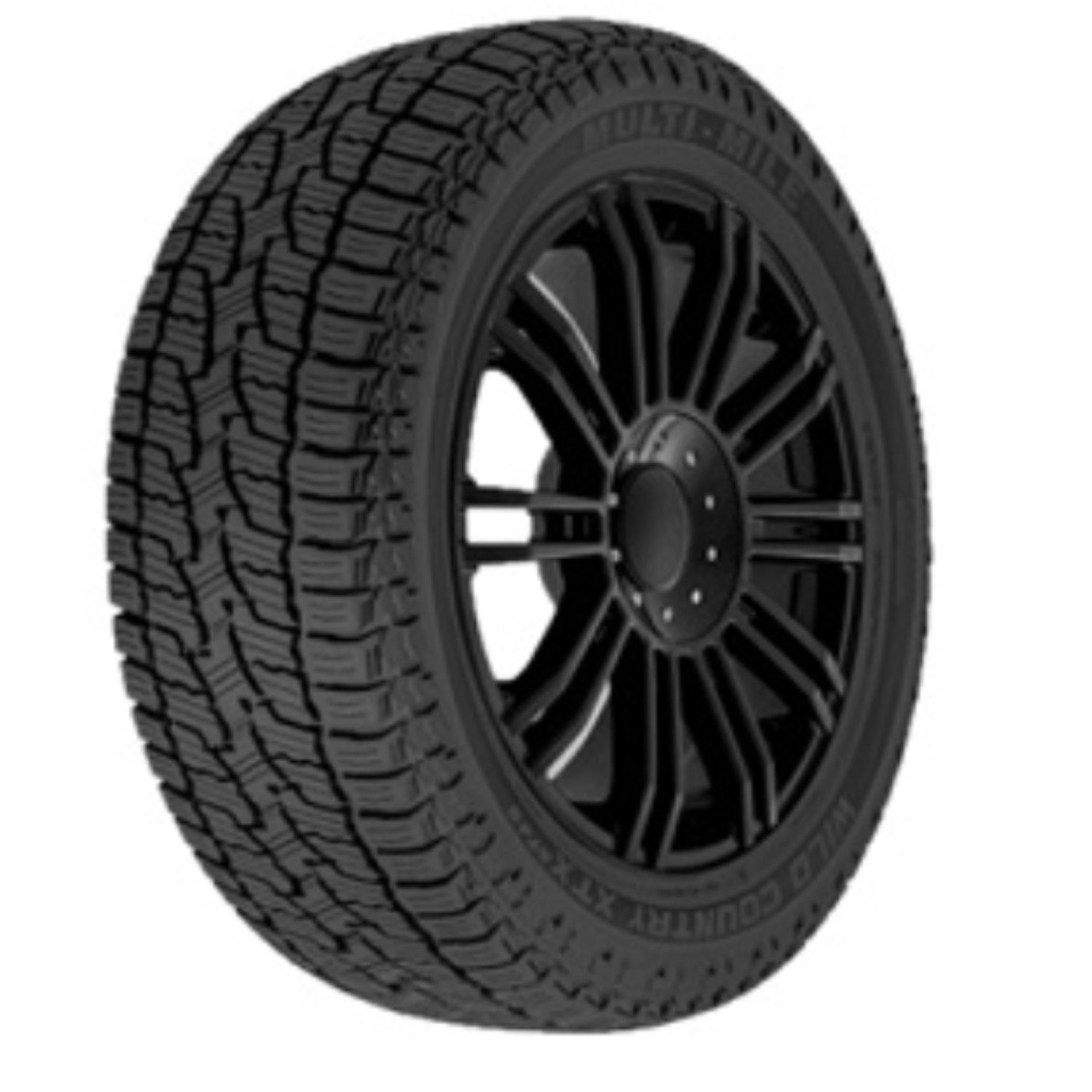
It’s important to note that the specific factory or company making a Multi Mile tire can change based on factors like cost, supply, and market needs. For example, a Multi Mile Wild Country XTX tire in one size might be made by Cooper, while another size could come from Sailun or Sumitomo.
Credit: simpletire.com
How Multi Mile Tires Are Produced
Since Multi Mile is a private label, the design, materials, and quality control are set by agreements between TBC and the contract manufacturer. Here’s how the process generally works:
- Design and Specification
- TBC Corporation decides what kind of tire it wants: For example, an all-season passenger tire, a mud-terrain truck tire, or a trailer tire.
- TBC works with the manufacturer to design the tire, choosing tread patterns, rubber compounds, and performance targets.
- Manufacturing
- The selected manufacturer produces the tires in its own factories, using its technology and equipment.
- The manufacturer may produce the same tire under other private labels, sometimes with minor differences.
- Quality Control
- TBC sets quality standards, but the day-to-day quality control happens at the manufacturing plant.
- Most factories that produce Multi Mile tires are ISO certified and follow international safety standards.
- Distribution
- Finished tires are shipped to TBC’s warehouses and then distributed to independent tire shops, wholesalers, and some online retailers.
This process allows Multi Mile to offer a wide range of tires at competitive prices. However, it also means that the origin of a specific tire can vary. If you want to know exactly where your Multi Mile tire was made, check the DOT code on the sidewall—the first two letters/numbers identify the manufacturing plant.
Product Range: What Types Of Tires Does Multi Mile Offer?
Multi Mile is not a single-tire brand. It covers many different types of tires for various needs and vehicles. The main categories include:
Passenger Car Tires
These are designed for everyday vehicles, focusing on comfort, longevity, and safe handling. Multi Mile offers all-season options for most sedans, coupes, and minivans.
Light Truck & Suv Tires
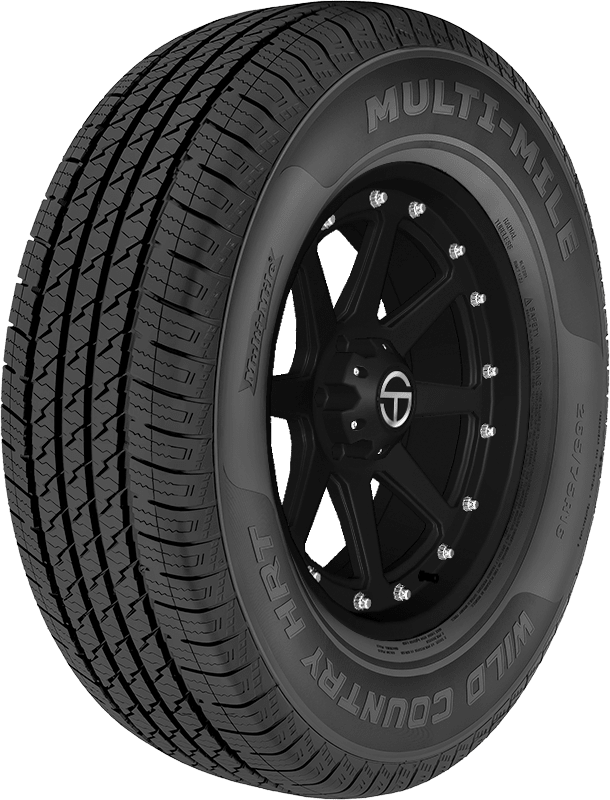
This is one of Multi Mile’s strongest segments. Their Wild Country line, for example, includes all-terrain and mud-terrain tires popular with pickup and SUV drivers. These tires are built for durability and off-road traction.
Commercial & Trailer Tires
Multi Mile also supplies specialty tires for commercial vehicles, trailers, and even some agricultural equipment. These are often built by different manufacturers than the passenger lines.
Winter Tires
Some Multi Mile tires are designed specifically for winter use, with tread patterns and rubber compounds that stay flexible in cold temperatures.
Performance Tires
A smaller segment, but available for those who want higher-speed ratings and sportier handling.
Here’s a quick overview of Multi Mile’s main product lines:
| Product Line | Type | Main Features |
|---|---|---|
| Wild Country | All-Terrain / Mud-Terrain | Off-road traction, reinforced sidewalls, large tread blocks |
| Matrix Tour RS | Passenger All-Season | Long tread life, quiet ride, wet/dry handling |
| Supreme SI | Winter Tire | Snow/ice grip, winter rubber compound |
| Commercial LT | Light Truck/Commercial | Heavy load capacity, durability |
| Radial ST | Trailer | Special trailer construction, high stability |
Strengths And Weaknesses Of Multi Mile Tires
Like any private label brand, Multi Mile Tires have their own pros and cons. Here’s what buyers should know:
Strengths
- Affordability: Multi Mile tires are usually less expensive than big-name brands, sometimes by 20–40%.
- Wide Selection: There’s a tire for almost every vehicle and need.
- Local Dealer Support: Multi Mile is mainly sold through independent dealers who often provide good service and installation.
- Backed by Major Manufacturers: Many Multi Mile tires are made by companies like Cooper or Sumitomo, so quality can be quite good.
Weaknesses
- Inconsistent Manufacturing: The same tire model might be made by different companies, so performance can vary.
- Limited Brand Recognition: Multi Mile has less brand cachet than Michelin or Goodyear, which can affect resale value.
- Warranty and Support: Warranties are set by TBC and the dealer, not the manufacturer. This can sometimes mean more complicated claims.
Two Insights Most Buyers Miss
- Not All Multi Mile Tires Are Equal: Because of multiple manufacturers, two tires with the same name but different sizes might be made in different countries, with different rubber compounds. Always check the sidewall for the DOT code to see where your tire was made.
- Dealer-Only Availability: Multi Mile is rarely sold at big box stores or online giants. This means prices and service quality can vary more than with national brands. It pays to compare local dealers for the best deal and after-sale support.
How Do Multi Mile Tires Compare To Other Brands?
Many drivers want to know if Multi Mile is as good as other budget or mid-tier brands. Here’s a quick comparison with two common alternatives: Cooper and Mastercraft (another private label).
| Brand | Price Range | Warranty | Main Market | Manufacturing Consistency |
|---|---|---|---|---|
| Multi Mile | Low-Mid | Dealer-based | Independent dealers | Varies by line/size |
| Cooper | Mid | National warranty | Mass market, dealers, online | High (Cooper factories) |
| Mastercraft | Low-Mid | Dealer-based | Independent dealers | Mostly Cooper |
Multi Mile is best for those who want a good value, can buy from a trusted local dealer, and don’t need a premium brand name. If you want the most consistent quality and nationwide support, a major brand like Cooper may be a safer bet.
Credit: simpletire.com
Things To Consider Before Buying Multi Mile Tires
If you’re thinking about Multi Mile for your next set of tires, here are some practical tips:
- Check the Dealer’s Reputation: Since support and warranty depend on the dealer, pick one with a good track record.
- Inspect the DOT Code: This tells you where and when the tire was made. Look up the code if you want to know the specific factory.
- Ask About Warranties: Make sure you understand what’s covered and who handles claims—some dealers offer extended coverage.
- Compare Total Cost: Sometimes a slightly more expensive tire from a more recognized brand comes with better support or a longer treadwear warranty.
- Consider Your Driving Needs: If you mostly drive in the city, a Multi Mile all-season tire may be perfect. For heavy towing or off-roading, compare tread designs and sidewall strength carefully.
The Future Of Multi Mile Tires
The tire industry is changing quickly, with more private labels and global manufacturing. Multi Mile continues to be a strong choice for local dealers who want a reliable, value-focused brand. As TBC Corporation adapts to new trends and partners with different manufacturers, you may see new Multi Mile tire models and technologies in the coming years.
If you want to stay up-to-date on tire industry news, the TBC Corporation website and trade magazines like Modern Tire Dealer are good sources. For deep dives into DOT codes and manufacturing, visit the Wikipedia Tire Code page.

Credit: sweattire.com
Frequently Asked Questions
Who Currently Manufactures Multi Mile Tires?
Multi Mile tires are made by several companies, mainly Cooper Tire, Sumitomo Rubber Industries, Sailun, and Linglong. The specific manufacturer can change depending on the tire model, size, and production year.
Is Multi Mile A Good Tire Brand?
Multi Mile offers good value and decent quality, especially for drivers looking for affordable options. However, because different factories make their tires, quality and performance can vary between models and sizes.
Where Can I Buy Multi Mile Tires?
You can buy Multi Mile tires at independent tire dealers across North America. They are rarely found at big box stores or major online retailers, so check with local shops for availability.
How Do I Find Out Who Made My Multi Mile Tire?
Look for the DOT code on the tire’s sidewall. The first two characters show the factory where the tire was made. You can look up these codes online to identify the specific manufacturer.
Are Multi Mile Tires Made In The Usa?
Some Multi Mile tires are made in the USA, especially those produced by Cooper Tire. Others are made in China, Thailand, or other countries, depending on the contract manufacturer and tire type.
Multi Mile Tires may not have the brand power of Michelin or Goodyear, but they deliver solid value and are backed by some of the biggest names in tire manufacturing. If you buy from a trusted dealer and do your research, Multi Mile can be a smart choice for many drivers.