Many drivers rely on their car’s tire pressure monitoring system (TPMS) to stay safe. This system warns you when your tires lose air, helping you avoid flat tires, poor handling, or even accidents. But what happens if the sensor itself is not working right? A bad tire pressure sensor can give false warnings or, worse, no warning at all. Understanding how to tell if your tire pressure sensor is bad can save you money, time, and keep you safer on the road.
Let’s explore how these sensors work, the signs that show there’s a problem, how you can test them, and what steps you should take next. Even if you’re not a car expert, you’ll learn how to spot issues before they become serious.
How Tire Pressure Sensors Work
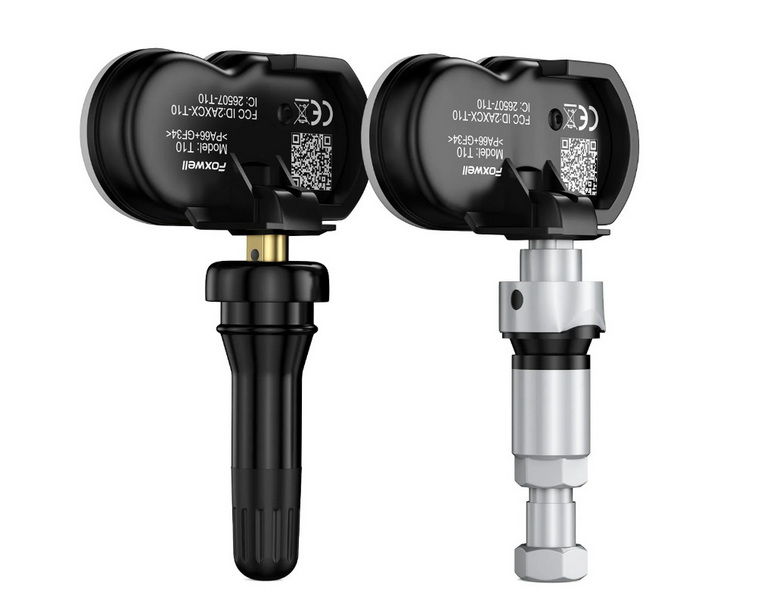
Most cars made after 2008 have a TPMS system by law. These use small electronic sensors inside each tire or on the valve stem. Their job is simple: measure the air pressure and send information to your car’s computer. If the pressure drops below a safe level, a warning light appears on your dashboard. There are two main types:
- Direct TPMS: Each tire has its own sensor, sending exact pressure readings.
- Indirect TPMS: The system uses the car’s ABS sensors to detect changes in wheel speed, which can mean low pressure.
Direct systems are more common and reliable, but both can develop problems over time.
Common Signs Of A Bad Tire Pressure Sensor
How do you know if the tire pressure sensor is the problem, not just low air? Watch for these clear signs:
1. Tpms Warning Light Stays On
If the warning light stays on even after inflating your tires correctly, the sensor may not be sending the right signal.
2. Tpms Light Flashes And Then Stays On
A flashing TPMS light when you start the car, followed by a steady light, usually means a sensor failure or connection issue.
3. Incorrect Pressure Readings
Your dashboard shows a tire is flat or has low pressure, but when you check with a gauge, the pressure is fine.
4. No Warning When Tire Is Flat
The most dangerous sign: you get a flat tire, but the TPMS gives no warning at all. This means the sensor is not working.
5. Battery Life Warning
Many sensors have built-in batteries that last 5-10 years. If your car is older, the battery might be dead, causing sensor failure.
6. Error Messages On Diagnostic Tools
Mechanics often use special scan tools to read sensor data. If the tool shows an error or “no signal,” the sensor is likely bad.
Visual And Physical Checks
You don’t always need special tools to check a tire pressure sensor. Start with these easy steps:
- Look for damage on the valve stem. If it’s cracked, bent, or corroded, the sensor inside could be broken.
- Check for missing or loose valve caps. Water, dirt, and salt can get in and damage the sensor.
- Listen for a slow air leak. Sometimes, a bad sensor causes a leak at the valve stem.
These small clues can save you from bigger problems later.
How To Test Tire Pressure Sensors
Sometimes, it’s hard to tell if the problem is the sensor or just a tire. Here’s how to test:
1. Manual Pressure Check
Use a reliable tire pressure gauge to check all tires. Compare your readings to the car’s dashboard. If there’s a big difference, the sensor could be wrong.
2. Use A Tpms Scan Tool
Some auto parts stores or mechanics have a tool that “wakes up” each sensor and shows if it’s working. You can even buy simple versions for home use.
3. Swap Tires
Move the tire with a warning to another position. If the warning moves with the tire, it’s the tire or sensor. If not, it’s likely the sensor or wiring.
4. Check For Diagnostic Trouble Codes (dtcs)
Plug in an OBD-II scanner. Most cars will store a code if a TPMS sensor is faulty.
Here’s a quick comparison of manual vs. scan tool testing:
| Method | Accuracy | Tools Needed | Time Needed |
|---|---|---|---|
| Manual Gauge | Good for pressure only | Pressure gauge | 5 min |
| TPMS Scan Tool | Very accurate | Scan tool | 10 min |
| OBD-II Scanner | Checks codes | OBD-II tool | 10 min |
Credit: www.fibossensor.com
Causes Of Tire Pressure Sensor Failure
Why do these sensors go bad? Several reasons:
- Battery Failure: Most sensors have sealed batteries that die after several years. They can’t be replaced; you must change the whole sensor.
- Physical Damage: Hitting a curb, pothole, or rough roads can break the sensor or valve.
- Corrosion: Water and salt can eat away the metal parts, especially in colder climates.
- Aftermarket Wheels or Tires: If you change wheels, the sensor may not fit or work with the new type.
- Faulty Installation: Incorrect mounting during tire changes can break the sensor.
Understanding these causes helps you avoid common mistakes and extend sensor life.
Difference Between Bad Sensor And Low Tire
Sometimes, people confuse a bad sensor with a simple low tire. Here’s how to tell:
| Symptom | Low Tire | Bad Sensor |
|---|---|---|
| Dashboard Warning | Steady light, goes off after filling | Flashing or stays on after filling |
| Manual Gauge Reading | Shows low pressure | Normal pressure |
| Physical Tire Look | Looks flat or soft | Looks normal |
| Sensor Diagnostic | No error | Error or “no data” |
If your tire looks fine and the manual gauge shows the right pressure, but you still get a warning, it’s likely a sensor problem.
What To Do If Tire Pressure Sensor Is Bad
If you find out your tire pressure sensor is bad, act quickly. Here’s what you should do:
1. Don’t Ignore The Problem
Driving with a bad sensor means you won’t get real warnings for low tires. This is risky, especially at high speeds or in bad weather.
2. Replace The Sensor
Most sensors cost $40-$100 each, plus installation. Many tire shops can do it quickly. Always match the sensor type to your car’s system.
3. Relearn Procedure
After replacing, your car’s computer may need to “learn” the new sensor. Some cars do this automatically; others need a special tool or a few steps (check your owner’s manual).
4. Check All Sensors
If one is bad, the others may be close to failing. Some people replace all four if they’re the same age.
5. Reset The Tpms System
After fixing, reset the system using your car’s menu or by driving for a few miles.
Here’s a quick cost comparison:
| Repair Option | Typical Cost (per sensor) | Time Required |
|---|---|---|
| Replace Sensor Only | $40-$100 | 30 min |
| Replace All Sensors | $160-$400 | 1-2 hours |
| TPMS Reset/Programming | $0-$50 | 10-30 min |
| Ignore/Do Nothing | Risk of tire failure | – |
Non-obvious Insights Most Drivers Miss
1. Tpms Sensors Don’t Last Forever
Many drivers don’t realize that the sensor’s battery will fail after 5-10 years, even if the car is rarely driven. If you buy a used car, ask when the sensors were last replaced.
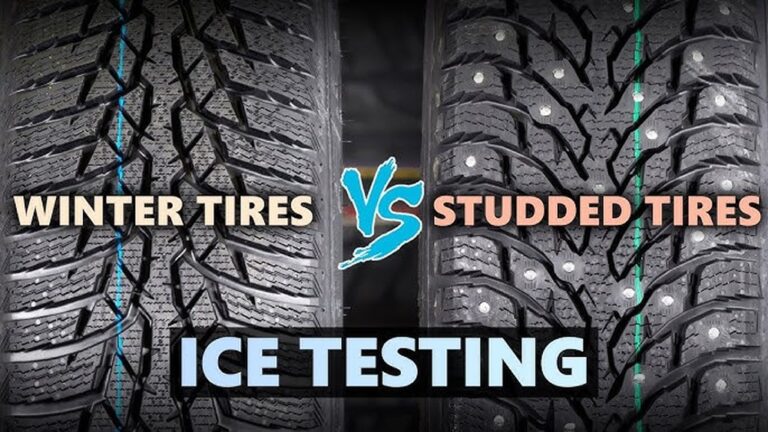
2. Seasonal Tire Swaps Can Affect Sensors
Swapping to winter or summer tires may disconnect or damage sensors if not handled carefully. Always ask your tire shop to check the sensors during any wheel change.

Credit: www.youtube.com
When To Visit A Mechanic
If you’re not sure, or you see multiple warning lights, it’s best to visit a trusted mechanic. They have the tools to test and replace sensors safely. Never ignore a TPMS warning—many accidents happen because of underinflated tires.
For more technical details, you can check the Wikipedia TPMS page.
Frequently Asked Questions
What Does The Tpms Warning Light Look Like?
Most cars show a yellow symbol that looks like a flat tire with an exclamation mark in the middle. Sometimes, it may say “TPMS” or “Check Tire Pressure. ”
Can I Drive With A Bad Tire Pressure Sensor?
Yes, but it’s not safe. You won’t get warnings for low tires, and this can lead to blowouts or poor handling. Fix the sensor as soon as possible.
How Long Do Tire Pressure Sensors Last?
Most last 5 to 10 years or about 60,000 to 100,000 miles. The built-in battery can’t be replaced, so you need a new sensor when it fails.
Does Changing Tires Affect The Tpms Sensors?
If the shop is careful, you won’t have problems. But rough handling can break sensors. Always ask the technician to check sensors after a tire change.
Is It Expensive To Replace A Tire Pressure Sensor?
Costs vary, but most sensors are $40-$100 each, plus installation. Some cars or trucks need programming, which can add to the price.
A healthy TPMS system is key to safe driving. Understanding how to tell if your tire pressure sensor is bad helps you avoid bigger problems, keep your tires in good shape, and stay safe on the road. Being proactive with checks and quick repairs saves money and worry in the long run.

Credit: www.reddit.com