Kumho Tires Vs Michelin: A Deep Dive Into Performance, Value, and Real-World Differences
Choosing the right tires can change your whole driving experience. You might want better control, smoother rides, or longer-lasting tires. Two popular brands—Kumho Tires and Michelin—often come up when people search for quality and value. Both offer strong reputations, but they are very different in what they provide and how they position themselves in the market. If you are unsure which is best for your needs, this guide will help you understand the real differences between Kumho and Michelin.
We’ll look at performance, durability, price, technology, and even customer satisfaction. You’ll see how each brand fits different drivers and situations, with clear data, practical advice, and insights that many beginners miss. By the end, you’ll feel confident to choose the right tire for your car and your budget.
Brand Overview
Let’s first see what makes Kumho Tires and Michelin unique. Understanding their history and goals helps explain why their tires perform differently.
Kumho Tires
Kumho Tires started in South Korea in 1960. They focus on affordable quality and practical performance. Kumho is popular with drivers who want reliable tires without paying luxury prices. The brand is known for:
- Strong value for money
- Good performance in daily driving conditions
- Wide range for passenger cars, SUVs, and light trucks
Kumho invests in research but stays focused on making tires that are accessible. They often partner with car makers for original equipment (OE) tires, especially in Asia.
Michelin
Michelin is one of the oldest tire companies, founded in France in 1889. Michelin is famous for premium quality, advanced technology, and long-lasting performance. The brand is respected for:
- Excellent safety and handling
- Innovative designs and materials
- Strong performance in all conditions, including racing
Michelin tires are often chosen for luxury cars and high-performance vehicles. Their reputation is built on research and constant improvement.
Tire Range And Options
Both brands offer a wide selection, but their focus is different. Let’s compare the types of tires you can buy from Kumho and Michelin.
| Brand | Main Tire Types | Popular Models | Special Features |
|---|---|---|---|
| Kumho | All-season, performance, touring, winter, truck/SUV | Solus TA71, Ecsta PS31, Crugen HP71 | Affordable, practical, decent wet grip |
| Michelin | All-season, performance, touring, winter, eco, truck/SUV | Defender T+H, Pilot Sport 4, Primacy MXM4 | Premium, advanced tech, long tread life |
Kumho has a simple lineup focused on core needs. Their all-season tires are popular for everyday driving. Michelin offers more specialized options, including eco-friendly tires and ultra-high-performance models.
Performance Comparison
Tire performance is about how well the tire handles, grips, and lasts in real-world conditions. Here’s how Kumho and Michelin compare on key points.
Dry Handling
Michelin tires usually offer sharper handling and more precise steering. Their tread patterns and rubber compounds are designed for grip and control, especially at higher speeds. For sporty driving or luxury cars, Michelin often wins.
Kumho tires are good for normal driving. They give stable handling and safe control, but they may not feel as responsive during sudden maneuvers.
Wet Grip
Wet performance is important for safety. Michelin uses advanced silica compounds and special tread designs to channel water away, reducing hydroplaning. Independent tests show Michelin’s all-season tires often stop shorter in wet conditions compared to Kumho.
Kumho’s wet grip is reliable, especially in their newer models. However, cheaper Kumho tires can lose traction faster on wet roads, especially as they wear.
Winter Performance
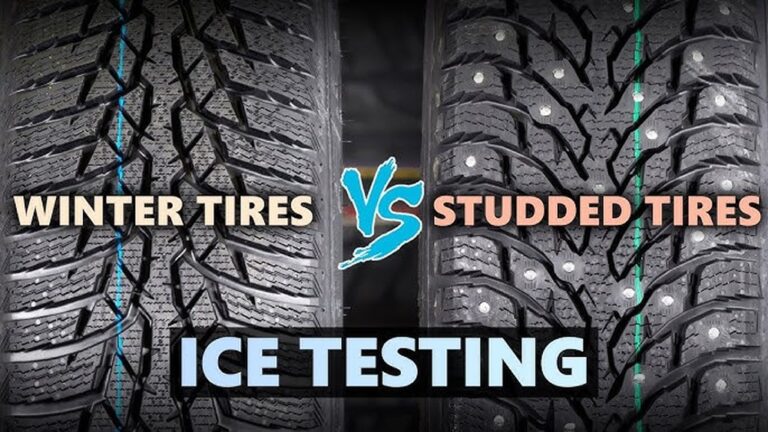
Michelin’s winter tires, like the X-Ice series, are well-known for their grip on snow and ice. They use unique rubber formulas that stay flexible in cold temperatures.
Kumho also offers winter tires, such as the I’Zen KW31, which perform well for the price. However, they may not match Michelin in extreme cold or deep snow.
Tread Life
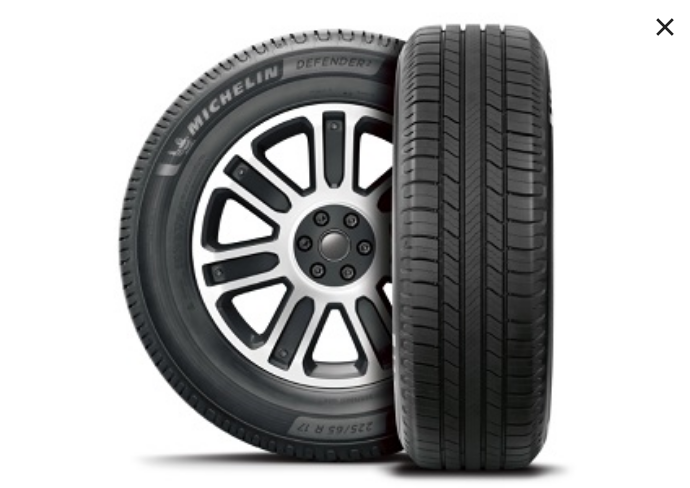
Michelin tires are famous for lasting longer. The Defender T+H is rated for up to 80,000 miles, one of the highest in the industry. This is thanks to strong materials and careful design.
Kumho tires usually last around 40,000 to 60,000 miles. Some models reach higher, but overall, Kumho’s tread life is shorter. This matters if you drive a lot or want fewer replacements.
Ride Comfort
Michelin invests in reducing vibration and road noise. Their touring tires, like the Primacy series, are praised for smooth, quiet rides.
Kumho tires are comfortable and quiet for their price, but budget models may feel firmer or noisier, especially on rough roads.
Fuel Efficiency
Eco-friendly tires help save fuel. Michelin’s Energy Saver and Primacy lines are designed to reduce rolling resistance, saving you money over time.
Kumho offers some fuel-saving models, but their technology is not as advanced. If fuel economy is a priority, Michelin tends to perform better.
Price And Value
Cost is a big factor for most buyers. Michelin tires are known as premium products, while Kumho targets the mid-range and budget markets.
| Brand | Average Price (per tire) | Tread Warranty (miles) | Value Rating |
|---|---|---|---|
| Kumho | $70–$130 | 40,000–60,000 | High (for price) |
| Michelin | $120–$250 | 60,000–80,000 | Premium |
Kumho is more affordable. Their tires are priced for budget-conscious drivers. You get decent quality and performance for less money. This is why Kumho is popular for family cars and daily commuters.
Michelin costs more upfront. However, their tires last longer and often offer better safety and comfort. Over time, you may save money because you replace tires less often and may use less fuel.
One insight many beginners miss: total cost of ownership is not just about the price. If you drive a lot, Michelin’s longer tread life and fuel savings may actually make them cheaper in the long run.

Credit: www.discountedwheelwarehouse.com
Warranty And Support
Warranty coverage shows how much a company trusts its products.
- Kumho offers tread warranties from 40,000 to 60,000 miles. Their support is good, but less generous than Michelin.
- Michelin provides up to 80,000 miles on some models, along with road hazard protection and satisfaction guarantees.
Michelin’s customer service is often rated higher, with easier claims and more helpful support.
Technology And Innovation
Michelin is known for pushing the limits of tire technology. Here are some examples:
- EverGrip: Tread patterns that change as the tire wears, keeping grip strong even as the tire gets older.
- Silica compounds: Improve wet grip and fuel efficiency.
- Acoustic technology: Reduces road noise for luxury cars.
Kumho invests in technology but focuses more on practical improvements:
- ESCOT technology: Reinforces sidewalls for better control and longer life.
- Nano silica: Used in some models to improve wet grip and tread life.
Michelin’s innovations often lead the market, while Kumho focuses on making proven features affordable.
Popular Models: Real-world Examples
Let’s compare some popular tire models from both brands. This helps you see how they perform in everyday use.
Kumho Solus Ta71 Vs. Michelin Defender T+h
- Solus TA71: Known for balanced performance and quiet rides. Great for mid-size sedans.
- Defender T+H: Offers top tread life, strong wet grip, and comfortable rides. More expensive but lasts longer.
Kumho Ecsta Ps31 Vs. Michelin Pilot Sport 4
- Ecsta PS31: Affordable summer performance tire. Good for sporty handling, but wears faster.
- Pilot Sport 4: Premium performance tire for sports cars. Excellent handling and wet grip, with longer tread life.
Kumho Crugen Hp71 Vs. Michelin Primacy Mxm4
- Crugen HP71: SUV tire focused on comfort and value.
- Primacy MXM4: Touring tire for luxury SUVs and sedans. Superior comfort and tread life.
A non-obvious insight: even among similar models, Michelin often includes features that keep grip strong as the tire ages, while Kumho aims for solid performance at a lower price.
Customer Satisfaction And Reviews
How do real drivers feel about Kumho and Michelin tires? Looking at reviews and surveys gives a clearer picture.
- Michelin consistently scores higher in satisfaction, especially for comfort, tread life, and safety.
- Kumho gets positive reviews for price and reliable performance. Many users say Kumho tires are “better than expected” for daily driving.
However, Michelin users often note fewer issues over time. Kumho buyers sometimes report faster wear or more road noise, especially on cheaper models.
A practical tip: Check user reviews for your specific car and tire size. Performance can vary depending on the vehicle.
Who Should Choose Kumho?
Kumho Tires are a strong choice for:
- Budget-focused buyers
- Drivers with family sedans, compact cars, or SUVs
- People who drive mostly in normal conditions (city, highway, mild weather)
- Those who need good value and reliable performance
If you don’t drive aggressively or need top-tier performance, Kumho offers solid tires for the price.
Who Should Choose Michelin?
Michelin is ideal for:
- Drivers who want the best safety, comfort, and tread life
- Owners of luxury, sports, or high-performance vehicles
- People who drive long distances or in challenging conditions (heavy rain, snow, mountain roads)
- Those willing to invest in premium quality
If you want fewer tire changes, smoother rides, and stronger performance in all situations, Michelin is worth the higher cost.
Environmental Impact
Michelin is a leader in sustainability. They use eco-friendly materials and work to reduce rolling resistance, which helps lower emissions. Their Energy Saver series is popular in Europe for green driving.
Kumho is improving their environmental practices, but their focus is still on affordability. Some models use recycled materials, but their eco range is smaller.
Availability And Dealer Network
Michelin tires are easy to find worldwide, with strong dealer support. You can buy them in most countries, and many tire shops carry Michelin as a premium option.
Kumho is widely available in Asia, Europe, and North America. Their dealer network is growing, but in some regions, you may have fewer choices.
Credit: www.tireryder.com
Safety Ratings And Test Results
Independent tests show Michelin often ranks at the top for braking, handling, and durability. For example, in Consumer Reports’ tire rankings, Michelin models regularly score above 90 points.
Kumho tires score well in budget categories but rarely lead in overall performance. Some Kumho models do well in wet braking, but tread life and comfort ratings are usually lower than Michelin.
Common Mistakes When Choosing Tires
Many beginners make the following mistakes:
- Choosing only by price. Cheap tires can wear faster and be less safe.
- Ignoring tread life. Shorter warranties mean more replacements.
- Forgetting about weather. If you live in snowy or rainy areas, tire performance matters more.
- Not checking tire size and load rating. Wrong sizes can affect safety and handling.
- Overlooking reviews. User feedback shows real-world strengths and weaknesses.
A smart buyer looks at total value, not just upfront cost.

Credit: www.youtube.com
Real Cost Over Time: Kumho Vs. Michelin
Let’s compare the real cost for a typical sedan over 5 years:
- Kumho: $90 per tire × 4 tires = $360; lasts 45,000 miles, so you may replace twice in 5 years (total $720).
- Michelin: $180 per tire × 4 tires = $720; lasts 80,000 miles, so you may replace once (total $720).
Add fuel savings (about $50/year with Michelin) and fewer service visits, and Michelin may cost less or the same as Kumho, with higher performance.
Expert Recommendations
If you drive mainly in cities, don’t need premium features, and want to save money, Kumho is a smart choice. For high mileage, harsh weather, or performance needs, Michelin delivers more value.
One beginner insight: Michelin’s warranties and customer service often make problems easier to handle. With Kumho, you may need to work harder to get support.
For deeper technical details, you can also visit the official Michelin website.
Frequently Asked Questions
Is Kumho A Good Tire Brand For Everyday Driving?
Yes, Kumho Tires are reliable for daily driving. They offer stable handling, good comfort, and strong value for money. Kumho is a smart option for family cars and commuters.
Why Are Michelin Tires More Expensive?
Michelin uses advanced materials and technology, which cost more. Their tires last longer and perform better in tough conditions. The extra price pays for higher safety, comfort, and durability.
Do Kumho Tires Last As Long As Michelin?
Usually, Michelin tires last longer. Kumho tires offer decent tread life, but Michelin’s premium models can go 80,000 miles or more. If you drive a lot, Michelin may save you money over time.
Are Kumho Tires Safe In Rain Or Snow?
Kumho tires are safe for normal wet conditions, especially newer models. For heavy rain or snow, Michelin often performs better. Always check the tire ratings for your region and driving needs.
Can I Mix Kumho And Michelin Tires On My Car?
Mixing brands is not recommended. Different tires may grip, wear, and handle differently, which can affect safety. It’s best to use the same brand and model on all wheels for balanced performance.
Final Thoughts
Choosing between Kumho Tires and Michelin depends on your needs and budget. Kumho offers strong value and reliable performance for everyday driving. Michelin provides top-tier safety, comfort, and long-lasting quality for those who want the best. Think about how much you drive, your local weather, and what matters most to you—price, performance, or comfort.
With the right information, you can pick a tire that fits your car, your lifestyle, and your wallet. Both Kumho and Michelin have strengths, but understanding the details will help you make a smart, confident choice.