Choosing the right tires is a key decision for any car owner. Tires affect how your vehicle grips the road, how it handles in rain or snow, and even how much you spend on gas. If you’re looking for a good deal but still want quality, you might have heard of Lexani and Lionhart tires. Both brands are popular for their affordable prices and flashy designs, but what really sets them apart? This guide will help you understand the real differences and similarities between Lexani and Lionhart tires, so you can pick the best option for your needs.
Many people get stuck comparing these two brands because they seem so similar. Both offer a wide range of tire types, from all-season to ultra-high performance. Both are known for their aggressive tread patterns and sporty looks. But there’s more to consider than just how a tire looks or its price tag.
This article will dig deep into how each brand performs in real-world conditions, how long their tires last, and what kind of value you actually get for your money.
If you’re a driver who wants style, performance, and affordability in your next set of tires, keep reading. We’ll look at everything from tread life and wet handling to warranty support and customer reviews. By the end, you’ll have a clear, confident answer on whether Lexani or Lionhart is the better fit for your car, driving style, and budget.
Brand Background: Lexani And Lionhart
Before diving into detailed comparisons, it’s important to understand where these brands come from and what they stand for.
Lexani: The Custom Look
Lexani is a brand under the Nexen Tire Corporation, a major tire company from South Korea. Lexani started as a luxury wheel manufacturer in California, famous for its bold, shiny rims. Over time, the company expanded into tires, focusing on the needs of car enthusiasts who want both style and performance. Today, Lexani tires are produced in modern factories in Asia and distributed worldwide.
Their main selling points are:
- Sporty, aggressive tread designs
- Affordable pricing compared to premium brands
- Wide range of sizes for cars, SUVs, and light trucks
Lionhart: Affordable Performance
Lionhart is a newer player in the tire market, based in the United States but also manufacturing in Asia. The brand has gained attention for its low prices and focus on high-performance tires. Lionhart targets drivers who want a sporty look and feel without paying top dollar. They often market to owners of sports cars, luxury sedans, and SUVs.
Lionhart’s key features include:
- Ultra-high performance options
- Budget-friendly prices
- Eye-catching tread patterns and sidewalls
Both brands offer many of the same tire categories, but their approach and customer base are slightly different. Lexani leans more toward style and luxury, while Lionhart emphasizes affordable performance.
Tire Types And Range
Let’s break down what each brand offers. This helps you match your needs—like all-season driving or summer performance—to the right tire.
Lexani Tire Range
Lexani divides its lineup into these categories:
- All-Season Tires – For year-round use in mild climates.
- Ultra-High Performance (UHP) Tires – For sports cars and spirited driving.
- SUV and Light Truck Tires – For larger vehicles, often with a focus on style.
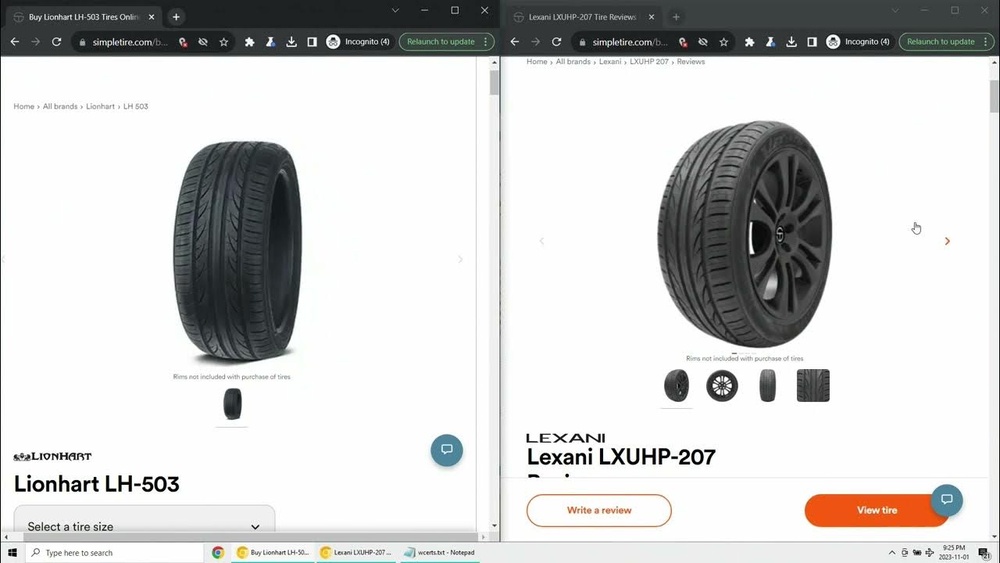
Popular Lexani models include the LX-Twenty (UHP), LX-Nine (all-season), and LX-Thirty (SUV). Lexani also offers run-flat and off-road options, but these are less common.
Lionhart Tire Range
Lionhart mainly focuses on:
- Ultra-High Performance Tires – Like the LH-503 and LH-Five.
- All-Season Tires – Such as the LH-202 and LH-311.
- SUV and Truck Tires – With models like the LH-Ten and LH-Five SUV.
Lionhart also offers specialty tires for luxury sedans and performance coupes.
Comparison Table: Tire Categories And Models
Here’s a quick look at how the main models from each brand line up.
| Category | Lexani Example | Lionhart Example |
|---|---|---|
| All-Season | LX-Nine | LH-202 |
| Ultra-High Performance | LX-Twenty | LH-Five |
| SUV/Truck | LX-Thirty | LH-Ten |
Performance And Handling
Tire performance is not just about speed or looks. It’s about how safe and confident you feel in different driving conditions. Here’s what matters most:
- Grip in dry and wet conditions
- Cornering stability
- Braking distance
- Noise and comfort on the road
Dry Road Performance
Both Lexani and Lionhart focus on dry road grip, especially with their UHP models. Lexani’s LX-Twenty is known for its stiff sidewalls and wide tread blocks, which help maintain good control in fast corners. Lionhart’s LH-Five also offers solid dry traction, but some drivers say it feels slightly less precise during quick lane changes.
Wet Road Performance
Wet handling is where many budget tires struggle. Lexani’s top models use silica-enhanced compounds to improve grip when it rains. The LX-Twenty, for example, has four wide grooves to channel water away. Lionhart tries to compete here but sometimes falls short—independent tests show longer stopping distances for some Lionhart models on wet roads.
Comfort And Road Noise
Lexani tires often get better marks for comfort, especially in their touring and all-season lines. The tread is designed to reduce vibration and keep road noise low. Lionhart tires can sometimes be noisier, especially as they wear down. This is a small detail, but if you drive a lot on highways, it can make a real difference.
Real-world Example
A driver in Florida switched from Lionhart LH-Five to Lexani LX-Twenty on his sports sedan. He noticed better steering response and less noise at highway speeds. However, he did say that the Lionhart tires were a bit softer over potholes.
Durability And Tread Life
One of the biggest worries with budget tires is how long they last. You don’t want to save money upfront only to replace your tires more often.
Lexani Tread Life
Lexani offers treadwear ratings between 320 and 500 depending on the model. For example, the LX-Nine has a treadwear rating of 500, which is above average for a budget tire. Most users report getting 35,000 to 45,000 miles from a set with regular rotation and care.
Lionhart Tread Life
Lionhart tires usually have treadwear ratings from 300 to 420. The LH-Five has a 320 rating, which is typical for a UHP tire but lower than many Lexani options. Real-world reports show 30,000 to 40,000 miles for most Lionhart tires, but aggressive drivers may see faster wear.
Not-so-obvious Insight: Heat And Tire Longevity
Many people don’t realize that both Lexani and Lionhart tires can wear out faster in very hot climates. The rubber compounds used by both brands are softer than premium tires, especially in UHP models. If you live in places like Arizona or Texas, expect tread life to be on the shorter end of the range.
Price And Value
Most people look at Lexani and Lionhart because of their affordable prices. But is one really cheaper or a better value than the other?
Lexani Pricing
Lexani tires typically cost:
- $65–$110 each for passenger car tires
- $90–$170 each for larger SUV or performance tires
The price goes up for run-flats or special sizes, but Lexani usually stays below premium brands like Michelin or Pirelli.
Lionhart Pricing
Lionhart is often a bit cheaper:
- $55–$95 each for standard car tires
- $80–$150 each for SUV and UHP models
Lionhart sometimes undercuts Lexani by $10–$20 per tire, especially for popular sizes.
Value For Money
While Lionhart can be cheaper, Lexani often offers better tread life and more refined handling. Over a tire’s full life, the small price difference may not matter if you’re replacing Lionhart tires more often.
Example: Total Cost Over 5 Years
Suppose you drive 15,000 miles per year.
- Lexani LX-Nine: 45,000-mile life = 3 years per set, need 1.67 sets in 5 years
- Lionhart LH-202: 35,000-mile life = 2.33 years per set, need 2.15 sets in 5 years
If Lexani costs $90 per tire and Lionhart $80, you’d spend:
- Lexani: 1.67 x 4 x $90 = $601
- Lionhart: 2.15 x 4 x $80 = $688
So, the cheaper tire is not always the best long-term deal.
Warranty And Support
Tire warranties can give peace of mind, but they vary between brands.
Lexani Warranty
Lexani offers:
- Limited treadwear warranties (up to 40,000 miles on some models)
- Manufacturer’s defect warranty (covers problems from the factory)
- Some dealers offer free rotation or flat repair for Lexani tires
Lexani’s warranties are clearly listed on their website and easy to claim with proof of purchase.
Lionhart Warranty
Lionhart provides:
- Basic manufacturer’s defect warranty only
- No treadwear mileage warranty on most tires
- Some sellers offer a “road hazard” plan, but it’s not from Lionhart itself
If warranty support is important to you, Lexani is the stronger choice.
Unseen Detail: Warranty Claim Process
A detail many miss—some Lionhart sellers are online-only and may not have local shops to handle claims. Lexani, distributed by bigger dealers, usually has more brick-and-mortar support if you need to use the warranty.
Customer Reviews And Reputation
Hearing from real drivers gives you an idea of what to expect. Both Lexani and Lionhart get mixed reviews, as is common with budget brands.
Lexani Reputation
- Positive: Good balance of price and performance. Many praise the quiet ride and stylish look.
- Negative: Some complaints about treadwear in UHP models and winter traction.
Lionhart Reputation
- Positive: Very affordable, looks great on custom wheels, decent dry grip for the price.
- Negative: Noisy after 10,000 miles, wet grip can fade as the tire wears, little warranty support.
Comparison Table: User Ratings
Here’s how users rate popular models on a 5-star scale, based on major tire retailers:
| Model | Dry Grip | Wet Grip | Comfort | Tread Life |
|---|---|---|---|---|
| Lexani LX-Twenty | 4.2 | 3.8 | 4.0 | 3.7 |
| Lionhart LH-Five | 4.0 | 3.3 | 3.5 | 3.2 |
Where Each Brand Stands Out
No tire is perfect, and both Lexani and Lionhart have clear strengths.
Lexani Advantages
- Better warranty coverage
- Longer tread life on most models
- Quieter and smoother ride
- More support from local dealers
Lionhart Advantages
- Lower upfront price
- Sporty, attention-grabbing looks
- Good dry grip for the price
- Wide range of “plus” sizes for custom wheels
Important Note For Non-obvious Buyers
If you drive in areas with frequent rain or snow, Lexani is the safer bet. Lionhart’s wet traction is not its strongest feature, especially as the tire ages. Also, if you want a tire that lasts and has support, Lexani’s slightly higher price pays off.
Credit: mycarslab.com
Real-world Use Cases
Here’s how different drivers might choose between Lexani and Lionhart:
- Commuters: Lexani, for better comfort and mileage warranty.
- Car enthusiasts on a budget: Lionhart, for aggressive looks and sporty feel at a low price.
- SUV owners: Lexani LX-Thirty for quiet touring, or Lionhart LH-Ten for a bold look and lower price.
- Urban drivers: Either brand works, but check reviews for pothole resistance.
Environmental And Safety Factors
Some buyers overlook how budget tires affect fuel economy and the environment.
Rolling Resistance
Lexani’s newer models use compounds that lower rolling resistance, which can help you save gas. Lionhart also claims low rolling resistance on some models, but real-world tests are rare.
Safety Ratings
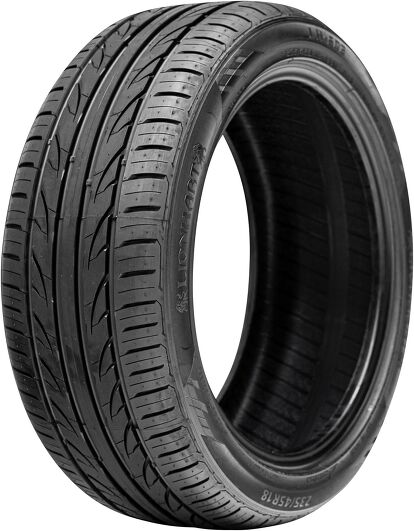
Neither Lexani nor Lionhart is tested by the U. S. government’s UTQG (Uniform Tire Quality Grading) for safety at the same level as Michelin or Goodyear, but many models meet basic industry standards. If you want extra safety certification, you may need to look at larger brands.
Credit: www.autoguide.com
Availability And Sizing
Both brands are widely available online and through specialty tire shops. Lexani and Lionhart offer a huge range of sizes, from 15-inch economy car tires to 24-inch SUV and truck tires.
A key difference: Lionhart often has more “stretched” fitment options, which are popular with car modders and show cars.
Summary Comparison Table
To make things clear, here’s a summary comparison:
| Feature | Lexani | Lionhart |
|---|---|---|
| Average Price (per tire) | $65–$170 | $55–$150 |
| Treadwear Rating | 320–500 | 300–420 |
| Warranty | Up to 40,000 miles | Defect only |
| Wet Grip | Above average | Average |
| Noise Level | Low to moderate | Moderate to high |
| Best For | Comfort, warranty, style | Price, looks, custom sizes |

Credit: www.youtube.com
Frequently Asked Questions
What Is The Main Difference Between Lexani And Lionhart Tires?
The biggest difference is in tread life and warranty. Lexani tires usually last longer and come with a better warranty. Lionhart focuses more on low prices and sporty looks but may wear out faster and have less support if something goes wrong.
Are Lexani Or Lionhart Tires Good In The Rain?
Lexani tires generally perform better in wet conditions. They use silica compounds and tread designs that move water away from the tire. Lionhart tires can be less reliable on wet roads, especially as they age.
Which Brand Is Better For Suvs And Trucks?
Both brands have SUV and truck tires, but Lexani’s LX-Thirty is known for comfort and quietness, while Lionhart’s LH-Ten is popular for its aggressive style and value. For daily driving and long trips, Lexani is often the better choice.
Do Either Lexani Or Lionhart Make Run-flat Tires?
Lexani offers some run-flat options in selected sizes, especially for luxury cars. Lionhart does not focus on run-flat tires, so if this feature is important, Lexani is your brand.
Where Can I Read More About Tire Safety And Standards?
You can find detailed information on tire safety and standards at the National Highway Traffic Safety Administration (NHTSA) website.
Choosing between Lexani and Lionhart comes down to your budget, driving style, and what you value most: price or long-term performance. Either way, knowing the real pros and cons will help you drive with confidence and peace of mind.