Choosing the right type of tire can make a big difference in how your bike feels, performs, and even how safe you are on the road or trail. For cyclists and even some car enthusiasts, the debate between tubular and tubeless tires is ongoing. Each type has strong supporters and unique benefits, but they also have limitations that are important to know before making a decision. This article will give you a complete look at both options, their strengths, weaknesses, and the details that matter most in real-world riding. Whether you race, commute, or ride for fun, understanding these tires will help you ride smarter and safer.
What Are Tubular Tires?
Tubular tires, sometimes called “sew-ups,” are a traditional choice in professional cycling. The inner tube is sewn inside the tire itself, forming a closed torus (a doughnut shape). This unit is then glued or taped directly onto a special rim.
The design is simple, but it requires specific rims and installation methods.
Tubular tires are popular in road racing, cyclocross, and track cycling. The main reason: they can run at high pressures and are lighter than most other tire types. Riders believe they offer a smoother, more controlled ride, especially on rough or bumpy surfaces.
Key Features Of Tubular Tires
- Integrated inner tube: The tube is sewn into the tire, so you can’t remove or replace it separately.
- Glued or taped installation: Tubulars must be glued or taped onto compatible rims, which takes time and skill.
- High-pressure capability: They can handle pressures up to 200 PSI (pounds per square inch) in some cases.
- Lightweight: Tubulars are usually lighter because the rim doesn’t need a bead hook.
- Preferred by pros: Many professional riders still use tubulars for races, especially in Europe.
What Are Tubeless Tires?
Tubeless tires are a newer design, inspired by car tires. They have no inner tube—the tire forms an airtight seal with the rim. Special tubeless-ready rims and tires are needed, and liquid sealant is often added inside to seal small punctures as you ride.
Tubeless tires are now common on mountain bikes, gravel bikes, and are becoming more popular on road bikes. They allow lower air pressures, which means better grip and comfort without the risk of pinch flats.
Key Features Of Tubeless Tires
- No inner tube: Air is held between the rim and tire itself.
- Liquid sealant: Usually used to seal tiny holes and keep the tire airtight.
- Easy puncture repair: Small holes seal themselves during a ride.
- Lower pressure: You can ride at lower PSI for more comfort and grip.
- Modern compatibility: Most new bikes, especially mountain and gravel, are tubeless-ready.
Head-to-head Comparison: Tubular Vs Tubeless
To make it easier to understand the main differences, see this comparison:
| Feature | Tubular | Tubeless |
|---|---|---|
| Inner Tube | Integrated (sewn in) | None |
| Rim Type Needed | Tubular-specific | Tubeless-ready |
| Pressure Range | Up to 200 PSI | Usually 30–100 PSI |
| Flat Protection | Punctures hard to fix on the road | Sealant repairs small punctures |
| Weight | Lighter tire and rim | Heavier than tubular, but lighter than clincher |
| Installation | Complex (gluing/taping) | Moderate (sealant + air) |
| Repairability | Difficult | Easier, with plugs or sealant |
| Common Use | Professional racing | MTB, gravel, now road too |
Performance Differences
Rolling Resistance
Rolling resistance is the energy lost when a tire rolls. Lower rolling resistance means you go faster with less effort. Tubular tires have long been praised for low rolling resistance, especially at high pressure. However, modern tubeless tires are closing the gap. Many tests show that top tubeless tires can now match or even beat tubulars in real-world rolling resistance, especially when used with sealant and on rougher surfaces.
Weight
Tubular tires have always been lighter, thanks to simple construction and rims without bead hooks. But with improvements in tubeless technology, the gap has narrowed. The extra weight from tubeless sealant is often just 40–60 grams, and modern carbon rims are much lighter than before.
For most riders, the weight difference is not noticeable unless racing at the highest level.
Puncture Resistance
Tubeless tires offer a big advantage here. The liquid sealant inside will often seal small holes instantly, so you may not even notice you rode through glass or a thorn. Tubulars, on the other hand, must be removed and repaired by hand, which is not possible during a race or ride.
This difference is crucial for endurance events or long rides far from help.
Air Pressure And Comfort
Tubeless tires can be run at much lower pressures, increasing comfort and grip. This is especially important for mountain bikers and gravel riders. Tubulars can be run at high pressure for speed, but if pressure is too low, they lose their handling advantage.
Lower pressure also means less risk of pinch flats—a sudden loss of air when the tire is squeezed against the rim.
Braking And Handling
Tubular tires are glued to the rim, which means they are less likely to roll off during sharp turns or hard braking. This is why they have long been used in pro racing, especially in events with many turns or high-speed descents.
Tubeless tires, when installed correctly, are also very secure, but improper setup or low pressure can risk burping (air loss) or even the tire coming off in rare cases.

Credit: bestwheelset.com
Pros And Cons Of Tubular Tires
Understanding the main advantages and disadvantages will help you decide if they’re right for you.
Advantages Of Tubular Tires
- Low weight: Ideal for racing, especially hill climbs.
- Excellent ride quality: Many riders say tubulars feel “alive” and responsive.
- Safer for pro racing: Less risk of tire coming off the rim during a flat at high speeds.
- Can ride flat for short distances: In emergencies, you can sometimes ride slowly on a flat tubular to reach safety.
Disadvantages Of Tubular Tires
- Difficult installation: Gluing or taping is time-consuming and requires skill.
- Hard to repair: Flats are not easy to fix on the road; you often need a spare tubular or to replace the tire entirely.
- Limited rim options: Only work with tubular-specific rims.
- More expensive: Both rims and tires cost more than tubeless or clincher options.
- Not beginner-friendly: Steep learning curve for installation and maintenance.
Pros And Cons Of Tubeless Tires
Tubeless tires have become popular for good reasons, but they also have some downsides.
Advantages Of Tubeless Tires
- Lower puncture risk: Sealant fixes small punctures instantly.
- Lower pressure possible: More comfort and grip, especially off-road.
- No pinch flats: Without a tube, you can’t pinch it against the rim.
- Easier repairs: Plugs can fix larger holes, and you can add more sealant easily.
- Modern rim compatibility: Most new wheels are tubeless-ready.
Disadvantages Of Tubeless Tires
- Initial setup can be messy: Sealant can spill, and some tires are hard to seat on the rim.
- Maintenance: Sealant dries out over time and needs to be replaced every 2–6 months.
- Heavier than tubular: Slightly more weight from sealant and stronger bead.
- Burping risk: In rare cases, air can escape during hard cornering if tire isn’t sealed properly.
- Not every tire/rim compatible: Must check for true tubeless compatibility.
Real-world Scenarios: Which Is Better?
Choosing between tubular and tubeless tires depends on your riding style, goals, and even where you ride. Here are some practical examples:
Racing (road And Track)
If you’re a professional or elite racer, tubular tires still offer the best safety at high speeds. In case of a puncture, tubulars are less likely to leave the rim or cause a dangerous crash. Many pro teams keep using them for this reason, especially in events like the Tour de France. However, the rise of high-quality tubeless tires means more teams are experimenting with tubeless, especially for time trials or rougher races.
Mountain Biking And Gravel Riding
Here, tubeless tires are the clear winner. The ability to run low pressures means more grip and fewer flats, which are essential on rocky or loose terrain. Sealant can handle most punctures, and the risk of pinch flats is almost zero. Tubulars are almost never used in MTB because they don’t offer these advantages.
Everyday Riding And Commuting
For most casual riders, tubeless tires are easier to maintain and repair. The risk of being stranded by a flat is much lower. If you prefer simplicity and don’t want to deal with glue or special tools, tubeless is the smarter choice.
Cyclocross And Adventure Racing
This is a gray area. Many top cyclocross racers used tubulars for years because they can run very low pressures and don’t roll off the rim easily. But as tubeless technology improves, more riders are switching for easier repairs and lower costs.
Cost Differences
Cost is often a deciding factor, especially for new riders. Here’s a breakdown:
- Tubular tires: $70–$150 per tire, plus $400–$2,000 for tubular rims/wheels.
- Tubeless tires: $40–$90 per tire, plus $300–$1,500 for tubeless-ready wheels. You’ll also need sealant ($10–$30 per bottle), but this lasts for several months.
Installation tools are another cost. Tubulars need glue or tape, while tubeless needs sealant and sometimes a special pump or air compressor to seat the tire.
Installation And Maintenance
Tubular Tire Installation
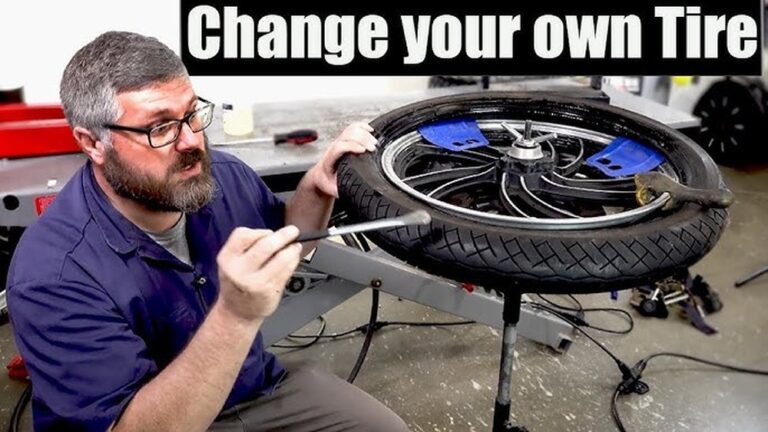
Installing tubular tires is a skill. The rim must be clean, and glue applied evenly. The tire is then stretched over the rim and centered. It must cure for several hours. Mistakes can cause the tire to roll off, which is dangerous.
Taping is easier but still takes practice.
Tubeless Tire Installation
Tubeless tires require a compatible rim and tire. The tire is mounted, sealant added, and then inflated quickly to seat the tire against the rim. Sometimes a high-pressure pump or compressor is needed. Once installed, small punctures seal automatically. You’ll need to check and replace sealant every few months.
Common Mistakes With Tubular And Tubeless Tires
- Incorrect installation: For tubulars, not enough glue can cause the tire to come off. For tubeless, poor seating can cause leaks.
- Ignoring sealant maintenance: Tubeless sealant dries out; check it regularly.
- Mixing incompatible parts: Not all rims and tires are safe for tubeless or tubular use.
- Overinflating tubeless tires: Exceeding pressure can cause blow-offs.
- Using wrong repair methods: Never try to patch a tubular or tubeless tire like a standard tube unless recommended.
Durability And Longevity
Tubular tires generally wear out faster due to their lightweight construction and softer rubber. Most last 1,000–2,500 miles depending on use. Tubeless tires, with thicker tread and sidewalls, often last longer—2,000–5,000 miles. However, sharp cuts or big punctures can still ruin any tire.
Environmental conditions also matter. Riding in hot weather can dry out tubeless sealant faster. Wet conditions can affect glue on tubulars if not installed perfectly.
Tubular Vs Tubeless In Competition
To see how both tires perform in real races, consider these statistics:
- In the 2022 Tour de France, over 80% of teams used tubeless tires for at least one stage, a huge change from just five years ago.
- In mountain bike World Cups, nearly all riders now use tubeless setups.
- A 2021 laboratory test found that the fastest tubeless tires had rolling resistance as low as 10.5 watts at 40 km/h, compared to 12.2 watts for top tubulars (source: Bicycle Rolling Resistance).
These numbers show the growing trust in tubeless technology, but also that tubulars are not yet obsolete.

Credit: www.nepestsports.com
Who Should Choose Tubular Tires?
Tubulars are best for:
- Elite or professional racers who need maximum safety and performance.
- Riders using high-end, lightweight racing wheels.
- Cyclists who have support teams or access to spare wheels during races.
- Those who value classic ride feel and are comfortable with complex installation.
Who Should Choose Tubeless Tires?
Tubeless tires are ideal for:
- Mountain bikers and gravel riders needing grip and puncture protection.
- Road riders who want fewer flats and easier repairs.
- Commuters and everyday cyclists looking for low maintenance.
- Riders upgrading to modern wheels and bikes.

Credit: help.huntbikewheels.com
Choosing Between Tubular And Tubeless: A Decision Guide
If you are still unsure, use these quick questions to guide your choice:
- Do you want the absolute lowest weight for racing? Tubular
- Do you value fewer flats and easier repairs? Tubeless
- Do you ride mostly off-road? Tubeless
- Are you comfortable learning complex installation? Tubular
- Is your wheelset compatible with both? Tubeless is likely the smarter option today.
Tubular And Tubeless Tire Myths
Many riders hear myths about these tire types. Here are some facts:
- Myth: Tubulars are always faster. Fact: Modern tubeless tires can be just as fast, or faster, on real roads.
- Myth: Tubeless tires always leak air. Fact: With proper installation, air loss is minimal—sometimes less than 2 PSI per week.
- Myth: Tubulars are safer in all conditions. Fact: Only true at high speeds if you flat; for most riders, tubeless is safer due to fewer flats overall.
Maintenance Tips For Longer Tire Life
- For tubulars, check glue or tape before every long ride.
- Store tires away from sunlight and heat.
- For tubeless, shake wheels every month to keep sealant distributed.
- Top up sealant every 2–6 months, depending on climate and use.
- Inspect sidewalls for cuts, and replace tires if big damage is seen.
The Future Of Tubular And Tubeless Tires
With advances in materials and technology, tubeless tires are set to become the standard for most riders, especially as more wheels and bikes are designed for them. Tubulars will likely remain in use among professionals and purists, but their share will keep shrinking outside elite racing.
Manufacturers are also working on new hybrid designs and improved sealants, which could further change the market.
For more in-depth testing data, see this Wikipedia article on bicycle tires.
Frequently Asked Questions
What Is The Main Difference Between Tubular And Tubeless Tires?
Tubular tires have the inner tube sewn inside and are glued to special rims. Tubeless tires do not use an inner tube and hold air by sealing directly to the rim, usually with a liquid sealant.
Can I Use Tubeless Tires On Any Rim?
No, you need tubeless-ready rims that are designed to create an airtight seal with the tire. Trying to use tubeless tires on non-compatible rims can lead to leaks or dangerous blow-offs.
How Often Should I Replace Sealant In Tubeless Tires?
You should check and top up or replace the sealant every 2 to 6 months, depending on how much you ride and your local climate. Hot weather dries sealant faster.
Are Tubular Tires Better For Racing?
Tubulars are still used in top-level road racing because they are lighter and safer in case of a high-speed flat. But many racers are now switching to tubeless for their similar speed and easier maintenance.
What Should I Do If I Get A Flat With A Tubeless Tire?
If the sealant does not fix the hole, you can use a tubeless plug to seal larger punctures. In an emergency, you can install a standard inner tube and ride home, but you must remove the sealant first.
Choosing between tubular and tubeless tires is not just about speed or weight—it’s about your riding style, needs, and how much effort you want to spend on maintenance. Both technologies offer great experiences, but understanding the real-world differences will help you make the best choice for your bike and your goals.