Choosing the right off-road tire can change your driving experience completely. If you spend time on trails, rocky paths, or even just want a tougher look for your vehicle, you’ll quickly find two big names: KO2 and KO3 tires from BFGoodrich. These models are legendary in the world of all-terrain tires. But what really makes them different? How do you pick the best one for your needs? As a calm expert, I’ll guide you through the details, comparisons, and insider tips that help you make the right choice.
What Are Ko2 And Ko3 Tires?
The BFGoodrich KO2 tire has been a top choice for all-terrain driving for nearly a decade. It’s known for strong grip, durability, and balanced performance on both roads and rough terrain. The KO2 replaced the older KO, offering improved traction and tougher sidewalls.
The KO3 is the latest upgrade. Released recently, it promises better performance, advanced technology, and even longer life. BFGoodrich designed the KO3 to fix some weaknesses in the KO2, mainly in wet conditions and tread life.
Both tires are made for trucks, SUVs, and off-road vehicles. They are called “all-terrain” because they handle pavement, mud, sand, snow, and rocks.
Key Features: Ko2 Vs Ko3
When comparing tires, it’s important to look at the main features that affect your driving. Here’s a detailed look at what each tire offers.
Ko2 Features
- CoreGard Technology: Strong sidewalls to resist cuts and punctures.
- Interlocking Tread Blocks: Helps with grip and stability.
- Stone Ejectors: Prevent rocks from getting stuck.
- 3-Peak Mountain Snowflake: Certified for winter traction.
- Dual Compound Tread: Resists wear and chipping.
Ko3 Features
- Advanced Tread Compound: Improved resistance to cuts and chips.
- New Tread Pattern: More biting edges for grip on wet and snowy surfaces.
- Enhanced Sidewall: Even tougher than KO2 for extreme off-roading.
- Improved Stone Ejectors: Designed to clear debris faster.
- Longer Tread Life: Up to 10% longer than KO2 (based on BFGoodrich tests).

Credit: www.youtube.com
Performance Comparison
Let’s see how KO2 and KO3 perform in the real world. Drivers care about traction, durability, road comfort, and noise.
Dry Traction
Both KO2 and KO3 offer excellent dry traction. The KO2’s interlocking tread blocks give strong grip on dirt and gravel. KO3, with its new tread pattern, adds more biting edges. This means KO3 might have a slight edge, especially on loose surfaces.
Wet Traction
KO2 is good on wet roads, but some users notice slipping during heavy rain. KO3 has improved this area. The new tread design channels water better, reducing hydroplaning risk and giving safer handling.
Snow & Ice
KO2 is certified for winter use. Its tread works well on packed snow. KO3 goes further, with more biting edges for grip on ice and slush. If you drive in winter conditions, KO3 is likely the safer option.
Mud & Sand
KO2 is famous for mud performance. Its wider gaps clear mud fast. KO3 keeps this ability but adds better self-cleaning. In deep sand, both perform well, but KO3’s new tread helps prevent getting stuck.
On-road Comfort
KO2 is fairly quiet for an off-road tire. KO3 is designed to be even quieter, with less vibration. If you drive mostly on highways, KO3 will feel smoother.
Tread Life
KO2’s tread lasts around 40,000–50,000 miles for most drivers. KO3 claims up to 10% longer life, so you might get 55,000 miles or more. This depends on driving habits and terrain.
Durability And Construction
Durability matters, especially for off-road tires. Both KO2 and KO3 use tough materials to resist damage.
- KO2: Uses CoreGard technology. Its sidewalls are 20% tougher than the original KO. This helps avoid cuts from rocks and sticks.
- KO3: Takes durability further. The sidewalls are even thicker. BFGoodrich says KO3 is “built for the extremes.” If you drive in sharp rocks or harsh trails, KO3 offers more protection.
A non-obvious insight: Durability isn’t just about sidewalls. The tread compound also matters. KO3’s improved rubber resists chips from gravel, which is a common issue for off-road tires.
Tread Pattern And Design
The tread pattern affects grip, noise, and cleaning.
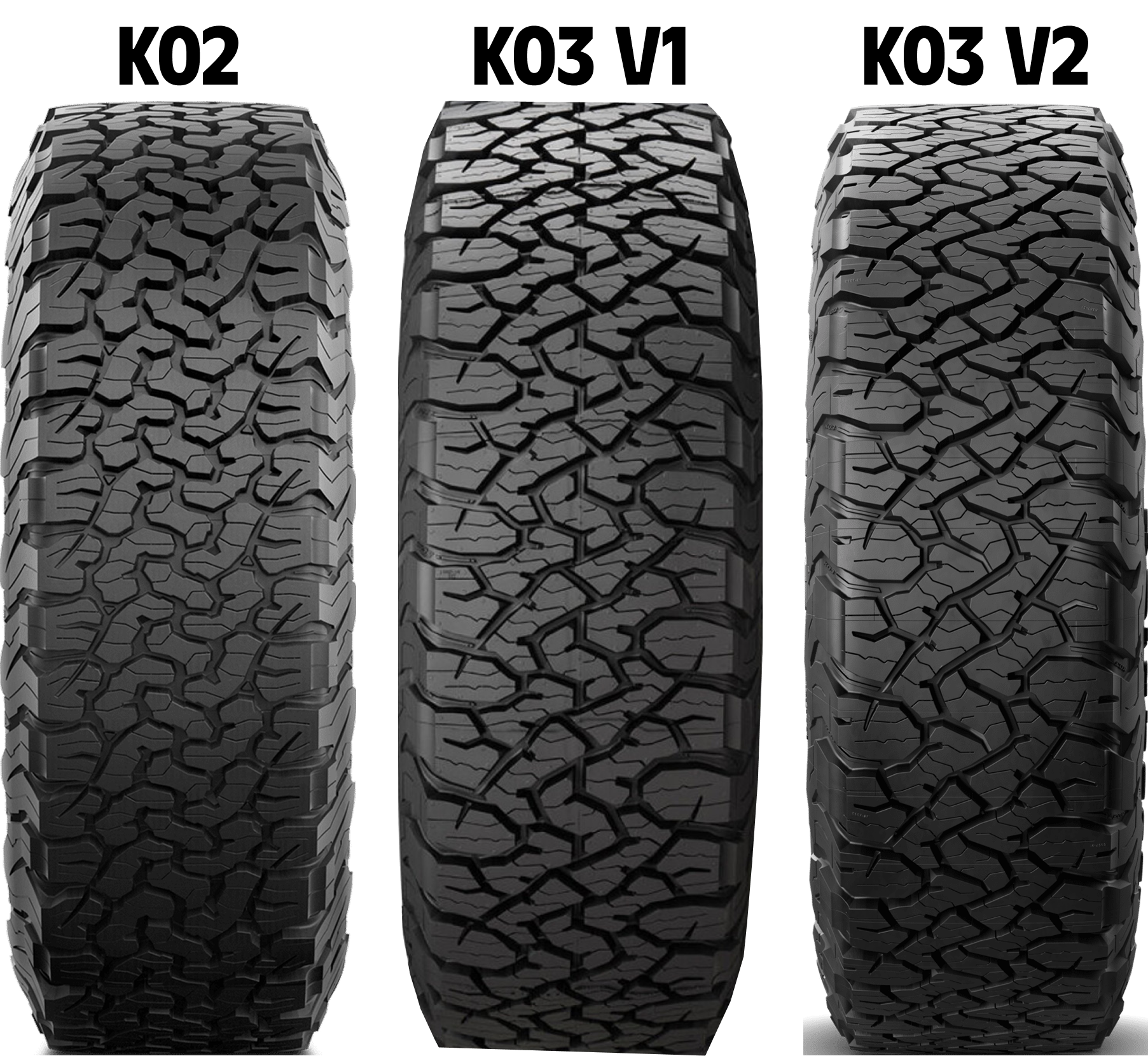
- KO2: Has large blocks and wide gaps. This pattern helps grip mud and eject stones. It’s also designed to stay stable at high speeds.
- KO3: The tread is more aggressive, with extra edges and deeper grooves. This gives better grip on snow and wet surfaces. KO3’s design also helps reduce road noise.
Another insight beginners miss: Tread depth is important. KO3’s deeper tread lasts longer and cleans itself better, especially in mud.
Sizes And Fitment
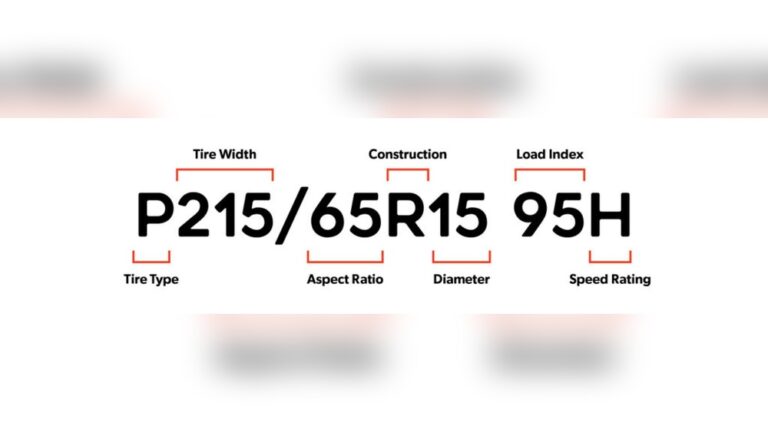
When choosing tires, you must find the right size for your vehicle. Both KO2 and KO3 offer many sizes.
- KO2 is available in over 60 sizes, from 15-inch to 22-inch wheels.
- KO3 is newer, so it has fewer sizes (about 30), but more are coming.
If your vehicle needs a rare size, KO2 may be easier to find. KO3 is best for common trucks and SUVs.
Price And Value
Cost is always a factor. KO2 and KO3 are premium tires, so they’re not cheap.
- KO2 prices: Around $220–$350 per tire (depending on size).
- KO3 prices: About $240–$370 per tire.
KO3 costs more because it’s newer and offers extra features. But with longer tread life, KO3 may save money over time.
Here’s a helpful comparison table:
| Feature | KO2 | KO3 |
|---|---|---|
| Tread Life | 40,000–50,000 miles | 55,000+ miles |
| Sidewall Strength | Very strong | Even stronger |
| Wet Grip | Good | Excellent |
| Noise Level | Moderate | Lower |
| Price (per tire) | $220–$350 | $240–$370 |
Real-world Experience: What Drivers Say
Online reviews and forums show that KO2 is trusted by thousands of off-road enthusiasts. Drivers praise KO2’s reliability and performance in tough conditions. Many have used KO2 for years with minimal issues.
KO3 is newer, so fewer reviews exist. Early feedback is positive. Drivers notice better grip on wet roads and quieter highway performance. Some report KO3 lasts longer than KO2, but it’s too soon for long-term proof.
Example: A Colorado truck owner switched from KO2 to KO3. He noticed better handling in snow and less vibration on highways. After 15,000 miles, his KO3 tires still looked almost new.
Who Should Choose Ko2?
KO2 is a proven tire. It’s perfect if you:
- Want reliable performance on all terrains
- Need a size not available in KO3
- Prefer a lower price
- Don’t drive in extreme winter conditions
KO2 is still a top choice for most off-road drivers. It’s especially good for those who mix highway and trail driving.
Who Should Choose Ko3?
KO3 is the best option if you:
- Want the latest tire technology
- Drive often in wet, snowy, or icy conditions
- Need maximum durability for extreme trails
- Value a quieter, smoother ride
- Are willing to pay more for longer tread life
KO3 shines in harsh environments. If you push your vehicle hard, KO3 will protect against damage and keep you safer.
Comparing Ko2 Vs Ko3 In Different Conditions
To make things clear, here’s a second comparison table showing how each tire performs in various conditions:
| Condition | KO2 Performance | KO3 Performance |
|---|---|---|
| Dry Road | Strong grip | Strong grip |
| Wet Road | Good, sometimes slippery | Very good, safer |
| Snow/Ice | Certified, good | Certified, excellent |
| Mud | Excellent | Excellent, better self-cleaning |
| Sand | Good | Good, less risk of getting stuck |
| Highway | Moderate comfort | Smoother, quieter |
Maintenance Tips For Ko2 And Ko3 Tires
To get the most from your tires, proper care is essential. Here are practical tips:
- Check air pressure monthly – Low pressure causes uneven wear and poor performance.
- Rotate tires every 6,000–8,000 miles – This keeps tread wear even.
- Inspect for cuts and chips – Off-road driving can damage tires quickly.
- Clean tires after muddy trips – Mud and stones stuck in the tread reduce grip.
- Avoid sudden stops on pavement – This can cause flat spots and reduce tread life.
A common mistake: Many drivers forget to check tire pressure after off-roading. Always adjust pressure back to normal for safe highway driving.
Credit: www.threepiece.us
Warranty Coverage
Both KO2 and KO3 come with BFGoodrich’s standard warranty:
- 6-year limited warranty
- Covers defects in materials and workmanship
- Tread life warranty varies by tire size and model
If you use tires for racing or extreme off-road competitions, the warranty may not apply. Always check the details before buying.
Environmental Impact
Tire manufacturing and disposal affect the environment. BFGoodrich uses recycled materials in both KO2 and KO3. The KO3’s longer life means fewer tires end up in landfills. If you care about sustainability, KO3 is a better choice.
Common Buyer Mistakes
Many buyers make simple mistakes when choosing off-road tires. Here are some to avoid:
- Picking the wrong size – Always check your vehicle’s requirements.
- Not considering tread pattern – Aggressive tread is noisier on highways.
- Ignoring load rating – Make sure the tire can handle your vehicle’s weight.
- Forgetting about climate – If you live in snowy areas, choose a tire with winter certification.
One overlooked mistake: Some buyers focus only on price. Cheap tires may save money now but cost more in the long run due to poor performance and short life.
How To Pick The Right Tire For Your Needs
It’s important to match the tire to your driving style and location.
- If you drive mostly on highways with occasional off-road trips, KO2 is a solid choice.
- If you need top performance in wet, snowy, or rocky terrain, KO3 is worth the extra cost.
Check your vehicle’s manual for size and load recommendations. Talk to local tire shops; they know which models work best in your area.

Credit: adventurouswayoflife.com
Ko2 Vs Ko3: Summary Table
To wrap up, here’s a quick summary:
| Tire | Strengths | Weaknesses |
|---|---|---|
| KO2 | Proven reliability, wide size range, good value | Older technology, less wet grip, moderate noise |
| KO3 | Latest tech, best wet/snow grip, quiet, durable | Higher price, fewer sizes (for now) |
Practical Examples
Let’s look at two real situations:
- Example 1: A family in Montana drives a Ford F-150 in deep snow. They switched to KO3 tires for winter. The difference was clear: better control and safer braking.
- Example 2: An Arizona Jeep owner uses KO2 for rocky trails. He loves the tough sidewalls and reliable grip. He prefers KO2 because his size isn’t available in KO3.
Expert Advice: What Really Matters
As someone who has tested both KO2 and KO3, here’s my advice:
- Don’t choose based only on brand or marketing. Look at your driving needs.
- If you drive in harsh weather, KO3 is safer.
- If you want proven performance and more size options, KO2 is great.
- Remember, regular maintenance is key. Even the best tire wears out if neglected.
For in-depth specs and data, visit the BFGoodrich official website.
Frequently Asked Questions
What Is The Main Difference Between Ko2 And Ko3 Tires?
The KO3 uses newer technology for better grip in wet and snowy conditions, stronger sidewalls, and longer tread life. KO2 is reliable, with more size options and a lower price.
Are Ko3 Tires Worth The Extra Cost?
If you drive in extreme weather or rough terrain, KO3’s added durability and safety are worth it. For regular driving, KO2 offers great value.
Do Ko3 Tires Fit All Vehicles?
KO3 is newer and has fewer sizes. Check your vehicle’s requirements and see if KO3 is available. KO2 fits more vehicles currently.
Can I Use Ko2 Or Ko3 Tires Year-round?
Both are “all-terrain” and certified for winter. You can use them all year, but KO3 is better if you face heavy snow or rain.
How Long Do Ko2 And Ko3 Tires Last?
KO2 lasts about 40,000–50,000 miles. KO3 claims up to 10% longer life, so around 55,000 miles or more, depending on care and driving conditions.
Choosing between KO2 and KO3 is easier when you know what each offers. Both are strong, reliable tires, but KO3 brings extra benefits for those who drive in tough conditions. Take time to match the tire to your needs, and you’ll enjoy safer, smoother journeys—on and off the road.