Choosing the right tires for your vehicle is more important than many people realize. The type of tire you use affects not only how your car handles but also safety, comfort, and even how much you spend on fuel. When you start shopping for new tires, you might see letters like “XL” and “E” on the sidewall. These letters are not just random codes—they tell you about the tire’s strength and what it’s designed to handle. But what do XL tires and E rated tires actually mean? And how do you know which is right for your car, SUV, or truck?
Understanding these terms can seem confusing at first, especially since both relate to how much weight a tire can carry. Still, the differences are important—choosing the wrong type can lead to poor performance, increased wear, or even dangerous blowouts. In this guide, you’ll learn exactly what XL and E rated tires are, how they compare, and how to decide which is best for your needs.
By the end, you’ll be able to walk into any tire shop and make a confident, informed decision.
What Does Xl Mean In Tires?
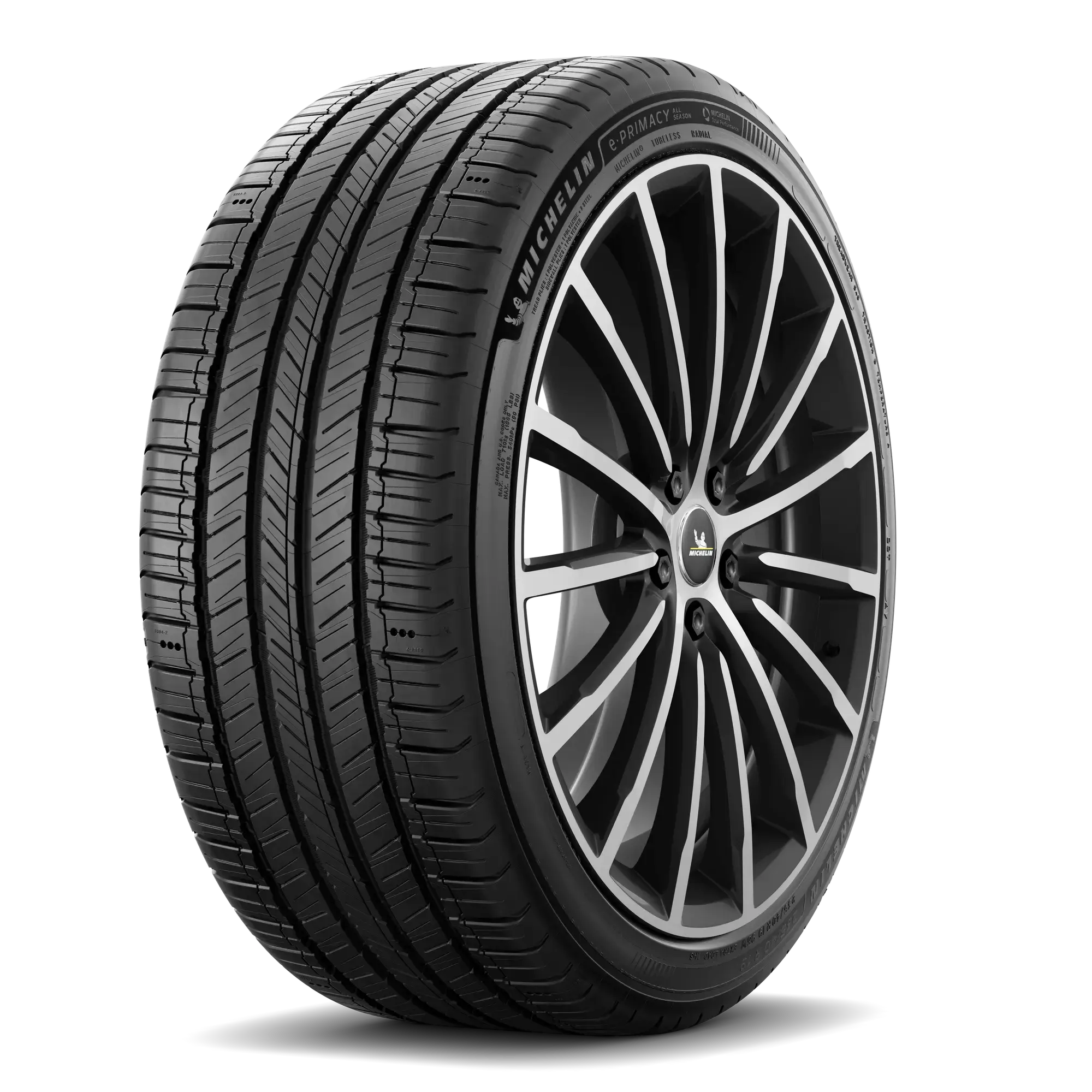
When you see “XL” on a tire, it stands for Extra Load. This means the tire is designed to carry more weight than a standard tire of the same size. But what does “extra” really mean?
XL tires have a reinforced structure—mostly in the sidewall and sometimes in the tread area. They are made with stronger materials or more layers of fabric and steel. Because of this, you can inflate them to a higher pressure, and they can support heavier loads.
For example, if a standard tire can carry 1,500 pounds at a certain pressure, an XL tire of the same size might be rated for 1,700 pounds.
You might also see “Reinforced” or “RF” on some tires instead of XL. In most cases, these mean the same thing.
Key Features Of Xl Tires
- Higher load capacity than standard tires
- Stronger sidewalls for added durability
- Can be inflated to higher pressures
- Often used on larger sedans, SUVs, or vehicles that carry more passengers or cargo
When Are Xl Tires Needed?
XL tires are especially useful if:
- You regularly drive with a full load of passengers or cargo
- You have a heavier vehicle, like a large sedan or crossover
- The car manufacturer recommends them (always check your owner’s manual)
Many European vehicles, for example, come from the factory with XL tires because they are built for high speeds and full loads.
Common Misconceptions
A lot of drivers think XL means the tire is larger in size. That’s not true—the “Extra Load” only refers to how much weight the tire can handle, not its dimensions. Another common mistake is assuming XL tires are always “better.
” In reality, they are only better if your vehicle or driving habits require them.
What Does E Rated Mean In Tires?
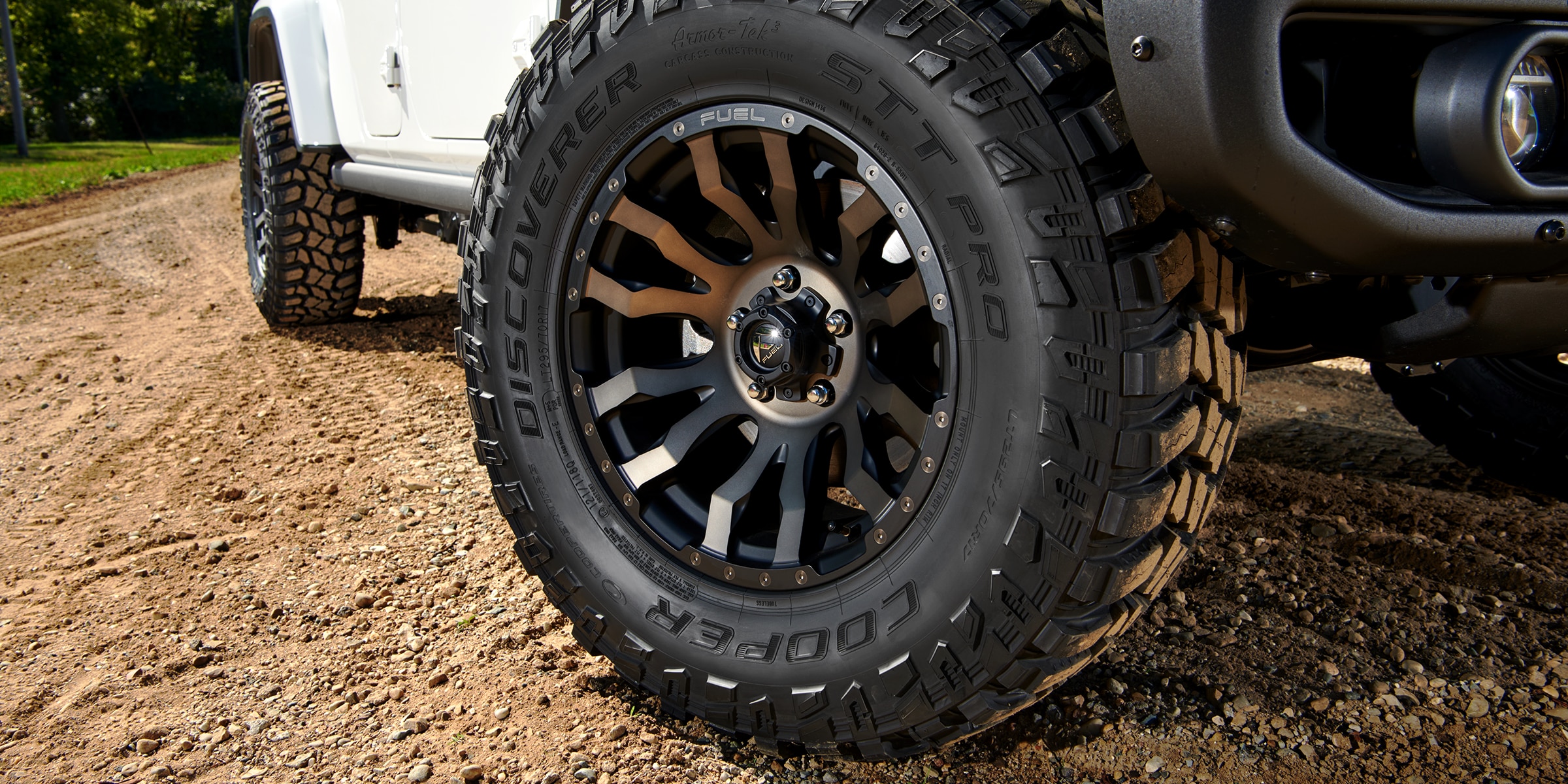
Now, what about E rated tires? The “E” here stands for Load Range E, a classification mostly used for light trucks, vans, and some heavy-duty SUVs. E rated tires are built for serious work—they can handle much heavier weights than standard or even XL passenger tires.
The system for load range ratings goes like this: for light truck tires, you’ll see letters like C, D, or E. Each step up means the tire can carry more weight, mostly due to thicker, stronger construction. Load Range E is usually the highest you’ll see for consumer vehicles.
Features Of E Rated Tires
- Very high load capacity—often 3,000 pounds or more per tire
- Stronger, thicker sidewalls and tread
- Rated for higher inflation pressures, often up to 80 psi
- Designed to handle towing, hauling, and off-road use
Typical Uses For E Rated Tires
You’ll find E rated tires on:
- Pickup trucks used for towing trailers
- Large vans transporting heavy equipment
- Work trucks carrying construction materials
- Some off-road vehicles that need extra durability
If you don’t regularly carry heavy loads, E rated tires are likely overkill—and they can actually make your ride less comfortable.
How Are E Rated Tires Marked?
Look at the sidewall of a truck or van tire, and you’ll usually see “Load Range E” or simply an “E” in a small box. Some tires also list the number of plies (layers), but modern E rated tires might only have 2 or 3 plies of strong materials, not 10 as in older tires.
Credit: www.sportsmobileforum.com
Xl Vs E Rated Tires: The Core Differences
At a glance, both XL and E rated tires are made to carry more weight than standard tires. But they are not interchangeable. Their differences go beyond just numbers—they are built for different kinds of vehicles and uses.
Let’s compare the main differences in a clear way:
| Feature | XL (Extra Load) Tires | E Rated (Load Range E) Tires |
|---|---|---|
| Vehicle Type | Passenger cars, SUVs, crossovers | Light trucks, vans, heavy-duty SUVs |
| Load Capacity (per tire) | ~1,650 – 2,000 lbs | ~2,800 – 3,750 lbs |
| Max Air Pressure | 40 – 51 psi | 65 – 80 psi |
| Comfort Level | Smoother, softer ride | Firmer, stiffer ride |
| Common Uses | Daily driving, family trips | Towing, hauling, commercial use |
| Sidewall Strength | Reinforced, but flexible | Very thick, less flexible |
| Price | Moderate increase over standard tires | More expensive, especially for large sizes |
Why You Can’t Swap Xl And E Rated Tires
Even though both types have “extra strength,” you should not swap one for the other. Here’s why:
- E rated tires are too stiff and heavy for most cars and crossovers. They can hurt handling and make the ride harsh.
- XL tires do not have enough strength for a loaded work truck or when towing a large trailer.
Always follow your vehicle’s recommended tire type. Using the wrong type can be unsafe and may even void your car’s warranty.
How Load Ratings Affect Performance And Safety
A tire’s load rating is more than just a number—it affects almost every part of how your vehicle drives.
Impact On Handling
- XL tires: The stiffer sidewalls help with cornering and stability, especially at high speeds or when the car is fully loaded.
- E rated tires: The very stiff construction can reduce grip on normal roads if the vehicle is not loaded. Trucks with empty beds can feel “bouncy” or harsh.
Fuel Economy
Heavier tires require more energy to roll. E rated tires are usually heavier than XL tires, which can lower fuel economy. If you use E rated tires on a light vehicle, you might notice a drop in miles per gallon.
Braking And Acceleration
More weight means it takes longer to stop or speed up. XL tires add a little weight; E rated tires add a lot. On a vehicle that doesn’t need them, this extra weight is a disadvantage.
Durability And Puncture Resistance
Both XL and E rated tires are tougher than standard tires. E rated tires, in particular, resist punctures better—important for work trucks or off-road use.
Ride Comfort
This is where the biggest difference appears. XL tires are a bit firmer than standard tires, but still comfortable for most people. E rated tires can feel very hard on rough roads unless the truck is carrying a heavy load.
If comfort matters to you, this is an important point to consider.
Real-world Scenarios: Which Tire Type Makes Sense?
Let’s look at some real-life examples to make the differences clearer.
Example 1: Family Suv
You drive a mid-size SUV, often with kids and luggage. Your manual says XL tires are recommended.
- Choose XL tires for the best mix of safety, comfort, and performance.
- E rated tires are not needed and will make the ride rough.
Example 2: Contractor’s Pickup Truck
You use a Ford F-250 for work, towing trailers and carrying heavy tools.
- E rated tires are needed for the weight and towing.
- XL tires would not be strong enough and could fail under load.
Example 3: Adventure Van
You have a camper van and sometimes drive off-road with gear and bikes.
- E rated tires offer the best durability and load capacity.
- If you rarely carry heavy loads, you might consider D rated (a step below E) for a softer ride, but not XL.
Example 4: City Delivery Vehicle
You drive a compact van, mostly in the city, carrying packages.
- XL tires give better durability for stop-and-go traffic and full loads.
- E rated tires are likely too stiff unless you often hit the maximum load rating.
These scenarios show that the “best” tire depends on your vehicle and how you use it—not just the load rating.
How To Find Your Tire’s Load Rating
It’s important to know what your vehicle requires before buying tires. Here’s how you can check:
- Look at the owner’s manual: The manual will list the recommended tire type, size, and load rating.
- Check the driver’s door jamb: There is usually a sticker with tire information, including size and load rating.
- Read the tire sidewall: Load ratings are printed on the tire. For XL, you’ll see “XL” or “Extra Load.” For E rated, look for “Load Range E.”
Don’t guess or just rely on what’s currently on your car, as previous owners may have installed the wrong type.
The Role Of Tire Pressure
Both XL and E rated tires can be inflated to higher pressures than standard tires. But using the correct pressure is critical.
- Under-inflating reduces load capacity and increases the risk of a blowout.
- Over-inflating can cause uneven wear and a harsh ride.
Always use the pressure recommended for your vehicle, not just the maximum listed on the tire.
Cost Comparison: Xl Vs E Rated Tires
Price is always a factor. In general, both XL and E rated tires cost more than standard tires. Here’s a typical price comparison:
| Tire Type | Average Price Range (per tire) | Typical Lifespan (miles) |
|---|---|---|
| Standard Passenger | $80 – $140 | 40,000 – 60,000 |
| XL (Extra Load) | $110 – $200 | 40,000 – 60,000 |
| E Rated (Load Range E) | $180 – $350 | 40,000 – 65,000 |
XL tires are usually about 20–40% more expensive than standard tires. E rated tires can cost twice as much or more, especially in larger sizes. However, if you need the extra strength, the cost is worth it for safety and performance.
Credit: www.tirerack.com
Common Mistakes To Avoid When Choosing Xl Or E Rated Tires
Drivers often make simple mistakes when picking tires. Here are some to watch for:
- Ignoring your manual: The vehicle maker knows what’s best. Always check the recommended load rating.
- Thinking “stronger is better”: A higher load rating does not always mean a better tire for your vehicle.
- Mixing tire types: Never mix XL with standard tires or E rated with lower-rated tires on the same vehicle.
- Focusing only on price: Cheaper tires may not have the strength you need. Saving money upfront can cost more in the long run.
- Not considering ride comfort: Extra-stiff tires can make daily driving unpleasant, especially on poor roads.
When To Upgrade To Xl Or E Rated Tires
Sometimes, you might want to upgrade from standard tires, even if your car didn’t come with XL or E rated originally. Consider upgrading if:
- You’ve added weight to your vehicle (roof racks, extra seats, camper equipment)
- You frequently tow a trailer or haul heavy loads
- You drive in rough conditions that need tougher tires
But always make sure the tires fit your wheels and don’t exceed the recommended size or pressure.
Credit: www.michelinman.com
Non-obvious Insights Most Beginners Miss
Many first-time buyers overlook a few key points:
- Load rating is for a fully inflated tire. If you under-inflate, the tire can’t carry its full rated load, even if it’s an XL or E rated tire.
- Tire load rating does not affect speed rating. A tire can be XL and still not suitable for high-speed driving if its speed rating is low. Always check both numbers.
Environmental And Legal Considerations
Using the wrong type of tire can have legal and environmental impacts:
- Insurance: Some policies require using tires that meet the car maker’s specs. Using lower-rated tires can void your coverage in an accident.
- Emissions: Heavier E rated tires can slightly reduce fuel economy, leading to higher emissions over time.
When In Doubt, Ask A Pro
Tires are not the place to guess. If you’re unsure, talk to a trusted mechanic or tire shop. Bring your owner’s manual, and ask them to explain any recommendations.
For more technical details and standards, you can refer to the tire code guide on Wikipedia.
Frequently Asked Questions
What Does Xl Mean On A Tire?
XL stands for “Extra Load.” It means the tire can carry more weight than a standard tire of the same size, thanks to a stronger structure and higher recommended air pressure.
Is An E Rated Tire Stronger Than An Xl Tire?
Yes. E rated tires are built for much heavier loads, usually for trucks or vans. They can handle higher pressures and more weight than XL tires, which are meant for passenger cars and SUVs.
Can I Use Xl Tires Instead Of E Rated Tires On My Truck?
No. If your truck needs E rated tires, using XL tires is unsafe. XL tires do not have the strength or load capacity for heavy towing or hauling.
Do Xl Or E Rated Tires Last Longer Than Standard Tires?
Not always. While they are tougher, their lifespan depends on usage, road conditions, and proper maintenance. Heavier, stronger tires don’t always mean longer tread life.
Are Xl Tires More Fuel Efficient Than E Rated Tires?
Usually, yes. XL tires are lighter than E rated tires, so they generally offer better fuel efficiency. E rated tires are heavier and can slightly reduce miles per gallon on vehicles that don’t need them.
Choosing between XL vs E rated tires is not just about picking the toughest option—it’s about matching your tire to your vehicle and how you use it. Take the time to check your car’s requirements, understand your driving habits, and never be afraid to ask for expert help. The right tire keeps you safe, comfortable, and confident on the road.