When drivers start searching for the best tires, two names often stand out: Continental and Michelin. Both brands have strong reputations, advanced technology, and a global presence. But which one is better for your car, your driving style, and your budget? This question has no simple answer because both companies offer quality, but their strengths can be very different depending on what you need.
Choosing the right tires is more important than many people realize. Tires are the only part of your car that actually touch the road. They affect safety, comfort, fuel use, and how your car feels when you drive. Picking the wrong tire can lead to problems, higher costs, or even dangerous situations. That’s why it’s smart to compare Continental and Michelin closely before you buy.
Let’s take a deep look at these two tire giants. We’ll compare their history, technology, performance, price, popular models, and more. By the end, you’ll know what makes each brand special—and which one could be the best fit for you.
Background: The Story Behind Continental And Michelin
Understanding where these companies come from helps explain why they make the tires they do today.
Continental: German Precision Since 1871
Continental was founded in Hanover, Germany, in 1871. At first, they made soft rubber products, but quickly moved to bicycle and automotive tires. Today, Continental is one of the world’s top five tire manufacturers. They produce tires for cars, trucks, motorcycles, and even aircraft.
Continental is known for engineering excellence and innovative technology. Their research often focuses on safety and performance, especially in wet and winter driving. Many German car makers, like BMW and Mercedes-Benz, use Continental as their original equipment tire supplier.
Michelin: French Innovation Since 1889
Michelin began in Clermont-Ferrand, France, in 1889. Their founders, the Michelin brothers, invented the removable pneumatic tire. Michelin is famous for creating the first radial tire in 1946, a technology now standard worldwide. Today, Michelin is often ranked as the world’s largest tire company.
Michelin is known for long-lasting tires and a focus on comfort and energy efficiency. They have won many awards for innovation, including eco-friendly tire technology. Michelin also publishes the famous Michelin Guide for restaurants, showing how their brand goes beyond tires.
Key insight: Both companies have more than a century of experience. But Continental’s roots are in performance and safety, while Michelin’s history is about comfort and long life.
Tire Technology: What Sets Each Brand Apart
Modern tires are more than rubber. They are complex products with advanced materials and smart designs. Both Continental and Michelin invest heavily in research and use special technology to make their tires unique.
Continental’s Tire Technologies
- Black Chili Compound: Used in high-performance tires, this special rubber blend improves grip on both wet and dry roads. It’s especially popular in the Continental SportContact series.
- ContiSeal: This technology allows the tire to seal itself if punctured by objects up to 5mm, reducing the chance of a flat.
- SSR (Self-Supporting Runflat): These tires let you drive up to 80 km at 80 km/h even after a puncture, helping you reach a safe place for repairs.
- ContiSilent: A noise-reducing foam inside the tire makes driving much quieter, a great choice for electric or luxury cars.
- EcoContact: Focused on low rolling resistance, this technology helps improve fuel efficiency and reduce emissions.
Michelin’s Tire Technologies
- EverGrip: Found in the Michelin Premier line, this technology keeps the tire gripping well even as it wears down. Hidden grooves appear as the tire ages.
- Green X: Michelin’s eco-label for tires that offer low rolling resistance, helping drivers save fuel.
- Zero Pressure (ZP): Similar to Continental’s runflat, these tires support the car even after a loss of pressure.
- Acoustic Technology: Like ContiSilent, this foam layer makes the ride quieter.
- Total Performance: Michelin focuses on balancing grip, longevity, and fuel savings in every tire, not just one area.
Non-obvious insight: While both brands offer puncture resistance and noise reduction, Michelin invests more in making sure tires keep performing well even after thousands of kilometers.
Performance Comparison: How Do They Drive?
For many drivers, performance is the most important factor. Let’s compare how these brands do in the real world.
Dry Road Grip
Both Continental and Michelin are leaders on dry roads. Tests by car magazines often place their summer and all-season tires at the top. Continental SportContact and Michelin Pilot Sport are favorites for sports cars.
- Continental tends to offer sharper steering feel, which sporty drivers love.
- Michelin often wins for balanced grip and smoothness, appealing to drivers who want both performance and comfort.
Wet Road Handling
Wet grip is where Continental often shines. Their focus on hydroplaning resistance and advanced rubber compounds gives them an edge, especially in their PremiumContact and EcoContact lines.
Michelin is no slouch, especially with their EverGrip technology, but Continental sometimes stops a bit shorter in independent tests.
Example: In a 2023 wet braking test by AutoBild, the Continental PremiumContact 7 stopped about 1.2 meters sooner from 80 km/h than the Michelin Primacy 4.
Winter Performance
Both brands are strong in winter, but their best models serve different needs.
- Continental’s WinterContact line is excellent on snow and ice, with strong European test results.
- Michelin’s Alpin and X-Ice models are very popular in North America and do well in cold, dry conditions.
Non-obvious insight: Continental winter tires often have better performance right out of the box, but Michelin’s last longer before losing their winter grip.
Comfort And Noise
Michelin usually wins when it comes to ride comfort. Their focus on absorbing bumps and reducing noise makes them a top choice for luxury cars and long trips.
Continental’s ContiSilent helps, but some drivers find their sportier tires a bit stiffer.
Tire Longevity
Michelin is famous for long tread life. Many Michelin tires come with warranties up to 130,000 km. Continental tires are also durable, but in tire owner surveys, Michelin often rates higher for life span.
Key data: According to Consumer Reports, Michelin’s Defender T+H model lasted 145,000 km in their test, while Continental’s TrueContact Tour reached about 120,000 km.
Fuel Efficiency
Both brands offer low rolling resistance options, but Michelin has more focus on eco-friendly models. Their Energy Saver and Green X lines help drivers use less fuel.
Continental’s EcoContact is a strong competitor, but Michelin often leads in independent fuel use tests.
Price: Is One Brand Cheaper?
Tire prices can change by region, size, and type, but there are clear trends.
- Michelin tires are often 10-20% more expensive than Continental for similar models.
- Continental’s wide range means you can often find a good tire at a lower price point.
Why the price difference? Michelin invests heavily in research, quality control, and strong warranties. Some drivers feel the extra cost is worth it for long life and peace of mind. Others prefer Continental for value and strong performance.
It’s also worth noting that sales, rebates, and dealer promotions can change the price picture at any time. Always check for local deals.

Credit: www.youtube.com
Popular Models Compared
Let’s look at some of the best-known models from each brand, and what kind of driver they suit.
| Category | Continental | Michelin |
|---|---|---|
| Ultra High Performance Summer | SportContact 7 | Pilot Sport 4S |
| Touring All-Season | PureContact LS | Defender T+H |
| Winter | WinterContact TS 870 | X-Ice Snow |
| Fuel Efficient | EcoContact 6 | Energy Saver A/S |
| Runflat | ContiProContact SSR | Primacy MXM4 ZP |
Quick tips: If you drive a sports car and want the sharpest handling, try the SportContact 7. If comfort and long life matter most, the Defender T+H is a great pick.
Strengths And Weaknesses: What Each Brand Does Best
Here’s a closer look at where Continental and Michelin excel—and where they could do better.
Continental’s Strengths
- Best-in-class wet grip: Their tires often stop shorter on rainy roads.
- Great value: Usually cheaper than Michelin for similar quality.
- Innovative safety features: Runflat and ContiSeal help prevent being stranded.
- Strong in European winters: Their winter tires are trusted by many car makers.
Continental’s Weaknesses
- Slightly shorter tread life: Not as long-lasting as Michelin in most cases.
- Ride can be firmer: Some models focus on sport, not comfort.
- Fewer “eco” models: Less choice for drivers focused on fuel economy.
Michelin’s Strengths
- Longest tread life: Many models last longer than the competition.
- Excellent comfort: Smooth, quiet ride on most surfaces.
- Strong eco-focus: Many tires help save fuel and reduce emissions.
- Great all-rounders: Good balance of grip, longevity, and comfort.
Michelin’s Weaknesses
- Higher price: Usually 10-20% more expensive.
- Wet grip not always best-in-class: Some models stop slightly longer on wet roads.
- Less sporty “feel”: Some drivers say they don’t feel as “connected” to the road.
Non-obvious insight: If you drive in heavy rain often, Continental is a smart choice. For long highway commutes, Michelin can pay for itself with extra lifespan and comfort.
Real-world User Reviews: What Drivers Say
It’s easy to look at tests and specs, but what about real drivers? Let’s see what people say after thousands of kilometers.
- Continental owners often praise the strong wet grip and quick steering. Many appreciate the value but notice the tires get noisy as they wear.
- Michelin owners almost always talk about quietness and long life. Many are repeat buyers, saying they “never go back” after trying Michelin. Some wish the price was lower.
A 2023 Tire Rack survey of 10,000 drivers found that Michelin scored 4.8 out of 5 for overall satisfaction, while Continental scored 4.6. Both are above average, but Michelin’s lead is clear.
Example review:
“I switched to Michelin Defenders for my family car. I got 130,000 km before I changed them—worth every penny. ”
— Maria, Canada
“I use Continental SportContacts on my BMW. The grip in rain is amazing, but they wore out a bit faster than my old Michelins. ”
— Hans, Germany
Continental Vs Michelin: Special Cases
Sometimes, choosing the right tire is not just about general performance. Here are a few special situations.
Electric Vehicles (evs)
EVs are heavier and need quiet, efficient tires. Both brands make special EV tires, but Michelin’s Pilot Sport EV is very popular for Teslas and other electric cars. Continental offers the EcoContact 6 for efficiency, but it’s not as widely used in the EV world yet.
Suvs And Light Trucks
If you drive a large SUV or pickup, Michelin’s LTX and Defender LTX are top-rated for towing, comfort, and long life. Continental’s CrossContact series is also well-rated, especially in Europe.
High-performance Sports Cars
For Porsche, BMW M, or Mercedes AMG, both brands offer high-performance tires. Often, car makers work directly with Continental or Michelin to design “OE” (original equipment) tires for their sports models. Check your car’s manual for recommendations.
Non-obvious insight: Some cars are “tuned” for a specific brand of tire. If your car came with Continental or Michelin from the factory, it’s usually best to stick with that brand for the same driving feel.
Environmental Impact: Which Brand Is Greener?
Today, many drivers care about environmental impact. Both companies have made promises to reduce their carbon footprints.
- Michelin leads with their “All Sustainable” plan, aiming for 100% sustainable tires by 2050. Their Green X and Energy Saver models help drivers use less fuel.
- Continental is also pushing for sustainability, using dandelion rubber and recycled materials in some tires. Their goal is to make all tires carbon-neutral by 2050.
Example: Michelin uses over 30% renewable materials in some tires now. Continental’s Taraxagum project is using dandelion roots to replace traditional rubber.
Key takeaway: Both brands are making progress, but Michelin has more “green” tire options for regular drivers right now.
Warranty And Customer Support
Both Continental and Michelin offer strong warranties, but there are differences.
| Brand | Treadwear Warranty | Road Hazard Warranty | Customer Support |
|---|---|---|---|
| Continental | Up to 110,000 km | Some models (1 year) | Good, but varies by region |
| Michelin | Up to 130,000 km | No (except some dealers) | Very strong, global presence |
Non-obvious insight: Michelin’s longer treadwear warranties reflect their confidence in tire life, but Continental offers more road hazard coverage on some models.
If you drive in areas with rough roads or lots of debris, check if your dealer includes road hazard protection.
Credit: x3.xbimmers.com
Common Mistakes When Choosing Between Continental And Michelin
Many buyers make these errors when picking tires:
- Focusing only on price: Cheaper tires can cost more in the long run if they wear out faster or use more fuel.
- Ignoring local climate: A tire that’s great in Europe might not suit extreme heat or cold elsewhere.
- Not considering driving style: Sporty drivers need different tires than those who mostly do highway commutes.
- Skipping the load index and speed rating: Make sure the tire matches your car’s needs.
- Not checking tire age: Even the best tire loses grip after 5-6 years, so don’t buy old “new” stock.
Key advice: Always read recent tests and ask your dealer for help if you’re unsure. The right tire is an investment in your safety.
Which Brand Is Best For You?
So, should you choose Continental or Michelin? Here’s a quick guide:
- Choose Continental if you want top wet grip, sporty handling, and good value.
- Choose Michelin if you care most about comfort, long life, and fuel efficiency—even if you pay a bit more.
Non-obvious insight: If you do a lot of highway driving or keep your car for many years, Michelin’s higher upfront cost often pays off in fewer replacements.
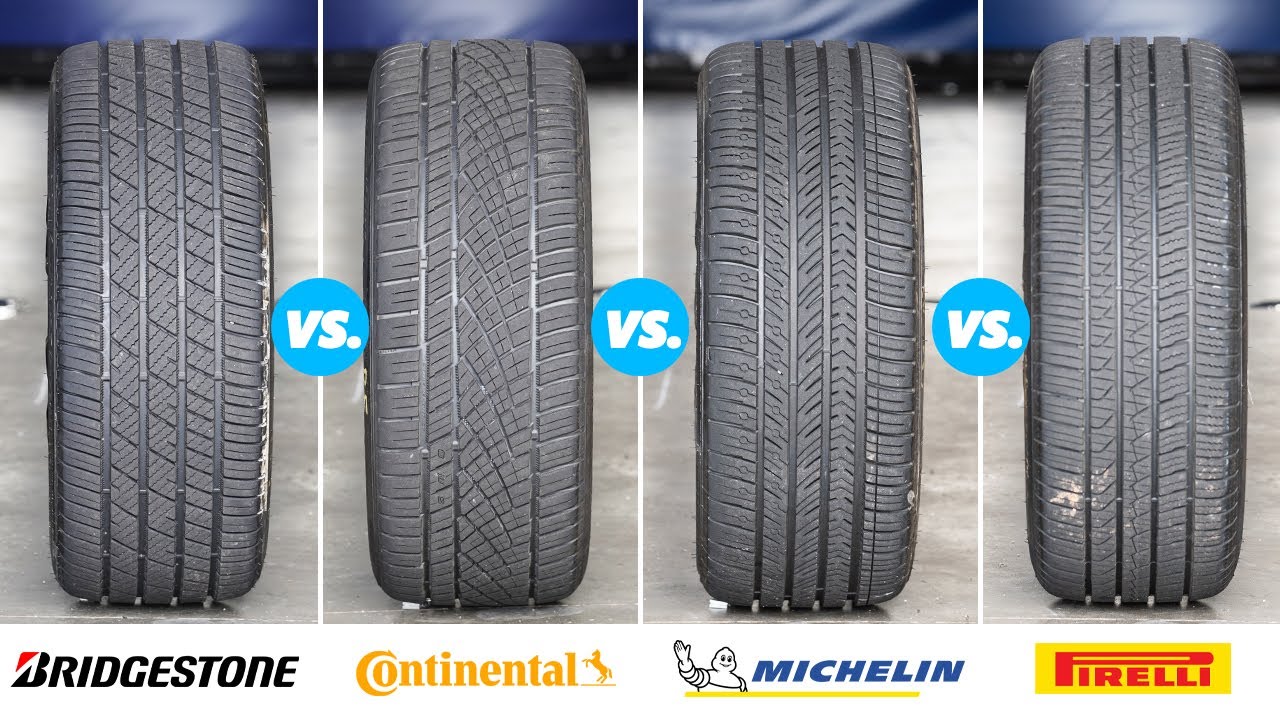
There is no single “winner”—it depends on your needs, your car, and your roads. Test results, user reviews, and your own experience are the best guides.
For more technical details and the latest test results, you can visit the official Tire Rack testing page.
Credit: www.youtube.com
Frequently Asked Questions
What Is The Biggest Difference Between Continental And Michelin Tires?
The biggest difference is that Michelin usually focuses more on long life and comfort, while Continental puts more effort into wet grip and sporty handling. Michelin tires often last longer, but Continental tires may perform slightly better in rainy or tricky conditions.
Are Michelin Tires Worth The Higher Price?
For many drivers, yes. Michelin tires often last longer, ride more quietly, and save more fuel. If you keep your car for a long time or drive a lot, the higher price can be a good investment. However, if you change cars often or drive mostly in the city, Continental tires might offer better value.
Which Brand Is Better For Winter Driving?
Both are strong, but Continental usually scores higher in European snow and ice tests, while Michelin does very well in North America. The best choice depends on your local weather and which model you pick. Always choose a real winter tire for snow and ice, not just an all-season.
Do Both Brands Offer Runflat Tires?
Yes, both Continental and Michelin offer runflat options. Continental calls theirs SSR and Michelin uses ZP (Zero Pressure). Check if your car is designed for runflats before choosing these tires, as they can make the ride firmer.
How Do I Know Which Brand My Car Needs?
Check your car’s owner’s manual or the sticker inside the driver’s door. Many cars list recommended tire brands and sizes. If your car came with Continental or Michelin from the factory, it’s usually best to stick with the same brand for the closest match in performance and feel.
Both Continental and Michelin make excellent tires. Choosing the right one means looking at your own driving habits, your local roads, and your budget. Whichever you choose, you’ll be driving on some of the best rubber in the world.