When you shop for new tires, you may notice a lot of confusing letters and numbers. Among these, the D and E tire ratings stand out for people who drive trucks, SUVs, or tow trailers. If you’ve ever wondered what these ratings mean, how they affect your driving, and which one is right for your needs, you’re not alone. Choosing between D and E rated tires is more than just picking a letter—it directly impacts your vehicle’s safety, ride comfort, and even your wallet.
For most drivers, especially those who use their vehicles for work, towing, or off-roading, understanding tire ratings can save money and prevent accidents. This article will break down everything you need to know about D vs E rated tires. We’ll look at what each rating means, why it matters, and how to choose the best option for your vehicle and driving style. By the end, you’ll have the practical knowledge to make a confident tire choice.
What Do D And E Rated Tires Mean?
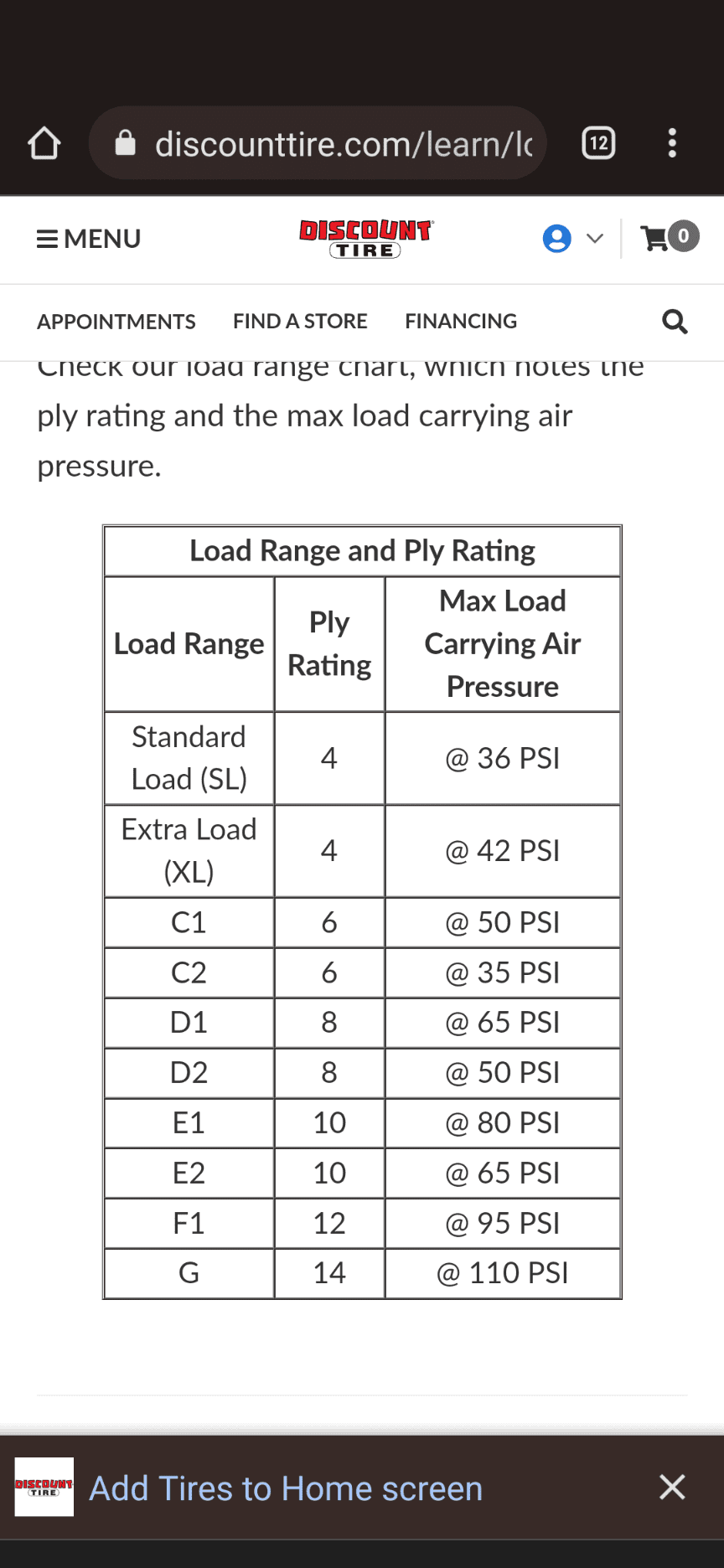
The letters D and E on tire ratings stand for load range. This rating shows how much weight a tire can safely carry at a certain pressure. Both D and E are used for light truck tires or LT tires. These are different from standard passenger car tires.
- Load Range D usually means the tire can handle a maximum pressure of 65 psi (pounds per square inch).
- Load Range E means the tire can handle up to 80 psi.
But it’s not just about pressure. The rating also tells you about the tire’s strength and how much weight it can carry. Load range is linked to the number of layers or “plies” inside the tire, but modern tires don’t always match the old “ply rating” system.
For example, an E-rated tire is called a “10-ply” rating, but it may not have 10 actual layers—it just means it’s as strong as the old 10-ply tires.
Key facts:
- D rated tires: 8-ply rating, 65 psi max pressure
- E rated tires: 10-ply rating, 80 psi max pressure
This difference might seem small, but it can have a big impact on how a tire behaves under heavy loads or tough conditions.
Why Tire Load Ratings Matter
You might think, “I’ll just get the strongest tire.” But the right tire isn’t always the strongest. Load rating affects safety, tire life, fuel economy, and ride comfort.
Safety
If you overload a tire, it can overheat and fail. This is especially dangerous when towing a trailer or carrying heavy tools in your truck bed. D and E rated tires are designed for heavier vehicles or loads, but using a tire below your needs can lead to blowouts.
Vehicle Performance
- D rated tires flex more, giving a softer ride but less stability when loaded.
- E rated tires are stiffer, making them better for heavy loads but sometimes less comfortable on bumpy roads.
Tire Life
Tires used at or over their limit wear out faster. If you pick a tire with too low a rating, you’ll be buying new tires more often.
Fuel Economy
Higher load range tires (like E) are usually heavier and stiffer. This can lower your fuel economy compared to D rated tires.
Non-obvious insight: Many people think a stronger tire is always better, but if your vehicle is mostly empty, a stiffer tire can actually wear out faster and make your ride worse.
How To Read Tire Sidewall Markings
If you look at your tire’s sidewall, you’ll see a code like LT265/70R17 E. Here’s how to read it:
- LT = Light truck tire
- 265/70R17 = Tire size
- E = Load range (in this case, E)
Manufacturers sometimes use “Load Range D” or “Load Range E” in writing instead of a letter. Always check your tire’s sidewall for this information.
D Vs E Rated Tires: Side-by-side Comparison
Let’s compare the most important differences between D and E rated tires. This helps you see the facts at a glance.
| Feature | D Rated Tire | E Rated Tire |
|---|---|---|
| Load Range | D (8-ply rating) | E (10-ply rating) |
| Max Pressure | 65 psi | 80 psi |
| Max Load (per tire)* | ~2,600 lbs | ~3,200 lbs |
| Ride Comfort | Softer | Stiffer |
| Weight | Lighter | Heavier |
| Best Use | Light trucks, moderate loads | Heavy loads, towing, commercial use |
*Exact weight depends on tire size and brand
Practical tip: Always check the tire’s specific load rating for your size. Not all D or E tires carry the same weight.
When To Choose D Rated Tires
D rated tires are a good choice for many drivers who use their trucks or SUVs for daily driving and light hauling.
Best For:
- Daily driving: If you use your truck mostly for commuting or errands, D rated tires offer a smoother ride and better comfort.
- Light towing: Small campers, boats, or utility trailers that don’t reach high weights.
- Off-roading: Softer sidewalls can help grip and flexibility on rough trails.
Real-world Example:
If you drive a Toyota Tacoma or Ford Ranger and only tow a small trailer a few times a year, D rated tires likely meet your needs. You’ll feel less road bumps, and your tires won’t be too stiff in cold weather.
What To Watch Out For:
- Don’t pick D rated tires if you plan to tow heavy loads or fill your truck bed with equipment often.
- Check your vehicle’s manual. Using a tire with a lower rating than required can void your warranty or insurance.
Non-obvious insight: Many off-roaders actually prefer D rated tires because they can air them down for better traction, and they don’t need the extra stiffness of E rated tires unless they’re carrying big loads.
When To Choose E Rated Tires
E rated tires are designed for the toughest jobs. They are common on larger trucks, vans, and vehicles that tow heavy trailers.
Best For:
- Heavy towing: Travel trailers, horse trailers, and large boats.
- Commercial use: Contractors who haul tools, equipment, or materials.
- Large vehicles: Heavy-duty pickups like Ford F-250, Ram 2500, Chevy Silverado 2500, and bigger vans.
Real-world Example:
A Ford F-350 carrying a slide-in camper or towing a double-axle trailer needs E rated tires. The higher load rating gives extra safety margin and protects against blowouts.
What To Watch Out For:
- The stiffer sidewall of E rated tires can make the ride harsher, especially when the truck is empty.
- Heavier tires can slightly reduce fuel economy.
- If you upgrade from D to E, you may need to check your wheels and valve stems. Not all wheels are rated for 80 psi.
Non-obvious insight: Even if your truck came with D rated tires, switching to E doesn’t always mean you can carry more weight. Your truck’s suspension and axle rating also matter. Always check the lowest-rated part of your setup.
Impact On Ride Comfort
One thing drivers notice right away is the difference in ride quality. This is often overlooked until after new tires are installed.
- D rated tires: Softer sidewalls mean a smoother, more comfortable ride, especially when the truck is empty.
- E rated tires: Stiffer sidewalls make the ride feel firmer and can transmit more bumps and vibrations.
For families or people who use their truck as a daily driver, comfort can matter as much as load rating. Some drivers regret choosing E rated tires because the ride feels “truck-like” all the time.
Tip: If you don’t carry heavy loads often, D rated tires can keep your truck feeling more like an SUV than a dump truck.
Impact On Fuel Economy
Tire weight and rolling resistance affect how much fuel your vehicle uses.
- D rated tires: Usually lighter, with less rolling resistance. This can mean slightly better gas mileage.
- E rated tires: Heavier and stiffer, which can increase rolling resistance and reduce fuel economy, sometimes by 1-2 mpg.
The difference is usually small, but for drivers who log thousands of miles per year, it can add up.
Example: Swapping from D to E rated tires on a half-ton pickup might cost you 20-30 gallons of fuel each year, depending on driving style and tire brand.
Tire Longevity And Cost
It’s a common myth that E rated tires always last longer. In reality, tire life depends on matching the tire to the job.
- E rated tires last longer under heavy loads, but may wear unevenly if driven mostly empty.
- D rated tires can last longer for light use because they flex more and don’t get as hot.
Cost: E rated tires usually cost $20–$50 more per tire than D rated ones, depending on size and brand.
| Tire Type | Average Cost (per tire) | Typical Mileage |
|---|---|---|
| D Rated | $150–$220 | 40,000–60,000 miles |
| E Rated | $170–$270 | 40,000–65,000 miles |
Practical advice: Don’t buy E rated tires “just in case” if you don’t need them. They’re more expensive and can wear faster if not used for heavy loads.
Off-roading: D Vs E Rated Tires
Off-road drivers often have strong opinions about tire ratings.
- D rated tires: Preferred for rocky trails, sand, or mud. They flex better, provide better grip when aired down, and are less likely to crack from repeated flexing.
- E rated tires: Needed for overlanding with heavy gear, or trucks carrying rooftop tents, campers, or extra fuel.
Common mistake: Some off-roaders upgrade to E rated tires thinking they’ll be tougher. But unless you need the load capacity, you may lose traction and comfort.
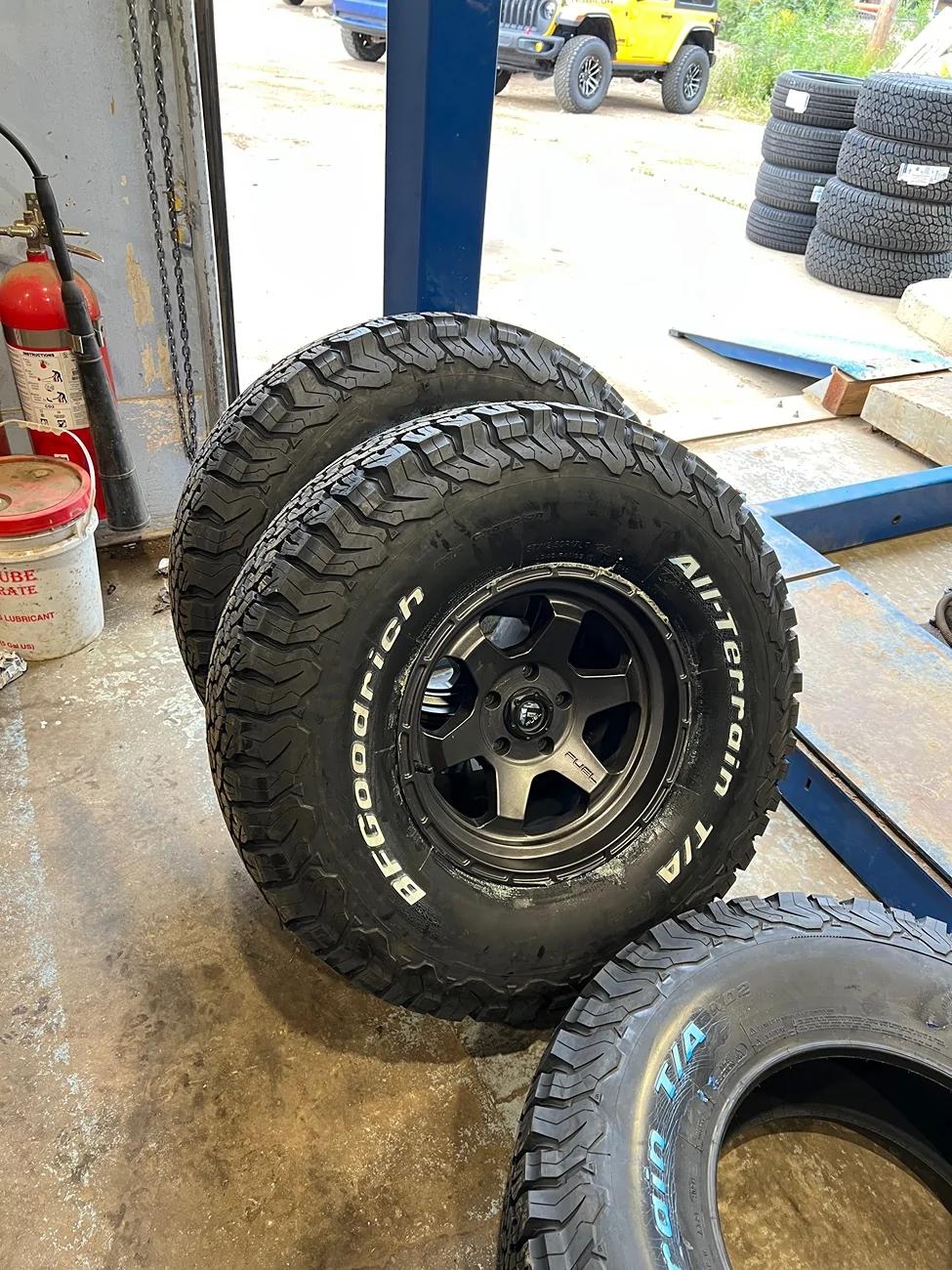
Credit: www.jlwranglerforums.com
Towing: How Load Range Impacts Safety
Towing is where tire load rating matters most. Your tires are the only thing between your heavy trailer and the road. Overloaded or under-rated tires can cause swaying, blowouts, or poor handling.
How To Check If Your Tires Are Rated For Towing
- Find your trailer’s weight: Look for the “gross trailer weight” (GTW).
- Check your truck’s payload: Find the “gross vehicle weight rating” (GVWR).
- Read your tire’s sidewall: Find the max load at max pressure.
Example calculation:
- Trailer weight: 5,000 lbs
- Truck weight: 6,000 lbs
- 4 tires, each rated for 2,600 lbs (D rated): Total = 10,400 lbs
You’re below the tire limit, but if you add more cargo, you could get close to the edge. E rated tires give extra margin, especially for long trips or hot weather.
Tip: Always inflate tires to the recommended pressure when towing. Under-inflated tires can overheat, even if they are E rated.
Upgrading From D To E Or Vice Versa
Some drivers consider upgrading (or downgrading) their tires. Here’s what you need to know:
- Upgrading to E: Gives more load capacity and durability for towing or heavy use. Check that your wheels and valve stems are rated for higher pressure (80 psi).
- Downgrading to D: Softer ride and possibly better mileage, but only safe if your loads and towing stay within D’s limits.
Important: Never exceed your vehicle’s GVWR, even if your tires are rated higher.

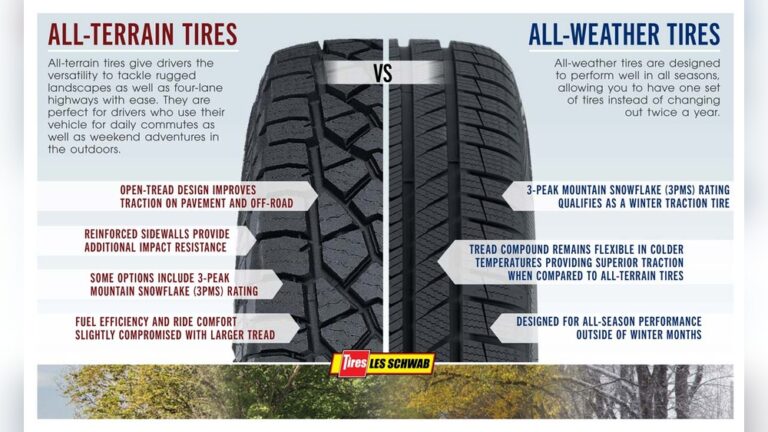
Credit: www.lesschwab.com
Common Myths About D And E Rated Tires
- E rated tires are always better.
- Not true. Heavier, stiffer tires may not suit your daily needs.
- More plies means a tougher tire.
- Modern tires use advanced materials. Ply rating is a strength measure, not actual layers.
- You can always run E tires at lower pressure for comfort.
- Running E tires under-inflated can cause heat buildup and early failure. Always follow recommended pressures.
Real-world Scenarios
Scenario 1: Weekend Warrior
Sarah drives a mid-size pickup for work and towing a small camper on weekends. She chooses D rated tires for comfort, but checks the load rating to make sure it’s enough for her camper. She enjoys a smoother ride during the week and safe towing on trips.
Scenario 2: Contractor
Mike owns a heavy-duty truck and hauls building materials daily. He uses E rated tires for their strength and durability. On weekends, the ride is a bit rough, but he needs the safety and peace of mind for his work.
Scenario 3: Off-road Adventurer
David loves overlanding with a rooftop tent and gear. He prefers E rated tires for extra strength but runs them at the recommended pressure to avoid excessive stiffness. On rough trails, he airs down for grip, but always reinflates before hitting the highway.
Tire Pressure: Why It Matters
No matter which load range you choose, correct tire pressure is critical. Under-inflated tires, even E rated ones, are at risk of blowouts. Over-inflated tires can reduce grip and wear out in the middle.
Tip: Check your tire pressure monthly, and always before long trips or towing.
Pro insight: Tire pressure should match the load. If your truck is empty, you can reduce pressure for comfort (within safe limits), but never go below the manufacturer’s minimum.
Choosing The Right Tire For Your Vehicle
There’s no single “best” tire for everyone. Here’s how to decide:
- Check your owner’s manual: The manufacturer lists the required load range.
- Consider your use: Daily driving, towing, heavy hauling, off-roading?
- Think about comfort: If your truck is your family car, comfort matters.
- Budget: Higher-rated tires cost more, but may save money if you carry heavy loads often.
Don’t forget: If you change tire ratings, adjust your driving habits and check your tire pressure often.
Environmental And Legal Factors
Some states and provinces have laws about tire ratings for commercial vehicles. Using the wrong tire can result in fines or failed safety inspections. Also, over-specifying your tires (using E when D would do) means using more raw materials, which has an environmental cost.
Tire Brands And Models: Differences Between D And E
Not all tire brands offer both D and E rated tires in every size. Some popular brands:
- Michelin
- Goodyear
- BFGoodrich
- Cooper
- Falken
Some tires are only available in E rating, especially for larger sizes. Always check what’s available for your vehicle before deciding.
How To Tell If You Need To Upgrade
- You’ve added a camper or heavy trailer.
- You notice your tires get hot or wear quickly when loaded.
- Your vehicle feels unstable when towing.
- Your load rating is close to or over the tire’s max.
If you answer “yes” to any of these, consider moving up to E rated tires.
Key Takeaways
- D rated tires: Softer ride, good for light hauling, better for off-road flexibility.
- E rated tires: Tougher, handle more weight, better for towing and commercial use, but firmer ride.
- Always match the tire to your vehicle’s needs, not just the highest rating.
- Check your tire’s sidewall, vehicle manual, and consider your driving habits.
- Don’t forget about proper inflation and regular checks for safety.
For more details on tire load ratings and safety, visit the Wikipedia Tire Code page.
Credit: www.ranger5g.com
Frequently Asked Questions
What Does “ply Rating” Really Mean For D And E Tires?
Ply rating is an old way of showing tire strength. D rated means “8-ply,” E rated means “10-ply.” Today, this doesn’t mean the tire has 8 or 10 layers, but that it’s as strong as those older tires.
Can I Replace My D Rated Tires With E Rated Tires?
Yes, you can, as long as your wheels and valve stems are rated for the higher pressure (80 psi). But expect a firmer ride, and check if you really need the extra capacity.
Will E Rated Tires Last Longer Than D Rated Tires?
Not always. E rated tires last longer under heavy loads, but if used lightly, they can wear faster due to their stiffer construction. Tire life depends more on how you use them.
Is It Safe To Use D Rated Tires For Towing?
It’s safe if the D rated tire’s load capacity meets or exceeds your trailer and cargo weight. Always check the numbers and don’t exceed the tire’s limits.
Why Do Some Off-roaders Prefer D Rated Tires?
D rated tires flex more, which gives better grip off-road and a smoother ride. E rated tires are stronger but can be too stiff for light trucks or empty vehicles on trails.
Making the right choice between D and E rated tires means thinking about your real-world needs, not just the numbers. By understanding the differences and how they apply to your vehicle, you can drive safer, more comfortably, and with confidence.