When winter turns roads into ice and snow, tire chains become a driver’s lifeline. But if you’ve ever shopped for chains, you’ve probably seen two terms that aren’t always explained well: cam and non-cam tire chains. Both types help you get traction, but they’re not the same. Choosing the right style can make the difference between a safe drive and a frustrating, even dangerous, experience.
The confusion starts with how similar they look. At first glance, both cam and non-cam chains might seem like just metal links you wrap around your tires. But dig deeper, and you’ll find that the way these chains fasten and tighten is what truly sets them apart. Many drivers buy the wrong type, struggle with installation, or even damage their tires. This article will walk you through exactly what makes cam and non-cam tire chains different, their unique benefits and drawbacks, and practical advice for picking the best option for your vehicle and your needs. Whether you drive a small car, a heavy truck, or a commercial vehicle, understanding these chains will help you stay safer on the road when conditions are at their worst.
What Are Cam Tire Chains?
Cam tire chains are a specific style of snow chain designed to make tightening and adjusting the chains much easier. The word “cam” refers to a built-in cam-tightening system. This feature uses small cams, or rotating levers, attached to the chain links. When you turn the cam with a special tool (usually called a cam key or wrench), the chain cinches tight around your tire. This means you don’t have to use extra tensioning devices or wrestle with the chain to get it snug.
Most cam chains are made of hardened steel for durability. The cam tighteners are spaced evenly around the chain, usually three to five per tire. After placing the chain over your tire, you simply turn each cam until the chain fits tightly.
This system is especially helpful for larger tires, trucks, or people who want a fast and secure fit.
Main Features Of Cam Tire Chains
- Built-in cam tighteners for quick adjustment
- Designed for easy installation and removal
- Usually require a cam tool (included with most sets)
- Suitable for vehicles that need reliable, heavy-duty performance
- Common in commercial, agricultural, and off-road applications
Types Of Vehicles That Use Cam Chains
Cam chains are popular with:
- Truck drivers who need to put chains on quickly during changing road conditions
- Commercial vehicles that carry heavy loads
- Off-road vehicles where quick adjustments are needed
- Some SUVs and pickup trucks that face steep or icy terrain
It’s less common to see cam chains on small cars, mainly because they’re designed for larger, heavier wheels.
How Cam Chains Work In Practice
Imagine you’re a delivery driver. A winter storm hits, and you must chain up fast on the roadside. With cam chains, you drape them over the tire, hook the ends, and then use the cam tool to rotate each cam until the chain is tight.
You don’t have to drive forward and re-tighten, or use extra rubber tighteners (though some drivers still do for added security). The chain hugs your tire evenly, which helps with traction and reduces the chance of slippage.
What Are Non Cam Tire Chains?
Non cam tire chains are the traditional style of snow chain without built-in tightening cams. These chains rely on manual fitting and often need extra tensioners—like rubber adjusters or bungee cords—to keep them snug on the tire. Without the cam system, installation can take a bit longer and usually requires more effort to get the chains tight and secure.
While non cam chains might sound old-fashioned, they’re still widely used. They’re often less expensive and have fewer moving parts to wear out. For many drivers, non cam chains are simple, reliable, and effective.
Main Features Of Non Cam Tire Chains
- No built-in tighteners; tension is manual
- Usually need extra rubber or spring tensioners
- Fewer parts to break or lose
- Often cheaper than cam chains
- Available for all vehicle sizes, from compact cars to large trucks
Types Of Vehicles That Use Non Cam Chains
Non cam chains are common for:
- Passenger cars and small SUVs
- Drivers who only use chains occasionally
- People looking for a budget-friendly solution
- Fleet vehicles where simplicity and cost matter
Non cam chains are a favorite for drivers who don’t need to chain up often, or who are confident handling chains by hand.
Real-world Use Of Non Cam Chains
Picture a driver who lives in a city where snow is rare but sometimes severe. They keep a set of non cam chains in the trunk, just in case. When they need to install them, it takes a little longer.
They fit the chain, hook it together, then use a set of rubber loops around the outside to pull the chain tight. It’s not as fast as a cam system, but it works well if you’re patient and careful.
Direct Comparison: Cam Vs Non Cam Tire Chains
To see the differences more clearly, here’s a side-by-side look at cam and non cam tire chains:
| Feature | Cam Tire Chains | Non Cam Tire Chains |
|---|---|---|
| Adjustment Method | Built-in cams, tool-tightened | Manual, requires tensioners |
| Ease of Installation | Faster and simpler | Can be slower, more effort |
| Parts & Maintenance | More moving parts, may wear out | Fewer parts, simple design |
| Cost | Usually more expensive | Less expensive |
| Typical User | Commercial, frequent use | Occasional, budget users |
| Security of Fit | Very secure, less slippage | Can loosen, needs checks |
Advantages And Disadvantages
Choosing between cam and non cam tire chains depends on your driving situation, budget, and skill level. Let’s break down the main pros and cons.
Cam Tire Chains: Pros
- Quick to install and remove: The built-in cam system saves time, especially in cold or dangerous conditions.
- Tighter, more secure fit: Cams allow you to tighten the chain more evenly, which means less risk of slipping or damaging your tire.
- No need for extra tensioners: You don’t have to buy or remember to use rubber loops or bungees.
- Ideal for heavy-duty use: Great for trucks, commercial vehicles, and situations where you need to chain up often.
Cam Tire Chains: Cons
- Higher cost: Cam chains are usually 20-40% more expensive than non cam models.
- More parts that can break: The cams and tools can wear out or get lost.
- Not always available for small cars: Many cam chains are made for larger tires.
Non Cam Tire Chains: Pros
- Affordable price: Often the cheapest way to get legal and practical traction.
- Simple design: Fewer things to break, lose, or go wrong.
- Fits all vehicle sizes: Easy to find chains for small cars, compact SUVs, and fleet vehicles.
- Less risk of cam failure: No moving cam parts means one less thing to check.
Non Cam Tire Chains: Cons
- Longer installation time: Can be frustrating in bad weather.
- Needs extra tensioners: If you forget or lose your tensioners, the chain may not stay tight.
- Possible slippage: If not installed perfectly, the chain can shift or even come off.
- May require re-adjustment: After driving a short distance, you often need to stop and re-tighten.
When Should You Choose Cam Tire Chains?
Cam chains are the best fit for drivers who need:
- Speed and ease of use: If you need to chain up in a hurry or in a dangerous spot, cam chains save time and stress.
- Heavy-duty performance: For large vehicles, or regular driving in snow and ice, the secure fit of cam chains offers peace of mind.
- Frequent installation/removal: Delivery drivers, plow operators, or anyone who chains up often will appreciate the convenience.
If you drive a truck, large SUV, or commercial vehicle, cam chains are almost always the preferred option. They’re also a smart choice if you’re new to using chains and want a system that’s forgiving of small mistakes.
When Should You Choose Non Cam Tire Chains?
Non cam chains are ideal for:
- Budget-conscious drivers: If you need chains for legal reasons, but don’t expect to use them often, non cam models are a great value.
- Small vehicles: Many cars only have non cam options due to their lighter weight and smaller tires.
- Occasional use: If you only see snow once or twice a year, and don’t mind spending a few extra minutes installing, non cam chains are perfectly reliable.
- Fleet managers: For large numbers of vehicles, the low cost and simple maintenance can make non cam chains more practical.
Credit: www.youtube.com
Key Factors To Consider Before Buying
It’s easy to think all tire chains are the same, but there are several key factors you should check before making a decision.
1. Tire Size Compatibility
Always match the chain size to your tire’s exact measurements. Chains that are too tight can break; too loose and they can slip off. Cam chains can sometimes accommodate a wider range of sizes, but check the packaging carefully.
2. Vehicle Clearance
Some vehicles, especially sports cars and those with low wheel wells, do not have enough space for thick chains or cam systems. Non cam chains are often thinner and fit more easily in tight spaces.
3. Local Laws And Regulations
Some states or countries require chains during certain weather but have rules about which types are legal. For example, cam chains might be considered “metal-on-tire” and restricted in some areas. Always check local laws before buying.
4. Installation Skill And Comfort
If you are new to chains, a cam system can be less intimidating. But if you’re comfortable working with your hands, non cam chains can be just as effective.
5. Frequency Of Use
If you expect to install and remove chains often, the convenience of cam chains may be worth the extra cost. If chains are just an emergency backup, non cam chains can do the job.
6. Cost And Maintenance
Cam chains cost more upfront and may require occasional maintenance of the cam system. Non cam chains are cheaper but may need you to buy tensioners separately.
7. Brand And Quality
Always buy from a reputable brand. Poor-quality chains—cam or non cam—can break and damage your tires, wheels, or even your vehicle’s undercarriage.
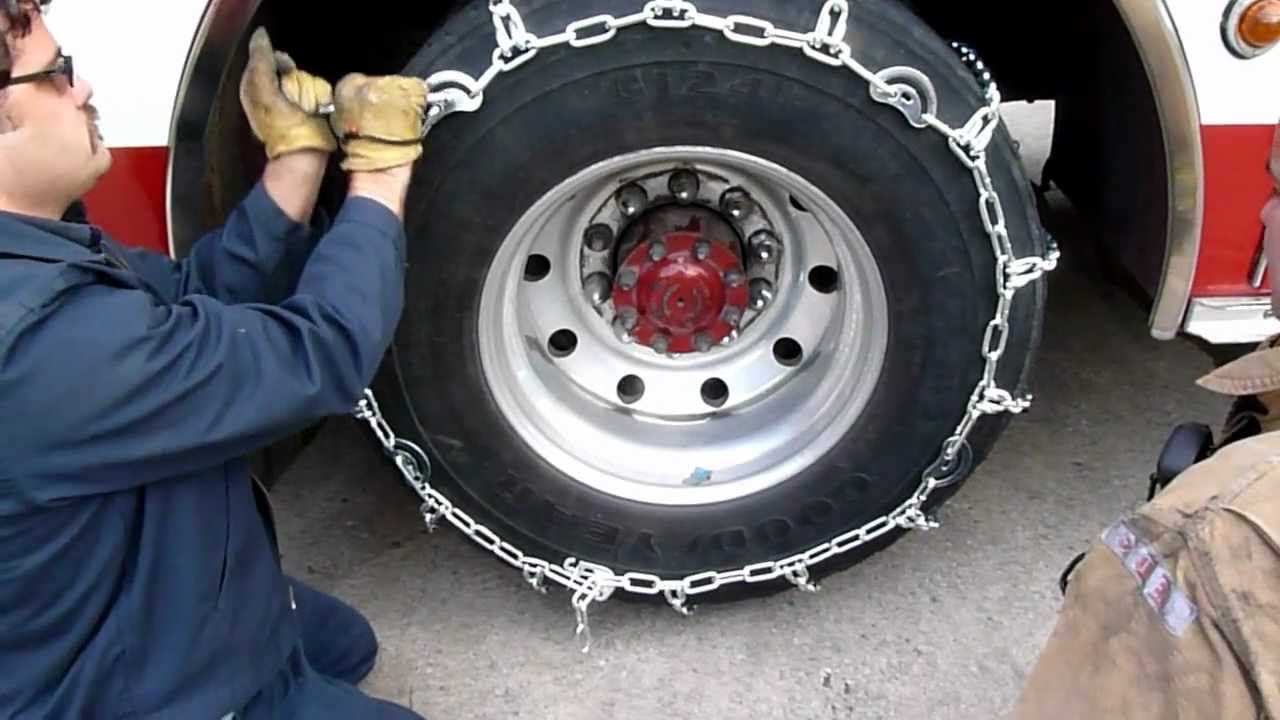
Installation: Step-by-step Guide
Knowing how to install your chains correctly is as important as choosing the right type. Here’s how installation typically differs between cam and non cam chains:
| Step | Cam Tire Chains | Non Cam Tire Chains |
|---|---|---|
| Lay Chains Out | Lay flat, cams facing out | Lay flat, check for twists |
| Position on Tire | Drape over tire evenly | Drape over tire evenly |
| Connect Ends | Hook inside and outside links | Hook inside and outside links |
| Tighten | Use cam tool to tighten cams | Manually tighten, use tensioners |
| Test Fit | Drive a short distance, check fit | Drive a short distance, check fit |
| Readjust | Rarely needed if installed right | Often needed after first drive |
Practical Tips For Both Types
- Practice before winter: Try installing your chains in your driveway before you actually need them.
- Check for damage: Inspect chains for broken links or worn cams before every use.
- Store chains clean and dry: Prevent rust by drying chains after use.
- Drive slowly: Never exceed the chain manufacturer’s recommended speed (often 30 mph or less).
- Remove promptly: Take chains off once you’re back on clear roads to avoid damaging tires and roads.

Credit: www.murdochs.com
Common Mistakes To Avoid
Even experienced drivers make errors with tire chains. Here are mistakes that can lead to problems:
- Using the wrong size chain: This is the top cause of chain failure or tire damage.
- Skipping tensioners with non cam chains: Without extra tension, non cam chains will almost always loosen.
- Not practicing installation: Learning in a snowstorm is a recipe for frustration.
- Driving too fast with chains: This can break the chains, damage your tires, and is very dangerous.
- Ignoring chain wear: Worn chains can snap and whip around your wheel well, causing serious damage.
Many beginners also forget that chains can affect your vehicle’s handling. You need to allow more stopping distance and take turns slowly.
Real-world Examples
Consider two drivers in the same snowy region:
Driver A uses a heavy pickup for construction work. He chooses cam chains. When a storm hits, he installs them in five minutes, tightens the cams, and is back on the road quickly. The secure fit means the chains last the entire winter with only minor adjustments.
Driver B drives a small sedan. She buys non cam chains to save money. After her first use, she realizes the importance of tensioners—her chains came loose until she added rubber adjusters. She now keeps extra tensioners in her glove box.
A non-obvious insight: Cam chains are not always “better” just because they’re more expensive. For light vehicles or rare use, non cam chains may actually be the smarter, safer choice.
How To Choose The Best Tire Chain For Your Needs
Making the right choice comes down to your personal situation:
- If you drive a large vehicle and need speed and security, go with cam chains.
- If you’re on a budget or have a small car, non cam chains with good tensioners are reliable.
- If you travel in areas with changing laws, check which type is legal on local roads.
When in doubt, talk to your vehicle dealer or a tire specialist. Bringing your tire size and knowing your local rules can help you avoid costly mistakes.
For more technical details on tire chain standards and winter driving, you can visit the Wikipedia Snow Chain page.
Frequently Asked Questions
What’s The Main Difference Between Cam And Non Cam Tire Chains?
The main difference is the tightening method. Cam chains have built-in cams that make it easy to tighten the chain using a tool. Non cam chains need manual tightening, often with extra rubber or spring tensioners.
Are Cam Tire Chains Worth The Extra Cost?
Cam chains are worth it if you need fast, reliable installation—especially for heavy vehicles or frequent use. For occasional use on small cars, the extra cost may not be necessary.
Can I Use Cam Chains On Any Vehicle?
Not always. Most cam chains are designed for larger tires and vehicles. Many small cars do not have enough wheel well clearance for cam systems. Always check your vehicle’s manual and the chain’s specifications.
How Do I Prevent My Non Cam Chains From Coming Loose?
Always use the recommended tensioners (rubber or spring adjusters) and double-check the fit after driving a short distance. Practice installation before winter starts to make sure you’re confident.
Is It Safe To Drive Fast With Tire Chains?
No. Both cam and non cam chains should only be used at low speeds (usually under 30 mph). Driving too fast can break the chains and damage your tires or vehicle.
Choosing between cam and non cam tire chains doesn’t have to be confusing. With clear information and a bit of practice, you’ll be ready for whatever winter brings—safe, confident, and in control.
Credit: www.tirechainsrus.com