The moment you face a flat tire, you begin to realize how important your spare tire really is. Many drivers don’t think much about their spare tire until they need it, but knowing the key differences between a spare tire and a regular tire can save you time, money, and even keep you safer on the road. Choosing and maintaining the right tires isn’t just about avoiding trouble—it’s about understanding your car and making smart decisions every day.
Let’s take a deep look at spare tires versus regular tires. You’ll learn about their design, performance, safety, maintenance, and real-world examples. By the end, you’ll have a clear picture of which tire is best for your needs, how to use them correctly, and why the differences matter more than you think.
What Is A Spare Tire?
A spare tire is a backup tire kept in your vehicle, usually in the trunk or under the car. Its main purpose is to help you reach a repair shop or a safe place after a flat tire. Spare tires come in different types, and their features are not the same as regular tires.
Types Of Spare Tires
- Full-size spare: This is the same size as your regular tires. It can be used like a normal tire and even kept on your car for a longer period.
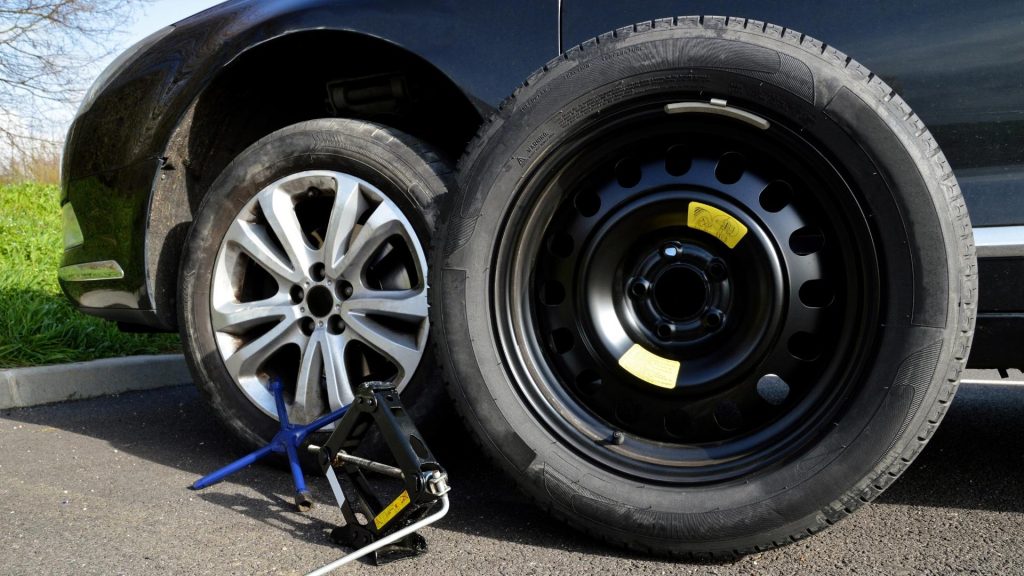
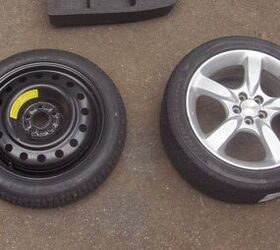
- Compact temporary (donut) spare: Smaller and lighter than your regular tire. It is designed for short distances and lower speeds.
- Folding spare: Collapsible and usually inflated with a pump or canister. Used in some older or unique vehicles.
- Run-flat spare: Not a separate tire, but a technology built into some regular tires. They allow you to drive for a limited distance even when punctured.
Most modern cars use compact temporary spares because they save space and weight. However, full-size spares are still common in SUVs and trucks.
Why Spare Tires Are Different
Spare tires are not meant for long-term use. They are made to be lighter and cheaper, but they also have less tread and weaker sidewalls. This makes them less durable and less safe if used for too long. The goal is to get you to safety, not to replace your regular tire permanently.
What Is A Regular Tire?
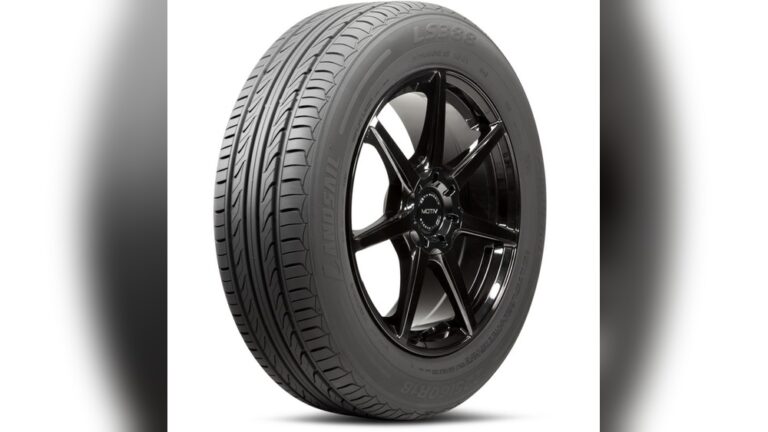
A regular tire is the main tire installed on your car. It is designed for everyday driving, providing comfort, grip, and durability. Regular tires come in many types, like summer, winter, all-season, and performance tires. They are built to last thousands of miles and handle different weather and road conditions.
Features Of Regular Tires
- Full tread pattern: Offers better traction and handling.
- Strong sidewalls: Supports the weight of your car and absorbs shocks.
- Durable materials: Designed for long-term use.
- Size and type: Matches your car’s requirements for safety and performance.
Regular tires are carefully chosen by car manufacturers to fit the vehicle’s needs. They are tested for speed, load, weather, and road conditions.

Credit: www.youtube.com
Key Differences Between Spare Tire And Regular Tire
Understanding the differences between a spare tire and a regular tire helps you make better decisions when replacing tires or facing a flat. Here’s a clear comparison using a data table:
| Feature | Spare Tire | Regular Tire |
|---|---|---|
| Size | Smaller (most types) | Full size |
| Weight | Lighter | Heavier |
| Tread Depth | Shallow | Deep |
| Speed Limit | 50 mph (80 km/h) max | Up to 130 mph (210 km/h) |
| Distance Limit | 50–70 miles (80–110 km) | Thousands of miles |
| Cost | Cheaper | More expensive |
| Purpose | Temporary use | Permanent use |
Regular tires are built for performance and safety. Spare tires are for emergencies only and have strict limits.
Performance Comparison: Spare Tire Vs Regular Tire
When you drive on a spare tire, you’ll notice several changes in your car’s behavior. Let’s look at how they perform in real situations.
Handling And Stability
Spare tires, especially donut spares, make your car handle differently. Your steering may feel less stable, and cornering becomes riskier. Because of their smaller size, spare tires don’t grip the road as well. If you need to turn quickly or drive in bad weather, the risk of losing control is higher.
Regular tires provide full grip and stability. You can drive confidently at all speeds and in all conditions.
Braking
A spare tire’s braking ability is weaker. It has less surface area touching the road, so stopping distances are longer. If you brake hard with a spare, the car may skid or stop less quickly.
Regular tires are designed to stop smoothly and safely, with tested braking power.
Comfort
Driving on a spare tire is less comfortable. You may hear more noise and feel more bumps. The smaller size and harder rubber make the ride rougher.
Regular tires absorb shocks and reduce noise, making your drive smoother.
Real-world Example
Imagine you get a flat tire on a busy highway. You put on your compact spare tire and drive to the nearest garage, about 20 miles away. You notice your car feels harder to steer and stops less quickly. You drive slowly because you know the spare isn’t as safe. Once you reach the garage, you change back to your regular tire and feel the car handles much better.
Safety Concerns
Safety is the biggest reason you should not use a spare tire for long periods. Let’s break down the risks:
- Reduced traction: Spare tires have less tread, so they grip the road less, especially in rain or snow.
- Lower speed limits: Most spares are rated for 50 mph (80 km/h). Driving faster can cause tire failure.
- Short lifespan: Spare tires wear out quickly. Using them for more than 70 miles (110 km) increases the risk of a blowout.
- Handling issues: Cars with spare tires may pull to one side, making steering harder.
- Braking risk: You need more distance to stop. In emergencies, this can be dangerous.
- Unbalanced vehicle: Using a spare with different size or tread can upset your car’s balance.
A non-obvious insight: Many drivers forget to check their spare tire’s air pressure. A flat spare is just as useless as a flat regular tire. Always check the spare when you check your other tires.
Durability And Lifespan
Regular tires are built to last between 25,000 and 50,000 miles (40,000–80,000 km), depending on quality and driving habits. They use strong materials and thick tread to resist wear.
Spare tires, in comparison, are only meant for 50–70 miles (80–110 km) of use. The rubber can also age and crack if left unused for years. It’s smart to check your spare tire’s age—most experts recommend replacing it if it’s older than 6 years, even if unused.
Another insight: Some people use spare tires for longer periods because they forget or delay buying a new regular tire. This is a mistake. The spare tire can fail suddenly, putting you and others in danger.
Cost Analysis
Let’s compare the costs of spare tires and regular tires in a simple way:
| Type | Average Price (USD) | Replacement Frequency |
|---|---|---|
| Spare Tire (Donut) | $50–$120 | Rarely (only if used or aged) |
| Regular Tire | $80–$250 | Every 25,000–50,000 miles |
| Full-Size Spare | $80–$250 | Rarely |
Spare tires are cheaper, but their limited use means you should invest in regular tires for everyday driving. Delaying regular tire replacement is risky and may cost more in the long run.
Maintenance Tips
Proper tire care is essential for safety and performance. Here are practical tips for both spare and regular tires:
Regular Tire Maintenance
- Check air pressure monthly. Under-inflated tires wear faster and reduce fuel economy.
- Rotate tires every 5,000–8,000 miles. This helps them wear evenly.
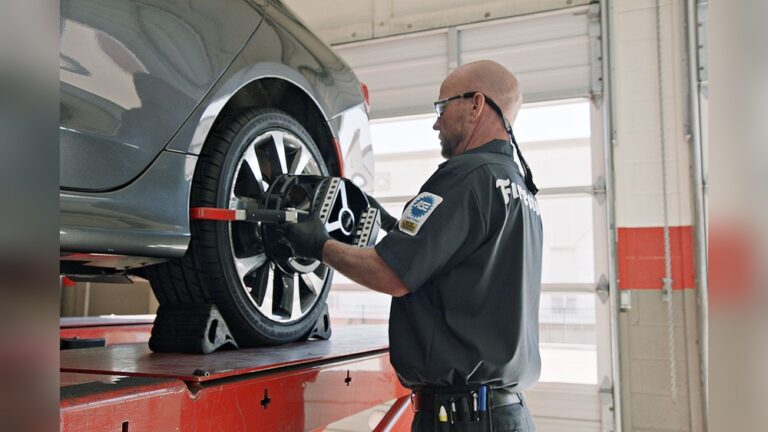
- Inspect for damage: Look for cuts, bulges, or nails.
- Replace when tread is low: Use the penny test—if you see Lincoln’s head above the tread, it’s time to replace.
Spare Tire Maintenance
- Check air pressure every 3 months. Spares lose air even when not used.
- Inspect for cracks or dry rot: Rubber ages, even if unused.
- Replace after 6 years: The rubber and structure weaken over time.
- Keep it clean and dry: Moisture can cause rust on wheels.
A beginner’s mistake: Many drivers forget about their spare tire’s condition. It’s easy to ignore because it’s out of sight. Set a reminder to check it every few months.
Choosing The Right Tire
Picking the right tire for your car depends on your needs, driving habits, and local conditions.
When To Use A Spare Tire
- Only in emergencies.
- Drive slowly (under 50 mph / 80 km/h).
- Go directly to a repair shop.
- Never use as a permanent solution.
When To Use A Regular Tire
- For all normal driving.
- Choose tires that fit your car’s specs.
- Use all-season tires for mixed weather, or specialty tires for snow, rain, or performance.
Buying Tips
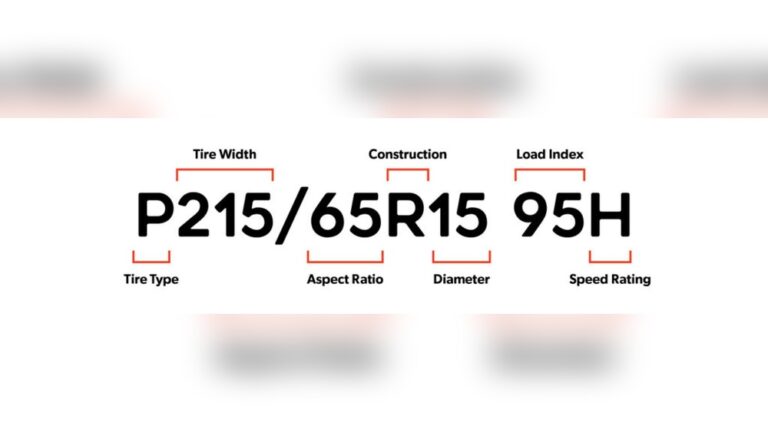
- Check tire size: It’s marked on the side of the tire.
- Choose trusted brands: Quality matters for safety.
- Look for warranty: Many tires come with mileage guarantees.
- Don’t mix tread types: Using different tread patterns can upset handling.
Modern Trends: Run-flat Tires And Emergency Kits
Some new cars don’t include a spare tire at all. Instead, they use run-flat tires or emergency repair kits.
Run-flat Tires
These tires let you drive up to 50 miles (80 km) after a puncture, at limited speeds. They are more expensive, but they save space and weight.
Emergency Kits
A repair kit includes a sealant and a small air compressor. It can fix minor punctures but won’t help if the tire is badly damaged.
A non-obvious insight: Run-flat tires may reduce comfort and cost more to replace. Always check your car’s manual to know what you have.
Environmental Impact
Tire manufacturing and disposal affect the environment. Regular tires use more materials and generate more waste when replaced. Spare tires, especially compact ones, use less rubber and are lighter.
However, using spare tires for too long can cause more pollution if they fail and create road hazards. Proper disposal and recycling of old tires is important.
Legal Requirements And Regulations
In many places, cars must have a spare tire or emergency kit. However, not all countries require it. Some regions have laws about tire tread depth, speed limits for spare tires, and tire age.
For example, in the United States, there are no laws requiring a spare tire, but you must have safe tires with legal tread depth. In Europe, some countries require a spare or emergency kit. Always check local regulations.
Credit: carfromjapan.com
Pros And Cons Summary
To make it easier to remember, here’s a summary of the main pros and cons:
| Spare Tire | Regular Tire |
|---|---|
|
|
|
|
Common Mistakes Drivers Make
- Ignoring the spare tire: Out of sight, out of mind. Drivers forget to check or replace it.
- Driving too fast on a spare: Exceeding the speed limit is risky.
- Using a spare for long periods: Delaying regular tire replacement increases danger.
- Mixing tire types: Using different sizes or tread patterns can cause handling problems.
- Not checking air pressure: Under-inflated tires can fail quickly.
Avoid these mistakes by setting reminders, reading your car manual, and asking a trusted mechanic for advice.
Real-life Scenarios
Let’s look at a few situations:
- City driving: If you get a flat in a city, a spare tire helps you reach a garage safely. You’re close to help and can drive slowly.
- Long road trip: On highways, using a spare is riskier. You need to find a repair shop quickly, or you risk tire failure.
- Bad weather: Spare tires are unsafe in rain or snow. They have less grip and can slip easily.
- Remote areas: Some drivers carry full-size spares for long trips. It’s safer and gives peace of mind.
A beginner’s insight: Ask your mechanic to check your spare tire during regular service. It’s often free and saves trouble later.
Expert Opinions And Research
Studies show that spare tires are linked to higher accident risk if used for long periods. According to the National Highway Traffic Safety Administration (NHTSA), driving on a compact spare increases the risk of loss of control, especially at high speeds or in bad weather.
Experts advise changing back to a regular tire as soon as possible. If your car has run-flat tires or an emergency kit, learn how to use them properly.
You can read more about tire safety at NHTSA Tire Safety.
Credit: www.autoguide.com
Frequently Asked Questions
What Is The Maximum Speed For A Spare Tire?
Most compact spare tires have a maximum speed limit of 50 mph (80 km/h). Going faster can cause tire failure and increase the risk of an accident.
How Far Can I Drive On A Spare Tire?
You should drive no more than 70 miles (110 km) on a spare tire. After that, the tire may wear out or fail. Go directly to a repair shop to fix your regular tire.
Can I Use A Spare Tire As A Regular Tire?
No, spare tires are not designed for permanent use. They have limited tread, weaker structure, and are made for emergencies only. Using them long-term is unsafe.
Why Do Some Cars Not Have A Spare Tire?
Many modern cars use run-flat tires or emergency repair kits to save space and weight. These solutions let you drive to a repair shop without needing a spare.
How Do I Know If My Spare Tire Is Still Good?
Check the tire’s age, air pressure, and look for cracks or damage. If it’s older than 6 years or shows signs of wear, replace it. A mechanic can help you check its condition.
Final Thoughts
Understanding the difference between a spare tire and a regular tire is more important than most drivers think. Spare tires are your emergency lifeline, but they have strict limits. Regular tires are designed for safety, comfort, and performance. Remember to check both types regularly, follow safety guidelines, and replace tires when needed. If you stay prepared and aware, you’ll keep your journey safe, smooth, and worry-free. Smart drivers make tire care a habit, not an afterthought.