When you are choosing new tires for your car, the decision can feel overwhelming. The market is full of brands promising safety, comfort, and value. Two names you will see often are Bridgestone and Hankook. Both are major players in the tire industry, but they have different strengths, histories, and philosophies. If you want to know which tire is right for your needs, you must look beyond the brand name and understand what each offers in terms of performance, price, durability, and more.
This article will guide you through a detailed comparison of Bridgestone vs Hankook tires. You will learn how each company began, their main technologies, what real customers think, and how they perform in different driving conditions. Whether you are a daily commuter, an adventurous road tripper, or a budget-conscious driver, you will find clear answers here.
The History And Reputation Of Bridgestone And Hankook
Bridgestone: A Legacy Of Innovation
Bridgestone Corporation was founded in Japan in 1931. It quickly grew to become the world’s largest tire and rubber company. Bridgestone’s success is tied to its focus on research and development. They introduced the first rayon cord tire in Japan in 1951 and have led the way with run-flat and eco-friendly tire technologies.
Bridgestone is widely respected for its premium quality and is often the choice for luxury and performance vehicles. You will find Bridgestone tires as original equipment (OE) on brands like BMW, Mercedes-Benz, Toyota, and Ford. Their reputation is built on reliability, safety, and advanced engineering.
Hankook: Rising Power From Korea
Hankook Tire & Technology began in South Korea in 1941. While it started as a small company, Hankook has grown rapidly, now ranking among the top 7 tire manufacturers worldwide. Hankook’s approach is modern and dynamic, focusing on affordable performance and innovation.
Hankook supplies OE tires to brands like Hyundai, Kia, Volkswagen, and Audi. The company has gained attention for its strong value, sporty designs, and making high-quality tires more accessible to everyday drivers. Its reputation is especially strong among young drivers and those looking for a balance between performance and price.
Bridgestone Vs Hankook: Comparing Main Tire Categories
Both Bridgestone and Hankook offer a wide range of tires, but their most popular categories are:
- All-season tires
- Performance tires
- Winter/snow tires
- Touring tires
- SUV and light truck tires
Let’s compare what each brand brings to these categories.
All-season Tires
Bridgestone’s Turanza series is famous for its quiet ride and reliable traction in wet or dry conditions. The Turanza QuietTrack, for example, uses advanced tread patterns to reduce road noise and increase comfort. It is popular among family sedans and midsize cars.
Hankook’s Kinergy line offers solid all-season performance at a friendlier price. The Kinergy GT and Kinergy ST are known for good fuel efficiency and decent grip in light snow. They may not be as quiet as the Turanza, but they provide reliable everyday performance.
Performance Tires
Bridgestone Potenza tires are chosen for sports cars and enthusiasts who want sharp handling and high-speed stability. The Potenza RE-71R is a favorite for track days and spirited driving. Bridgestone invests heavily in motorsports, and this technology trickles down to their consumer tires.
Hankook Ventus tires aim for similar customers but focus on delivering excitement at a lower price. The Ventus V12 evo2 is praised for its grip and sporty feel but may wear faster than comparable Bridgestone models. For drivers who want good performance without a premium cost, Hankook is appealing.
Winter/snow Tires
Bridgestone Blizzak tires are legendary in snowy regions. The Blizzak WS90 uses a special rubber compound that stays soft in the cold, offering amazing grip on ice and snow. Many drivers consider Blizzak the gold standard for winter safety.
Hankook i*cept tires, like the Winter i*cept evo2, offer dependable winter performance at a lower price. They use advanced silica compounds to improve cold-weather grip. While not as famous as Blizzak, Hankook’s winter tires are a smart choice for milder climates or budget-conscious drivers.
Touring Tires
Bridgestone Ecopia tires are designed for low rolling resistance, helping you save fuel. The Ecopia EP422 Plus is popular among hybrid and electric car owners. It delivers a comfortable ride, long tread life, and better gas mileage.
Hankook’s Optimo series focuses on a quiet, smooth ride and value. The Optimo H727 is often praised for its long treadwear warranty and overall comfort. It is a strong competitor for drivers who want a reliable, no-fuss touring tire.
Suv And Light Truck Tires
Bridgestone Dueler tires are made for SUVs and trucks that see both city roads and light off-roading. The Dueler H/L Alenza Plus offers a smooth ride and strong wet traction. Bridgestone also provides options for serious off-roaders.
Hankook Dynapro tires are popular with pickup and SUV owners who want durability and off-road capability. The Dynapro ATM and Dynapro HP2 are known for their ruggedness and good value. They hold up well on gravel and dirt, making them a favorite for adventurous drivers.
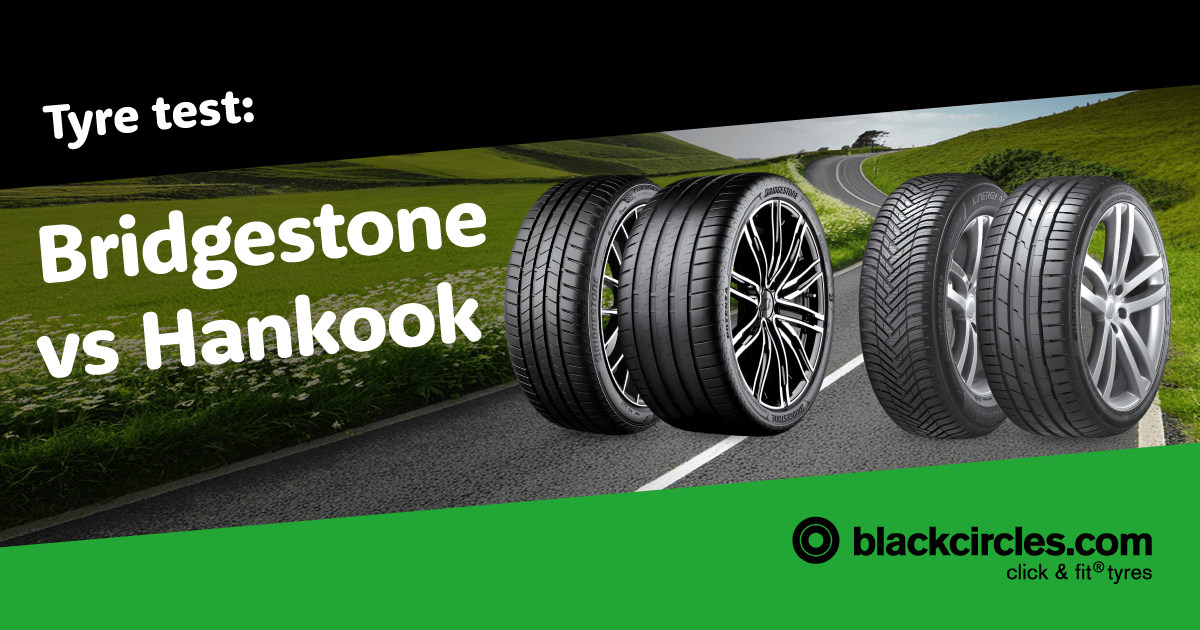
Credit: www.blackcircles.com
Performance: Which Brand Handles Better?
When you compare Bridgestone vs Hankook for pure performance, a few key differences appear.
Bridgestone is often the leader in handling, braking, and wet traction. Many independent tests show that Bridgestone tires stop shorter and provide more confident cornering, especially in their premium lines. The brand’s experience with motorsports helps them develop advanced tread designs and rubber compounds.
Hankook is not far behind, especially in the last decade. Their performance tires can match Bridgestone’s grip in dry conditions but may lose a bit in wet or snowy situations. However, for the average daily driver, Hankook’s performance is more than enough. Plus, their tires are usually lighter, which can improve fuel efficiency.
One non-obvious insight: the difference in performance is more noticeable at the extremes. For daily city driving, most drivers will not push their tires to the limit. However, if you enjoy fast driving or live in an area with harsh weather, Bridgestone may provide extra confidence.
Durability And Tread Life
Tire life is a major concern for drivers. Nobody wants to replace tires sooner than expected.
Bridgestone is known for long-lasting tread, especially on their touring and SUV tires. Many Bridgestone models come with warranties between 60,000 and 80,000 miles. The company uses harder rubber compounds and advanced patterns to reduce wear.
Hankook also offers impressive treadwear, often matching Bridgestone in warranty terms. For example, the Kinergy PT has an 85,000-mile warranty, one of the highest in the industry. However, some drivers report that Hankook tires can wear unevenly if not rotated regularly.
Practical tip: Tire rotation is critical for getting the best life from both brands. Uneven wear is more likely if you skip rotations, especially with front-wheel drive cars.
Comfort And Noise
How a tire feels on the road matters almost as much as how it grips. Bridgestone and Hankook both strive to make quiet, comfortable tires, but their approaches are different.
Bridgestone puts special focus on noise reduction. Their Turanza QuietTrack and Ecopia lines use noise-canceling tread patterns and vibration-absorbing materials. Many drivers say Bridgestone tires are among the quietest available.
Hankook aims for comfort but may not always match Bridgestone in noise control. Their newer models, like the Kinergy GT, are much quieter than older versions. Still, on rough or concrete roads, you might hear a bit more tire noise compared to top-level Bridgestone models.
Non-obvious insight: As tires wear down, even premium models can get noisier. This is normal for both brands. Regularly checking your tire pressure helps keep noise and vibration low.
Price And Value
For many drivers, price is the deciding factor. Let’s compare the cost and overall value.
Bridgestone is considered a premium brand, and its prices reflect this. You will often pay 20-40% more for a Bridgestone tire compared to a similar Hankook model. However, Bridgestone offers strong warranties and proven performance, which many drivers find worth the extra cost.
Hankook is usually more budget-friendly. You can expect to pay less upfront and still get a reliable, safe tire. Hankook’s combination of lower price and solid performance gives great value, especially for everyday cars and SUVs.
Here’s a simple price comparison for a popular all-season tire size (225/60R17):
| Brand | Model | Approximate Price (per tire) | Treadwear Warranty |
|---|---|---|---|
| Bridgestone | Turanza QuietTrack | $170 | 80,000 miles |
| Hankook | Kinergy PT | $120 | 85,000 miles |
Prices will vary by retailer and location, but the difference is clear. Hankook saves you money upfront, while Bridgestone may offer longer-lasting tread and quieter performance.
Safety And Wet Weather Performance
Safety is where both brands invest heavily. Let’s see how they stack up in wet conditions, where accidents are most likely.
Bridgestone is praised for its wet traction. Models like the WeatherPeak and Turanza feature special grooves to channel water away, reducing hydroplaning. Independent tests often show Bridgestone stopping distances are among the shortest in wet weather.
Hankook has made big improvements in wet safety. Their latest all-season and performance tires use high-silica compounds for better grip in rain. The Ventus S1 noble2 and Kinergy GT perform well in tests, though they may trail Bridgestone by a small margin in heavy downpours.
Here’s a look at independent braking tests (wet surface, 60-0 mph):
| Brand | Model | Average Braking Distance |
|---|---|---|
| Bridgestone | Turanza QuietTrack | 120 feet |
| Hankook | Kinergy GT | 127 feet |
A difference of 7 feet may not sound like much, but it could mean stopping before or after an obstacle in an emergency.
Warranty And Customer Support
Both companies stand behind their products, but there are a few differences.
Bridgestone typically offers warranties of 60,000–80,000 miles on most touring and all-season tires. They also include a 90-day “Buy & Try Guarantee.” If you are not happy, you can exchange the tire within this period. Bridgestone has a wide dealer network and strong customer service.
Hankook offers similar warranties (up to 85,000 miles for some models) and a road hazard warranty on select lines. However, the dealer network is not as large in some countries, which can affect service speed.
Tip: Always register your tires after purchase. This ensures you are covered by the warranty and receive recall notifications if needed.
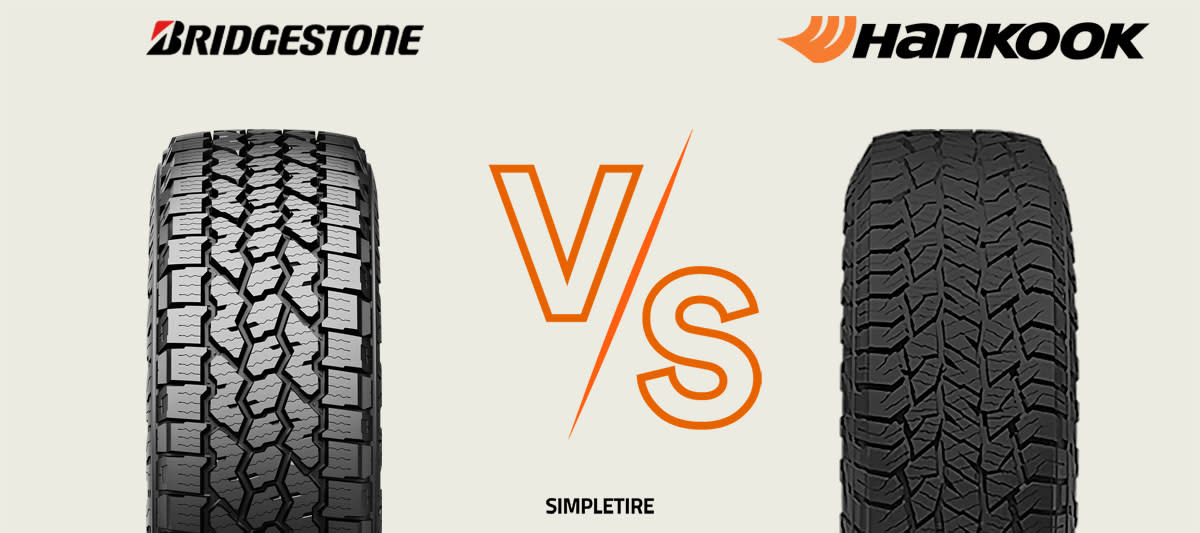
Credit: simpletire.com
Technology And Innovation
Both brands invest in new technology, but their focus areas are different.
Bridgestone leads in advanced rubber compounds, run-flat tires, and eco-friendly innovations. For example, their ologic technology uses taller, narrower tires to reduce rolling resistance and improve fuel economy, especially for electric cars.
Hankook is strong in digital design and smart manufacturing. They use “Kontrol Technology” to balance performance, comfort, and eco-friendliness. Hankook is also investing in airless tire research and connected tire technology for future vehicles.
One practical insight: Bridgestone’s run-flat tires allow you to keep driving after a puncture, but they can ride more stiffly. Hankook’s focus is more on comfort and affordable innovation.
Environmental Efforts
As drivers become more eco-conscious, tire companies are taking steps to reduce their environmental impact.
Bridgestone has ambitious sustainability goals. They aim to use 100% sustainable materials by 2050 and have already reduced CO2 emissions in their factories. Their Ecopia line is designed to lower rolling resistance, saving fuel and reducing emissions.
Hankook also invests in greener production and recycling. The company uses energy-efficient factories and is developing tires made from bio-materials. While Bridgestone leads in global recognition, Hankook is catching up quickly.
If you drive a hybrid or electric car, both brands offer eco-focused tires. However, Bridgestone’s options are more widely available.
Real-world Customer Reviews
How Do Everyday Drivers Feel About Bridgestone And Hankook?
- Bridgestone is often praised for “set-and-forget” reliability. Many drivers say their tires last as long as promised and are especially quiet and comfortable. Complaints are rare but usually relate to higher price or firm ride on run-flat models.
- Hankook earns high marks for value and surprising performance. Customers love getting strong grip and comfort for less money. Some report faster wear or more noise as the tire ages, especially on performance models.
It is important to check reviews for the specific model you are considering. Not every tire within a brand is equal. For balanced feedback, sites like Tire Rack and Consumer Reports are helpful.
Which Brand Is Right For You?
Deciding between Bridgestone vs Hankook depends on what matters most to you. Here’s a quick guide:
- Choose Bridgestone if you want the best in quietness, wet grip, and long tread life, and are willing to pay more.
- Choose Hankook if you want great value, solid performance, and a lower price, especially for everyday cars or light trucks.
Both brands are safe and reliable, but Bridgestone edges out in premium features, while Hankook wins on price and accessibility.
Common Buyer Mistakes
Even experienced drivers make errors when buying tires. Here are mistakes to avoid:
- Choosing by price alone. Cheap tires can cost more in the long run if they wear out quickly or perform poorly in emergencies.
- Ignoring tire size and load rating. Always match your car’s recommended specifications.
- Not rotating tires. Both Bridgestone and Hankook tires need regular rotation to last.
- Skipping alignment. Misaligned wheels can ruin even the best tires.
- Not checking reviews for your climate. Tires that work well in one country may not suit another’s weather or roads.
Summary Comparison: Bridgestone Vs Hankook
Here’s a side-by-side summary for quick reference:
| Feature | Bridgestone | Hankook |
|---|---|---|
| Country of Origin | Japan | South Korea |
| Market Position | Premium | Mid-range/Value |
| Performance | Excellent (especially in wet and snow) | Very good (best in dry, improving in wet) |
| Comfort/Noise | Very quiet, smooth ride | Comfortable, some models noisier |
| Treadwear Warranty | 60,000–80,000 miles | 60,000–85,000 miles |
| Price | Higher | Lower |
| Winter Tire Strength | Industry leader (Blizzak) | Strong value (i*cept) |
| Eco Tires | Ecopia (widely available) | Kinergy Eco (growing range) |

Credit: www.youtube.com
Frequently Asked Questions
Is Bridgestone Better Than Hankook?
It depends on what you need. Bridgestone often leads in premium features, quietness, and wet performance. Hankook is excellent for value and offers strong performance for the price. If you want top-tier quality, choose Bridgestone. If you want the best deal, Hankook is a smart choice.
Are Hankook Tires Safe?
Yes, Hankook tires meet global safety standards and are used by major car makers as original equipment. They perform well in independent safety tests, especially in dry and light wet conditions. Always check the exact model and your driving needs before buying.
Do Bridgestone Tires Last Longer?
Many Bridgestone models have long treadwear warranties and are known for durability. However, Hankook also offers models with high mileage warranties. How long tires last depends on driving style, road conditions, and maintenance, not just the brand.
Are Bridgestone Tires Worth The Extra Cost?
For drivers who value quiet rides, top safety, and premium performance, Bridgestone is worth paying more. However, if you drive mainly in normal conditions and want to save money, Hankook offers great value.
Where Can I Find More In-depth Tire Comparisons?
For further research and test results, you can visit Tire Rack, a trusted resource for detailed tire reviews and comparisons.
In the end, both Bridgestone and Hankook are strong choices. By focusing on your driving habits, budget, and what you value most—whether it’s quietness, safety, or price—you’ll make a confident decision that keeps you safe on the road.