Getting new tires is a moment of relief for many drivers. It means better grip, safer rides, and often, a smoother driving experience. But after replacing those old, worn tires, a small light on your dashboard might surprise you: the TPMS warning light. Many people wonder, “Do you need to reset TPMS after new tires?” The answer is not always simple. Understanding how the Tire Pressure Monitoring System (TPMS) works and what happens when you get new tires is key to keeping your car running safely and efficiently.
What Is Tpms And Why Is It Important?
The Tire Pressure Monitoring System is a safety feature in most modern vehicles. It monitors the air pressure inside your tires and alerts you if it drops too low. Keeping the right tire pressure is not just about comfort—it’s about safety and saving money.
Low tire pressure can make your car harder to control, especially in emergencies. It also causes tires to wear out faster, and you might even use more fuel. According to the U.S. National Highway Traffic Safety Administration, under-inflated tires are three times more likely to be involved in a crash. TPMS helps prevent these problems by giving you early warnings.
There are two main types of TPMS:
- Direct TPMS: Uses pressure sensors inside each tire to measure pressure directly.
- Indirect TPMS: Uses the car’s ABS wheel speed sensors to estimate if a tire is under-inflated.
Knowing which type your car has helps you understand if and how you need to reset the system after changing tires.
What Happens To Tpms When You Change Tires?
When you get new tires, several things can affect your TPMS:
- Sensor Transfer or Replacement: Many shops move the old TPMS sensors from your old tires to the new ones. If sensors are damaged or the batteries are dead, they may replace them.
- Sensor Relearning: The car’s system may need to “learn” the new sensor locations or IDs, especially if the tires have been rotated or sensors have been switched.
- Pressure Calibration: New tires may be inflated to a different pressure during installation, so the TPMS needs to recognize the correct baseline pressure.
If these steps are not done correctly, the TPMS warning light may stay on or give false warnings.
Credit: www.bianchihonda.com
Do You Always Need To Reset Tpms After Installing New Tires?
The short answer: not always. Whether you need to reset TPMS depends on several factors:
- Type of TPMS (Direct or Indirect)
- Whether sensors were reused, replaced, or moved
- Vehicle make and model
- If the warning light is on
When A Tpms Reset Is Required
1. Sensors Are Replaced Or Swapped
If your tire shop installs new sensors or moves them to different positions, your car’s system may not recognize them automatically. A reset or relearn process is usually needed.
2. After Tire Rotations
Some vehicles need a TPMS reset after tire rotation because the system tracks each wheel’s position.
3. Persistent Warning Light
If the TPMS light stays on after tire change, a reset is often required.
4. Indirect Tpms Systems
Indirect systems always need a reset because the car must relearn the new baseline tire pressures.
When A Reset May Not Be Needed
- Sensors Are Not Touched
If the original sensors stay in the same wheels and are not disconnected, many vehicles recognize them without a reset.
- Self-Learning Systems
Some cars have self-learning TPMS that automatically update themselves after driving for a few minutes at highway speed.
However, skipping a necessary reset can cause the system to read pressures incorrectly or leave the warning light on.
How To Reset Tpms: Step-by-step
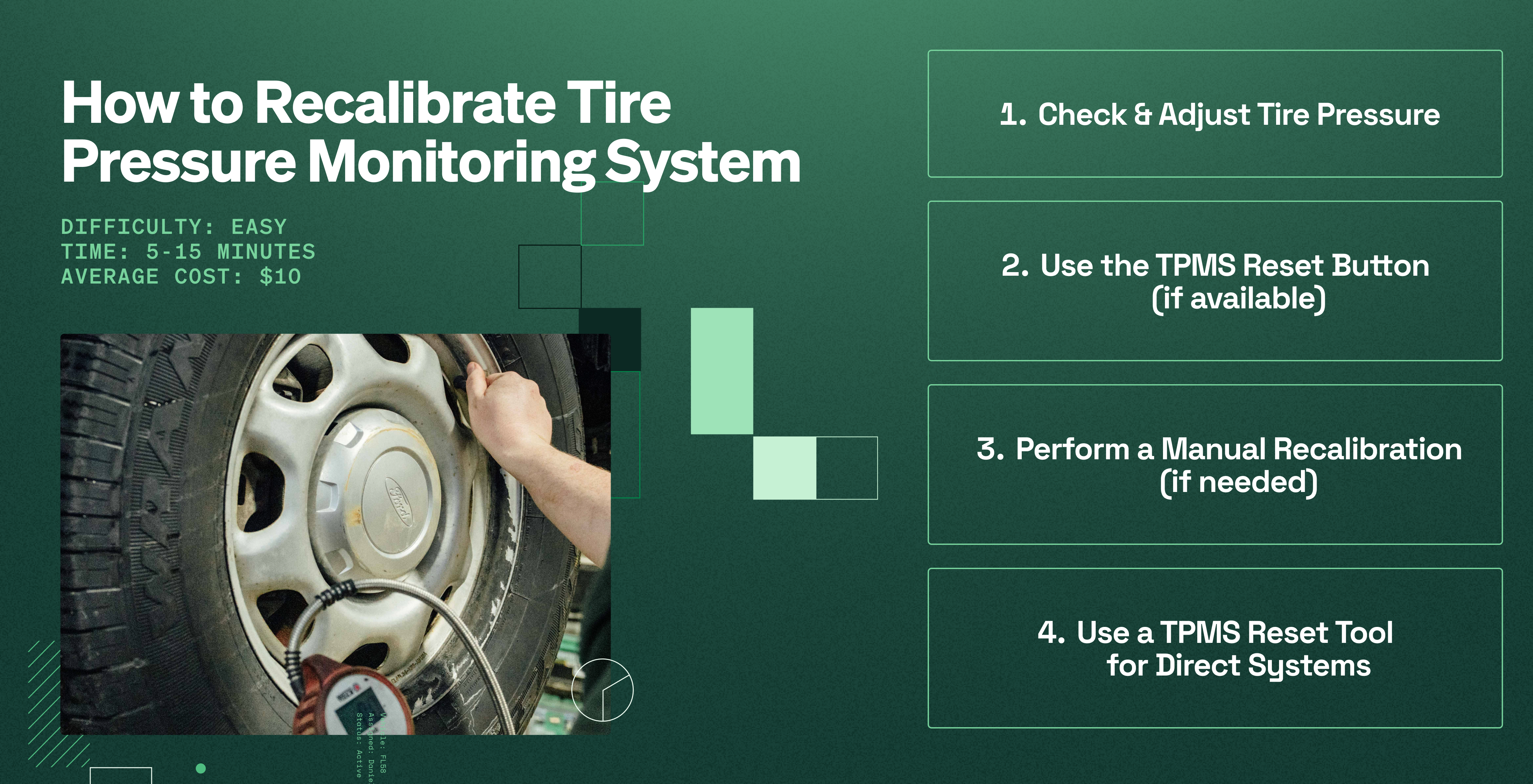
Resetting TPMS can be easy or complex, depending on your vehicle. Here are the most common ways:
1. Use The Tpms Reset Button
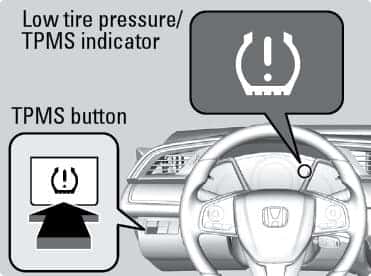
Many cars have a reset button below the steering wheel or in the glove box.
- Turn the key to the “on” position (don’t start the engine).
- Hold the TPMS reset button until the light blinks three times.
- Start the car and wait a few minutes for the system to recalibrate.
2. Through The Vehicle’s Onboard Menu
Newer vehicles often allow you to reset TPMS through the dashboard menu:
- Go to the “Settings” or “Vehicle Info” section.
- Find the TPMS or tire pressure menu.
- Choose “Reset” or “Relearn.”
3. Drive To Auto-relearn
Some cars automatically relearn new sensors after driving at a certain speed (usually over 30 mph) for 10-20 minutes.
4. Professional Tpms Tool
Tire shops use special TPMS scan tools to program or relearn sensors. This is sometimes needed for complicated systems or if new sensors are installed.
5. Indirect Tpms Reset
For indirect systems, you usually need to press and hold the TPMS button after inflating tires to the correct pressure, or use the dashboard menu to start the reset process.
Tip: Always check your car’s owner manual for specific instructions. Each make and model can be different.
Common Mistakes When Resetting Tpms
Resetting TPMS can seem simple, but many drivers and even technicians make mistakes that lead to ongoing problems.
1. Not Inflating Tires Properly Before Resetting
Always make sure all tires (including the spare, if monitored) are at the recommended pressure before resetting. Otherwise, the system will “learn” the wrong baseline.
2. Ignoring The Warning Light
Some people think the light will go away on its own. But if it stays on, the system may be malfunctioning or reading wrong data.
3. Mixing Up Sensor Locations
If sensors are installed in the wrong wheels, the system may show the wrong tire as under-inflated.
4. Forgetting About The Spare Tire
Some cars have a sensor in the spare. Don’t forget to check and reset it if needed.
5. Using Aftermarket Sensors Without Programming
Not all aftermarket sensors are “plug and play. ” Many need to be programmed to your car’s system.
Real-world Examples
Let’s look at some examples to see how TPMS reset plays out in real life.
Example 1: Toyota Camry
A 2018 Toyota Camry uses a direct TPMS. After installing new tires, the shop moved the original sensors to the new wheels. The system recognized them automatically, and no reset was needed. But if one sensor had been replaced, a TPMS relearn tool would have been required.
Example 2: Honda Civic
A 2017 Honda Civic uses an indirect TPMS. After new tires, the pressure was set, and the driver held the TPMS button for 10 seconds. The system quickly reset, and the warning light went off after a short drive.
Example 3: Ford F-150
A 2015 Ford F-150 needed new sensors because the old ones’ batteries were dead. After installation, the shop used a scan tool to program the sensors to the truck. The TPMS light went off after the relearn process.

Credit: www.reddit.com
Comparing Tpms Systems: Direct Vs Indirect
Understanding the difference between direct and indirect TPMS is crucial for knowing when and how to reset the system.
| Feature | Direct TPMS | Indirect TPMS |
|---|---|---|
| How it works | Uses sensors in each tire | Uses ABS wheel speed data |
| Accuracy | Very accurate | Less accurate |
| Reset needed? | Sometimes, after sensor change | Always, after tire change or rotation |
| Common on | Most US and Japanese cars | Many European and some Asian cars |
| Cost | More expensive | Less expensive |
What Can Go Wrong If You Don’t Reset Tpms?
Skipping a needed TPMS reset can cause several problems:
- False warnings: The light may stay on, even if tire pressures are correct.
- Missed warnings: The system may not alert you if a tire goes flat.
- Incorrect pressure readings: You may see the wrong tire reported as low.
These issues can lead to unsafe driving and even damage your tires. For example, a study by the Rubber Manufacturers Association found that only 58% of drivers could correctly identify the TPMS warning symbol, increasing the risk if the system gives wrong signals.
How Tire Shops Handle Tpms After New Tires
Reputable tire shops take the following steps after changing tires:
- Check and reset TPMS sensors (if needed)
- Inflate all tires to recommended pressure
- Test drive the car to confirm the warning light is off
- Inform the driver if a sensor needs replacement or if a reset could not be completed
Ask your technician if the TPMS was reset and if you need to do anything after leaving the shop. Some shops may forget, especially during busy periods.
Tips For Avoiding Tpms Problems With New Tires
- Read your owner’s manual: Each car is different.
- Request TPMS service during tire changes: Don’t assume it’s included.
- Check tire pressure yourself: Don’t rely only on the sensors.
- Monitor the TPMS light: If it comes on after new tires, return to the shop or follow the reset steps.
- Replace weak sensors proactively: TPMS sensors usually last 5-10 years.
Credit: www.fleetio.com
Cost Of Resetting Tpms
The cost to reset TPMS varies:
- DIY reset: Free, if you use the in-car menu or button
- Shop reset: $10-$50, depending on the shop and vehicle
- New sensors: $40-$100 each, plus programming
Investing in proper TPMS maintenance helps prevent bigger issues and keeps you safer on the road.
Data On Tpms Effectiveness
TPMS is not just a fancy feature—it saves lives. The National Highway Traffic Safety Administration estimates that TPMS reduces the likelihood of a severe tire-related crash by 55% in vehicles with the system.
Here is a comparison of the impact of TPMS on accident rates:
| Condition | Accident Rate |
|---|---|
| Without TPMS | 12.5 per 1,000 vehicles |
| With TPMS | 5.6 per 1,000 vehicles |
These numbers show the real-world value of having a working TPMS.
Frequently Asked Questions
How Do I Know If My Tpms Needs To Be Reset After New Tires?
If the TPMS warning light stays on after new tires are installed, your system probably needs a reset. Also, if your car uses an indirect TPMS or the sensors were replaced or moved, a reset is required. Always check your owner’s manual or ask your tire technician.
Can I Reset Tpms Myself, Or Do I Need A Professional?
For many cars, you can reset TPMS yourself using the reset button or dashboard menu. However, if sensors were changed or you have a complex system, a shop may need to use a special tool to program the sensors.
What Happens If I Don’t Reset The Tpms After Changing Tires?
Failing to reset TPMS can cause false warnings or prevent the system from alerting you to low tire pressure. This can lead to unsafe driving and reduce the effectiveness of your car’s safety features.
Do All Cars Need A Tpms Reset After Tire Changes?
No, not all cars need a reset. Some vehicles automatically recognize the sensors after driving a short distance. Others, especially with indirect TPMS or after sensor replacement, require a manual reset or relearn process.
Where Can I Find More Information About My Car’s Tpms System?
You can find detailed information in your car’s owner’s manual or by visiting your manufacturer’s official website. You can also check reliable sources like the Wikipedia TPMS page for general information.
A working TPMS is a simple, vital part of your car’s safety system. After getting new tires, take a few minutes to check if a reset is needed. It’s a small effort that can make a big difference in your driving safety and peace of mind.