When you hear a strange noise coming from your tires, it can make you feel uneasy. Is it a small problem, or is your safety at risk? Many drivers ignore tire noises, hoping they will go away. But in reality, tire sounds are often your car’s way of telling you something important.
From a simple fix like a rock stuck in the tread, to signs of serious damage, understanding why your tires make noise can save you money, keep you safer, and help you avoid bigger repairs later.
Let’s explore the most common reasons your tires might make noise, how to identify them, and what you should do next. This guide covers everything you need to know, whether you’re a new driver or have been behind the wheel for years.
Common Types Of Tire Noise
Not all tire noises mean the same thing. Some are harmless, while others need quick action. Here are some typical sounds you might hear:
- Humming: Often a low, steady sound that increases with speed.
- Thumping: A rhythmic beat, sometimes felt through the steering wheel.
- Squealing: High-pitched, especially when turning or braking.
- Clicking or ticking: A repetitive noise that matches your tire’s rotation.
- Growling or roaring: Deep, rough sounds, especially at higher speeds.
Each noise points to a different cause. Recognizing the type helps you find the right solution.
Causes Of Tire Noise
1. Tire Tread Pattern
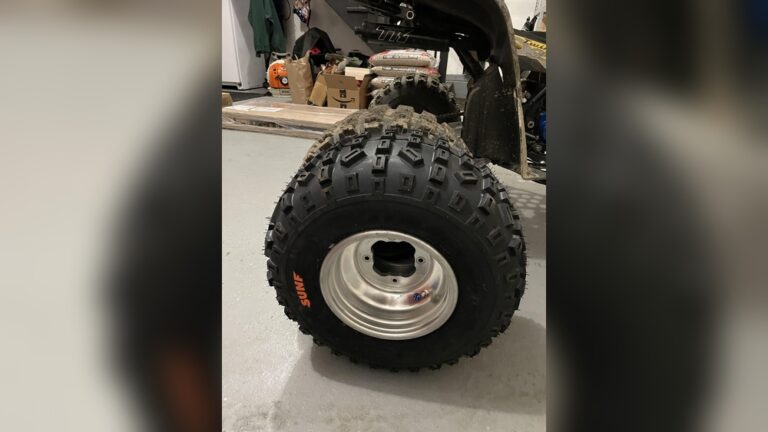
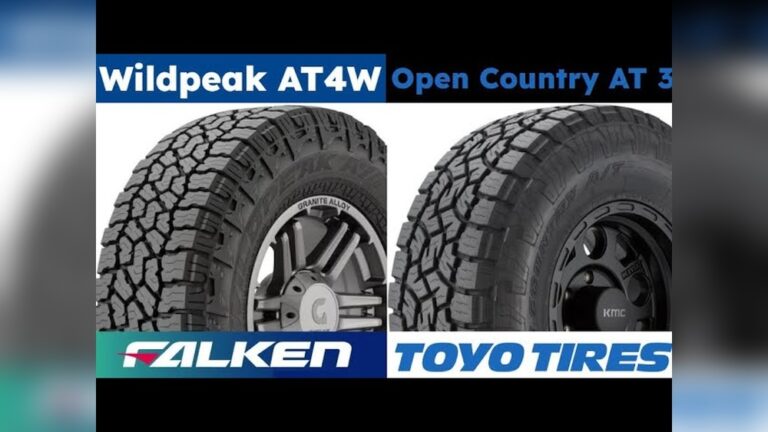
Tire tread is not just for looks. The pattern affects how your tires grip the road, shed water, and yes—make noise. Aggressive tread patterns (like those on off-road tires) are louder than smooth, all-season tires. If you recently changed your tires, the new sound could simply be due to a different tread design.
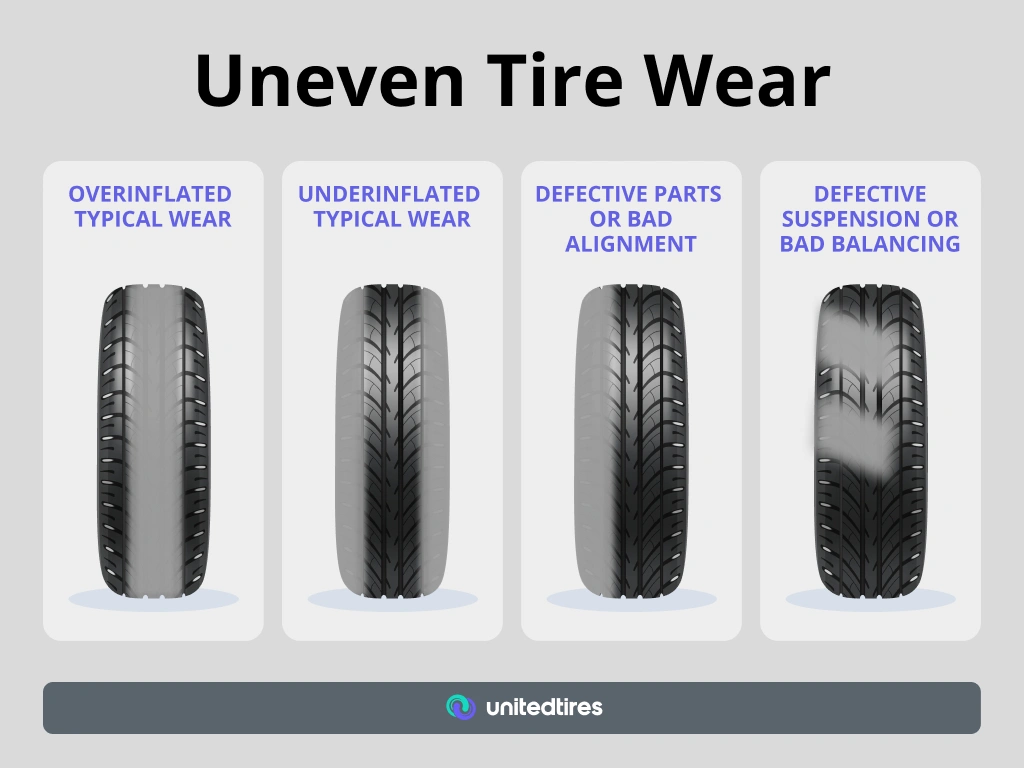
2. Uneven Tire Wear
If your tires wear down unevenly, they can make a whining or roaring noise. Common causes for uneven wear include:
- Poor alignment
- Unbalanced tires
- Suspension problems
Uneven wear can also cause your car to shake or pull to one side. Regularly check your tires for flat spots or areas more worn than others.
3. Underinflated Or Overinflated Tires
Tires need to be at the correct pressure to work well and stay quiet. Underinflated tires flex too much, causing more road contact and heat, which leads to a flapping or thumping sound. Overinflated tires, on the other hand, become stiff and can create a harsh, noisy ride. Always check your tire pressure at least once a month.
4. Worn Wheel Bearings
Your tires sit on wheel bearings, which allow them to spin smoothly. When these bearings start to fail, you might hear a growling or rumbling noise that gets louder as you speed up. Bad wheel bearings are a safety issue and should be fixed quickly.
5. Road Conditions
Sometimes, it’s not your car—it’s the road. Driving on rough, grooved, or newly paved surfaces can produce more noise. Cold weather can also make tires stiffer and noisier.
6. Brake Problems
Worn brake pads or issues with the brake system can cause your tires to squeal or grind, especially when you slow down or stop. This noise often comes from the tire area and should not be ignored.
7. Loose Or Damaged Parts
A loose hubcap, a stuck stone, or even a damaged wheel cover can cause clicking or rattling sounds. Sometimes, a simple check around the tire can reveal the cause.
8. Tire Age And Quality
Older tires, or those made with lower-quality materials, can get noisy as they harden. As rubber ages, it loses its flexibility and becomes more prone to cracks and road noise.
9. Suspension Issues
If your suspension isn’t working properly, your tires might not stay in good contact with the road. This can cause bouncing, thumping, or irregular noises. Problems with shocks, struts, or bushings can all play a part.
10. Tire Separation Or Damage
A serious but less common cause of tire noise is tire separation—when the layers inside the tire start to come apart. This often makes a thumping sound and can feel like a flat spot on the tire. Tire separation is dangerous and requires immediate replacement.
How To Diagnose Tire Noise
Finding the cause of tire noise can feel like detective work. Here’s how you can narrow it down:
- Listen carefully: Note when the noise happens. Does it get louder with speed? Is it there when you turn or brake?
- Inspect your tires: Look for uneven wear, embedded objects, or visible damage.
- Check tire pressure: Use a gauge to make sure all tires are at the recommended PSI.
- Swap tires: If you have a spare, replace one tire at a time to see if the sound goes away.
- Test the road: Drive on different surfaces. If the noise changes, it might just be the road.
- Consult a mechanic: If you’re unsure, a professional can quickly identify most issues.
When Is Tire Noise Dangerous?
Not all noises are urgent, but some mean you should stop driving right away. Seek immediate help if you notice:
- Sudden, loud thumping
- Strong vibrations
- Steering feels loose or pulls to one side
- Visible tire damage (bulges, cuts, or cords showing)
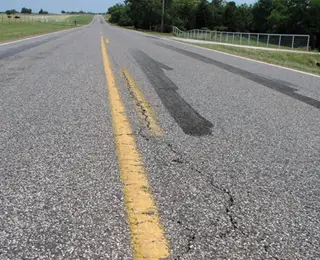
Ignoring these signs can lead to a blowout or loss of control. Safety should always come first.
Credit: www.lesschwab.com
Comparing Tire Noise By Tread Type
Different tread designs create different sound levels. Here’s how common types compare:
| Tread Type | Typical Noise Level | Main Use |
|---|---|---|
| All-Season | Low to moderate | Everyday driving |
| Performance | Moderate | High-speed, sporty cars |
| Off-Road | High | Trucks, SUVs, rough terrain |
| Winter | Moderate | Snow and ice |
If you want a quieter ride, choose tires with a simple, closed tread pattern.
Quick Fixes For Common Tire Noises
Some tire noises have easy solutions. Here are a few fixes you can try:
- Remove debris: Check for rocks, nails, or other objects stuck in the tread.
- Check hubcaps: Tighten or replace any loose hubcaps.
- Rotate your tires: Regular rotation helps prevent uneven wear.
- Balance your wheels: Unbalanced tires often cause humming or vibration.
- Adjust tire pressure: Set to the correct PSI as shown in your car’s manual.
If the noise continues after these steps, it’s time to see a professional.
Credit: www.utires.com
How Tire Maintenance Reduces Noise
Good tire care is not just about safety—it also keeps your drive quiet and smooth. Here’s how regular maintenance helps:
- Tire rotation: Switch tires front-to-back every 5,000 to 8,000 miles.
- Wheel alignment: Check at least once a year or after hitting a curb.
- Balancing: Done during rotation or when you feel vibration.
- Tire replacement: Most tires last 25,000 to 50,000 miles, but check your tread depth often.
Keeping up with these steps also saves you money on fuel and prevents early tire wear.
Tire Noise And Vehicle Type
The kind of car you drive affects how much tire noise you hear. Larger cars and trucks with big wheel wells allow more noise inside. Luxury cars often have extra insulation to keep the cabin quiet. Some electric cars are so quiet that you notice tire noise more.
Here’s a look at how different vehicles compare:
| Vehicle Type | Cabin Noise Level | Notes |
|---|---|---|
| Compact Car | Moderate | Less insulation |
| SUV/Truck | Higher | Bigger tires, more noise |
| Luxury Sedan | Low | Extra insulation |
| Electric Car | Varies | Little engine noise, so tire sounds stand out |
If you want a quieter ride, look for vehicles with good sound insulation and choose tires made for low noise.
How To Choose Quiet Tires
If noise is a big concern, pick your tires carefully. Here’s what to look for:
- Tread design: Closed or asymmetric patterns are quieter.
- Tire material: Softer compounds make less noise, but may wear faster.
- Brand reputation: Some brands focus on quiet, comfort-oriented tires.
- Tire size: Wider tires can be louder; stick to the size recommended for your car.
Ask for recommendations based on your driving style and local road conditions.
Professional Solutions For Persistent Tire Noise
If you’ve tried home fixes and the noise remains, get your car checked by a mechanic. A professional can:
- Inspect for hidden damage
- Test wheel bearings and suspension parts
- Measure alignment and balance
- Suggest the best tires for your needs
Don’t delay with strange or new noises—what starts as a small sound can turn into a big problem.

Credit: ricetire.com
Data: Tire Noise And Fuel Efficiency
Many drivers don’t realize that noisy tires can also hurt your fuel economy. Tires with aggressive treads create more rolling resistance, which means your engine has to work harder. According to the U.S. Department of Energy, tires can affect fuel efficiency by up to 15%.
| Tire Type | Rolling Resistance | Impact on Fuel Economy |
|---|---|---|
| Low Rolling Resistance | Low | +3–5% improvement |
| Aggressive Tread | High | -5–7% decrease |
| Standard All-Season | Moderate | Neutral |
Choosing the right tires not only reduces noise, but can also save money at the pump.
Two Insights Most Drivers Miss
Many drivers focus only on the tires themselves, but wheel alignment and suspension health are just as important. Bad alignment or worn shocks can make even new tires noisy and wear out faster. Also, tire noise often gets worse as your tires age, even if the tread still looks good. This is because the rubber hardens with time, leading to more vibration and sound.
When To Replace Noisy Tires
If you’ve ruled out other causes and your tires are old, damaged, or have uneven wear, it’s time for a new set. Driving on bad tires is not worth the risk. Always check your tread depth—replace tires when the tread is below 2/32 of an inch (1.
6 mm).
Final Thoughts
Tire noise can be a simple annoyance or a warning sign of a bigger problem. Learning to recognize the difference helps you stay safe, protect your car, and save money in the long run. Don’t ignore tire noises—investigate early, keep up with regular maintenance, and choose the right tires for your needs.
If in doubt, get advice from a trusted mechanic. Safe driving starts with listening to your car.
For more details about tire safety, visit the Wikipedia Tire Page.
Frequently Asked Questions
Why Do New Tires Make Noise?
New tires can be noisy due to their tread pattern or because the rubber is still stiff. Most new tire noise fades after a few hundred miles as the rubber softens and wears in.
Can Noisy Tires Be Dangerous?
Yes. Sudden loud noises, thumping, or vibrations can be signs of serious issues like tire separation or failing wheel bearings. These require immediate attention.
How Can I Make My Car’s Tires Quieter?
Choose quiet tread patterns, keep tires properly inflated, rotate them regularly, and check for uneven wear. Also, make sure your car’s suspension and alignment are in good shape.
Does Tire Noise Mean I Need New Tires?
Not always. Sometimes, a simple fix—like removing debris or correcting pressure—solves the problem. But if your tires are old, worn, or damaged, replacement is best.
What Is The Quietest Type Of Tire?
Touring or comfort tires with a closed tread pattern are usually the quietest. Ask for tires designed for low noise and comfort when buying new ones.