E1 Vs E2 Tires: Complete Guide for Choosing the Right Tire
Choosing the right tire for your vehicle or equipment is more important than most people think. Tires are not just round pieces of rubber. They affect safety, efficiency, and cost. If you work in construction, mining, farming, or transport, you may have seen tire codes like E1 and E2.
But what do these codes mean? And how do you pick the best one for your needs?
This article explains everything about E1 and E2 tires. You will learn their differences, uses, strengths, and weaknesses. We will show real examples, give data, and make clear recommendations. Whether you are a beginner or a tire expert, you will find useful insights here.
Understanding Tire Codes: What Are E1 And E2 Tires?
Tire codes tell us about the tire’s purpose and design. For earthmoving equipment, the “E” stands for “Earthmover.” The number after “E” shows the tread pattern:
- E1: Smooth tread
- E2: Ribbed tread
These codes are part of the OTR (Off-The-Road) Tire Classification. E1 and E2 tires are mainly used on large vehicles like scrapers, graders, and dump trucks. Their tread design fits specific surfaces and jobs.
E1 Tires: The Basics
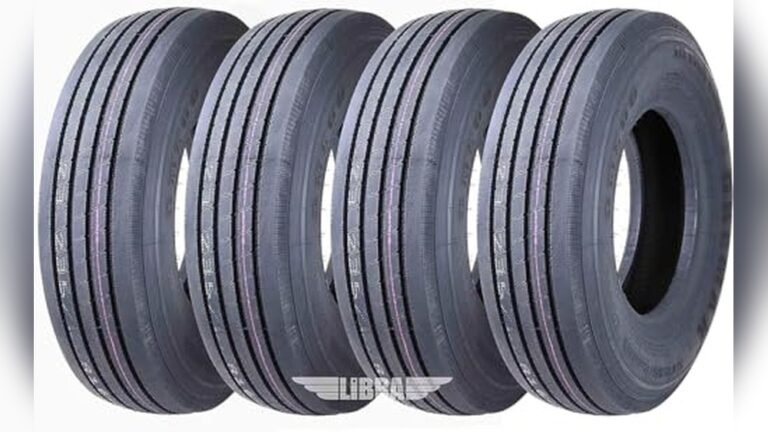
E1 tires have a smooth, flat tread. There are no grooves or ribs. This design is used for vehicles working on hard, smooth surfaces—like paved roads, airport runways, or packed soil. The flat tread gives maximum contact and lowers rolling resistance.
E2 Tires: The Basics
E2 tires have a ribbed tread. The tread looks like straight lines or ribs that run around the tire. These tires are made for vehicles on loose or soft surfaces—like sand, mud, or gravel. The ribs help with steering and prevent sliding.
Key Differences Between E1 And E2 Tires
The main difference is the tread pattern. But there are other important factors:
| Feature | E1 Tire | E2 Tire |
|---|---|---|
| Tread Pattern | Smooth | Ribbed |
| Surface Suitability | Hard, smooth surfaces | Soft, loose surfaces |
| Traction | Low | Medium |
| Rolling Resistance | Very low | Low |
| Steering Stability | High on smooth ground | High on soft ground |
| Wear Rate | Slower on hard surfaces | Faster on rough terrain |
| Typical Uses | Scrapers, airport vehicles | Graders, dump trucks |
Where Are E1 Tires Used?
E1 tires are designed for vehicles that operate on hard and smooth surfaces. Here are some common situations:
- Airport Runways: Airport maintenance vehicles often use E1 tires. Their smooth tread is gentle on the pavement and helps the vehicle move quickly.
- Road Construction: Scrapers and compactors working on finished roads prefer E1 tires. They avoid damaging the road while providing stability.
- Industrial Yards: In places where surfaces are concrete or asphalt, E1 tires are ideal. Forklifts and transporters use them for efficient movement.
E1 tires give low rolling resistance, which means the engine uses less power to move the vehicle. This saves fuel and reduces wear. Their flat tread also gives a comfortable ride on smooth surfaces.
Where Are E2 Tires Used?
E2 tires are made for vehicles that work on loose, soft, or uneven surfaces. Examples include:
- Grading Dirt Roads: Motor graders use E2 tires. The ribbed tread gives good steering, even on loose soil.
- Mining and Construction Sites: Dump trucks and loaders often use E2 tires when moving over gravel, sand, or mud. The ribs prevent the tire from sliding sideways.
- Agricultural Fields: In farming, E2 tires help tractors and equipment move across soft ground without sinking or losing control.
E2 tires are not as efficient on paved surfaces. The ribbed tread can wear down faster if used on hard ground. But on soft surfaces, they offer better traction and steering than E1 tires.
Performance Factors: What Matters When Choosing E1 Or E2 Tires?
Choosing between E1 and E2 tires is not just about tread. Here are key factors to consider:
1. Surface Type
- Hard, Smooth Surface: Go for E1 tires.
- Soft, Loose Surface: E2 tires are better.
2. Vehicle Type
- Scrapers, compactors, and airport vehicles usually need E1 tires.
- Graders, dump trucks, and loaders often use E2 tires.
3. Load And Speed
E1 tires can handle higher speeds because they roll smoothly. E2 tires are better for heavy loads on soft ground, but not for fast movement.
4. Tire Wear
E1 tires last longer on hard surfaces. E2 tires wear faster if used on pavement or concrete.
5. Safety
E2 tires offer safer steering on loose ground. E1 tires are safer on smooth, dry surfaces.
E1 Vs E2 Tire Comparison: Real-world Examples
Let’s look at two equipment cases:
Example 1: Airport Maintenance Vehicle
An airport sweeper must cover long distances quickly, mostly on paved runways.
- With E1 tires, the sweeper moves fast, saves fuel, and doesn’t damage the runway.
- If you use E2 tires, the ribs may cause vibration, wear faster, and make steering less stable.
Example 2: Motor Grader On Dirt Road
A grader needs to shape a roadbed, working over loose soil.
- With E2 tires, the grader can steer well, avoid sliding, and maintain control.
- If you use E1 tires, the grader may slip or struggle to turn.
These examples show why matching tire type to surface and job is important.
Technical Specifications: E1 And E2 Tires
Manufacturers provide detailed specs for E1 and E2 tires. Here is a summary of typical values:
| Specification | E1 Tire | E2 Tire |
|---|---|---|
| Width (mm) | 400–800 | 400–800 |
| Diameter (inches) | 24–51 | 24–51 |
| Max Load (kg) | 4,000–15,000 | 4,000–15,000 |
| Speed Rating (km/h) | Up to 70 | Up to 40 |
| Tread Depth (mm) | 10–18 | 18–24 |
These values can vary by brand and model. Always check the exact specifications before buying.
How To Identify E1 And E2 Tires
It is easy to spot the difference if you know what to look for:
- E1 tires: No grooves, just a smooth surface. Sometimes marked “E1” on the sidewall.
- E2 tires: Visible ribs running around the tire. Marked “E2” on the sidewall.
You can also check the product code in the tire catalog or website.
Advantages And Disadvantages
Both E1 and E2 tires have pros and cons. Here is a clear breakdown:
Advantages Of E1 Tires
- Low rolling resistance: Saves fuel.
- Longer lifespan: Less wear on hard surfaces.
- Stable ride: Good for high-speed, smooth driving.
Disadvantages Of E1 Tires
- Poor traction: Not good on mud, sand, or loose soil.
- Limited use: Only suitable for smooth surfaces.
Advantages Of E2 Tires
- Better traction: Good grip on loose surfaces.
- Improved steering: Safer control in soft conditions.
- Versatile: Can handle moderate roughness.
Disadvantages Of E2 Tires
- Higher rolling resistance: Uses more fuel.
- Faster wear: Wears down quickly on hard surfaces.
- Less comfort: Can cause vibration on smooth ground.
Cost Considerations: Which Tire Is More Economical?
Cost depends on several factors:
- Purchase Price: E1 and E2 tires are usually similar in price for the same size.
- Operating Cost: E1 tires save money on fuel and last longer on hard surfaces. E2 tires cost more if used wrongly.
- Replacement Rate: Using the wrong tire for the surface means replacing them more often.
If you use the right tire for your job, you reduce total costs and avoid downtime.
Common Mistakes When Choosing E1 Or E2 Tires
Many beginners make mistakes that cost time and money. Here are some to avoid:
- Ignoring Surface Type: Putting E1 tires on soft ground leads to slipping and accidents. Using E2 tires on pavement means fast wear.
- Not Checking Load Ratings: Each tire has a maximum load. Overloading can cause blowouts.
- Skipping Speed Ratings: Using E2 tires for high-speed jobs is risky. They are not built for fast movement.
- Buying for Price Only: Cheap tires may not suit your job. Always match tire to task.
- Neglecting Maintenance: Poor tire care shortens life and increases costs.
A non-obvious insight: Some users think ribbed tires (E2) are always better because they look “strong.” But if your job is on smooth ground, ribs actually make things worse.
Maintenance Tips For E1 And E2 Tires
Proper care increases tire life and keeps you safe. Here are practical steps:
- Regular Inspection: Check for cuts, bulges, and tread wear.
- Correct Inflation: Keep pressure at manufacturer’s recommended level.
- Rotation: Swap tires between positions to even out wear.
- Cleaning: Remove stones or debris from E2 tire ribs.
- Alignment: Keep wheels properly aligned to prevent uneven wear.
A second non-obvious insight: Cleaning E2 tire ribs is crucial. Stones stuck in the ribs can cause damage and reduce traction.
Environmental Impact: How E1 And E2 Tires Affect The Ground
Tire choice affects not just your vehicle but the environment:
- E1 tires: Flat tread spreads the load. Less damage to paved surfaces. But may compact soil if used on dirt.
- E2 tires: Ribs dig into soft ground. They cause less compaction but can disturb loose soil.
If you care about reducing surface damage, pick the tire that fits your ground type.
Popular Brands And Models
Many companies make E1 and E2 tires. Here are some well-known brands:
- Michelin: Famous for quality and durability.
- Bridgestone: Widely used in construction and mining.
- Goodyear: Offers a full range of E1 and E2 tires.
- Continental: Known for innovative designs.
- BKT: Popular in agriculture and earthmoving.
Always check the manufacturer’s catalog for exact sizes and ratings.

Credit: www.vmcchineseparts.com
New Innovations In E1 And E2 Tire Technology
Tire makers are always improving. Recent innovations include:
- Better rubber compounds: Increase lifespan and reduce rolling resistance.
- Smart sensors: Some E1 and E2 tires now have sensors for pressure and temperature.
- Eco-friendly materials: More brands use recycled rubber and sustainable sources.
- Improved tread designs: New E2 ribs reduce vibration and noise.
Technology helps tires last longer and perform better. If you buy new models, ask about these features.
Comparing E1 And E2 Tires With Other Otr Tire Types
Besides E1 and E2, there are other OTR tire codes, like E3 and E4. Here is a quick comparison:
| Tire Type | Tread Pattern | Main Use |
|---|---|---|
| E1 | Smooth | Paved surfaces |
| E2 | Ribbed | Loose soil |
| E3 | Lug | Heavy-duty off-road |
| E4 | Deep lug | Extreme off-road |
E3 and E4 tires are for rough, uneven terrain. E1 and E2 are for less extreme conditions.

Credit: www.vmcchineseparts.com
How To Decide: E1 Or E2 Tire For Your Equipment
Here is a simple checklist:
- What surface will you drive on?
- Hard/paved: E1
- Loose/soft: E2
- What is your main job?
- Fast movement or transport: E1
- Grading, dumping, or earthmoving: E2
- How heavy is your load?
- Both can handle heavy loads, but check specs.
- What is your speed?
- E1 for speed, E2 for control.
If you are unsure, ask your tire dealer or check equipment manuals.
Frequently Asked Questions
What Is The Main Difference Between E1 And E2 Tires?
The main difference is the tread pattern. E1 tires are smooth for hard surfaces, while E2 tires have ribs for soft, loose ground. E1 tires roll easily on pavement; E2 tires grip better on dirt.
Can I Use E2 Tires On Paved Roads?
You can, but it’s not recommended. E2 tires will wear down quickly on pavement and may cause vibration. They are made for soft surfaces like sand or gravel.
Which Tire Lasts Longer: E1 Or E2?
On hard surfaces, E1 tires last longer. On loose soil, E2 tires are better. Using the wrong tire on the wrong surface shortens lifespan.
Are E1 And E2 Tires Expensive?
Prices depend on size and brand, but both types cost about the same for similar sizes. Using the right tire saves money on fuel and replacement costs.
How Do I Know Which Tire My Equipment Needs?
Check your equipment manual, look at the surface you drive on, and think about your main job. You can also ask a tire dealer or check the tire sidewall for codes.

Credit: www.vmcchineseparts.com
Final Thoughts
Choosing between E1 and E2 tires is about more than picking a tread pattern. It’s about matching your equipment and surface for safety, efficiency, and cost savings. E1 tires are best for paved, hard surfaces and fast movement. E2 tires are ideal for loose, soft ground and jobs needing good steering and traction. Avoid common mistakes, maintain your tires well, and use new innovations to get the best performance.
If you want more technical details, visit the official OTR tire classification at Wikipedia.
By understanding the differences and thinking carefully, you can make the best tire choice for your needs. This saves money, improves safety, and keeps your equipment running smoothly.