When the first snow falls, many drivers wonder if their tires are ready for winter roads. Tires are not just black circles; their design, rubber compound, and tread pattern decide how well they grip in cold, icy, and snowy conditions. Lionhart Tires have become more popular lately because they offer lower prices compared to bigger brands. But are Lionhart Tires good in snow? If you are considering them for your next winter, it’s important to understand their strengths, weaknesses, and what real-world drivers experience.
What Makes A Tire Good In Snow?
Before looking at Lionhart, let’s understand what makes a tire perform well in snow. Winter tire performance comes down to:
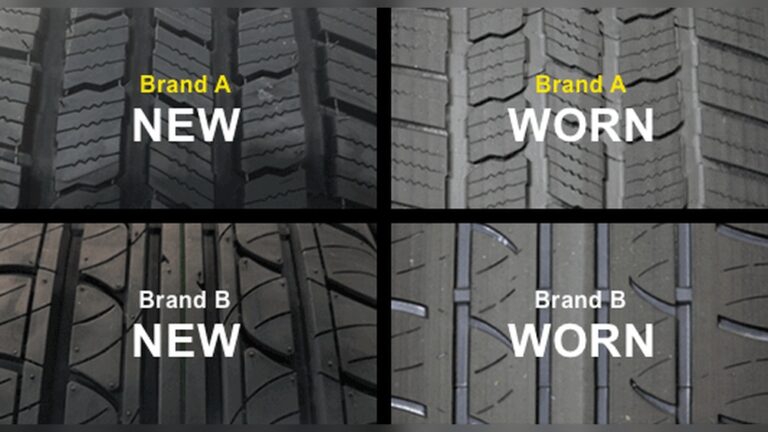
- Tread Design: Deeper grooves and zigzag patterns help tires grip snow instead of sliding.
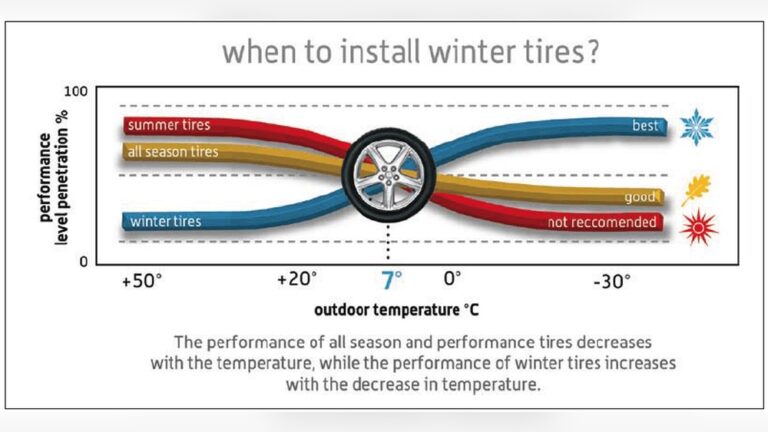
- Rubber Compound: Good winter tires use softer rubber that stays flexible in cold weather.
- Siping: Tiny cuts in the tread help bite into ice and packed snow.
- Snowflake Symbol: The “Three-Peak Mountain Snowflake” symbol means a tire meets industry standards for severe snow service.
All-season tires can manage light snow, but dedicated winter tires are best for regular or heavy snow.
Overview Of Lionhart Tires
Lionhart is a newer brand, known for making budget-friendly tires for cars, SUVs, and light trucks. Most of their products are all-season or performance-oriented, not true winter tires. Some popular Lionhart models include:
- LH-501 (all-season)
- LH-202 (touring)
- LH-Five (UHP, ultra-high performance)
- LH-503 (all-season SUV)
- LH-311 (all-season truck/SUV)
Lionhart tires are made in China and distributed mainly in North America. Their main selling point is price—they usually cost 30-50% less than big brands.
Lionhart Tires And Snow Performance
Now, let’s look at how Lionhart tires actually perform in snow, based on tire type and user experience.
Are Lionhart All-season Tires Good In Snow?
Most Lionhart tires sold are all-season. This means they are made to work in summer heat and light winter conditions. However, most all-season tires, not just Lionhart, struggle in real winter weather.
Real-world Performance
Owners report that Lionhart all-season tires are:
- Acceptable in light snow, especially when new
- Not good on ice or deep, packed snow
- Lose grip as temperatures drop below freezing
- No Three-Peak Mountain Snowflake rating on most models
Some users say Lionhart tires are “slippery” when snow is more than a dusting. Braking and turning distances get longer, and cars can lose control more easily. This is true of most budget all-seasons, not just Lionhart.
Key Data: All-season Vs. Winter Tires
Here is a comparison to show why all-season tires, including Lionhart, struggle in snow:
| Condition | All-Season Tire | Winter Tire |
|---|---|---|
| Stopping Distance on Ice (30 mph to 0) | 180 ft | 110 ft |
| Stopping Distance in Snow (30 mph to 0) | 110 ft | 70 ft |
| Handling (cornering grip) | Low | High |
Most Lionhart all-seasons perform at the low end of this range.
Do Lionhart Offer True Winter Tires?
As of 2024, Lionhart does not sell dedicated winter tires in North America. You will not find a Lionhart tire with the Three-Peak Mountain Snowflake symbol that shows it is built for severe snow. Their tires are mainly all-season, ultra-high-performance, or summer.
This means if you live in a place with regular snow or ice, you will not find a Lionhart tire designed for that. For true winter capability, you need a tire made for snow, with the right compound and tread.
Lionhart Tires In Light Snow And Slush
Some drivers only face a few snow days a year, with mostly wet or slushy roads. Here, Lionhart all-season tires can be good enough—if you drive slowly and avoid sudden moves.
- On light snow (less than 1 inch), the tires can start moving from a stop and handle gentle turns.
- In slush or wet conditions, Lionhart tires’ wide grooves help push water away and reduce hydroplaning—this is their best winter feature.
But in heavier snow, the tread fills up quickly, and you lose grip.
Ice And Packed Snow: Where Lionhart Struggles
Ice and hard-packed snow are the hardest conditions for any tire. Here, Lionhart all-seasons are not recommended. Their rubber gets stiff, sipes are shallow, and they can slide easily.
Drivers report:
- Longer braking distances
- Difficulty starting on hills
- Frequent sliding at stops or sharp corners
These are serious safety issues, especially if you drive early in the morning or late at night when roads are icy.
User Reviews And Real-world Feedback
To see if Lionhart tires are good in snow, it helps to look at real user reviews, not just lab tests.
Positive Feedback
Some owners are happy with Lionhart all-season tires for winter because:
- Low price makes them affordable for drivers on a budget
- Decent traction in light snow, especially during the first year
- Quiet and comfortable ride compared to old, worn-out tires
Negative Feedback
Most complaints are about snow and ice:
- “I slid through a stop sign after a snowstorm.”
- “They work okay in rain but not on icy mornings.”
- “Grip is poor after the first winter.”
This shows that even budget-conscious drivers notice the limits of Lionhart in winter.
Comparing Lionhart To Major Brands
How do Lionhart tires compare with big-name brands like Michelin, Bridgestone, Goodyear, and others in snow? Here is a quick side-by-side:
| Brand | Winter Models Available? | All-Season Snow Performance | Price Range (per tire) |
|---|---|---|---|
| Lionhart | No | Low | $55–$90 |
| Michelin | Yes | High | $120–$180 |
| Goodyear | Yes | Medium-High | $100–$160 |
| Bridgestone | Yes | High | $110–$170 |
Lionhart wins on price, but loses on winter safety and performance.
When Lionhart Tires May Be “good Enough” In Snow
Not everyone needs top winter performance. Lionhart tires could be good enough if:
- You live in a mild climate with rare snow
- You only drive in the city, where roads are cleared quickly
- You avoid driving during snowstorms or early mornings
Even then, it’s wise to drive slower, leave extra space, and check your tires’ tread depth often.
Common Mistakes When Using Lionhart Tires In Winter
Many drivers expect too much from budget all-season tires. Here are common mistakes:
- Not Lowering Speed: All-season tires need more stopping distance in cold and snow.
- Not Rotating Tires: Uneven wear makes winter grip worse.
- Ignoring Tread Depth: Worn tires lose snow traction quickly.
- Thinking All-Season Means All-Weather: All-season is not the same as snow-rated.
- Not Checking Air Pressure: Cold weather lowers tire pressure, which can hurt grip.
Two Insights Most Beginners Miss
- Winter Tire Laws: In some states and Canadian provinces, you are required by law to use winter tires or carry chains during certain months. Lionhart all-seasons do not meet these laws.
- Insurance Issues: Some insurance companies may limit coverage or increase your deductible if you have an accident with the wrong tires for the season.
Both points show that choosing the right tire is not just about grip—it can affect your legal and financial safety.

Credit: www.reddit.com
What To Do If You Already Have Lionhart Tires
If you already have Lionhart all-seasons, here’s how to maximize safety:
- Drive slower and brake earlier than usual.
- Keep your tires inflated to the recommended pressure.
- Check tread depth—replace them if below 4/32″ for winter use.
- Avoid hilly or unplowed roads after snowfalls.
- Carry sand, a shovel, or traction mats in your car for emergencies.
If you face more than occasional snow, consider a second set of winter tires from another brand.
Alternatives To Lionhart For Snow
If you need better snow performance, here are alternatives:
- Dedicated winter tires from top brands (Michelin X-Ice, Bridgestone Blizzak, Goodyear Ultra Grip)
- All-weather tires (with snowflake symbol) like Nokian WRG4, Michelin CrossClimate2
- Used winter tires—sometimes you can find gently used tires for the same price as new Lionharts
Always check for the Three-Peak Mountain Snowflake if you want real winter ability.

Credit: www.reddit.com
Expert Opinion And Safety Advice
Most tire experts agree: Lionhart tires are not recommended for regular or severe snow use. They are a budget option for drivers who rarely see snow. If you live in a place with real winter, investing in proper winter tires is the safest choice. Your tires are the only thing connecting your car to the road—the right choice can prevent accidents.
For more detailed research on winter tires and their safety, you can visit the National Highway Traffic Safety Administration.
Frequently Asked Questions
Are Lionhart Tires Safe For Winter Driving?
Lionhart all-season tires are only safe for light snow or slush and not suitable for ice or deep snow. They lack the special tread and rubber needed for winter safety. For regular winter driving, dedicated snow tires are safer.
Do Lionhart Tires Have A Snowflake Symbol?
No, Lionhart does not currently make any tires with the Three-Peak Mountain Snowflake symbol. This symbol shows that a tire meets industry standards for severe snow performance.
Can I Use Lionhart All-season Tires Year-round?
You can use Lionhart all-season tires year-round in regions with mild winters. If you live somewhere with harsh winters, it is best to switch to real winter tires during snowy months.
How Do Lionhart Tires Compare To Michelin Or Goodyear In Snow?
Lionhart tires are less expensive, but they offer much less grip and safety in snow compared to brands like Michelin or Goodyear. Major brands offer dedicated winter tires, while Lionhart does not.
What Should I Do If My Lionhart Tires Lose Grip In Snow?
If you lose grip, slow down, avoid sudden moves, and increase your following distance. If you live in a snowy area, consider buying winter tires for the season to stay safe.
Choosing the right tire is important for your safety, especially in winter. While Lionhart tires are affordable and can handle mild conditions, they are not a good fit for regular snow or ice. Always match your tires to your weather—and don’t let price put your safety at risk.

Credit: www.reddit.com