Your car’s dashboard lights up with a warning: “Service Tire Monitor System.” You might feel confused or even worried—what does it mean? Is it safe to drive? The tire monitor system, also called TPMS (Tire Pressure Monitoring System), is an important safety feature in modern vehicles. It warns you when your tire pressure is too low, helping you avoid accidents, poor fuel economy, and tire damage. Sometimes, even after fixing your tires, the warning light stays on. That’s when you need to reset the system. If you’re not sure how to reset the service tire monitor system, this guide gives you everything you need to know—step by step, for beginners and experienced drivers alike.
What Is The Service Tire Monitor System?
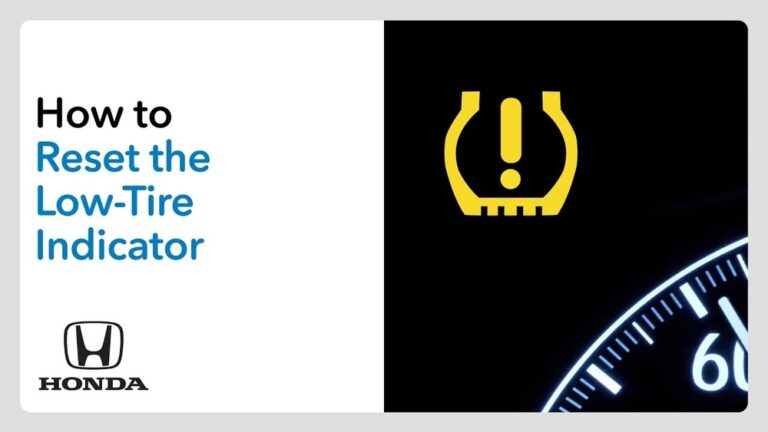
The Service Tire Monitor System is your car’s way of telling you something is wrong with the tire pressure monitoring system. This alert is different from a simple low tire warning. It means the system itself—sensors, computer, or wiring—may have a problem. If the system isn’t working, you might not know when your tires are dangerously low on air.
Most cars built after 2007 have TPMS. This system uses sensors inside your tires to check air pressure. If the pressure drops below a safe level, you get a warning light. But sometimes, sensors fail, batteries die, or the system needs a reset after tire changes.
That’s why knowing how to reset the service tire monitor system is important for every driver.
Why Does The Service Tire Monitor Light Come On?
Before you reset, it helps to know why the light came on in the first place. Here are the most common reasons:
- Low tire pressure: One or more tires are underinflated.
- Sensor battery is dead: Most TPMS sensors use small batteries that last 5-10 years.
- Sensor damage: Replacing or rotating tires can sometimes break sensors.
- System error: Electrical issues or software glitches can cause false warnings.
- Seasonal changes: Cold weather lowers tire pressure and can trigger the system.
Not every warning means the system is broken. Sometimes, a simple reset is all you need after fixing the problem.
How Does The Tire Monitor System Work?
Understanding the basics helps you reset it correctly. There are two main types of TPMS:
- Direct TPMS: Uses sensors inside each wheel to measure air pressure. Sends data to your car’s computer.
- Indirect TPMS: Uses ABS wheel speed sensors. Detects when a tire is spinning differently (low pressure).
Direct systems are more common and accurate, but their sensors are more likely to need a reset or replacement.
Here’s a simple comparison:
| Type | How It Works | Reset Needed? |
|---|---|---|
| Direct TPMS | Sensors in wheels measure air pressure | Yes, after sensor change or tire rotation |
| Indirect TPMS | Wheel speed sensors detect changes | Yes, after tire maintenance or rotation |
When Should You Reset The Tire Monitor System?
Resetting isn’t always needed. Here’s when you should:
- After adding air to low tires
- After rotating, changing, or replacing tires
- After installing new sensors
- When the warning light stays on, even if the tires are fine
If the light comes back often, or won’t reset, you may have a faulty sensor or other problem. Don’t ignore it—your safety depends on it.

Credit: sprucepinechevrolet.com
How To Reset Service Tire Monitor System: Step-by-step
Resetting the system is usually simple, but the process varies by car make and model. Here’s a detailed guide for most vehicles.
1. Check And Adjust Tire Pressure
Before resetting, make sure all tires (including the spare, if monitored) are filled to the recommended pressure. You’ll find this info inside the driver’s door or in your owner’s manual.
- Use a reliable tire pressure gauge.
- Inflate or deflate each tire to the correct PSI (pounds per square inch).
- Double-check, because even a small difference can trigger the warning.
2. Turn The Ignition On
Sit in the driver’s seat and turn the key to the “ON” position, but do not start the engine. In push-button cars, press once to turn on the electronics, not the engine.
3. Locate The Reset Button
Most cars have a TPMS reset button under the steering wheel, near the fuse box, or in the glove compartment. If you’re not sure, check your owner’s manual or look for a button labeled with a tire or “SET.”
4. Press And Hold The Reset Button
- Press and hold the button until the TPMS indicator light blinks three times.
- Release the button.
- Wait for a few minutes.
Some vehicles require you to drive at a certain speed (usually 20-30 mph) for the system to relearn the tire positions. If so, drive for 10-20 minutes and check if the light goes off.
5. Use The Vehicle’s Onboard Computer
Modern cars let you reset TPMS using the dashboard menu.
- Navigate to the “Vehicle Settings” or “Tire Pressure” menu.
- Find the “Relearn” or “Reset” option.
- Follow the prompts—often you’ll need to confirm the reset.
6. Manual Reset Sequence (some Models)
Certain cars, especially GM or Ford, use a specific pedal or key sequence:
- With the ignition off, press and release the brake pedal.
- Turn the key to “ON,” then “OFF,” and repeat three times.
- The horn will honk or the light will blink—this means the system is ready to relearn.
- Deflate or overinflate each tire in a certain order, starting with the front left.
- The car will honk or blink when each sensor is reset.
Check your manual for the exact process for your car.
7. Use A Tpms Relearn Tool
If the basic steps don’t work, try a TPMS relearn tool. These are small devices that activate the sensors so the car can recognize them. They’re available online or at auto parts stores.
- Turn your car to “ON.”
- Hold the tool against the tire sidewall, near the valve stem.
- Press the tool’s button until the horn honks or the light flashes.
- Repeat for each tire, in the correct order.
8. Resetting After Sensor Replacement
If you’ve installed new sensors, you may need a dealership or tire shop to program them. Some cars won’t reset with just a button—you need a scan tool or special equipment.
9. Confirm The Reset
After following these steps:
- The warning light should turn off after a short drive.
- If it stays on, repeat the steps or check for sensor faults.
Troubleshooting: When The Light Won’t Go Off
Sometimes, the warning light stays on even after resetting. Here are possible reasons:
- Faulty or dead sensor: Needs replacement.
- Wiring problems: Damaged wires or connectors.
- Wrong tire pressure: Double-check with a good gauge.
- Sensor not programmed: Needs a relearn tool or dealer visit.
Here’s a quick troubleshooting chart:
| Problem | Possible Cause | What to Do |
|---|---|---|
| Light stays on | Low tire, dead sensor, system error | Check pressure, replace sensor, scan for codes |
| Light flashes then stays on | Sensor problem or system fault | Service required, use scan tool |
| Light goes off then returns | Slow leak, temperature changes | Inspect tires, check weekly |
Common Mistakes To Avoid
Many drivers make simple errors when dealing with their tire monitor system:
- Ignoring the light: Don’t assume it’s a false alarm. Low tire pressure can cause accidents.
- Resetting without fixing the problem: Always fix leaks or damaged sensors first.
- Not checking the spare: Some systems include the spare tire sensor.
- Using the wrong reset steps: Always use the method for your specific car.
- Buying cheap sensors: Poor quality sensors often fail quickly.
Tip: If you replace a sensor, always match the new sensor to your car’s make, model, and year. Universal sensors may not work properly.
How Much Does It Cost To Reset Or Repair?
The cost depends on what’s wrong:
- Simple reset: Free, if you do it yourself.
- Tire shop reset: $20–$50, depending on location.
- Sensor replacement: $50–$150 per sensor, plus labor.
- Dealer programming: $50–$100.
You can save money by resetting the system yourself, but for sensor replacement or complicated errors, professional help is best.

Credit: www.youtube.com
When To See A Professional
Some situations need expert help:
- The warning light stays on after multiple resets.
- You suspect sensor or wiring problems.
- You don’t have the correct tools.
- Your car needs sensor programming.
A qualified mechanic can scan for error codes and fix electrical issues you can’t see.
Real-world Example
Imagine you rotate your tires at home. A few days later, the service tire monitor warning appears. You check and adjust the pressure—still, the light won’t go off. You follow your car’s reset steps but no luck. After using a TPMS relearn tool, the light finally turns off.
This shows how sometimes, resetting is more than just pressing a button—especially after tire service.

Credit: www.youtube.com
Extra Insights Most Drivers Miss
Many people don’t realize:
- TPMS batteries are not replaceable. When they die, you need a new sensor.
- Extreme temperatures can trigger warnings. Cold weather lowers pressure, hot weather raises it. Always check your tires before resetting.
- Aftermarket wheels or tires may cause errors. The system is designed for your car’s original equipment.
For more details on how TPMS systems work, you can read this in-depth explanation on Wikipedia.
Frequently Asked Questions
What Does “service Tire Monitor System” Mean?
It means your car’s tire pressure monitoring system has a problem. This could be a sensor issue, low pressure, or a system error. It’s different from a simple low tire warning.
Can I Drive With The Service Tire Monitor Light On?
You can drive short distances, but it’s not safe for long trips. You won’t know if a tire is dangerously low. Fix the problem and reset the system as soon as possible.
Do I Need Special Tools To Reset Tpms?
Most cars let you reset TPMS with a button or menu. Some models need a TPMS relearn tool, especially after replacing sensors. Check your owner’s manual.
How Do I Know If A Sensor Is Bad?
If the light won’t go off after resetting, or if it flashes then stays on, you may have a bad sensor. A mechanic can scan for error codes to confirm.
Is It Safe To Reset The System Myself?
Yes, if you follow the correct steps and first check tire pressure. If the warning returns or you’re unsure, have a professional inspect the system.
Resetting the service tire monitor system is a basic skill that can save you time, money, and worry. With these steps, you’ll stay safer on the road, keep your tires in good shape, and avoid unnecessary trips to the mechanic.