Getting a flat tire can feel like a sudden roadblock in your day. Whether you are on your way to work, driving home, or on a long road trip, a flat tire can be stressful and inconvenient. One of the first questions that comes to mind is: How long does it take to change a flat tire? The answer depends on your experience, your tools, and even where the flat happens. Let’s explore everything you need to know about changing a flat tire, how to do it efficiently, and what factors can speed up or slow down the process.
Average Time To Change A Flat Tire
Most drivers can expect to spend 15 to 30 minutes changing a flat tire under normal conditions. If you have changed a tire before and have all the needed tools ready, it might take closer to 10-15 minutes. If it’s your first time or you need to find your tools, it might take longer.
However, this is just an average. Some people can do it faster, while others may need more time. It’s important to focus on doing it safely rather than rushing.
Factors That Affect How Long It Takes
Several things can change the time it takes to swap a flat for a spare.
1. Your Experience Level
If you have changed tires before, you likely know where your tools are and how to use them. First-timers often spend extra time reading the manual or figuring out the process.
2. Type Of Vehicle
Some cars make it easier than others. For example:
- Sedans and hatchbacks usually have the spare and tools in the trunk.
- SUVs and trucks may have the spare under the vehicle or in a harder-to-reach place.
3. Quality And Location Of Tools
If you use the basic car jack and wrench included with your vehicle, the job can be harder and slower. Aftermarket tools like a hydraulic jack or cross-shaped lug wrench can save time and effort.
4. Roadside Conditions
A flat tire on a busy road or in rain can make you move more cautiously. Uneven or soft ground can also add time, since you need to find a safe, stable spot for the jack.
5. Condition Of The Spare Tire
If your spare tire is flat or hard to reach, you’ll spend more time. Checking your spare regularly saves time when you need it.
6. Wheel Design And Lug Nut Tightness
Some wheels have hubcaps or covers that need removal. Over-tightened or rusted lug nuts can be very hard to loosen without power tools.
Credit: www.reddit.com
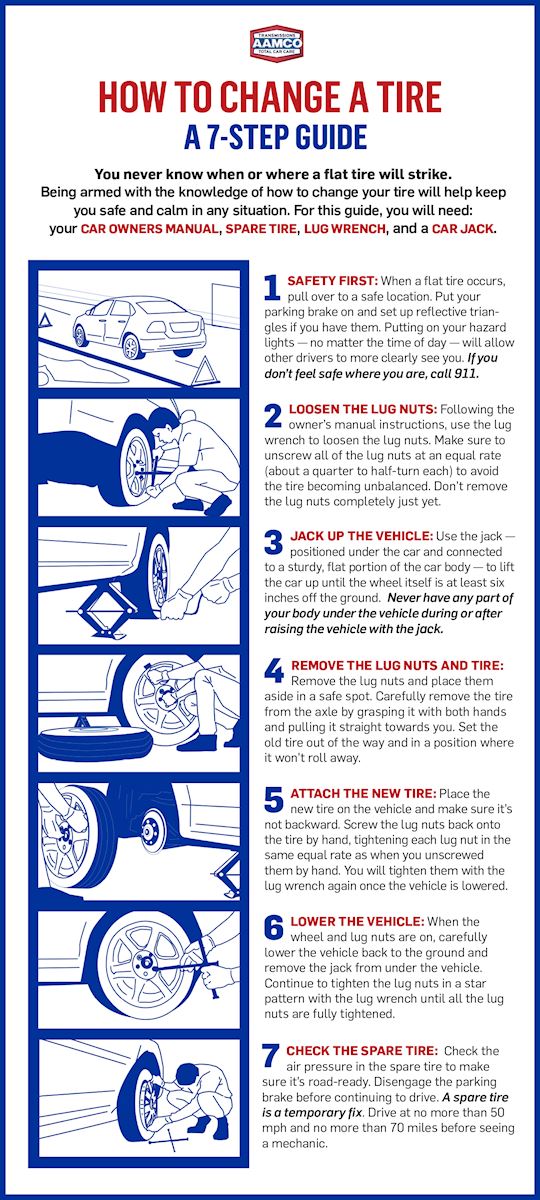
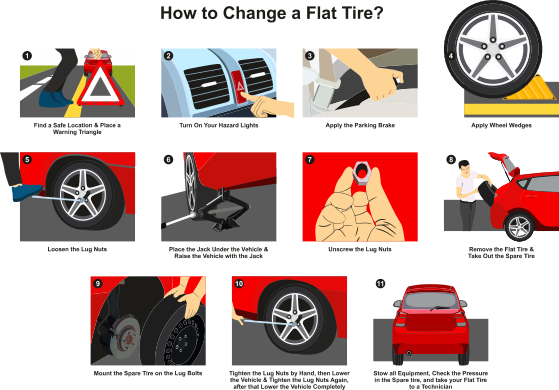
Step-by-step: Changing A Flat Tire
Knowing what to do before you start can save you time and trouble. Here’s a clear step-by-step guide:
- Pull Over Safely
- Move to a flat, stable area away from traffic.
- Turn on hazard lights.
- Gather Your Tools
- You’ll need a jack, a lug wrench, and a spare tire (sometimes called a “donut”).
- Some cars may include a wheel wedge or block.
- Loosen the Lug Nuts
- Use the lug wrench to loosen (but not remove) the nuts before lifting the car.
- Turn them counterclockwise.
- Lift the Vehicle
- Place the jack under the car’s jacking point and raise the car until the flat tire is off the ground.
- Remove Lug Nuts and Tire
- Take the nuts off and keep them somewhere safe.
- Pull the flat tire straight out.
- Mount the Spare
- Slide the spare onto the hub.
- Put the lug nuts back on by hand.
- Lower the Vehicle
- Carefully bring the car down until the tire touches the ground.
- Tighten the lug nuts as much as possible.
- Stow Tools and Flat Tire
- Put away all tools and the flat tire.
- Check the spare’s pressure if possible.
How Long Each Step Takes
Let’s break down the typical time for each part. This helps you see where you may spend more time.
| Step | Time (minutes) |
|---|---|
| Pullover & Safety | 2-3 |
| Gather Tools | 1-3 |
| Loosen Lug Nuts | 2-4 |
| Lift Vehicle | 2-3 |
| Remove Tire | 2-3 |
| Install Spare | 3-4 |
| Lower Car & Tighten | 2-3 |
| Stow Tools | 1-2 |
The total usually falls between 15 and 25 minutes for most people.
Credit: www.aamcoblog.com
Professional Vs. Diy: Speed Comparison
Some drivers prefer to call roadside assistance or a tow service. How does this compare to doing it yourself?
| Option | Average Wait Time | Time to Change Tire | Total Time |
|---|---|---|---|
| DIY | 0 | 15-30 mins | 15-30 mins |
| Roadside Assistance | 20-60 mins | 10-15 mins | 30-75 mins |
If you are able to change the tire yourself, you can usually be back on the road faster than waiting for help.
Common Mistakes That Waste Time
Even with a clear plan, some mistakes can make the process much longer.
- Not Checking the Spare Tire
- Many drivers forget to check their spare’s pressure until they need it.
- Losing Lug Nuts
- Lug nuts can roll away on sloped roads. Keep them in a small container or pocket.
- Jack Placement Errors
- Placing the jack in the wrong spot can damage the car or be unsafe.
- Trying to Loosen Nuts After Lifting
- Always loosen nuts before raising the car. Otherwise, the wheel will spin.
- Not Using the Parking Brake
- Skipping this step can let the car roll, making it dangerous and harder to work.
These mistakes can be avoided with practice and preparation.
Credit: driving-tests.org
Tips For Faster, Safer Tire Changes
If you want to save time and effort, try these practical tips:
- Practice at Home: Changing a tire in your driveway helps you learn and get faster.
- Upgrade Your Tools: A cross-shaped lug wrench or a compact hydraulic jack can save minutes.
- Keep Gloves and a Flashlight: These help in low-light or dirty situations.
- Use Wheel Chocks: Small blocks behind the tires stop the car from rolling.
- Keep a Reflective Vest: Staying visible is critical if you have to change a tire on the roadside.
One non-obvious insight: Tire rotation tools included with some cars can make loosening tight lug nuts easier than the basic wrench. Another tip: a small piece of wood under the jack helps on soft ground, preventing the jack from sinking.
When Should You Not Change The Tire Yourself?
Changing a tire is not always safe or possible. Call for help if:
- The roadside is too busy or dangerous.
- The ground is unstable (soft dirt, mud, steep slope).
- You do not have the right tools or the spare is missing.
- You feel unsafe for any reason.
In these cases, waiting for a professional is the best choice.
Time For Modern Solutions: Run-flat Tires And Repair Kits
Some newer cars come with run-flat tires or tire repair kits instead of a spare. These can change the process and time needed.
- Run-flat tires let you drive up to 50 miles at reduced speed after a puncture.
- Tire repair kits (sealant and inflator) can fix small punctures quickly, sometimes in under 10 minutes.
However, these are not suitable for large holes or sidewall damage. Always check what your car includes.
How Often Do Drivers Get Flat Tires?
According to studies, the average driver experiences a flat tire about once every seven years. For people who drive often or in rough conditions, it can happen more frequently. Knowing how to handle it means less stress and less waiting.
For more details about flat tires and safety, you can visit this Wikipedia page.
Preparing For The Unexpected
You can’t always avoid a flat, but you can be ready. Here are practical steps:
- Check your spare tire’s pressure every few months.
- Know where your tools are, and make sure they’re in good shape.
- Consider adding a flashlight, gloves, and a small mat to your car kit.
- Practice changing a tire at home at least once.
Being prepared means you’ll spend less time on the roadside and feel more confident.
Frequently Asked Questions
How Can I Make Changing A Flat Tire Faster?
Have your tools organized and accessible. Practice the steps at home so you know what to expect. Consider upgrading to a better lug wrench and jack for easier and quicker work.
What If I Can’t Loosen The Lug Nuts?
Try using your foot for extra force on the wrench, or use a longer tool for more leverage. Sometimes, rust or over-tightening makes them very stubborn. If you can’t get them loose, it’s best to call for help rather than risk injury.
Is It Safe To Change A Tire On The Highway?
If you must stop on a highway, pull as far from traffic as possible and turn on your hazard lights. If the shoulder is too narrow or traffic is heavy, it’s usually safer to call for roadside assistance.
Can I Drive On A Spare Tire For A Long Time?
Most spares, especially “donuts,” are meant for short distances only—usually up to 50 miles and at speeds below 50 mph. Get your main tire repaired or replaced as soon as possible.
Do All Cars Come With A Spare Tire?
Not all modern cars include a spare. Some have run-flat tires or a repair kit instead. Always check your vehicle’s manual to know what you have before you need it.
Changing a flat tire is a skill every driver should know. It usually takes about 15 to 30 minutes, but preparation, tools, and practice can make a big difference. When you’re ready, a flat is just a small bump in your journey, not a major roadblock.
Stay safe, stay prepared, and you’ll be back on the road in no time.