Does Humidity Affect Tire Pressure?
Many drivers check their tire pressure often, but few think about how humidity can impact it. Is it something you need to worry about? Does a rainy day or a humid summer morning mean your tire pressure will be different? This article explores these questions in detail, mixing science, real-life examples, and practical advice for every driver.
Understanding how humidity might affect your tires can help you drive safer, save money, and even extend the life of your tires. Let’s look at what really happens inside your tires when the air gets humid, and why it matters more (or less) than you might think.
How Tire Pressure Works
To understand if humidity affects tire pressure, it helps to know the basics of how tire pressure works. Tires are filled with air, which is a mix of gases—mostly nitrogen and oxygen, with small amounts of water vapor, carbon dioxide, and other gases. The pressure you measure in a tire is the force these gas molecules create as they bounce around inside.
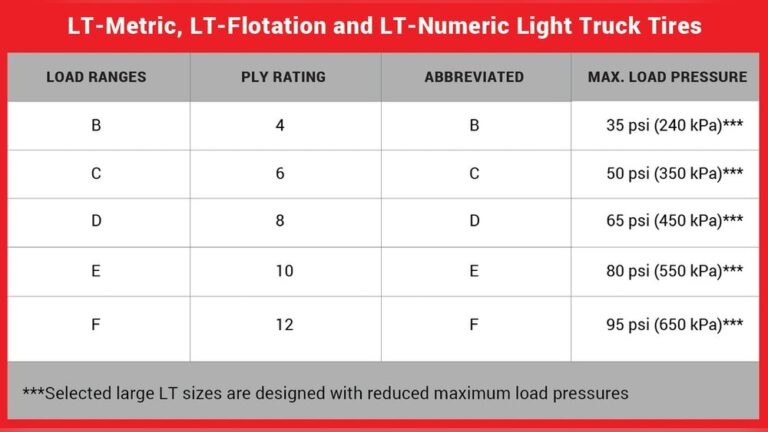
Tire pressure is usually measured in pounds per square inch (PSI) or bar. Most passenger car tires are recommended to be between 30 and 35 PSI. This pressure keeps your tires in the right shape, helps your car handle well, and ensures your tires wear evenly.
What Is Humidity?
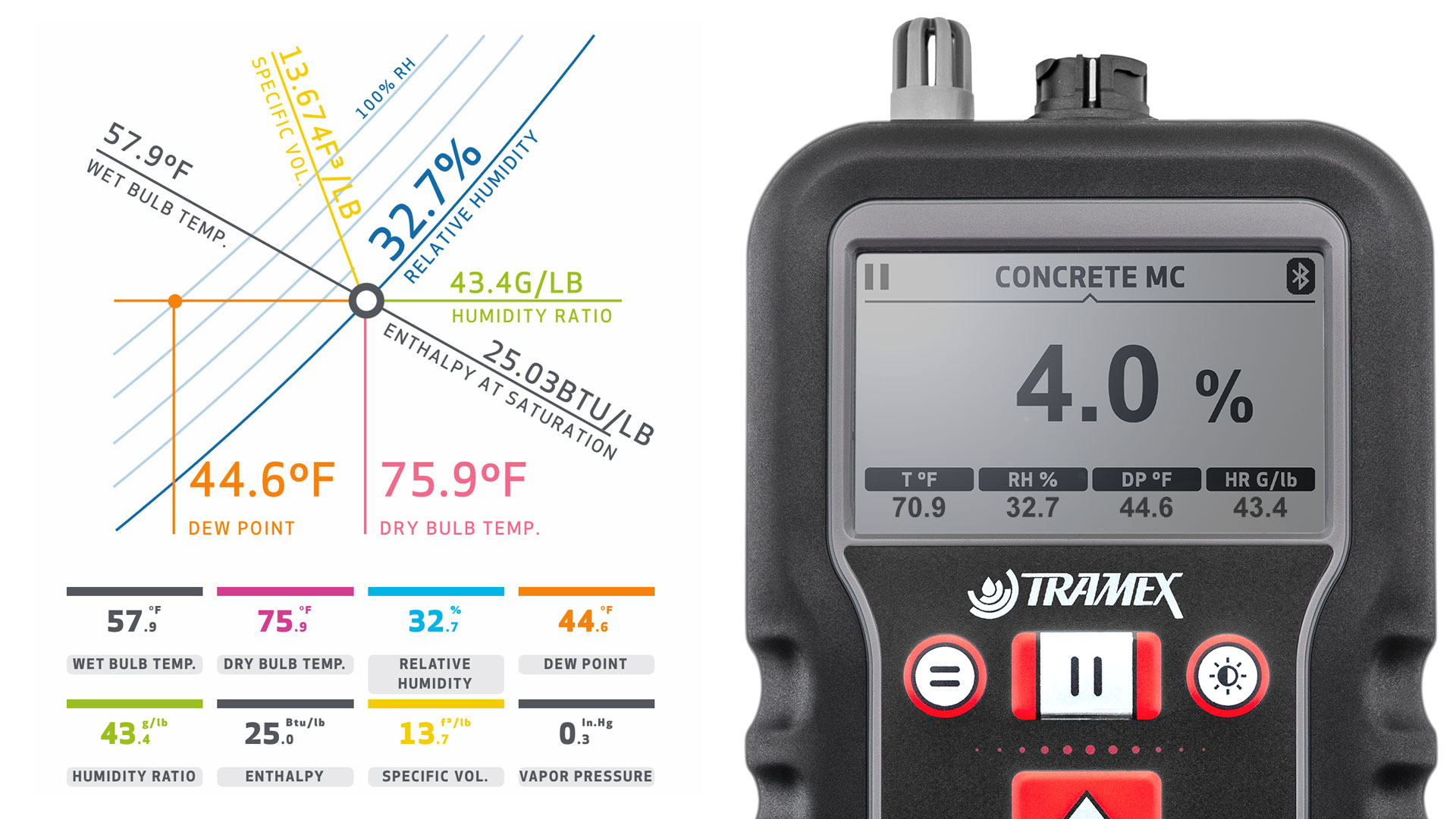
Humidity refers to the amount of water vapor in the air. On a humid day, the air holds more moisture. Meteorologists often talk about relative humidity, which is a percentage that tells you how much water vapor the air is holding compared to its maximum capacity at that temperature.
- High humidity = more water vapor in the air
- Low humidity = less water vapor
For example, if the relative humidity is 80%, the air is holding 80% of the maximum water vapor it could at that temperature.
The Science: Does Humidity Affect Tire Pressure?
Here’s where things get interesting. Most people know that temperature affects tire pressure—your tires lose or gain about 1 PSI for every 10°F (about 5.5°C) change in temperature. But what about humidity?
Air Composition Inside The Tire
The air you pump into your tires contains not just dry gases but also water vapor. When the air is humid, there’s more water vapor in each breath of air.
- Dry air: About 78% nitrogen, 21% oxygen, less than 1% water vapor
- Humid air: Same nitrogen and oxygen, but more water vapor (up to about 4% at very high humidity)
When you fill your tires during a humid day, you might introduce a little more water vapor into the tire.
Water Vapor And Pressure
Water vapor behaves differently from dry gases. Unlike oxygen and nitrogen, water vapor can condense (turn into liquid) if it cools down inside the tire. But at normal tire temperatures, especially when driving, most of the water remains as vapor.
According to the ideal gas law (PV=nRT), the pressure inside your tire depends on the number of gas molecules, the temperature, and the volume of the tire. Water vapor is still a gas, so it adds to the pressure just like the other gases.
Real Impact: How Much Does Humidity Change Tire Pressure?
The effect of humidity on tire pressure is very small compared to temperature. Even on the most humid days, the extra water vapor in each tire is not enough to make a big difference in pressure.
For example:
- At 100% humidity and 30°C (86°F), one cubic meter of air contains about 30 grams of water vapor.
- If you fill a tire with this air, the water vapor adds less than 0.5 PSI extra pressure compared to completely dry air.
So, while humidity can add a small amount of pressure, it’s usually not enough to notice unless your tire gauge is extremely sensitive.
Comparing Temperature And Humidity Effects
To make it clearer, here’s a comparison of how temperature and humidity affect tire pressure in real-world conditions.
| Condition | Pressure Change (Typical) | Noticeable to Driver? |
|---|---|---|
| +10°F / +5.5°C Temperature | +1 PSI | Yes |
| -10°F / -5.5°C Temperature | -1 PSI | Yes |
| Very High Humidity (100%) | +0.2 to +0.5 PSI | No (usually) |
| Dry Air (0% Humidity) | Baseline | No change |
As the table shows, temperature changes have a much bigger impact than humidity. Most drivers will never notice the pressure difference from humidity alone.
Why Do Some Experts Recommend Nitrogen?
You may have heard that some car shops offer to fill your tires with pure nitrogen instead of regular air. One reason is that nitrogen is dry—it contains no water vapor. The idea is that less water vapor means more stable tire pressure, especially with temperature changes.
But studies have shown that, for most passenger vehicles, the difference is minimal. Unless you’re driving a race car or an airplane (where tire pressure accuracy is critical), regular air is fine. The small amount of water vapor from humidity isn’t likely to cause problems.
When Humidity Might Matter
While humidity has a small effect on tire pressure, there are a few cases where it could be more important:
Extreme Environments
If you live in a place with very high humidity and you fill your tires during the hottest, most humid part of the day, you might see a tiny pressure increase. If the temperature then drops sharply, some water vapor could condense, slightly lowering pressure. But again, the effect is small.
High-performance Or Heavy-duty Tires
For racing, aviation, or heavy trucks, even a small change in pressure can affect safety or performance. In these cases, professionals use dry nitrogen to remove any guesswork.
Long-term Effects
Water vapor inside a tire can, over time, cause internal corrosion of steel belts or rims. This is rare in passenger cars but possible in older vehicles or those in wet climates.
Practical Advice For Drivers
For most drivers, humidity is not a major factor in tire pressure. Here’s what matters more:
- Check your tire pressure regularly (at least once a month).
- Check pressure when tires are cold (not after driving), as heat from driving can increase pressure.
- Adjust for temperature changes—expect lower pressure in cold weather and higher in hot weather.
- Use a good quality tire gauge for accurate readings.
- If you live in an area with extreme humidity, it’s still best to follow your car’s recommended tire pressure.
Common Myths About Humidity And Tires
There are a few myths that cause confusion:
- Myth 1: “Rainy days make my tires go flat.”
*Fact:* Rain or humidity alone does not cause tires to lose pressure quickly.
- Myth 2: “You should only fill tires on dry days.”
*Fact:* You can fill tires in any weather. The effect of humidity is minor.
- Myth 3: “Nitrogen makes tires last much longer.”
*Fact:* For most drivers, regular air is good enough. Nitrogen can help in special situations but isn’t a magic solution.
Real-world Example
Consider two drivers: one in Miami, Florida (very humid), and one in Phoenix, Arizona (very dry). Both check their tire pressure after a week of similar driving. The Miami driver might see a tiny difference—maybe 0.2 PSI higher—if they filled their tires during a humid morning. But this is not enough to cause tire problems or affect safety.
How To Minimize The Effects Of Humidity
If you want to be extra careful, here are some tips:
- Fill your tires in the morning, when humidity and temperature are lower.
- Use air from a compressor with a moisture trap, which removes water vapor.
- For critical uses (racing, aviation), consider nitrogen.
But for everyday driving, these steps are not usually necessary.
Data: Tire Pressure Vs. Humidity And Temperature
To put numbers behind the advice, let’s look at a comparison.
| Location | Temp (°F) | Humidity (%) | Pressure Change (PSI) |
|---|---|---|---|
| New York (Winter) | 35 | 50 | -2 |
| Miami (Summer) | 90 | 90 | +2 |
| Phoenix (Spring) | 75 | 20 | 0 |
Temperature swings cause the largest pressure changes. Humidity makes only a small difference.
Other Factors That Affect Tire Pressure
While humidity is minor, other factors can cause bigger changes in your tire pressure:
- Leaks or punctures: These cause steady pressure loss.
- Valve problems: Faulty valves can leak air.
- Altitude: Going to higher elevations lowers outside air pressure, but this usually doesn’t affect the tire’s inside pressure.
- Driving habits: Hard braking or turning can heat up tires, increasing pressure temporarily.
Knowing these factors helps you focus on what really matters for tire care.
Expert Insight: What Tire Manufacturers Say
Most tire and car makers, including Michelin and Goodyear, say to check tire pressure once a month and before long trips. They note that temperature is the main factor that changes pressure, not humidity. For more technical detail, you can see what the experts say at Wikipedia.
Frequently Asked Questions
Credit: tramexmeters.com
How Often Should I Check My Tire Pressure?
It’s best to check your tire pressure at least once a month. Also, check before long trips or when the seasons change. This helps you spot leaks or pressure drops from temperature changes.
Should I Worry About Humidity When Inflating My Tires?
For most drivers, humidity is not a big concern. The effect on tire pressure is so small that you won’t notice it in daily driving. Focus on checking tire pressure regularly and inflating to the recommended PSI.

Credit: autoworx.shop
Is It Better To Use Nitrogen Instead Of Air?
Nitrogen can help keep tire pressure more stable because it’s dry and less likely to seep out. However, for normal cars, regular air works well. Nitrogen is mainly useful for racing or aviation.
Can Humid Air Inside The Tire Cause Rust?
Over many years, water vapor can sometimes cause rust on metal parts inside the tire. This is rare in modern tires but possible in very old vehicles or wet climates. Using dry air or nitrogen removes this risk, but it’s not a big problem for most drivers.
.png)
Credit: www.greatwater360autocare.com
What’s The Biggest Mistake People Make With Tire Pressure?
The most common mistake is forgetting to check tire pressure regularly. Many drivers only check when a warning light comes on. Under-inflated tires wear out faster and can be unsafe, so check them monthly.
Staying aware of how weather and environment affect your tires can help you drive smarter. While humidity plays a small role, it’s temperature and regular checks that make the biggest difference. Keep your tires at the right pressure, and you’ll enjoy safer, smoother driving for years to come.