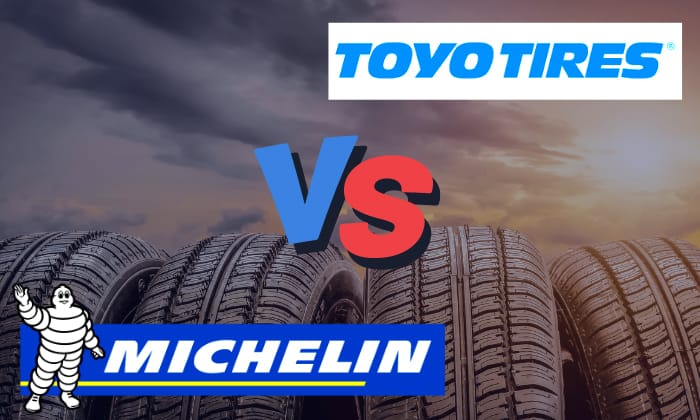
When you’re choosing new tires, the decision can feel overwhelming. Michelin and Toyo Tires are two names you’ll see often, but how do you know which is better for your car, your safety, and your budget? The answer isn’t simple because both brands have strong reputations, but they focus on different things. As someone who’s worked in the auto industry and tested various tires in real-world conditions, I can help you understand how Michelin and Toyo compare. In this guide, you’ll discover the key differences, strengths, and weaknesses of each brand, with practical examples and facts—not just marketing claims. If you’re looking for a clear, honest comparison to help you make a confident choice, this article is for you.
Michelin: A Legacy Of Innovation
Michelin is one of the oldest and most respected tire brands in the world. Founded in 1889 in France, Michelin has built a reputation for quality, safety, and innovation. They were pioneers in developing the radial tire, which changed the industry and improved performance for drivers everywhere.
Michelin’s focus is always on longevity, safety, and comfort. Their tires often come with higher price tags, but many drivers find the investment worth it. Michelin invests heavily in research and development—about €700 million every year. This allows them to introduce new rubber compounds and tread designs that often set industry standards.
What Makes Michelin Unique?
1. Long Tread Life
Michelin tires are known to last longer than many competitors. For example, the Michelin Defender T+H often gets over 80,000 miles, which is more than most standard all-season tires.
2. Superior Wet And Dry Grip
Michelin’s tread designs focus on keeping traction in both wet and dry conditions. Their EverGrip Technology, for example, exposes new grooves as the tire wears, which helps prevent loss of grip over time.
3. Quiet And Comfortable Ride
Many Michelin models are engineered to minimize road noise and absorb bumps, making them a good choice for people who drive long distances.
4. Strong Warranty Coverage
Michelin often provides strong warranties (up to 80,000 miles treadwear warranty on some models), giving drivers extra confidence.
Michelin Tire Lines
- Defender: Focused on all-season use for passenger vehicles.
- Pilot: Performance tires for sports cars and enthusiasts.
- Primacy: Touring tires for a quiet, comfortable ride.
- Latitude: Designed for SUVs and crossovers.
- LTX: Light truck tires for durability and load-carrying.
Toyo Tires: Japanese Reliability And Value
Toyo Tires is a Japanese company founded in 1945. While not as old as Michelin, Toyo has built a strong reputation, especially among truck and SUV owners. Toyo focuses on durability, off-road performance, and value.
Toyo isn’t just about affordability; their tires often surprise drivers with how well they perform, especially in tough conditions. Many Toyo models are manufactured in the USA and Japan, and their quality control is strict.
What Makes Toyo Unique?
1. Aggressive Off-road Options
Toyo’s Open Country line is famous among off-roaders. These tires handle mud, gravel, and snow better than most all-terrain competitors.
2. Affordable Pricing
Toyo tires tend to cost less than Michelin, making them a popular choice for budget-conscious drivers who still want good quality.
3. Strong Load Ratings
Many Toyo truck and SUV tires are built for heavy loads, making them reliable for towing and hauling.
4. Wide Range Of Sizes
Toyo offers a huge variety of sizes, especially for trucks and SUVs, so it’s easy to find a fit for almost any vehicle.
Toyo Tire Lines
- Open Country: Off-road and all-terrain tires.
- Extensa: All-season tires for passenger cars.
- Proxes: Performance tires for sports cars.
- Celsius: All-weather tires for varying climates.
- Observe: Winter tires for snow and ice.
Head-to-head Comparison: Michelin Vs Toyo
To help you see how these brands compare, here’s a side-by-side look at key factors:
| Feature | Michelin | Toyo |
|---|---|---|
| Tread Life | Very Long (up to 80,000 miles) | Good (often 60,000-70,000 miles) |
| Performance in Wet | Excellent | Good to Very Good |
| Comfort & Noise | Quiet, Smooth | Average to Good |
| Price | Higher | Lower to Mid-Range |
| Off-Road Performance | Limited | Excellent (Open Country line) |
| Warranty | Up to 80,000 miles | Up to 65,000 miles |
Performance In Real-world Conditions
Wet Roads
Michelin’s advanced rubber compounds help maintain grip even as the tire wears. For example, the Michelin Premier A/S uses EverGrip Technology, which means even when the tire is half-worn, it still offers strong wet traction. Toyo’s all-season tires, like the Extensa A/S II, perform well in rain but can lose grip more quickly as they age.
Dry Handling
Both brands offer excellent dry grip in their performance lines. The Michelin Pilot Sport 4S is a favorite for sports car owners, often topping independent tire tests. Toyo’s Proxes Sport series delivers good results for less money, but typically falls a bit behind Michelin in braking and cornering at high speeds.
Off-road
Toyo is the clear winner if you need off-road ability. The Open Country A/T III is known for its aggressive tread and ability to clear mud and rocks. Michelin’s main focus is on-road comfort, so their SUV and truck tires are not as aggressive for off-road use.
Winter And Snow
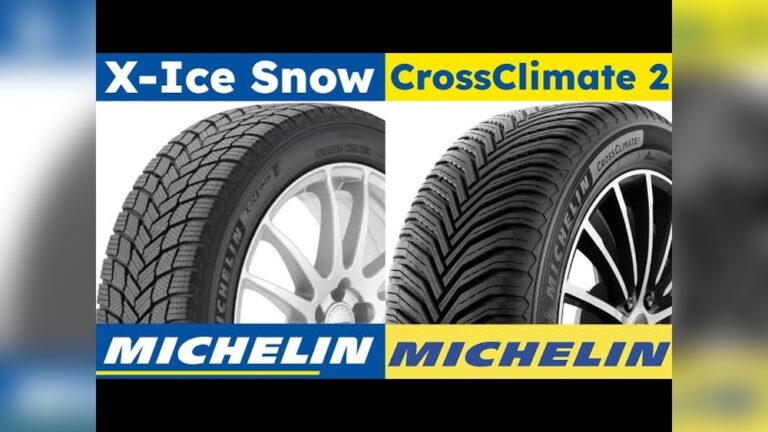
Michelin’s X-Ice and Alpin series are some of the best winter tires, especially for ice and slush. Toyo’s Observe GSi-6 is also strong in snow, with special microbit technology for extra grip. However, Michelin’s winter tires usually win in independent tests for braking and cornering on ice.
Value For Money
Tires are a long-term investment. Michelin tires usually cost more upfront, but their longer life and lower rolling resistance (which can save on fuel) often balance the higher price over time.
Toyo tires, while cheaper, deliver reliable performance and durability, especially in the truck and off-road categories. For drivers who replace tires more frequently, or who need specialized off-road models, Toyo offers great value.
Here’s a quick price comparison for similar all-season touring tires (as of 2024):
| Model | Size Example | Average Price (USD) | Treadwear Warranty |
|---|---|---|---|
| Michelin Defender T+H | 215/60R16 | $170 | 80,000 miles |
| Toyo Extensa A/S II | 215/60R16 | $110 | 60,000 miles |
Insight: Many buyers only look at the purchase price, but the cost per mile can be lower with Michelin due to their longer life and better fuel economy.
Technology And Innovation
Michelin’s Key Technologies
- EverGrip: Maintains wet grip as the tire wears.
- Green X: Focuses on reducing rolling resistance for better fuel economy.
- Helio+ Compound: Uses sunflower oil for better cold weather performance.
Michelin is often the first to bring new technology to market. For example, their run-flat tires, which allow you to drive after a puncture, are used by many luxury carmakers as original equipment.
Toyo’s Key Technologies
- Nano Balance: Improves tread flexibility for better grip.
- T-mode Simulation: Uses advanced computer modeling for stronger sidewalls.
- Silent Wall: Designed to reduce road noise on some models.
Toyo’s research focuses on making tires that excel in real-world conditions, especially for vehicles that do heavy work or go off-road.
Durability And Lifespan
Michelin’s use of advanced silica and high-density compounds means their tires resist wear, even under tough conditions. For example, the LTX M/S2 for trucks regularly lasts over 70,000 miles when rotated properly.
Toyo’s Open Country tires are famous for withstanding sharp rocks and rough trails. The Open Country A/T II is known for resisting cuts and punctures, a big reason why it’s popular with truck owners who use their vehicles on job sites.
Non-obvious insight: Michelin’s longer tread life can sometimes be affected by improper tire pressure or alignment—something many drivers overlook. Toyo’s off-road tires often do best when used on heavier vehicles; on lighter SUVs, they may ride harder and wear faster.
Customer Satisfaction And Reviews
When you look at independent reviews and surveys, both brands do well, but for different reasons.
- Michelin often wins awards for comfort, longevity, and wet performance. For example, Consumer Reports regularly ranks Michelin at the top in passenger and SUV tire categories.
- Toyo earns loyalty from truck and SUV drivers, with many customers reporting 60,000+ miles from their Open Country tires, even with heavy loads.
One area where Toyo stands out is customer service. Their U. S. warranty process is known for being straightforward and responsive.
Important: Some buyers expect Michelin tires to be perfect because of the high price. If they don’t notice a huge improvement, they may feel disappointed. With Toyo, expectations are more about value and durability, so satisfaction rates are often high.
Environmental Commitment
Michelin is a leader in sustainability. They aim to make 100% of their tires from renewable materials by 2050 and recycle millions of tires every year. Their “Green X” technology also helps reduce fuel consumption.
Toyo is also making efforts, with lower rolling resistance options and eco-friendly manufacturing. However, Michelin’s global size and investment in sustainability projects are unmatched.
If environmental impact is a key factor for you, Michelin has a clear advantage.

Credit: www.youtube.com
Which Should You Choose?
There is no single winner for everyone. Your choice depends on how and where you drive, your budget, and what you value most.
Choose Michelin If:
- You want the longest tread life and don’t mind paying more upfront.
- You drive in wet climates and need excellent wet traction.
- You care about quiet, comfortable rides on highways and city streets.
- You want strong warranty protection.
- You prefer brands with strong sustainability efforts.
Choose Toyo If:
- You own a truck or SUV and need off-road or all-terrain performance.
- You want good quality at a lower price.
- You often carry heavy loads or tow with your vehicle.
- You want a wide range of sizes for custom wheels or lifted vehicles.
- You replace tires often and want to save money.
Common Mistakes When Choosing Between Michelin And Toyo
- Focusing only on price: Cheaper tires may wear out faster, costing more over time.
- Ignoring your driving environment: Off-road tires are noisy and less efficient on highways. Touring tires may struggle on muddy trails.
- Overlooking tire size and load rating: Always match your tire to your vehicle’s requirements, not just the brand.
- Skipping proper maintenance: Even the best tires need regular rotation and correct air pressure to last.
- Not checking warranty terms: Some warranties require specific maintenance records.
Credit: artacademy-france.fr
Real-world Examples
- A family sedan owner in a rainy city chose Michelin Primacy MXV4 for better wet traction and quieter rides on long commutes. They reported 75,000 miles before replacing.
- A construction worker with a Ford F-150 picked Toyo Open Country A/T II for durability on gravel roads. The tires lasted over 60,000 miles with minimal punctures.
- An SUV owner in snowy Colorado switched from Toyo Observe GSi-6 to Michelin X-Ice Xi3 for winter. They noticed shorter stopping distances on icy mornings, increasing their confidence during school runs.
Non-obvious insight: Many drivers forget that tire age matters as much as tread depth. Both Michelin and Toyo recommend replacing tires after 6 years, even if tread looks fine, due to rubber aging.
How To Decide: A Simple Checklist
Ask yourself:
- What type of driving do I do most (highway, city, off-road)?
- What’s my budget, not just for now, but for the next 4-5 years?
- Do I want maximum comfort or am I okay with a bit more road noise?
- Will I drive in snow, heavy rain, or hot climates?
- Do I often carry heavy loads or tow?
Your answers will make it clear which brand is the better match.
Expert Recommendations
- For sedans and minivans used mainly in cities or highways, Michelin’s Defender or Primacy series are top choices for smoothness and longevity.
- For trucks and SUVs used off-road or for towing, Toyo’s Open Country series gives more value and durability.
- For sports cars, Michelin’s Pilot Sport series is a leader, but Toyo’s Proxes series is a strong budget-friendly alternative.
- For winter climates, Michelin’s X-Ice and Toyo’s Observe are both safe bets, but Michelin usually offers better ice performance.
Michelin Vs Toyo: Brand Perception And Availability
Michelin is often seen as a premium, almost “luxury” tire brand. Many automakers use Michelin as original equipment on high-end models. Toyo, while less “prestigious,” is highly respected among enthusiasts and professionals who need reliable, tough tires.
In the U. S. , Michelin is available at almost every major tire retailer. Toyo is widely sold but sometimes less common at big-box stores. However, Toyo’s off-road and truck tires are easy to find at specialty shops.

Credit: www.jegs.com
Warranty And After-sales Support
Both brands offer strong warranties, but details matter.
| Brand | Treadwear Warranty | Road Hazard Coverage | Customer Support |
|---|---|---|---|
| Michelin | Up to 80,000 miles | Optional with some retailers | Global network, strong reputation |
| Toyo | Up to 65,000 miles | Optional with some retailers | Excellent U.S. support, fast claims |
Tip: Always register your tires and keep purchase receipts to make warranty claims easier with either brand.
Frequently Asked Questions
What Is The Main Difference Between Michelin And Toyo Tires?
Michelin focuses on premium quality, comfort, and long tread life. Toyo is known for affordable durability, especially in off-road and truck tires. Your choice depends on your driving needs and budget.
Which Tires Last Longer, Michelin Or Toyo?
Michelin tires generally last longer, with some models reaching up to 80,000 miles. Toyo tires are durable but usually offer 60,000-70,000 miles, especially in all-terrain categories.
Are Toyo Tires Good For Highway Driving?
Yes, Toyo’s Extensa and Celsius lines perform well on highways, offering stable handling and value. However, Michelin’s touring tires are often quieter and provide a smoother ride.
Which Brand Is Better For Off-road Driving?
Toyo is the better choice for off-road driving, especially with their Open Country line. They offer better traction, sidewall strength, and resistance to cuts and punctures.
Where Can I Find More Information About Tire Safety And Performance?
For more on tire safety, performance ratings, and comparisons, visit the U.S. National Highway Traffic Safety Administration.
Choosing between Michelin and Toyo Tires is about matching the tire to your vehicle, your driving style, and your priorities. Both brands have unique strengths. Take your time, ask questions, and remember—your tires are the only part of your car touching the road. Make your choice with confidence.