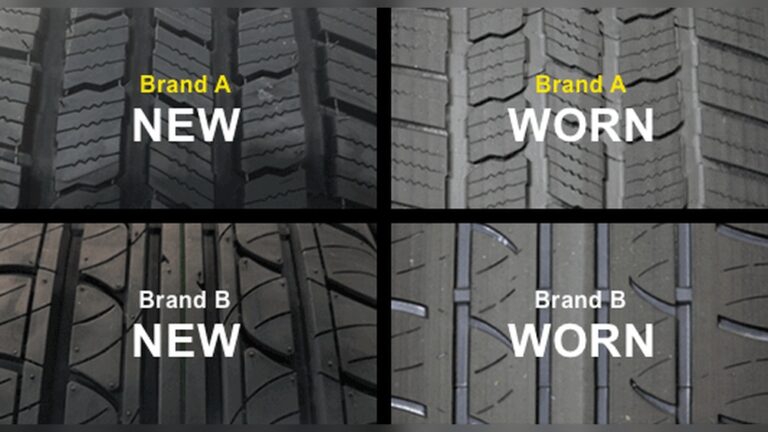
Keeping trailer tires in good condition is not just about safety—it’s also about saving money and reducing stress on the road. One of the most common problems trailer owners face is dry rot in tires. This issue happens when rubber loses its oils and flexibility, causing cracks on the sidewalls and between treads. If left unchecked, dry rot can cause dangerous blowouts or leave you stranded in the middle of nowhere.
Many trailer owners wonder why their tires look cracked even though they have plenty of tread left. The reason is simple: trailer tires often sit unused for long periods, exposed to sun, air, and moisture changes. Unlike car tires, which get replaced more often due to wear, trailer tires may reach the end of their life because of dry rot, not tread loss.
The good news is, you can prevent dry rot with some practical steps. This guide explains what causes trailer tire dry rot, how to spot it early, and—most importantly—how to keep your tires healthy for years. You’ll also find tips that many beginners miss and simple habits that can make a big difference.
Understanding Dry Rot In Trailer Tires
Dry rot is more than just a cosmetic problem. When tires dry out, the rubber hardens and cracks, which weakens the tire structure. This can lead to slow leaks, sudden blowouts, or even complete tire failure.
What Causes Dry Rot?
- UV rays from sunlight break down rubber over time.
- Ozone and oxygen in the air react with tire compounds.
- Heat and temperature swings speed up the drying process.
- Long periods of no use make tires lose their natural oils.
- Improper storage (like sitting on dirt or in damp areas) can also cause damage.
A common mistake is thinking that keeping your trailer parked in the same spot protects the tires. In fact, lack of movement can be just as harmful as too much sun.
Signs Of Dry Rot To Watch For
Spotting dry rot early helps you avoid costly problems. Check your tires for:
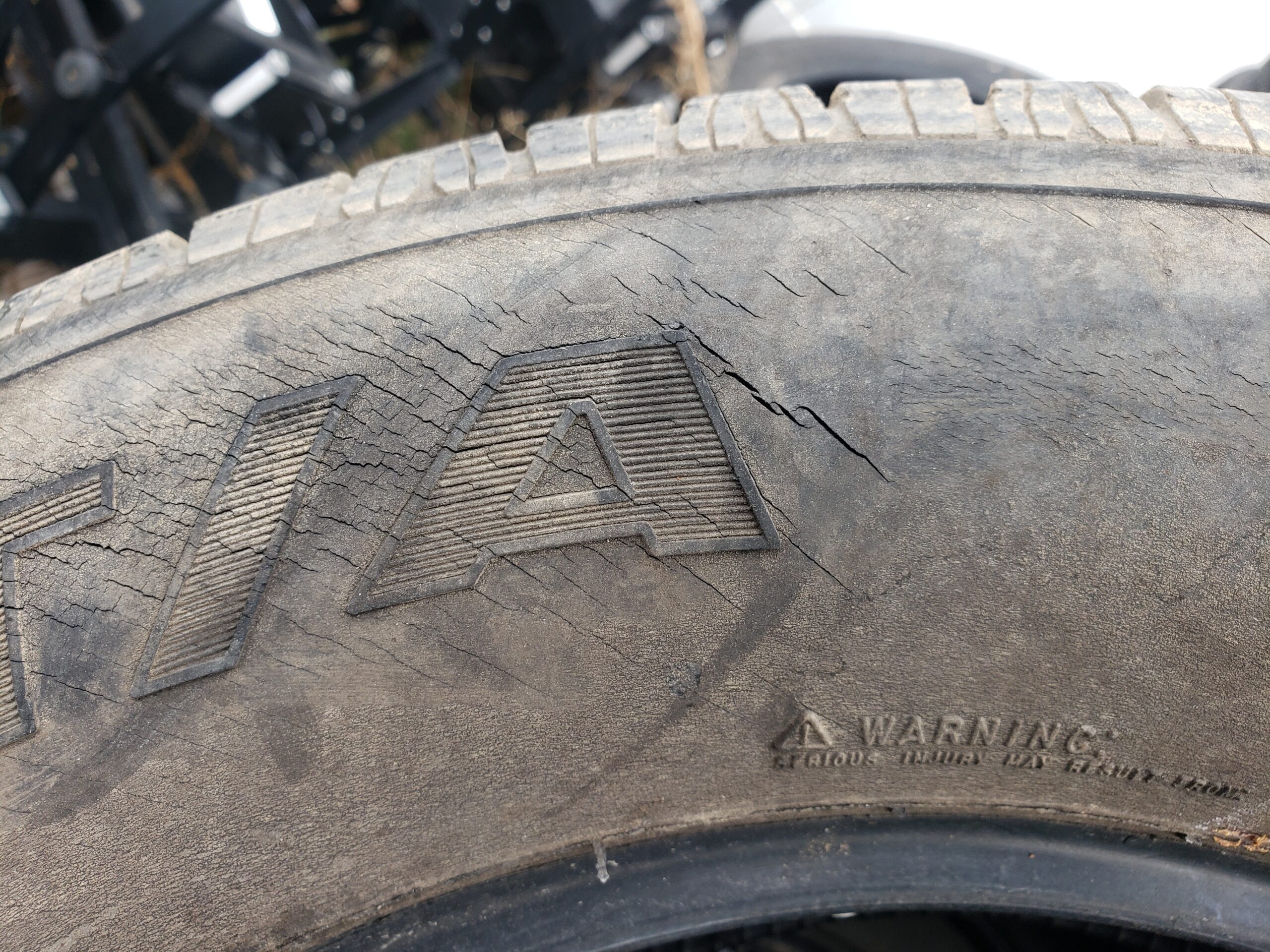
- Tiny cracks on the sidewalls or between treads
- Faded or grayish color (rubber losing its black shine)
- Brittle or stiff feel when you press the surface
- Small pieces of rubber flaking off
- Unusual air loss without visible punctures
If you see one or more of these signs, it’s time to act—even if the tread looks good.
Credit: blog.aguadulcestorage.com
How To Keep Trailer Tires From Dry Rotting
Taking care of trailer tires is not difficult, but it does require some regular habits. Here are the best ways to prevent dry rot:
1. Store Tires Away From Sunlight
Sunlight is one of the biggest enemies of trailer tires. UV rays break down rubber quickly.
- Park your trailer in a garage, carport, or under a tarp.
- If indoor parking isn’t possible, use tire covers to block sunlight.
- Even a simple piece of plywood or cardboard under the tires helps reduce UV exposure from below.
2. Keep Tires Clean And Dry
Dirt, chemicals, and moisture can eat away at rubber over time.
- Wash tires with mild soap and water every few months.
- Avoid harsh cleaners or petroleum-based products.
- Dry the tires completely before storing the trailer.
3. Use Tire Protectants (with Caution)
Some tire sprays claim to stop dry rot, but not all are safe.
- Choose water-based protectants made for rubber (avoid silicone or oil-based).
- Apply a thin layer every 3-6 months for a flexible, protective coat.
- Never use dressings meant for cars unless they’re approved for trailer tires.
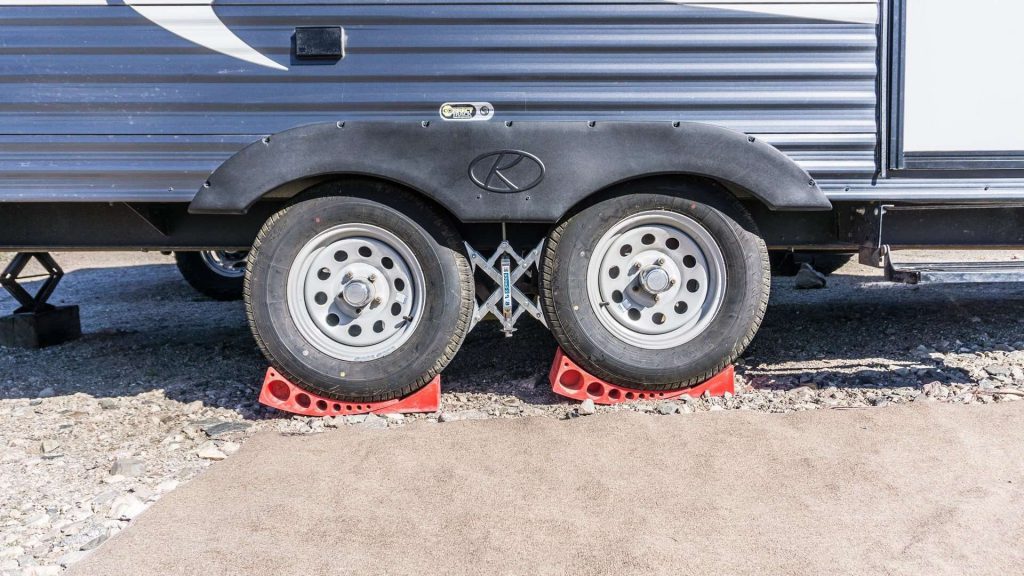
4. Avoid Parking On Dirt Or Grass
Moisture from the ground can seep into tires and speed up dry rot.
- Park on concrete, asphalt, or gravel whenever possible.
- If you must park on dirt, use mats or boards under the tires.
5. Move Your Trailer Regularly
Rubber stays healthier when it flexes and rotates.
- Roll your trailer a few feet every month, even during long storage.
- If possible, take short drives to keep all tires moving.
This simple habit helps spread the tire’s protective oils and prevents flat spots.
6. Check And Adjust Tire Pressure
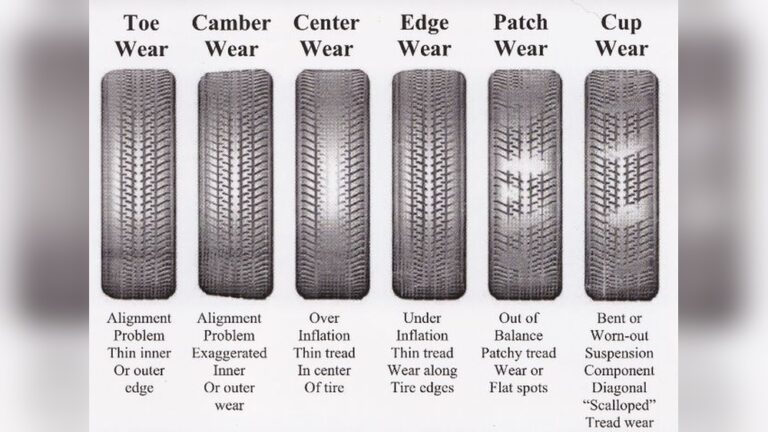
Under-inflated or over-inflated tires age faster.
- Check tire pressure monthly—even when not in use.
- Inflate to the manufacturer’s recommended PSI (printed on the sidewall or trailer sticker).
- Use a high-quality gauge for accuracy.
A common mistake is using the “feel” of the tire or eyeballing it—always use a gauge.
7. Inspect Tires Often
Don’t wait for obvious problems. Inspect all tires for cracks, fading, or bulges every time you use the trailer and at least once a month in storage.
- Look closely at both sidewalls and tread.
- Don’t forget the spare tire—dry rot can ruin it too.
8. Rotate Your Tires
If your trailer has more than two tires, swap their positions every 6-12 months.
- This helps all tires wear evenly.
- Rotation is especially important if your trailer sits for long periods.
9. Replace Old Tires (even If They Look Good)
Most trailer tires should be replaced every 5 to 7 years, even if they have plenty of tread.
- Check the tire’s DOT code for the manufacturing date (last four digits show week and year).
- Never keep tires older than 7 years, even if you see no cracks.
10. Avoid Tire Overloading
Too much weight puts extra stress on trailer tires, making dry rot worse.
- Know your trailer’s gross vehicle weight rating (GVWR).
- Don’t exceed the tire’s load capacity (printed on the sidewall).
Here’s a quick comparison of typical trailer tire lifespans with and without proper care:
| Care Level | Expected Tire Lifespan | Risk of Dry Rot |
|---|---|---|
| Good Care (Stored Indoors, Moved Monthly) | 6-7 years | Low |
| Average Care (Occasional Sun/Movement) | 4-5 years | Medium |
| Poor Care (Constant Sun/No Movement) | 2-3 years | High |
Extra Tips Most People Miss
Many trailer owners do the basics but miss these important points:
- Valve Stems Age Too: Replace valve stems whenever you change tires. Old rubber here can leak and dry rot.
- Check Inside Walls: Sometimes cracks start on the inner sidewall, which is easy to miss. Check both sides.
- Use Trailer-Specific Tires: Passenger car tires are not made for trailer loads. Always use ST (Special Trailer) tires.
- Don’t Cover Wet Tires: If you use covers, make sure the tires are dry first. Trapped moisture can speed up dry rot.
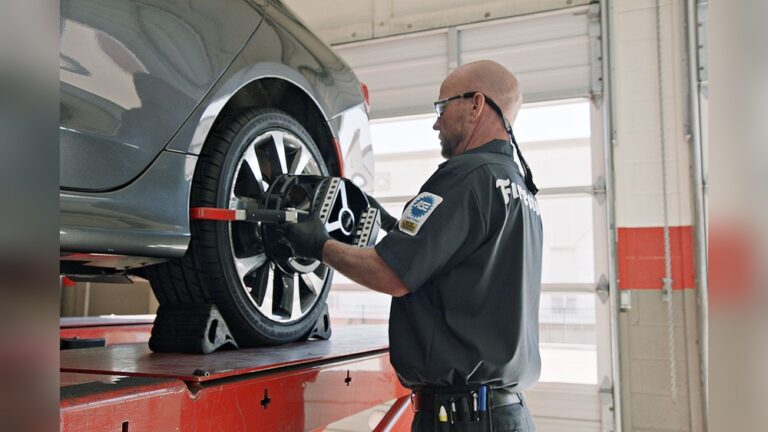
- Balance Tires: Properly balanced tires roll evenly, reducing stress points where cracks start.
Products That Help Prevent Dry Rot
Not all products are created equal. Some help, while others may do more harm.
| Product Type | Recommended Use | Potential Issues |
|---|---|---|
| Tire Covers | Block UV rays, rain, and debris | Can trap moisture if tires aren’t dry |
| Water-Based Protectants | Keep rubber flexible | Must be reapplied regularly |
| Oil/Silicone Dressings | Shiny look | Can attract dirt, damage rubber |
| Parking Mats/Boards | Reduce contact with ground moisture | Must be clean and dry before use |
Why Trailer Tires Dry Rot Faster Than Car Tires
This is a common surprise for new owners. Trailer tires often dry rot more quickly because:
- They sit unused for longer periods.
- They carry heavy loads but travel short distances.
- They may be stored outdoors more often than cars.
Car tires flex and heat up regularly, which helps spread oils through the rubber. Trailer tires rarely get this benefit.
Here’s a quick look at the main differences:
| Tire Type | Typical Use Pattern | Dry Rot Risk |
|---|---|---|
| Car Tires | Daily movement, garage/covered parking | Lower |
| Trailer Tires | Long storage, outdoor exposure | Higher |
When To Replace Tires (even With Preventive Care)
No tire lasts forever. Besides age and visible cracks, replace trailer tires if you notice:
- Deep cracks that reach the fabric or cords inside the tire
- Bulges or bubbles in the sidewall
- Visible steel wires or severe tread separation
If you’re unsure, have a professional inspect your tires. It’s better to replace early than risk a blowout on the road.
Common Myths About Dry Rot
Many trailer owners believe myths that can cost them money or create safety risks:
- “If the tread is good, the tire is safe.” Not true—sidewall cracks can make a tire unsafe even with full tread.
- “Tire dressings always help.” Some dressings actually dry rubber faster—always check if it’s water-based.
- “You can repair dry rot.” No reliable repair exists for dry rot. If cracks are deep, replace the tire.

Credit: www.raceramps.com
Practical Storage Tips For Long-term Trailer Parking
If you store your trailer for months at a time, take these extra steps:
- Elevate the trailer using jack stands to take weight off the tires.
- Loosen the tires from direct contact with concrete or asphalt, which can draw out oils.
- Keep the storage area dry and well-ventilated.
- Remove the tires and store them indoors if possible.
These steps require some effort, but they can double your tire lifespan.
Frequently Asked Questions
How Can I Tell If My Trailer Tires Have Dry Rot?
Look for small cracks on the sidewalls, fading color, and a brittle feel. If you see rubber flaking off or deep cracks, your tires likely have dry rot and should be replaced.
Does Tire Dressing Really Prevent Dry Rot?
Some water-based protectants can help, but many tire dressings (especially oil or silicone-based) do more harm than good. Always use products made for trailer tires and follow the instructions.
How Often Should I Move My Trailer To Prevent Dry Rot?
Moving your trailer every four to six weeks is a good habit. Even rolling it a few feet helps spread protective oils inside the tire.
What Is The Maximum Age For Trailer Tires?
Most experts recommend replacing trailer tires every 5 to 7 years, even if they look fine. Check the manufacturing date on the tire’s sidewall to know its age.
Can I Park My Trailer On Grass For A Few Months?
It’s not ideal. Grass holds moisture, which can speed up dry rot. If you must park on grass, use boards or mats under the tires to block moisture.
For more in-depth information about tire care and dry rot, visit the Wikipedia page on tire dry rot.
Taking a little time to protect your trailer tires pays off in safety and savings. Regular checks, smart storage, and the right products will keep your tires ready for the road—no matter how long your adventures wait.
Credit: www.rvsofamerica.com