When you look at the sidewall of a car tire, you might see a mix of numbers and letters like “205/55R16 98V.” For many drivers, these codes look confusing. But every letter and number gives important information about the tire’s size, strength, and performance. In this article, we’ll focus on the code 98V—what it means, why it matters, and how it affects your driving experience. If you want to make better choices for your car’s safety and handling, understanding tire markings is key.
The Basics Of Tire Markings
Most tires have a string of characters that look like “205/55R16 98V.” Here’s a quick breakdown:
- 205: Tire width in millimeters
- 55: Aspect ratio (height as a percentage of width)
- R: Radial construction
- 16: Rim diameter in inches
- 98V: Load index and speed rating
This article will focus on the 98V part, which is often misunderstood but extremely important.
What Does “98v” Mean?
The 98V code actually contains two pieces of information:
- 98 is the *load index*
- V is the *speed rating*
These two values help you know how much weight the tire can safely carry and the maximum speed it’s designed for. Using the wrong combination can affect safety, performance, and even insurance coverage.
Breaking Down The Load Index (98)
The load index is a number that tells you the maximum weight a single tire can support when inflated properly. It’s not the actual weight, but a code you need to look up.
For example:
- 98 on the load index means the tire can carry up to 750 kg (1653 lbs).
Manufacturers set these limits based on laboratory tests. The higher the number, the more weight the tire can handle. Choosing a tire with a lower load index than recommended can lead to blowouts or rapid tire wear.
Understanding The Speed Rating (v)
The speed rating is a letter that shows the *maximum speed* the tire can safely handle for extended periods. Each letter matches a specific speed.
- V means the tire can safely go up to 240 km/h (149 mph).
But remember, this doesn’t mean you should drive that fast! The rating is about the tire’s construction and heat resistance at high speeds.
Why The 98v Rating Is Important
Many drivers think any tire that fits their car’s rim will work. That’s not true. Using a tire with the wrong load index or speed rating can cause several problems:
- Reduced handling and braking performance
- Risk of tire failure
- Possible insurance issues in case of a crash
- Legal problems in countries where matching tire ratings is required
Car manufacturers recommend load and speed ratings based on the car’s weight, power, and intended use.
How To Find The Right Tire Ratings For Your Car
Your car’s manual or a sticker inside the driver’s door will list the correct tire size and ratings. Always match or exceed both the load index and speed rating. For example, if your car requires a 98V tire, do not choose a 95H tire (lower load and speed).
If you use a tire with a higher load index or speed rating, that’s fine—but never go lower.

Credit: www.ebay.com
Load Index: A Closer Look
Let’s dive deeper into load index and what different numbers mean for your vehicle.
| Load Index | Max Load (kg) | Max Load (lbs) |
|---|---|---|
| 91 | 615 | 1356 |
| 94 | 670 | 1477 |
| 98 | 750 | 1653 |
| 100 | 800 | 1764 |
Notice how the weight goes up with the load index. A 98 rating is common for mid-size cars, crossovers, and some SUVs.
Two Insights Beginners Miss
- Load index is per tire: If your car has four tires, multiply the load per tire by four to get your car’s total safe weight support.
- Tire pressure matters: The load index assumes the tire is inflated to the correct pressure. Under-inflation can reduce load capacity, even if the load index is high.
Speed Rating: What Each Letter Means
Each letter stands for a certain maximum speed. Here are some common speed ratings:
| Speed Rating | Max Speed (km/h) | Max Speed (mph) | Typical Use |
|---|---|---|---|
| H | 210 | 130 | Family sedans |
| V | 240 | 149 | Sport sedans, some SUVs |
| W | 270 | 168 | Performance cars |
| Y | 300 | 186 | High-performance cars |
A V rating is suitable for most sporty cars and higher-end sedans, offering a balance between speed and durability.

Credit: thelandautorepair.com
Real-world Example: What Happens If You Use The Wrong Tire?
Suppose your car manual says to use 98V tires, but you choose 94H tires instead. Here’s what can happen:
- Lower load index (94 vs. 98): The tires can’t safely carry the car’s weight, especially with passengers or cargo. This increases the risk of a blowout.
- Lower speed rating (H vs. V): The tires can overheat at highway speeds, leading to faster wear or failure.
Insurance companies may refuse to pay if they find out you used tires below the recommended ratings after an accident.
How To Read The Entire Tire Code
Let’s Break Down A Typical Tire Code: 225/45r17 98v
- 225: Tire width in mm (225 mm)
- 45: Aspect ratio (height is 45% of width)
- R: Radial construction
- 17: Rim diameter in inches (17”)
- 98: Load index (750 kg per tire)
- V: Speed rating (up to 240 km/h)
This full code helps you match the exact size and performance requirements for your vehicle.
Other Key Tire Markings To Know
While 98V is crucial, other sidewall markings also matter:
- DOT code: Shows the tire’s compliance and manufacturing date.
- M+S: Stands for mud and snow, for all-season tires.
- Treadwear, traction, temperature grades: Show durability and safety features.
If you’re ever unsure, ask a tire professional or check your owner’s manual.
Common Mistakes When Choosing Tires
Many drivers make these errors:
- Ignoring load or speed ratings: Focusing only on size can lead to unsafe choices.
- Mixing ratings on the same car: All four tires should match or exceed the required ratings.
- Not checking tire pressure: Even the best tire is unsafe if it’s underinflated.
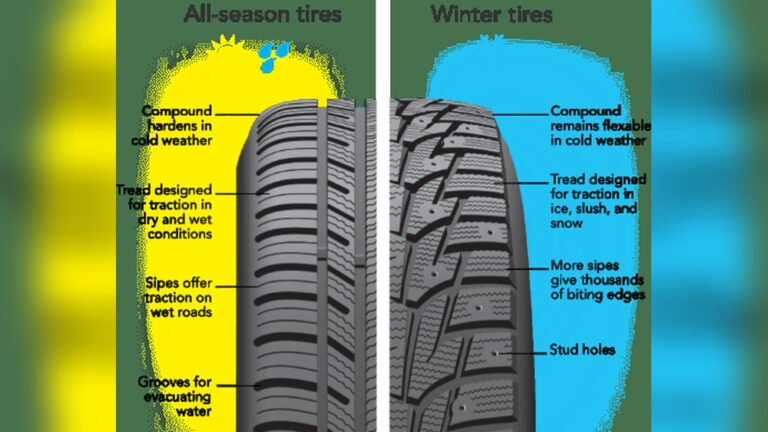
- Using winter tires in summer: Some winter tires have lower speed ratings.
- Overloading the car: Carrying more weight than tires allow, especially during trips.
Avoiding these mistakes keeps you safer and can save money in the long run.
How 98v Affects Performance And Safety
Handling And Braking
A 98V tire is built for heavier loads and higher speeds. This means:
- Better handling, especially when the car is full
- Shorter braking distances at high speeds
- Less risk of tire overheating
Comfort And Noise
Heavier-duty tires can be slightly firmer. But modern 98V tires often use advanced rubber and design to keep rides smooth and quiet.
Longevity
A higher load index tire can last longer if you often drive with passengers or cargo. But always check the treadwear rating as well.
Comparing 98v To Other Ratings
Let’s see how 98V compares to a few other common ratings for family cars:
| Tire Code | Load Index | Speed Rating | Max Load (kg) | Max Speed (km/h) |
|---|---|---|---|---|
| 94H | 94 | H | 670 | 210 |
| 98V | 98 | V | 750 | 240 |
| 100W | 100 | W | 800 | 270 |
A 98V tire gives a good balance: higher load than basic tires, fast enough for most real-world driving, and widely available.
Should You Upgrade To A Higher Load Or Speed Rating?
Sometimes, drivers want to “upgrade” to higher ratings, such as 100W instead of 98V. This can offer some extra safety margin, especially if you drive fast or carry heavy loads. But it’s not always necessary. The main thing is to never go below what your car needs.
Also, higher ratings can mean firmer rides or higher cost. Balance your needs with your budget.
Tire Care Tips For 98v Tires
- Check tire pressure at least once a month
- Rotate tires every 8,000-10,000 km
- Inspect for damage after hitting curbs or potholes
- Replace tires before they reach the treadwear limit
These habits help you get the most from your investment and keep your car safe.
When To Replace A 98v Tire
Replace your tires if:
- Tread is below 1.6 mm (2/32 inch)
- Sidewall is cracked or damaged
- There’s a bubble or bulge
- Tire is older than 6 years, even if it looks good
A tire with a perfect 98V rating is useless if it’s old or damaged.
Where To Learn More
For more details on tire ratings, the Wikipedia Tire Code page is a solid resource for deeper technical information.

Credit: www.reddit.com
Frequently Asked Questions
What Happens If I Use A Lower Load Index Than 98?
If you use a tire with a lower load index, it may not be able to safely carry your car’s weight. This can lead to heat buildup, tire failure, and dangerous blowouts, especially when the vehicle is full or driving at high speed.
Can I Use A Higher Speed Rating Than V?
Yes, you can use a tire with a higher speed rating (like W or Y) than V. This gives an extra safety margin, but may cost more. Make sure the load index also matches or exceeds your car’s requirement.
Is 98v Good For Suvs?
A 98V tire is suitable for many crossover SUVs and larger cars. But always check your vehicle’s manual. Some larger SUVs or trucks may require higher load indexes, like 104 or above.
How Do I Find Out My Car’s Required Tire Ratings?
Look for a sticker on the driver’s door frame or check your owner’s manual. It will list the correct size, load index, and speed rating for your vehicle. Tire shops can also help you check.
Does Tire Age Affect The 98v Rating?
Yes, tire age matters. Rubber breaks down over time, even if the tread looks fine. Most experts recommend replacing tires every 6 years, regardless of the 98V rating or tread depth.
Making sense of the 98V code helps you choose safer, better-performing tires for your car. Take a few minutes to check your tire ratings—it’s a simple step that can make a big difference on the road.