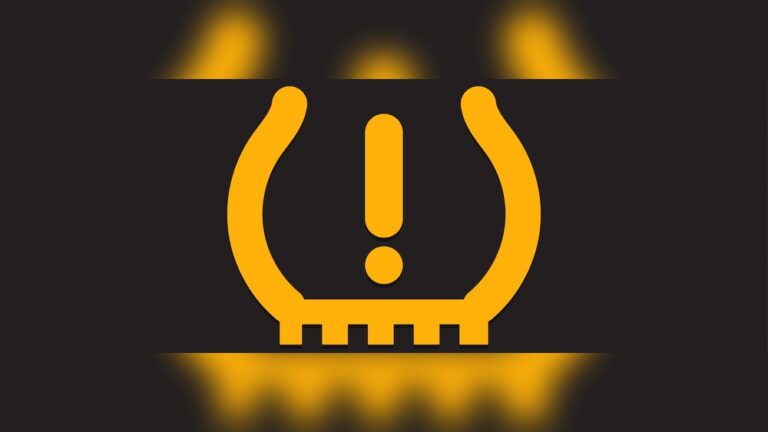
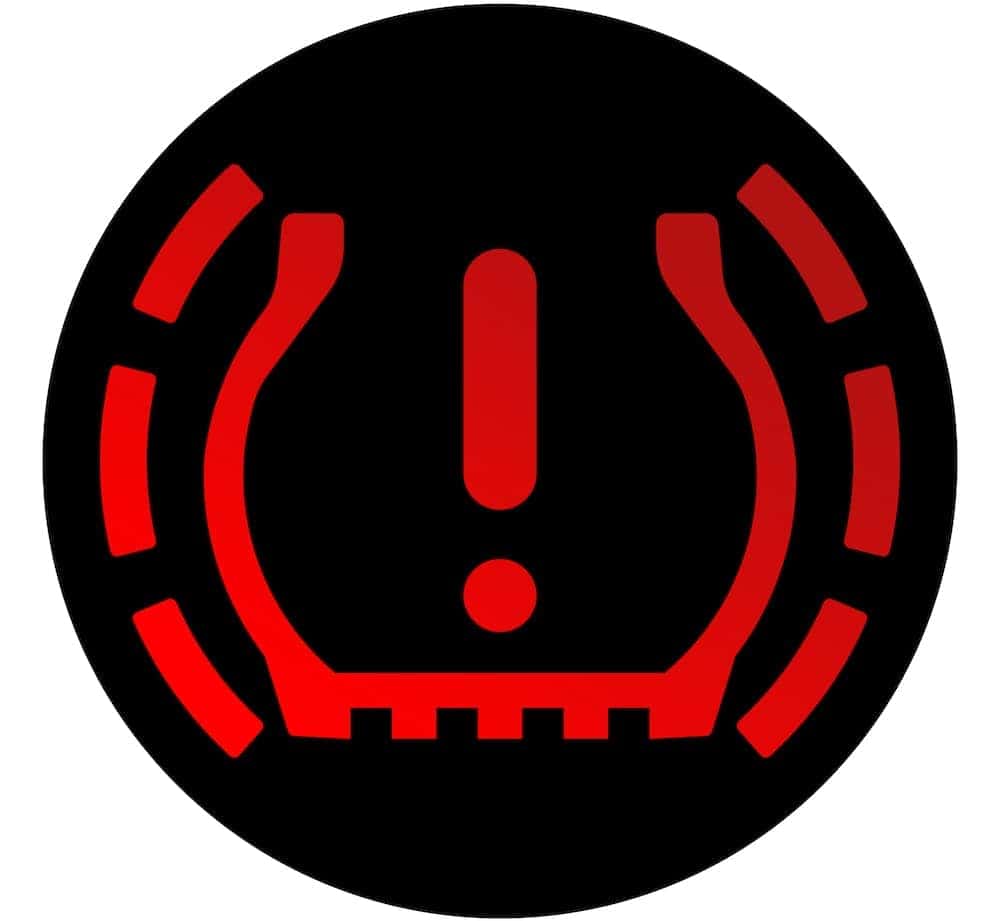
If you’ve ever seen the tire pressure warning light come on in your Chevy, you know it can be worrying. Maybe you just filled up your tires, but the light stays on. Or perhaps you swapped out your wheels and now the sensor is confused. This small dashboard light can cause big headaches if you don’t know what to do. The good news: resetting your tire pressure sensor is often simple, and you don’t always need a mechanic. This guide walks you through the process, explains why it matters, and shares expert tips to make sure your sensor works correctly.
Why Tire Pressure Sensors Matter In Your Chevy
Modern Chevy vehicles use the Tire Pressure Monitoring System (TPMS) to keep you safe. When a tire loses air, the sensor sends a warning. Low tire pressure can cause poor handling, lower fuel economy, and even dangerous blowouts. In fact, the National Highway Traffic Safety Administration (NHTSA) says that properly inflated tires can prevent thousands of accidents each year. The TPMS light isn’t just a suggestion—it’s a key safety feature.
Common Reasons The Tire Pressure Sensor Needs Resetting
You might wonder why the sensor needs a reset if you’ve already fixed your tire pressure. Here are the most common reasons:
- Seasonal temperature changes: Cold weather can lower tire pressure overnight, triggering the light even after you refill.
- Tire rotation or replacement: Swapping tires can confuse the system, especially if the sensors move to different positions.
- Changing wheels or sensors: New wheels or aftermarket sensors need to be synced with your vehicle.
- Battery disconnect: If you disconnect your battery, the system may lose calibration.
- Sensor malfunction: Sometimes the sensor itself fails and sends a false warning.
Understanding the cause helps you pick the right reset method and avoid unnecessary trips to the shop.

Credit: www.lemanchevy.com
How The Chevy Tire Pressure Monitoring System Works
Chevy’s TPMS uses wireless sensors inside each tire. These sensors measure pressure and send a radio signal to your car’s computer. If one or more tires drop below the recommended pressure, the system triggers the warning light. Some Chevys also show individual tire pressures on the dashboard, while others just display a warning icon.
There are two main types of TPMS:
- Direct TPMS: Sensors inside the tire measure actual pressure.
- Indirect TPMS: Uses the car’s ABS system to guess tire pressure from wheel speed.
Most recent Chevys use direct TPMS, which is more accurate but sometimes needs manual resetting.
Preparing To Reset The Tire Pressure Sensor
Before you try to reset the sensor, make sure your tires are properly inflated. This step is often missed, but it’s crucial.
- Check the recommended pressure: Find the sticker inside your driver’s door or your owner’s manual. It usually lists the correct PSI (pounds per square inch).
- Use a reliable tire gauge: Don’t trust gas station gauges blindly—many are inaccurate.
- Inflate all tires (including the spare, if equipped): Some Chevys monitor the spare tire, too.
- Double-check after 30 minutes: Air can settle, so recheck to make sure you’re at the right pressure.
If any tire is under- or over-inflated, fix it first. Resetting the sensor without fixing pressure is a common beginner mistake.
Methods To Reset Tire Pressure Sensor On Chevy
There are several ways to reset the tire pressure sensor. The steps vary by Chevy model and year, but these methods cover most cars and trucks.
1. The Standard “relearn” Button Method
Many Chevys have a TPMS reset button or a “relearn” procedure in the menu.
- Turn the key to the “On” position (engine off).
- Press and hold the TPMS reset button (sometimes under the steering wheel) until the TPMS light blinks three times.
- Release the button and start the engine.
- Wait 20 minutes for the system to refresh.
If you can’t find the button, check your manual or use the dashboard menu to find the TPMS settings.
2. Inflate, Deflate, And Re-inflate Method
For some older Chevys, you can trigger the sensors manually.
- Turn the key to “On,” but don’t start the engine.
- Press and hold the lock and unlock buttons on your key fob until the horn honks twice.
- Starting with the front left tire, let out air until the horn honks (about 10 seconds).
- Repeat for each tire in this order: Front left, front right, rear right, rear left.
- After the last tire, the horn will honk twice.
- Re-inflate all tires to the recommended pressure.
This forces the car to “learn” the position of each sensor.
3. Using The Driver Information Center (dic)
If your Chevy has a Driver Information Center (a display on the dashboard), you can reset the sensor through the menu.
- Use the arrow buttons on the steering wheel to find the “Tire Pressure” or “TPMS” menu.
- Select “Relearn Tire Positions.”
- Follow on-screen instructions (usually involves holding the lock/unlock button or using a tool on each valve stem).
- The DIC will confirm once the process is complete.
4. Manual Sensor Reset With A Tpms Tool
A TPMS reset tool is a special device that activates each sensor. Tire shops use these, but you can buy one online.
- Set your car to “relearn” mode (often by holding lock/unlock or using the DIC).
- Place the tool against the tire sidewall near the valve stem.
- Press the tool’s button until the horn honks or the light blinks.
- Repeat for all four tires.
- Exit “relearn” mode as instructed in your manual.
This method is very reliable and works even if you’ve changed sensors.
5. Automatic Reset (drive Cycle)
Some Chevys automatically reset the sensor after driving.
- Inflate all tires to the correct pressure.
- Drive at 15 mph or higher for about 10 minutes.
- The TPMS light should turn off.
If the light stays on, try a manual reset.
Chevy Tire Pressure Sensor Reset Methods Comparison
Here’s a quick comparison of the most common reset methods:
| Method | Equipment Needed | Time Required | Success Rate |
|---|---|---|---|
| Relearn Button/Menu | None | 5-10 min | High |
| Inflate/Deflate Sequence | Tire gauge | 10-20 min | Medium |
| DIC Menu | None | 5-10 min | High |
| TPMS Tool | Reset Tool | 10-15 min | Very High |
| Automatic Drive Cycle | None | 10-20 min | Medium |
Troubleshooting: When The Tpms Light Won’t Go Off
Sometimes the light won’t reset, even after following all steps. Here’s what to do:
- Check for a damaged sensor: If the sensor battery dies or is broken, the system can’t get a signal.
- Scan for error codes: An OBD2 scanner can tell you if there’s a communication problem.
- Look for electrical issues: Corroded connectors or a blown fuse can stop the system from working.
- Double-check spare tire: Some Chevys include the spare in the TPMS system.
If you can’t solve the problem, a dealer or tire shop can test the sensors and replace them if needed.
Tips And Insights Most People Miss
Resetting the sensor is not just about turning off a light. Here are two expert insights:
- Always reset after tire rotation: If you rotate your tires and skip the reset, the dashboard may show the wrong tire as low. This could lead to fixing the wrong tire in an emergency.
- Buy quality sensors if replacing: Cheap aftermarket sensors often have short battery life or poor signal. Factory sensors last 5-10 years.
Also, some Chevys need a special relearn sequence if you change from summer to winter wheels. Skipping this can confuse the system and cause false warnings all winter.
What To Do If You Replace A Sensor Or Wheel
If you replace a tire, wheel, or sensor, you must sync it to your Chevy’s computer. Here’s how:
- Install the new sensor or wheel.
- Use the TPMS reset tool or “relearn” procedure for your specific model.
- Make sure the light turns off after driving.
If you’re unsure, ask your tire shop to do the sensor sync for you.
Data: Tpms Problems And Maintenance Frequency
How common are TPMS issues? Recent studies show:
| Problem | Percentage of Chevy Owners Affected | Average Repair Cost (USD) |
|---|---|---|
| False TPMS Warning | 20% | $0-$50 |
| Sensor Battery Failure | 18% | $60-$120 per sensor |
| Sensor Replacement after 5 Years | 35% | $250-$400 for all four |
| System Relearn Needed | 30% | $0 (DIY) / $30-$80 (shop) |
This shows why it’s useful to learn the DIY methods—most problems are simple and inexpensive to fix.
Credit: www.lemanchevy.com
How To Avoid Tpms Problems In The Future
You can prevent most issues with regular care:
- Check tire pressure monthly—not just when the light comes on.
- Service sensors every tire change—ask the shop to test the battery.
- Keep valve stems clean—dirt can block the signal.
- Avoid aftermarket wheels without TPMS support.
- Store your car properly in cold weather—extreme cold triggers false warnings.
Most importantly, don’t ignore the TPMS light. It’s there for your safety.
Table: Chevy Tpms Features By Model Year
To help you understand which reset methods work for your Chevy, here’s a summary:
| Model Year | TPMS Type | Reset Method | Dashboard Info |
|---|---|---|---|
| 2007-2013 | Direct (sensor in tire) | Inflate/deflate or tool | Warning light only |
| 2014-2018 | Direct | DIC or tool | Individual tire pressures |
| 2019-present | Direct | Auto reset, DIC, or tool | Pressures & position |
Check your manual for the exact method if you’re unsure.
When To See A Professional
If you’ve tried all the steps and the light won’t turn off, or if your car gives a “Service Tire Monitor System” message, it’s time for help. A certified Chevy technician has advanced tools to:
- Test each sensor’s battery and signal
- Scan your car’s computer for hidden errors
- Replace faulty sensors
This is rare, but sometimes necessary—especially with older cars or after an accident.
Frequently Asked Questions
Can I Drive My Chevy With The Tpms Light On?
You can drive, but it’s not safe. The light means at least one tire is under-inflated or the system isn’t working. Low pressure can cause a blowout or poor handling.
Do I Need To Reset The Sensor After Every Tire Change?
Yes. Whenever you change, rotate, or repair a tire, you should reset the sensor so the system knows each tire’s position.
How Long Do Chevy Tire Pressure Sensors Last?
Most original sensors last 5 to 10 years. The battery is sealed inside and can’t be replaced, so you’ll need a new sensor when it fails.
Can I Replace A Chevy Tpms Sensor Myself?
Yes, if you have the right tools and experience. You’ll need a tire machine to remove the tire and a TPMS reset tool to program the sensor. Most people let a shop handle it.
Where Can I Find More Information About Tpms?
For more technical details, visit the official Wikipedia TPMS page.
Resetting your tire pressure sensor on a Chevy is easier than you might think, and doing it yourself can save time and money. By following these steps, you’ll keep your car safe and avoid unnecessary stress every time the weather changes or you swap your wheels. Remember, the TPMS light is there to protect you—don’t ignore it, and you’ll enjoy many safe miles ahead.

Credit: www.youtube.com