Checking tire pressure on your Volkswagen Tiguan 2024 is more important than most drivers realize. Good tire pressure helps you drive safely, save fuel, and avoid expensive repairs. Many people forget about tires, but they are the only part of your car touching the road. If you drive a Tiguan, learning how to check tire pressure can make your car last longer and give you a smoother ride. This article will guide you step by step, explain common mistakes, and provide expert tips so even beginners can feel confident.
Why Tire Pressure Matters For Volkswagen Tiguan 2024
Your Tiguan’s tires might look fine, but looks can be deceiving. The right pressure improves handling, braking, and fuel economy. For the 2024 model, Volkswagen recommends a specific tire pressure based on the type of tire and vehicle load. If your tires are under-inflated, they can wear out faster, use more fuel, and may even be dangerous.
Over-inflated tires can make your ride uncomfortable and reduce traction.
According to the National Highway Traffic Safety Administration, nearly 1 out of 4 cars on the road has at least one tire that is under-inflated. This increases the risk of accidents and can cost you money in repairs and fuel.
Recommended Tire Pressure For Volkswagen Tiguan 2024
Not all Tiguan models use the same tires. Tire pressure depends on the tire size and whether your car is fully loaded or not. You can find this information in three places:
- Driver’s door jamb: Look for a sticker when you open your driver-side door.
- Owner’s manual: Volkswagen gives exact numbers for each model.
- Inside the fuel door: Some Tiguans have a sticker here as well.
Most 2024 Tiguan models recommend 36 PSI (pounds per square inch) for all four tires, but this can change if you carry extra passengers or heavy cargo. For example:
| Tire Size | Front PSI | Rear PSI | Load Condition |
|---|---|---|---|
| 215/65 R17 | 36 | 36 | Normal |
| 235/55 R18 | 36 | 36 | Normal |
| 235/50 R19 | 38 | 38 | Heavy Load |
If you drive with four or five passengers, or carry luggage, check the manual for the best pressure. This small step prevents uneven wear and keeps your car running smoothly.

Credit: www.youtube.com
Tools Needed To Check Tire Pressure
Before you start, gather the right tools. Using poor tools is a common mistake that leads to wrong readings. For your Tiguan, you’ll need:
- Digital tire pressure gauge: Accurate and easy to read.
- Analog gauge: Old but reliable.
- Air compressor or pump: For adding air if needed.
- Tire inflator with gauge: Combines checking and filling.
Many gas stations have free air pumps, but their gauges can be inaccurate. Investing in a digital tire gauge is smart, as it costs around $10–$20 and lasts for years.
| Gauge Type | Accuracy | Ease of Use | Price Range |
|---|---|---|---|
| Digital | High | Easy | $10-$20 |
| Analog | Medium | Moderate | $5-$15 |
| Built-in (at gas stations) | Low | Easy | Free |
Step-by-step Guide: How To Check Tire Pressure
Checking tire pressure is simple, but doing it right is important. Follow these steps for best results:
1. Park Your Tiguan On A Flat Surface
Always check tire pressure when your car is parked on level ground. Uneven surfaces can give false readings. Also, wait until the tires are cold. If you drive for 30 minutes or more, the tires heat up, and the pressure rises. For the most accurate result, check pressure in the morning or after your car has been parked for a few hours.
2. Find The Recommended Pressure
Read the sticker on the door jamb, your manual, or inside the fuel door. Write down the numbers for front and rear tires.
3. Remove The Valve Cap
Each tire has a small cap on the valve stem. Unscrew it and keep it safe. Losing these caps is common, but they protect the valve from dirt and moisture.
4. Attach The Tire Pressure Gauge
Press the gauge onto the valve stem firmly. You should hear a brief hiss. Hold it steady until the reading appears. For digital gauges, the number is shown instantly. For analog, read the dial.
5. Read The Pressure
Compare the number on your gauge to Volkswagen’s recommended PSI. If it matches, your tire is perfect. If not, you need to add or release air.
6. Adjust Tire Pressure
If the tire is low, use an air compressor to add air. If it’s too high, press the valve to let air out gently. Recheck the pressure to make sure it’s correct.
7. Replace The Valve Cap
After you finish, screw the cap back on. This small step is often forgotten but helps keep the valve clean.
8. Repeat For All Tires
Check all four tires. Don’t forget the spare tire, especially if you plan a long trip.
Using The Tire Pressure Monitoring System (tpms)
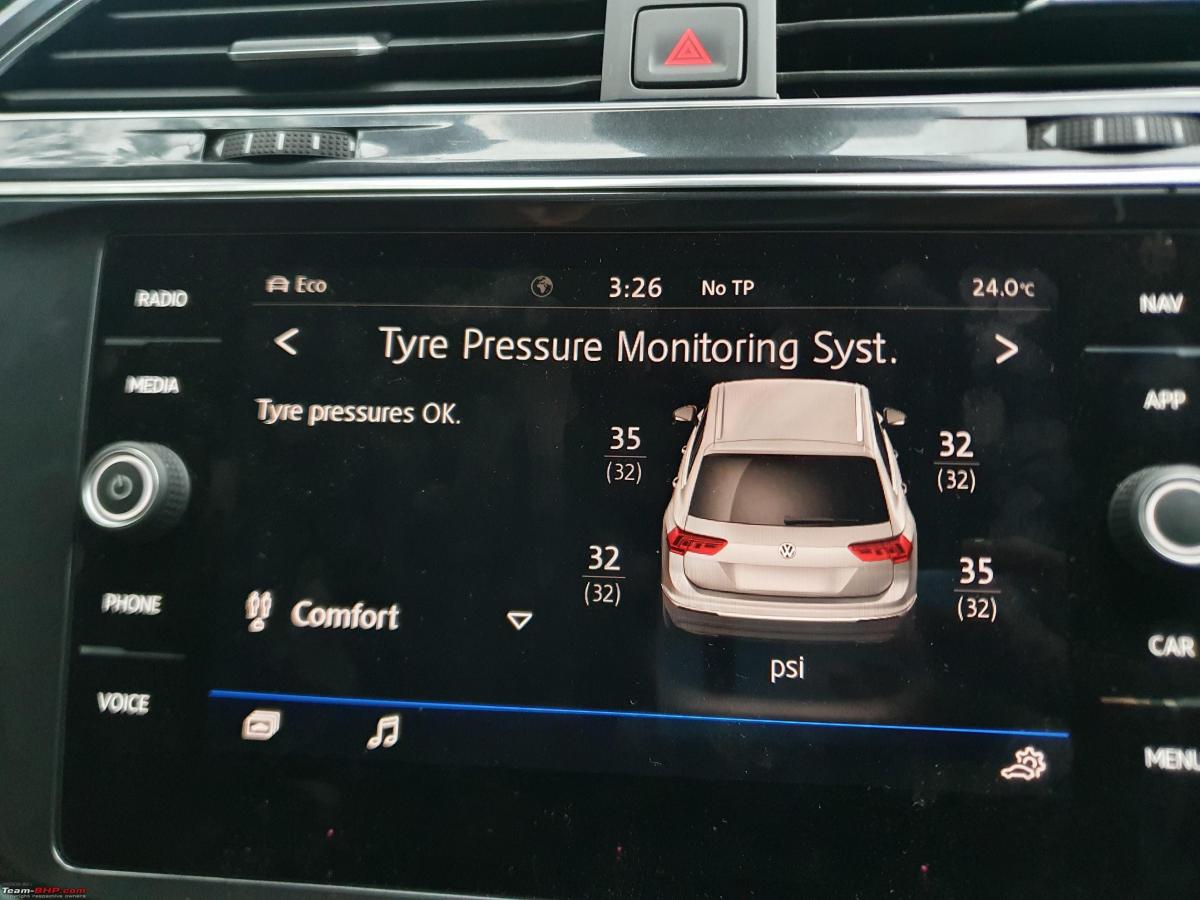
The 2024 Tiguan has a TPMS that alerts you if tire pressure drops. This system shows a warning light on your dashboard. However, TPMS only warns when pressure is very low. It doesn’t tell you the exact PSI. Some drivers think they can skip manual checks because of TPMS, but that’s a mistake.
- TPMS is useful but not always accurate.
- Manual checks give you precise numbers.
- TPMS may not warn about slow leaks or small pressure changes.
If the TPMS light comes on, check all tires immediately. Fix the issue before driving far.
Common Mistakes When Checking Tire Pressure
Many Tiguan owners make simple errors that can lead to problems later. Avoid these mistakes:
- Checking hot tires: Pressure rises when tires heat up, giving false readings.
- Using cheap or damaged gauges: Inaccurate tools can mislead you.
- Forgetting the spare tire: The spare can be flat, making emergencies worse.
- Ignoring pressure differences for front and rear tires: Some Tiguans need different PSI for front and rear.
- Failing to replace valve caps: Dirt can damage the valve and cause leaks.
Even experienced drivers sometimes miss these points. Doing it right takes only a few extra minutes.
How Often Should You Check Tire Pressure?
Volkswagen recommends checking tire pressure at least once a month. You should also check:
- Before long trips
- After big temperature changes
- If your TPMS light comes on
- After hitting a curb or pothole
Cold weather can drop tire pressure quickly. Experts say that for every 10°F drop in temperature, tires lose about 1 PSI. Summer heat can raise pressure, so always check during season changes.
What If Tire Pressure Is Too Low Or Too High?
Low tire pressure can cause:
- Poor handling
- Increased tire wear
- Higher fuel consumption
- Dangerous blowouts
High tire pressure can cause:
- Rough ride
- Less traction
- Faster tire wear in the center
If you find your tires are not at the recommended PSI, fix it immediately. Small changes in pressure can have big effects, especially if you drive fast or carry heavy loads.

Credit: www.youtube.com
How Temperature Affects Tire Pressure
Many drivers don’t realize that temperature changes affect tire pressure. In winter, air contracts, and tires lose pressure. In summer, air expands, and pressure rises. For the Tiguan 2024, always check pressure when the tires are cold. If you adjust pressure during extreme heat or cold, recheck later to make sure it’s still correct.
| Temperature Change | PSI Change | Season |
|---|---|---|
| +20°F | +2 PSI | Summer |
| -20°F | -2 PSI | Winter |
Always check tire pressure after sudden weather changes.
Expert Tips For Tiguan Owners
- Buy a quality digital gauge: Cheap gauges often give wrong readings.
- Check pressure when tires are cold: This avoids false numbers.
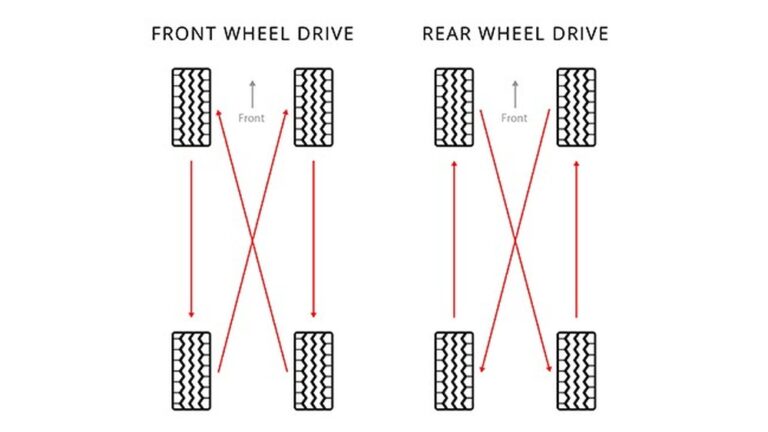
- Rotate tires regularly: This keeps wear even and extends tire life.
- Inspect for nails or cracks: Sometimes tires lose air slowly from small damage.
- Don’t rely only on TPMS: Manual checks are more accurate.
- Record readings monthly: Keeping a log helps spot slow leaks early.
Many drivers ignore slow leaks until it’s too late. By keeping a simple record, you can catch problems before they get serious.
Credit: www.team-bhp.com
How To Add Air To Your Tiguan’s Tires
If your tires are low, adding air is simple. Here’s how:
- Go to a gas station or use a home compressor.
- Remove the valve cap.
- Attach the air hose securely.
- Add air in short bursts.
- Check pressure after each burst.
- Stop when you reach the recommended PSI.
Never over-inflate. If you add too much air, let some out and recheck.
When To Replace Your Tires
Even if you check pressure often, tires wear out over time. Most Tiguan tires last 40,000–60,000 miles if cared for well. Signs you need new tires include:
- Tread depth less than 2/32 inch
- Visible cracks or bulges
- Frequent loss of pressure
- Uneven wear patterns
If you notice any of these, replace your tires for safety.
Additional Resources For Tire Safety
For more information, visit the National Highway Traffic Safety Administration. Their site provides data, tips, and news on tire safety for all vehicles, including Volkswagen Tiguan.
Frequently Asked Questions
How Do I Find The Correct Tire Pressure For My Tiguan?
Check the sticker on the driver’s door jamb, your owner’s manual, or inside the fuel door. Most 2024 Tiguan models use 36 PSI, but check your specific model.
Can I Rely Only On The Tpms System?
No. The TPMS warns only when pressure is very low. Manual checks give more accurate readings and help you catch small leaks early.
What Happens If I Drive With The Wrong Tire Pressure?
Wrong pressure can cause poor handling, faster tire wear, higher fuel use, and even dangerous blowouts. Always keep tires at the recommended PSI.
How Often Should I Check Tire Pressure?
Check at least once a month, before long trips, after temperature changes, or if your TPMS light comes on.
Do I Need To Check The Spare Tire?
Yes. Many people forget the spare, but it can be flat when you need it most. Check it monthly, just like your other tires.
Taking care of your Tiguan’s tires doesn’t take much time, but it makes a big difference. Knowing how to check tire pressure, understanding your car’s needs, and avoiding common mistakes will help you drive safely and save money. Start today, and make tire checks part of your routine.