Primewell Tires have become a familiar name for many drivers looking for affordable tire options. But behind the brand, there is a story of global manufacturing, corporate connections, and quality standards. If you have ever wondered who manufactures Primewell tires, how they are produced, or what makes them different, you are not alone.
This guide will answer your questions, share key insights, and help you understand the world behind Primewell.
The Company Behind Primewell Tires
Primewell tires are manufactured by Giti Tire, a multinational company based in Singapore. Founded in 1951, Giti Tire has grown into one of the world’s largest tire producers. The company operates eight manufacturing facilities and sells products in over 130 countries. Primewell is one of Giti Tire’s leading brands, especially for budget-conscious drivers.
Giti Tire focuses on producing tires for passenger cars, SUVs, vans, and trucks. Besides Primewell, Giti also makes other brands like GT Radial, Runway, and its namesake Giti. The company has invested heavily in research and development to improve tire safety, durability, and performance. Their global presence helps them produce tires that meet different road and climate conditions.
Where Are Primewell Tires Made?
Primewell tires are made in several locations around the world. Giti Tire has factories in:
- China
- Indonesia
- United States
- Singapore
Most Primewell tires sold in North America come from Giti’s plants in China and Indonesia. Giti Tire opened a large facility in South Carolina, USA, in 2017 to serve the American market. This plant produces some Primewell tires, especially for vehicles sold in the US.
Manufacturing locations depend on the tire size, model, and market. To check where your Primewell tire was made, you can look at the sidewall for the manufacturing code. This code tells you the factory location and the week/year of production.
Primewell’s Parent Company: Giti Tire Explained
Giti Tire is more than just a tire maker. The company has over 35,000 employees and is ranked among the top 10 tire manufacturers worldwide. Giti’s annual revenue exceeds $3 billion, and they produce more than 50 million tires each year.
Giti Tire’s main headquarters is in Singapore, but their largest manufacturing sites are in China and Indonesia. The company’s American headquarters is in Rancho Cucamonga, California. Giti works with many distributors and retailers, including major chains like Firestone, Discount Tire, and Walmart.
Primewell is positioned as a value brand by Giti Tire. The company aims to offer reliable tires at affordable prices. This strategy targets drivers who need good performance but do not want to pay premium prices.
How Primewell Tires Are Manufactured
The process of making Primewell tires involves several stages:
- Material Selection: Giti Tire uses a mix of rubber, steel, and synthetic compounds to create the tire structure. Quality control starts with raw materials.
- Design and Engineering: Engineers design tread patterns and sidewall structures for different driving needs. Primewell tires often feature all-season designs for versatility.
- Building: Workers and machines build the tire layer by layer. This includes inner liners, belts, beads, and tread.
- Curing and Vulcanizing: The tires are heated under pressure to bond materials and give the final shape.
- Testing: Each tire is checked for balance, durability, and safety. Giti Tire uses both automated machines and human inspectors.
- Distribution: Finished tires are shipped to distributors and retailers around the world.
Giti Tire follows international standards for safety and quality, including ISO 9001 and ISO/TS 16949 certifications. The company also invests in new technology to improve tire performance.
Primewell Tire Models And Their Features
Primewell offers several tire models for different vehicles. Some of the popular models include:
- Primewell PS860: Designed for passenger cars, offers a smooth ride and basic all-season performance.
- Primewell Valera Touring II: Focused on comfort, long tread life, and good wet traction.
- Primewell Valera AT: Made for light trucks and SUVs, provides off-road ability and durability.
- Primewell CUV: Designed for crossover vehicles, balances performance and safety.
Each model is engineered for specific needs. For example, the Valera Touring II uses a silica compound for better grip on wet roads. The Valera AT has reinforced sidewalls for tougher conditions.
Comparing Primewell To Other Tire Brands
Primewell is often compared to other budget brands and some mid-range options. Here is a look at how Primewell stacks up against a few competitors:
| Brand | Price Range | Tread Life (Miles) | Warranty |
|---|---|---|---|
| Primewell | $50-$100 | 40,000-50,000 | Limited |
| Hankook | $70-$130 | 55,000-70,000 | Standard |
| Goodyear | $90-$180 | 60,000-80,000 | Standard |
| Firestone | $85-$160 | 55,000-75,000 | Standard |
Primewell tires are usually less expensive but may offer a shorter tread life and more basic warranty. They are a good choice for those who drive fewer miles or want to save upfront.
Quality And Performance: What To Expect
Primewell tires are known for their affordable price and basic reliability. They are not premium tires, so performance may be lower compared to brands like Goodyear or Michelin. However, Primewell tires are tested for safety and meet industry standards.
Drivers often praise Primewell for:
- Good handling in dry conditions
- Decent performance in wet weather
- Quiet ride on highways
Some common drawbacks include:
- Shorter tread life than premium brands
- Limited warranty coverage
- Mixed reviews on winter performance
If you live in areas with extreme winters, you might need dedicated snow tires. Primewell all-season tires are suitable for mild climates and city driving.
Distribution And Retail Partners
Primewell tires are sold through many retailers. Some of the main outlets include:
- Firestone Complete Auto Care
- Discount Tire
- Walmart
- Pep Boys
- Tire Kingdom
Many online stores also carry Primewell tires. Prices may vary depending on the region and tire model.
Giti Tire works with distributors to ensure Primewell tires are available in multiple countries. In North America, Firestone is a key partner and often features Primewell tires in their service centers.
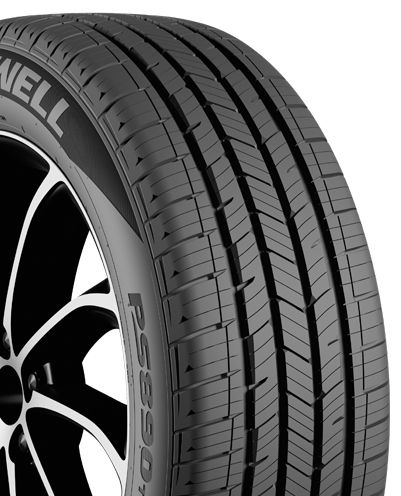
Credit: www.firestonecompleteautocare.com
Safety Standards And Testing
Giti Tire follows strict safety standards for Primewell tires. The company uses:
- Computer simulation: Checks tire performance before production.
- On-road testing: Evaluates how tires handle real driving conditions.
- Lab testing: Measures durability, traction, and resistance to wear.
Primewell tires meet standards set by organizations like the Department of Transportation (DOT) in the US. Giti Tire also meets European and Asian regulations.
One insight many beginners miss: tire quality is not only about the brand but also about maintenance. Even the best tires can perform poorly if under-inflated or not rotated regularly. Always check your tire pressure and rotate tires every 5,000-7,000 miles.
Environmental Efforts And Sustainability
Giti Tire has made progress in sustainability. The company uses eco-friendly materials and aims to reduce energy use in manufacturing. Primewell tires are designed to be recyclable, and Giti Tire supports programs to manage old tires responsibly.
The company reports a reduction in carbon emissions and water use in its factories. Giti Tire is also a member of international sustainability groups.
Here is a comparison of Giti’s environmental practices with some other tire makers:
| Company | Recycled Materials | Carbon Reduction | Eco Certification |
|---|---|---|---|
| Giti Tire | Yes | 20% (since 2015) | ISO 14001 |
| Michelin | Yes | 25% (since 2015) | ISO 14001 |
| Goodyear | Some models | 15% (since 2015) | ISO 14001 |
Primewell tires are not leading in green technology, but Giti Tire is improving its practices each year.
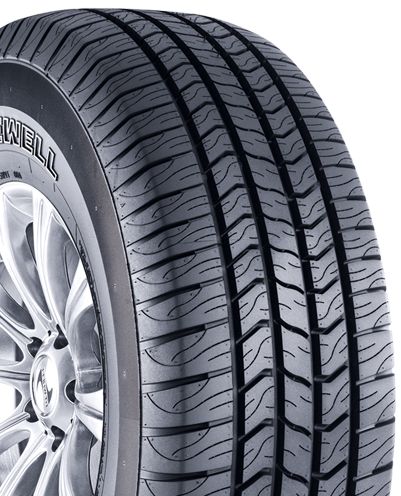
Credit: www.tiresplus.com
Common Misconceptions About Primewell Tires
Many people think Primewell tires are made by a small unknown company or that they are “generic” tires. In reality, Primewell is part of Giti Tire, a global leader with strong research and safety standards. Another misconception is that Primewell tires are only made in China.
While many come from China, Giti Tire also produces them in Indonesia and the USA.
Some drivers believe low-cost tires are always poor quality. This is not true. Primewell tires are tested for safety and can be a smart choice for the right driving needs. However, you should not expect luxury performance.
Practical Tips For Buying Primewell Tires
When choosing Primewell tires, keep these tips in mind:
- Check tire size: Make sure the model fits your vehicle’s specs.
- Consider climate: All-season tires are best for mild weather; look for other models if you drive in snow.
- Review warranty: Understand what coverage you get and how to claim it.
- Read reviews: See feedback from other drivers with similar vehicles.
It’s also smart to compare prices at different retailers. Sometimes, local shops offer installation deals. Buying from a reputable store ensures you get genuine Primewell tires.
Primewell Tires: Popular Use Cases
Primewell tires are often chosen by:
- Drivers with older cars who want a good tire at a low price
- People who drive mostly in cities or suburbs
- Fleet managers needing affordable tires for multiple vehicles
They are less common on sports cars or luxury vehicles, where performance matters more. For daily driving and moderate conditions, Primewell is a practical choice.
How Primewell Tires Are Rated By Drivers
Online ratings for Primewell tires are mixed but generally positive for the price range. Most reviews highlight:
- Good value for money
- Decent traction in dry and wet conditions
- Shorter tread life compared to premium brands
According to a recent survey by Tire Rack, Primewell Valera Touring II scored 3.7 out of 5 for overall satisfaction. Drivers liked the quiet ride and low price but noted faster wear after 30,000 miles.
One insight beginners often miss: tire ratings depend on driving style and maintenance. If you drive aggressively or forget to rotate your tires, even the best tire will wear quickly.
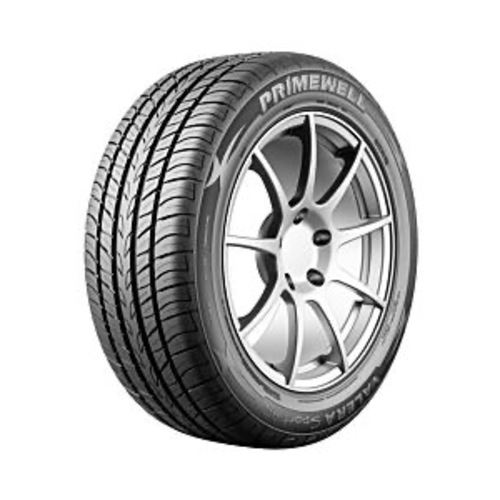
Credit: www.tires-easy.com
Who Should (and Should Not) Buy Primewell Tires
Primewell tires are best for:
- Budget-minded drivers
- People who drive less than 15,000 miles a year
- Vehicles used for short commutes or city driving
They are not ideal for:
- High-performance cars
- Drivers who travel long distances often
- Those needing advanced winter traction
If you fit the first group, Primewell can save you money and deliver safe, reliable performance. If you need more, look at premium brands.
Frequently Asked Questions
Who Owns Primewell Tires?
Primewell tires are owned by Giti Tire, a multinational company based in Singapore. Giti Tire is responsible for manufacturing, research, and global distribution.
Are Primewell Tires Good Quality?
Primewell tires offer basic reliability and meet safety standards. They are not premium tires but are well-tested and suitable for everyday driving.
Where Can I Buy Primewell Tires?
You can find Primewell tires at Firestone, Discount Tire, Walmart, and other major retailers. Online shops also sell Primewell tires.
Are Primewell Tires Made In The Usa?
Some Primewell tires are made in the USA at Giti Tire’s South Carolina plant. Most are produced in China and Indonesia.
How Long Do Primewell Tires Last?
Primewell tires usually last 40,000 to 50,000 miles, depending on driving habits and maintenance. Tread life may be shorter than premium brands.
Primewell tires offer a practical solution for drivers who need safety and savings. Understanding who manufactures Primewell tires, where they come from, and how they perform can help you make a smart choice for your vehicle. For more details on tire brands and manufacturing, visit Wikipedia.