Every Honda Accord owner knows the feeling: you start your car, and suddenly, the tire pressure light glows on the dashboard. For many, this warning can be confusing or even stressful, especially if it appears unexpectedly. But don’t worry—resetting the tire pressure light on your Honda Accord is usually simple, as long as you follow the right steps. This guide will walk you through everything you need to know: why the light comes on, how to reset it, common mistakes to avoid, and even what to do if the light stays on. Whether you have a new or older model, you’ll find clear, practical advice here to keep your Accord safe and running smoothly.
Why Does The Tire Pressure Light Come On?
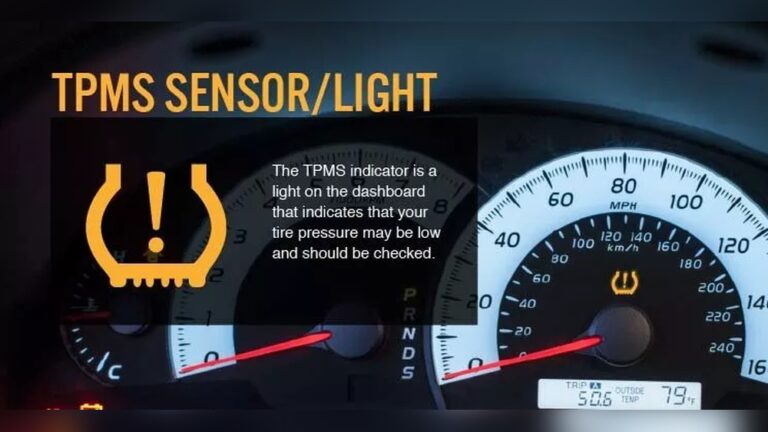
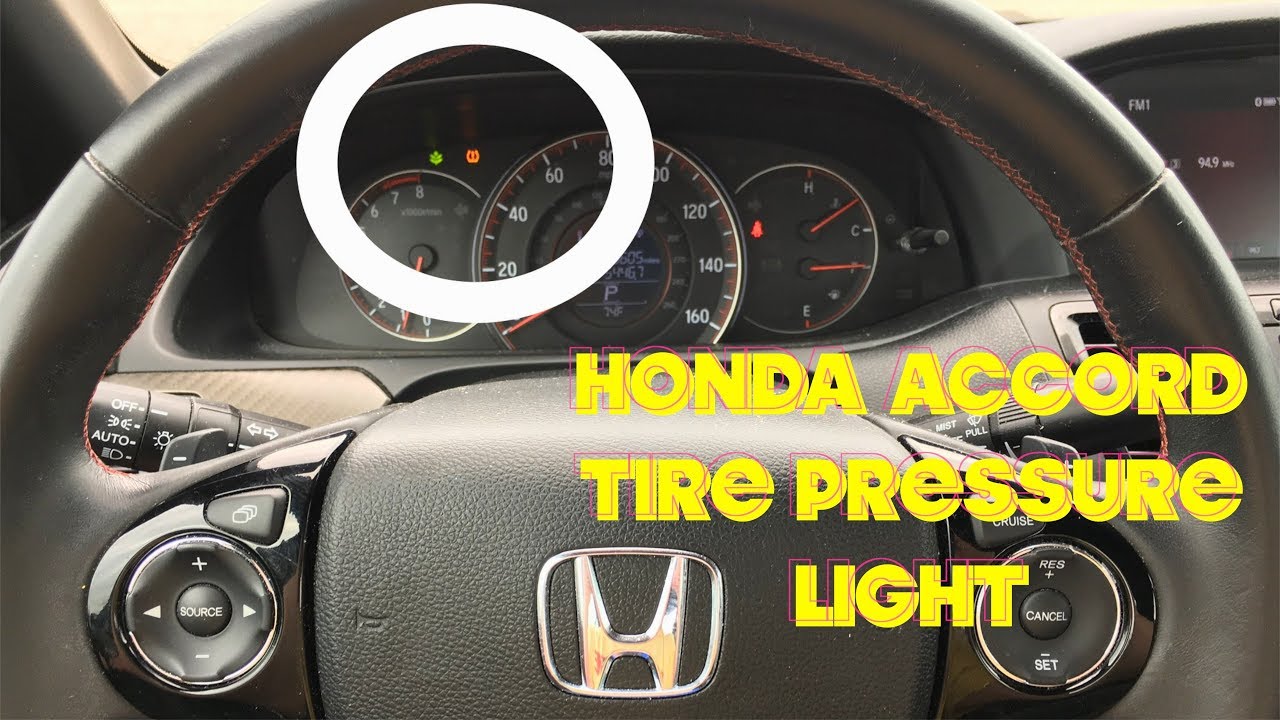
The tire pressure light, often called the TPMS light (Tire Pressure Monitoring System), is your car’s way of telling you that one or more tires may be underinflated. This system helps you stay safe on the road by warning you when your tires are not at the recommended pressure.
Common reasons for the light to turn on:
- Low tire pressure due to changes in temperature
- Small punctures or slow leaks
- Tire rotation or replacement
- Sensor battery failure (especially in older cars)
- Recent tire inflation without resetting the TPMS
A TPMS warning should never be ignored. Low tire pressure can affect your car’s grip, fuel economy, and even lead to a blowout.
How The Tpms System Works In Honda Accord
Most Honda Accords, especially from 2008 onwards, use direct TPMS. This means each wheel has a sensor that sends real-time pressure data to the car’s computer. Newer models (2013 and up) may use indirect TPMS, which tracks tire rotation speed through ABS sensors. Both systems aim to alert you quickly if any tire goes outside the safe range.
Key Differences Between Tpms Types:
| TPMS Type | How it Detects Pressure | Common in Accord Years |
|---|---|---|
| Direct | Has pressure sensors inside each tire | 2008–2012 |
| Indirect | Uses ABS/traction sensors to estimate pressure | 2013–present |
Understanding which system your Accord uses will help you reset the light correctly.
Steps To Check And Adjust Tire Pressure
Before resetting the light, always check and adjust your tire pressure. This is essential—even if the light seems like a false alarm.
How To Check Tire Pressure:
- Park your car on a level surface.
- Wait for tires to cool (pressure readings are best when tires are cold).
- Remove the valve cap from one tire.
- Press a tire gauge onto the valve stem. Note the reading.
- Compare it to the recommended pressure (found on the driver’s door sticker or owner’s manual).
- Add or release air as needed using an air compressor or at a gas station.
Repeat this for all four tires, and don’t forget your spare if your model has a TPMS sensor there.
Recommended Tire Pressures For Recent Honda Accord Models:
| Model Year | Front Tires (psi) | Rear Tires (psi) |
|---|---|---|
| 2018–2022 | 32 | 32 |
| 2013–2017 | 32 | 32 |
| 2008–2012 | 32 | 30 |
Tip: Always use the pressure listed for your specific model and tire size.
How To Reset The Tire Pressure Light On Honda Accord
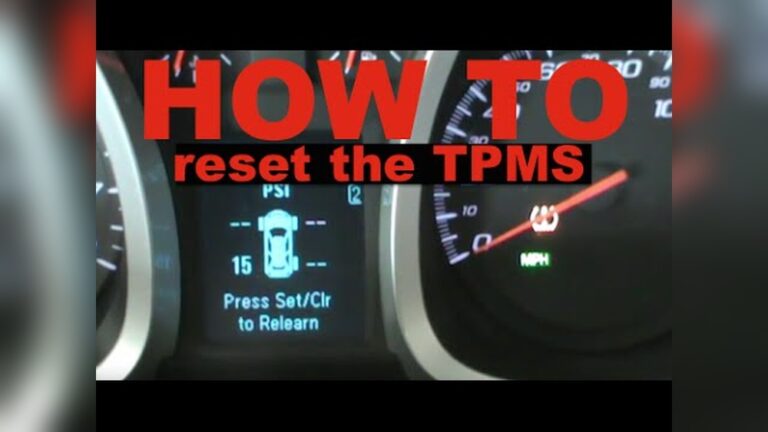
Once you’ve checked and set your tire pressures correctly, it’s time to reset the warning light. The process is slightly different depending on your Accord’s year and whether it uses a direct or indirect TPMS.
For Honda Accord 2013 And Newer (indirect Tpms)
Most newer Accords use a system that needs a manual reset after tire rotation or pressure adjustment.
Steps:
- Turn the ignition to “ON” (do not start the engine).
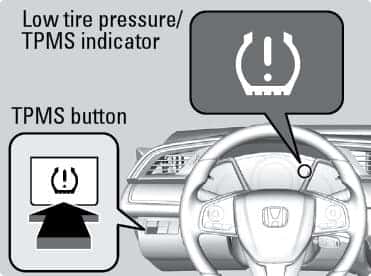
- Find the TPMS button (usually under the left side of the dashboard or inside the glove box). On some models, use the infotainment screen.
- Press and hold the button until the TPMS light blinks twice, then release.
- Drive for at least 10 minutes at 30 mph or higher. The system will recalibrate automatically.
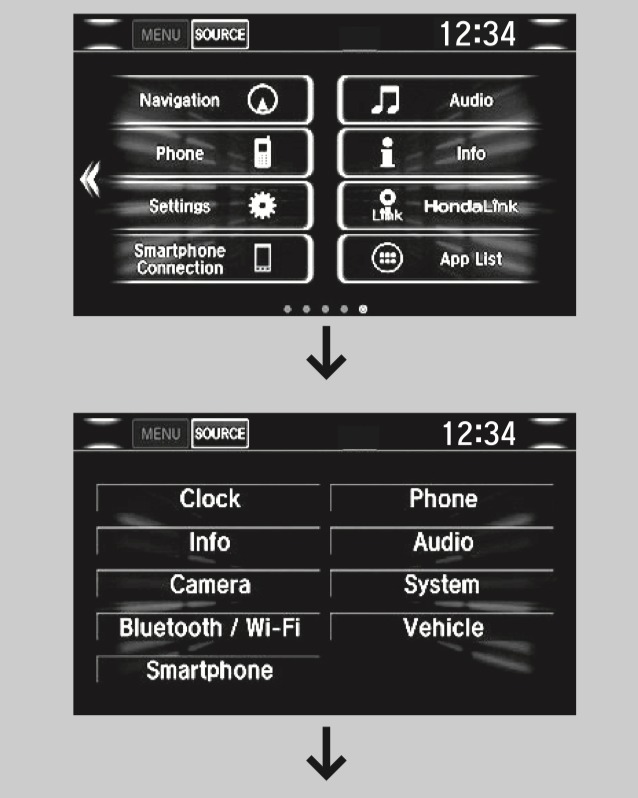
Using The Infotainment Screen (2018+ Models):
- Go to Home > Settings > Vehicle > TPMS Calibration.
- Select Calibrate and confirm.
For Honda Accord 2008–2012 (direct Tpms)
These models don’t have a reset button. Instead, the system should reset itself after driving with correct pressures. However, if the light stays on:
- Turn the ignition to “ON”.
- Check that all tires are inflated to the correct pressure.
- Drive at 30 mph or higher for 10–20 minutes. The light should turn off after a short time.
If the light does not go off, a sensor may need service or replacement.
What If The Light Stays On After Reset?
Sometimes, the tire pressure light stays on even after following all steps. Here are some less obvious reasons:
- A faulty TPMS sensor—these have batteries that can die after 5–10 years.
- Temporary spare tire installed—spares may not have a sensor.
- Aftermarket wheels or sensors—not all are compatible with Honda’s system.
- Extreme cold—air contracts, lowering pressure more than expected.
If the light remains, visit a professional. They can scan your system and find any sensor or system faults.
Common Mistakes When Resetting The Tire Pressure Light
Many drivers make the same errors when trying to reset the TPMS light. Avoiding these can save time and frustration:
- Not checking all four tires: Even one low tire will keep the light on.
- Ignoring the spare: Some Accords have a sensor in the spare tire.
- Resetting before inflating: Always inflate first, then reset.
- Driving too little: The system often needs 10+ minutes of driving to recalibrate.
- Using incorrect pressure: Always follow the sticker inside the driver’s door.
A less obvious mistake: sometimes tire shops use sensors that don’t match your car’s frequency, which can cause constant warnings.
How Temperature Affects Tire Pressure
Tire pressure can drop 1 psi for every 10°F decrease in temperature. In cold weather, it’s normal for the TPMS light to come on in the morning, then go off as the tires warm up during driving. That’s why checking pressure when tires are cold is important.
Example: If your area has a cold snap and temperatures fall by 30°F, your tire pressure could drop by 3 psi—enough to trigger the warning.
Credit: www.geraldhondacountryside.com
When To See A Professional
While most TPMS resets are simple, there are times when expert help is needed:
- The light flashes, then stays on: This can mean a system fault, not just low pressure.
- You can’t find the reset button: Some models hide it in hard-to-see places.
- You have replaced a sensor: New sensors often need to be programmed to your car.
A tire shop or dealership can scan your TPMS, check sensor batteries, and ensure everything works as it should.
Comparing Honda Accord Tpms To Other Brands
Honda’s TPMS is known for being reliable and relatively easy to reset, but how does it compare to other car brands?
| Brand | Reset Process | Common Issues |
|---|---|---|
| Honda Accord | Manual button or infotainment; auto-reset (older models) | Sensor battery life, hidden reset button |
| Toyota Camry | Button under dash or glove box | Button is hard to find, slow recalibration |
| Ford Fusion | Uses infotainment menu | Requires more driving to reset |
| Nissan Altima | Auto-reset after inflating tires | Frequent sensor failures in older models |
Honda’s system stands out for its ease of use, but like all TPMS, sensor batteries will eventually need replacing.
Credit: www.youtube.com
Two Things Most People Miss About Tpms
- TPMS is not a substitute for regular tire checks. Even with working sensors, you should check your tire pressure monthly. Sensors can fail or give false readings, especially with extreme weather or age.
- Resetting the light does not fix tire problems. Always fix any leaks, punctures, or worn tires before resetting. Resetting only tells the system to re-check tire status—it does not repair underlying issues.
Practical Tips For Keeping Your Tire Pressure Light Off
- Check your tire pressure monthly and before long trips.
- Replace worn or old sensors (usually after 5–10 years).
- Use quality air gauges for accurate readings.
- Avoid quick resets—always fix the problem first.
- Know your TPMS type so you follow the right reset method.
Credit: www.bianchihonda.com
Frequently Asked Questions
How Often Should I Check My Honda Accord’s Tire Pressure?
You should check your tire pressure at least once a month and before long trips. Changes in weather or driving conditions may require more frequent checks.
Can I Drive With The Tire Pressure Light On?
Driving with the tire pressure light on is not recommended. It means one or more tires may be underinflated, which can lead to poor handling, low fuel efficiency, or even a blowout.
What If The Tpms Light Flashes And Then Stays On?
A flashing then steady TPMS light often means a system fault, like a dead sensor battery or a wiring problem. Visit a professional to diagnose and repair the issue.
Do I Need Special Tools To Reset The Tpms On A Honda Accord?
Most newer Accords let you reset the TPMS using a dashboard button or infotainment screen. Older models reset automatically after you drive. Some repairs (like sensor replacement) may need a professional tool.
Where Can I Find More Detailed Information About Honda Accord Tpms?
You can find more information in your Honda Accord owner’s manual or on the National Highway Traffic Safety Administration website, which explains TPMS technology and safety.
Keeping your Honda Accord’s TPMS working and knowing how to reset the tire pressure light is a simple step that protects you and your car. With a few minutes of care and attention, you can drive with confidence—every mile, every season.