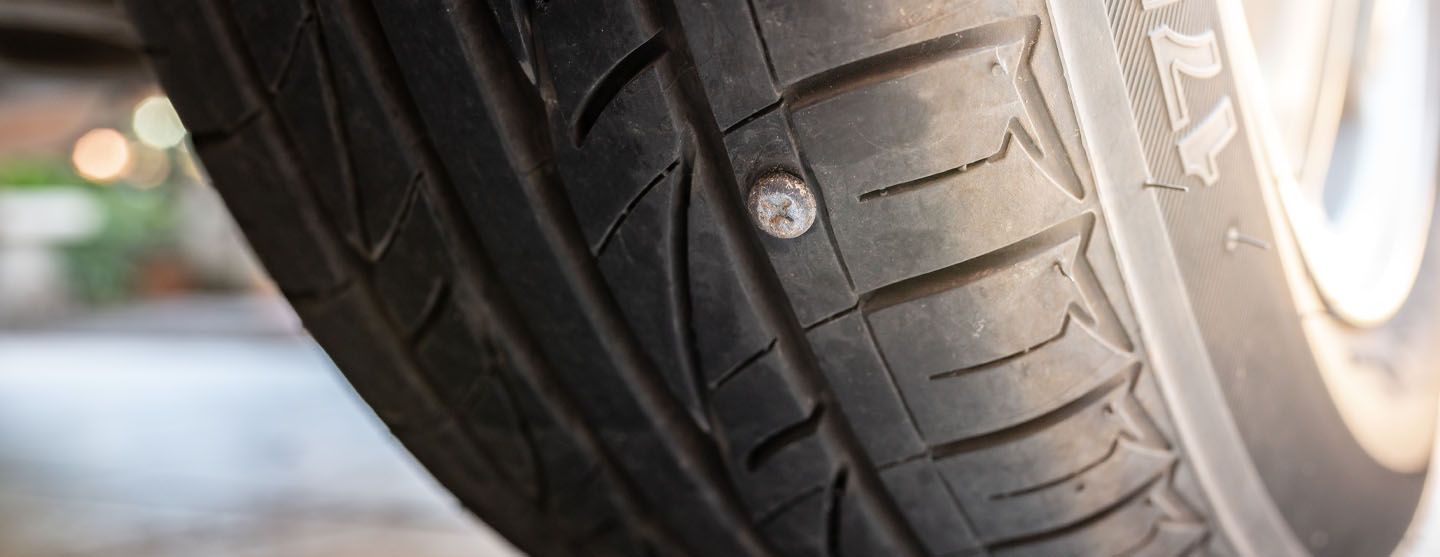
Getting a nail stuck in your tire is a situation many drivers face, often at the worst possible time. You might spot the shiny head of a nail poking out of the rubber, or maybe you just notice your tire losing air. Right away, you start asking yourself: can you keep driving, or do you need to stop immediately? The answer is not as simple as a yes or no. Your safety, the condition of your tire, and the risk of bigger problems all matter. Let’s look at what really happens when you drive with a nail in your tire, what you should do, and how you can make the smartest and safest choice.
What Happens When A Nail Punctures Your Tire
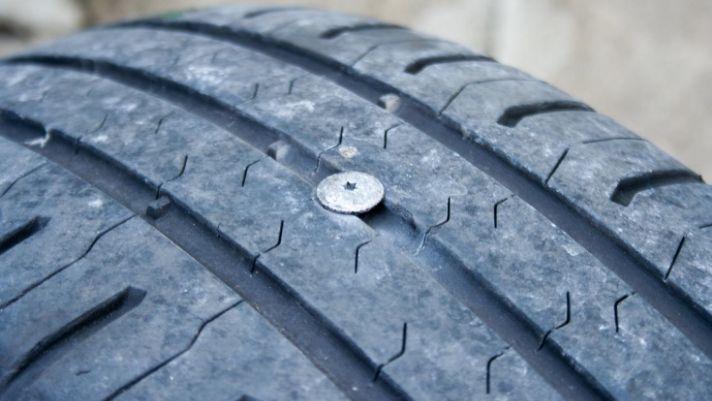
When a nail goes into your tire, it often creates a small hole. Sometimes, the nail stays in the tire and acts as a plug, slowing the loss of air. Other times, the tire may lose air quickly, leading to a flat. The main risks are:
- Air loss: A slow leak or a sudden loss of pressure.
- Tire damage: The nail can move and make the hole bigger.
- Blowout risk: If the tire gets too flat, it can burst while driving.
Most people do not notice a nail in their tire right away. Sometimes, you only find out after the tire is flat, or when your car’s tire pressure warning light comes on.
Can You Drive With A Nail In Your Tire?
The short answer is: it depends. Many drivers keep going for a while without knowing there’s a nail in their tire, but that does not mean it is safe. Here’s how to think about your situation:
- Is the tire losing air quickly? If your tire is going flat fast, you should not drive. You risk damaging the tire and even having an accident.
- Is the nail in the tread or the sidewall? If the nail is in the tread (the flat part that touches the road) and the tire is still holding air, you may drive for a short distance—just enough to reach a repair shop. But if the nail is in the sidewall, do not drive. Sidewall damage is dangerous and cannot be repaired safely.
- How far do you need to go? If you have no choice and must drive, go as slow and short a distance as possible. Avoid highways or high speeds.
- How loaded is your vehicle? A heavily loaded car puts more stress on the damaged tire, raising the risk of a blowout.
Real-world Example
A report from the National Highway Traffic Safety Administration (NHTSA) shows that about 11,000 tire-related crashes occur in the U.S. each year, many caused by under-inflated or damaged tires. Even if your tire looks fine, hidden damage can create big risks.
Immediate Steps To Take When You Find A Nail
If you see a nail in your tire, do not panic. Instead, take these steps:
- Check tire pressure: Use a gauge to see if the tire is losing air. Compare it to the recommended pressure (often found on a sticker inside the driver’s door or your car manual).
- Inspect the nail location: Look at where the nail is. If it’s in the tread and not near the edge or sidewall, you may have a chance for repair.
- Listen and look for leaks: Sometimes you can hear a hissing sound or see bubbling if you pour a bit of soapy water on the nail area.
- Drive only if necessary: If the tire is holding air and you must drive, go slowly and avoid sharp turns or high speeds.
- Get professional help: Go to a tire shop as soon as possible. A professional can check if the tire can be fixed or needs replacement.
Risks Of Driving With A Nail In Your Tire
Driving with a nail in your tire always carries some risk, even if the tire seems okay. Here’s why:
- The nail can move: Bumps or heat can push the nail deeper, making the hole bigger.
- Hidden damage: Sometimes, the steel belts inside the tire are hurt, even if you cannot see it.
- Sudden air loss: The tire can go flat without warning, especially if the nail falls out.
- Poor handling: Low tire pressure can make your car harder to control, especially in rain or on curves.
Data On Tire Blowouts
According to the U.S. Department of Transportation, tire blowouts cause about 78,000 accidents and over 400 deaths each year in the United States. Most blowouts are linked to under-inflated or damaged tires.
Credit: www.tiresplus.com
How Long Can You Drive With A Nail In Your Tire?
There is no exact answer, but most experts agree: only drive as far as needed to get to a repair shop. The longer you drive, the higher your risk. In the best case, if the tire is not losing air and the nail is small and in the tread, you might have a few miles. But there are many unknowns:
- The nail could shift and cause a leak.
- A slow leak can suddenly become a fast leak.
- Heat from driving can make the hole worse.
Example Distances
- Less than 10 miles: Usually safe if the tire is holding air and you drive slowly.
- 10–50 miles: Risk increases, especially if you drive fast or the weather is hot.
- Over 50 miles: Not recommended. The chance of a blowout or further damage is high.
Nail In Tread Vs. Nail In Sidewall
Where the nail is matters a lot:
| Location | Repairable? | Safe to Drive? |
|---|---|---|
| Tread (center) | Usually yes | Short distance only |
| Tread (edge/shoulder) | Sometimes | Risky |
| Sidewall | No | Not safe |
Key insight: Many beginners think all nails are the same, but sidewall punctures cannot be safely fixed. Driving on a sidewall puncture can lead to a sudden blowout.
Temporary Fixes And Their Limits
If you can’t get to a shop right away, there are temporary solutions:
- Tire sealant: Some sprays can seal small holes and inflate the tire. This is only a short-term fix.
- Plug kits: You can buy a kit to plug a hole in the tread. This is not a permanent repair.
- Spare tire: If you have a spare, use it instead of driving on a damaged tire.
Comparison Of Temporary Fixes
| Solution | How Long It Lasts | Best For |
|---|---|---|
| Tire sealant | Up to 100 miles | Small tread punctures |
| Plug kit | Up to 200 miles | Small tread punctures (center only) |
| Spare tire | Until repair/replacement | Any puncture |
Practical tip: Many drivers use tire sealant and forget about the problem. But sealant is only for emergencies. Driving longer than recommended can damage the tire’s inside, making a safe repair impossible.
How Professionals Repair A Nail Puncture
A real, lasting repair is done by a tire shop. The process usually involves:
- Removing the tire from the wheel.
- Inspecting the inside for hidden damage.
- Patching and plugging the hole from the inside.
- Balancing and remounting the tire.
This method is called a patch-plug repair. It is much safer than a plug or patch from the outside only.
When A Tire Cannot Be Repaired
- The hole is larger than 1/4 inch (6 mm).
- The puncture is in the sidewall or shoulder.
- There’s damage to the tire’s internal structure.
- The tread is worn out.
If any of these are true, you need a new tire.
Cost Of Repair Vs. Replacement
You might wonder: is it better to repair or replace the tire? Here’s a look at average costs:
| Option | Average Cost (USD) | When to Choose |
|---|---|---|
| Professional patch-plug repair | $20–$40 | Small tread punctures |
| New tire (regular) | $80–$150 | Sidewall/shoulder damage or big holes |
| New tire (premium) | $150–$300+ | High-end vehicles |
Non-obvious insight: Some tire shops offer free repair if you bought the tires there. Check your warranty before paying.
What Not To Do When You Find A Nail
Many people make mistakes when they find a nail in their tire. Avoid these common errors:
- Do not pull out the nail right away. If the tire is still holding air, removing the nail can cause it to go flat quickly.
- Do not drive long distances hoping the nail will not cause more problems.
- Do not use only a plug from outside as a permanent fix.
- Do not ignore the tire pressure warning light. Even a small drop in pressure can be dangerous.
Credit: rnrtires.com
How To Avoid Nails And Punctures
While it’s impossible to prevent every nail, you can lower your risk:
- Drive carefully in construction zones and avoid areas with debris.
- Check tires often for objects or damage, especially if you drive in risky areas.
- Keep tires at the right pressure. Under-inflated tires are more likely to be damaged.
- Do not overload your vehicle. Extra weight pushes the tire into nails and sharp objects.
Extra tip: Some tire shops offer “road hazard” protection plans. These can save you money if you get a nail or other damage.
When To Replace All Four Tires
If your car is all-wheel drive (AWD), replacing just one tire may cause problems. AWD systems need all tires to be close in size and wear. If you replace only one tire, the difference can damage your car’s drivetrain.
Rule of thumb: If the other tires are more than 4/32 inch worn, consider replacing all four. Always check your car’s manual or ask a mechanic.
When Driving With A Nail Is Most Dangerous
Some situations make driving with a nail much more risky:
- Hot weather: Heat makes the rubber softer and can speed up air loss.
- High speed: Fast driving increases the risk of a blowout.
- Heavy loads: Carrying extra weight puts more stress on the tire.
- Long trips: The longer you drive, the more likely the nail will cause a problem.
How To Check Your Tire Pressure
A simple tire pressure gauge can save you from trouble. Here’s how to use it:
- Remove the valve cap from the tire.
- Press the gauge onto the valve stem.
- Read the number on the gauge.
- Compare it to your car’s recommended pressure (often 32–35 psi).
- Add air if needed, or let some out if it’s too high.
Pro tip: Check tire pressure when the tires are cold (before driving).

Credit: metropolitangarage.com
The Bottom Line On Driving With A Nail In Your Tire
Driving with a nail in your tire is always a risk. If the nail is in the tread and the tire is not losing air, you can drive a short distance to a repair shop. But the longer you drive, the more likely you’ll have a flat or a blowout.
If the nail is in the sidewall or the tire is going flat, do not drive. Use a spare or call for help. Professional repair is the only safe, long-term solution. Never rely on temporary fixes for more than a short trip.
Your safety is worth more than the cost of a new tire.
For more on tire safety and puncture repair, you can read the official advice from the National Highway Traffic Safety Administration.
Frequently Asked Questions
What Happens If I Ignore A Nail In My Tire?
If you ignore a nail, the tire may slowly lose air, or the nail could shift and cause a sudden flat or blowout. This can lead to losing control of your vehicle or damaging the tire beyond repair.
Can I Repair A Tire Myself After A Nail Puncture?
You can use a plug or sealant as a temporary fix, but only professional repair (patch and plug from the inside) is safe for long-term use. DIY fixes are best for emergencies only.
Is It Safe To Drive On The Highway With A Nail In The Tire?
No, highway speeds greatly increase the chance of a blowout. If you must drive, keep to local roads, go slowly, and get to a tire shop as soon as possible.
How Do I Know If The Nail Puncture Can Be Repaired?
If the nail is in the tread (not the sidewall or edge) and the hole is small (under 1/4 inch), a tire shop can usually repair it. Sidewall or large punctures require a new tire.
Will My Tire Warranty Cover A Nail Puncture?
Some warranties include road hazard protection, which covers nails and other objects. Check with your tire shop or read the warranty details to know what is included.
Your safety matters most. If you ever have doubts, get your tire checked by a professional as soon as possible.