Goodyear Tires Vs Bridgestone Tires: A Complete Comparison Guide
Choosing the right tires is one of the most important decisions for any vehicle owner. Tires affect your safety, comfort, and even your fuel costs. Among the many brands in the market, Goodyear and Bridgestone often stand out. Both companies have a long history, strong reputations, and a wide range of products. But which one is truly better for your needs?
This guide will give you a clear, deep look at Goodyear tires vs Bridgestone tires. You will learn about their history, technology, performance, price, durability, and more. Whether you drive a car, SUV, or truck, you’ll find useful insights to help you make a confident choice.
Brand Background And Reputation
Knowing where a brand comes from and how it has grown helps you trust what you put on your vehicle.
Goodyear: American Innovation
Goodyear Tire & Rubber Company was founded in 1898 in Ohio, USA. It started with bicycle and carriage tires, then quickly expanded to cars. Today, Goodyear is one of the world’s largest tire companies, selling in over 150 countries. The brand is known for innovation. For example, Goodyear made the first American tires to land on the moon.
Goodyear is famous for its involvement in motorsports, especially NASCAR and endurance racing. This experience helps improve their everyday tire technology. The Goodyear Blimp is also an icon, often seen at big sports events.
Bridgestone: Japanese Precision
Bridgestone Corporation started in 1931 in Kurume, Japan. The name combines the English words for “stone bridge,” a translation of the founder’s surname, Ishibashi. Bridgestone grew fast in Asia and later bought Firestone, a famous US tire company, in 1988. Today, Bridgestone is the world’s largest tire maker by sales.
Bridgestone invests heavily in research and development. The company is known for its commitment to safety, quality, and environmental responsibility. Bridgestone is also a big name in motorsports, including Formula 1 and MotoGP.
Reputation: Trust And Awards
Both brands win many awards for quality and safety. For example, Goodyear and Bridgestone tires often score high in tests by Consumer Reports and J. D. Power. Their tires are also chosen as original equipment by carmakers like Toyota, Ford, BMW, and Mercedes-Benz.
Non-obvious insight: While Goodyear is often seen as a classic American choice, Bridgestone’s global reach means they adapt their tires for many road types and climates.
Tire Technology And Innovation
Tire technology has changed a lot in recent years. Let’s see how each brand stands out.
Goodyear’s Innovations
Goodyear focuses on fuel-saving, all-season performance, and run-flat technology. Their Assurance Fuel Max uses a special rubber mix that reduces rolling resistance, which can save up to 4,000 miles worth of gas over the tire’s life.
The WeatherReady series uses soy-based rubber, making the tire more flexible in cold weather and more eco-friendly. Goodyear’s SoundComfort technology reduces road noise for a smoother ride.
Goodyear also offers run-flat tires, which let you drive up to 50 miles at 50 mph after a puncture. Their self-sealing tires use a special gel to close small punctures instantly.
Bridgestone’s Innovations
Bridgestone is known for its NanoPro-Tech, a technology that controls how molecules behave in the rubber. This improves grip and extends tire life. The Ecopia line focuses on fuel economy, using advanced rubber to reduce energy loss as the tire rolls.
Bridgestone’s DriveGuard run-flat tires can go up to 50 miles after losing air. The Turanza QuietTrack uses unique tread patterns to cut road noise and increase comfort.
Bridgestone’s attention to environmental impact is clear in their ENLITEN technology, which makes tires lighter and uses less raw material.
Comparing Key Technologies
Here is a side-by-side look at some technologies:
| Feature | Goodyear | Bridgestone |
|---|---|---|
| Run-flat Tires | Available, self-sealing and extended mobility | DriveGuard series, 50 miles after puncture |
| Low Rolling Resistance | Assurance Fuel Max, EfficientGrip | Ecopia, ENLITEN |
| Noise Reduction | SoundComfort Tech | Turanza QuietTrack, Serenity Plus Tech |
| Eco-Friendly Materials | Soybean oil-based rubber | Lightweight compounds, recycled materials |
Non-obvious insight: Bridgestone’s NanoPro-Tech is more focused on molecular structure, while Goodyear’s innovations often center on the whole tire’s design and eco-friendly materials.
Performance: Handling, Comfort, And Safety
How do these tires perform when you’re actually on the road?
Dry And Wet Handling
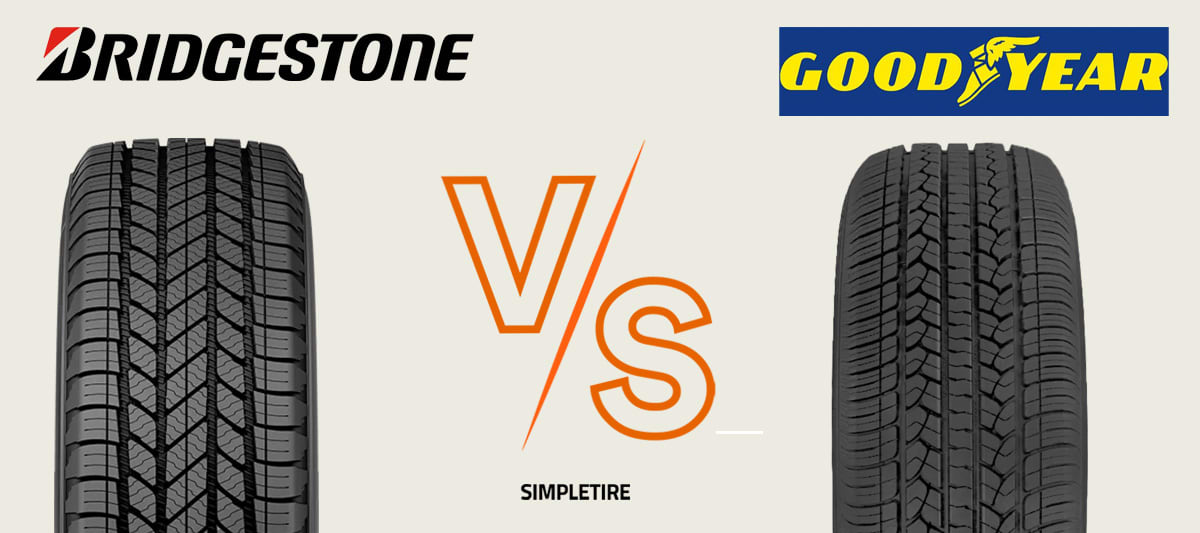
Goodyear tires are known for stable handling on dry roads. Their tread design often includes wide shoulder blocks for better grip in corners. In wet conditions, Goodyear uses grooves and sipes to channel water away, reducing the risk of hydroplaning.
Bridgestone tires also perform well in both dry and wet conditions. The Potenza series, for example, is designed for sporty, high-performance cars and offers precise steering response. Bridgestone’s wet grip is often rated slightly higher in independent tests, thanks to their advanced silica compounds.
Comfort And Noise
Goodyear’s SoundComfort technology makes for a quiet ride, especially on highways. The Assurance ComfortDrive is a popular choice for families who want less cabin noise. Goodyear tires are generally a bit softer, which absorbs road bumps.
Bridgestone’s Turanza QuietTrack is a leader in comfort and noise reduction. These tires use a special foam inside the tire and tread patterns that break up sound waves. Bridgestone tires may feel slightly firmer, which some drivers prefer for more “connected” road feel.
Safety: Braking And Hydroplaning
Goodyear and Bridgestone both score high in braking tests. Bridgestone’s Blizzak winter tires are often rated best for snow and ice stopping. Goodyear’s Assurance WeatherReady, however, is one of the top-rated all-weather tires for emergency stops on wet or dry roads.
Example: In a 2023 Tire Rack test, Bridgestone Turanza QuietTrack stopped 2 feet shorter than Goodyear Assurance ComfortDrive on wet pavement, but Goodyear edged ahead on dry stops.
All-season And Winter Performance
Goodyear offers strong all-season choices, like the Assurance WeatherReady and Eagle Sport. These work well in light snow but may not match a true winter tire.
Bridgestone’s Blizzak series is famous for winter grip. The WS90, for example, uses tiny biting edges and a flexible rubber mix for top snow and ice traction.
Pro tip: If you live in an area with heavy snow, Bridgestone Blizzak is often the gold standard. For milder winters, Goodyear’s all-weather tires can be enough.
Durability And Tread Life
Tires are a big investment, so you want them to last.
Goodyear’s Durability
Goodyear is confident in its tread life. Most Goodyear passenger tires come with a 60,000-mile warranty. The Assurance MaxLife claims up to 85,000 miles. Goodyear uses a mix of rubber compounds and tread designs to resist wear.
Some Goodyear tires, especially performance models, may wear faster if driven aggressively. Rotating your tires and keeping them properly inflated helps them last longer.
Bridgestone’s Durability
Bridgestone tires are known for long life. The Turanza QuietTrack, for example, comes with an 80,000-mile warranty. Many Bridgestone models use advanced polymer blends and reinforced sidewalls to resist cuts and punctures.
However, Blizzak winter tires, like most snow tires, have a softer compound and wear faster if used year-round.
Warranty And Real-world Mileage
Here’s a quick comparison of popular models:
| Model | Goodyear Warranty | Bridgestone Warranty |
|---|---|---|
| All-Season Touring | 60,000–85,000 miles | 70,000–80,000 miles |
| Ultra High Performance | 45,000–60,000 miles | 50,000–60,000 miles |
| Winter Tire | No mileage warranty | No mileage warranty (Blizzak) |
Non-obvious insight: Real-world tread life can vary more by driving style and road conditions than by brand. City drivers may see faster wear than highway drivers, no matter the tire.
Credit: simpletire.com
Range Of Products And Fitment Options
It’s important to find the right tire for your vehicle, whether it’s a sedan, SUV, pickup, or sports car.
Goodyear’s Range
Goodyear offers a broad lineup:
- Assurance: All-season comfort and longevity for sedans and minivans
- Eagle: Sporty handling for performance cars
- Wrangler: Rugged options for SUVs and trucks, including off-road
- WeatherReady: All-weather traction, including light snow
- UltraGrip: Winter tire series
Goodyear also makes specialty tires for electric vehicles (EVs), commercial trucks, and even airplanes.
Bridgestone’s Range
Bridgestone’s catalog is just as wide:
- Turanza: Premium touring comfort and long life
- Potenza: High performance for sports and luxury cars
- Dueler: Tough SUV and truck tires, good for on/off-road
- Ecopia: Eco-friendly, fuel-saving designs
- Blizzak: Winter tire leader
Bridgestone also supplies tires for motorcycles, buses, and heavy equipment.
Fitment And Sizing
Both brands offer tires in nearly every size, from 13-inch compact car tires to 22-inch SUV fitments. They also cater to new trends, like run-flat tires for luxury cars and low rolling resistance for hybrids.
Practical tip: Always check your vehicle’s manual for the recommended size and speed rating. Both brands have online tools to help you find the perfect match.
Price And Value For Money
Cost is always a big factor, but “cheapest” is not always “best. ”
Goodyear Pricing
Goodyear tires are often mid- to upper-range in price. For example, a popular all-season tire like the Assurance ComfortDrive costs about $130–$170 per tire for a standard sedan size (as of 2024). Performance and SUV tires can cost more.
Goodyear often runs rebates and special deals, especially at major tire shops.
Bridgestone Pricing
Bridgestone is slightly more premium-priced, especially for high-performance and touring models. The Turanza QuietTrack, for example, costs about $145–$190 per tire in common sizes. Blizzak winter tires can cost $120–$200 each.
Bridgestone also offers deals, but discounts may be smaller or less frequent than Goodyear.
Value For Money
Here’s a simple comparison:
| Brand | Typical Price Range (per tire) | Warranty | Strength |
|---|---|---|---|
| Goodyear | $120–$250 | Up to 85,000 miles | Good balance of price, tech, and warranty |
| Bridgestone | $130–$270 | Up to 80,000 miles | Excellent comfort, performance, winter grip |
Practical insight: If you plan to keep your car for a long time, a higher upfront price can pay off in fewer replacements and better safety.
Customer Reviews And Satisfaction
Hearing from real users can tell you things numbers can’t.
Goodyear User Experiences
Goodyear tires get high marks for:
- Reliability in everyday use
- Quiet, comfortable ride
- Long tread life (especially Assurance MaxLife)
- Good value for the price
Some drivers note that Goodyear’s sporty tires, like the Eagle F1, can wear a bit faster and get noisy when old.
Bridgestone User Experiences
Bridgestone is praised for:
- Smooth, quiet ride (especially Turanza line)
- Top performance in winter conditions (Blizzak)
- Stable handling and strong wet grip
A few users mention Bridgestone’s premium models cost more, but most feel the comfort and safety are worth it.
Independent Ratings
In J. D. Power’s 2023 U. S. Original Equipment Tire Customer Satisfaction Study, Bridgestone ranked slightly above Goodyear for passenger car tires, but both brands were in the top tier.
Real-world tip: Read reviews for the specific tire model you want, not just the brand. Some Goodyear or Bridgestone tires may suit your needs better than others.
Environmental Impact
Many drivers care about the environment, and both brands are making changes.
Goodyear’s Efforts
Goodyear uses soybean oil in many tires to cut petroleum use. The company aims to make a tire with 100% sustainable materials by 2030. Goodyear also recycles old tires and works to reduce factory emissions.
Bridgestone’s Efforts
Bridgestone has a strong “Our Way to Serve” program. The company uses ENLITEN tech to make lighter, more fuel-efficient tires. Bridgestone also invests in recycling and renewable rubber sources, like guayule plants.
Extra insight: Both brands are pushing for “circular” tire manufacturing, where old tires are reused to make new ones, but Bridgestone has set more public goals for carbon neutrality.
Credit: www.youtube.com
Which Brand Is Right For You?
Deciding between Goodyear and Bridgestone depends on your driving habits, climate, and budget.
- Daily commuting, comfort, and value: Goodyear often has the edge, especially with Assurance and WeatherReady lines.
- Quiet, luxury ride or tough winters: Bridgestone Turanza and Blizzak are hard to beat.
- Performance driving: Both brands offer strong options (Goodyear Eagle, Bridgestone Potenza), but check reviews for your car type.
- SUVs and trucks: Both have rugged models (Goodyear Wrangler, Bridgestone Dueler).
- Eco-friendly choices: Both brands lead, but Goodyear’s soybean oil and Bridgestone’s ENLITEN tech are both impressive.
Don’t forget: Your tire installer’s skill, proper inflation, and alignment matter as much as the brand you choose.
Frequently Asked Questions
Which Tires Last Longer, Goodyear Or Bridgestone?
Both brands offer long-lasting models, with warranties up to 85,000 miles. Bridgestone may have a slight edge for premium touring tires, while Goodyear leads in some all-season categories. Real-world life depends on driving style and maintenance.
Are Bridgestone Tires Better For Winter?
Bridgestone’s Blizzak series is widely considered one of the best for snow and ice traction. For severe winters, Blizzak usually outperforms Goodyear’s UltraGrip. But Goodyear’s all-weather tires are good for mild winters.
Is Goodyear More Affordable Than Bridgestone?
Goodyear tires are usually a bit less expensive, especially for standard all-season or touring tires. Bridgestone’s top models often cost more but offer excellent comfort and performance.
Are Both Brands Eco-friendly?
Yes. Goodyear uses sustainable materials like soybean oil, while Bridgestone focuses on lighter, more efficient designs and renewable rubber. Both invest in recycling and have set environmental goals. For more details, see Bridgestone’s sustainability initiatives.
How Do I Know Which Brand Fits My Vehicle?
Check your car’s manual for size and speed rating. Then use Goodyear and Bridgestone’s online tools to search by car make and model. Your local tire dealer can also help you compare options for your driving needs.
Choosing between Goodyear and Bridgestone isn’t easy, but with this guide, you’re ready to pick the best tires for your journey. Both brands are trusted worldwide, so you can drive with confidence, whatever you choose.

Credit: www.youtube.com