Is A Tire Rotation The Same As An Alignment
Many people wonder if tire rotation and wheel alignment are the same thing. They sound similar, and both involve your car’s wheels, so it’s easy to get confused. However, these two services are very different, and each one affects your vehicle in unique ways. If you are unsure about which service your car needs, or what each one does, this article will help you understand clearly.
Let’s explore what tire rotation and alignment mean, why they matter, how they are done, and the effects of skipping them. You’ll also learn when to get these services, common mistakes, and answers to the most frequent questions.
What Is Tire Rotation?
Tire rotation means moving each tire to a different position on your car. For example, the tires from the front may be moved to the back, and vice versa. This process is done to make sure that all tires wear down evenly.
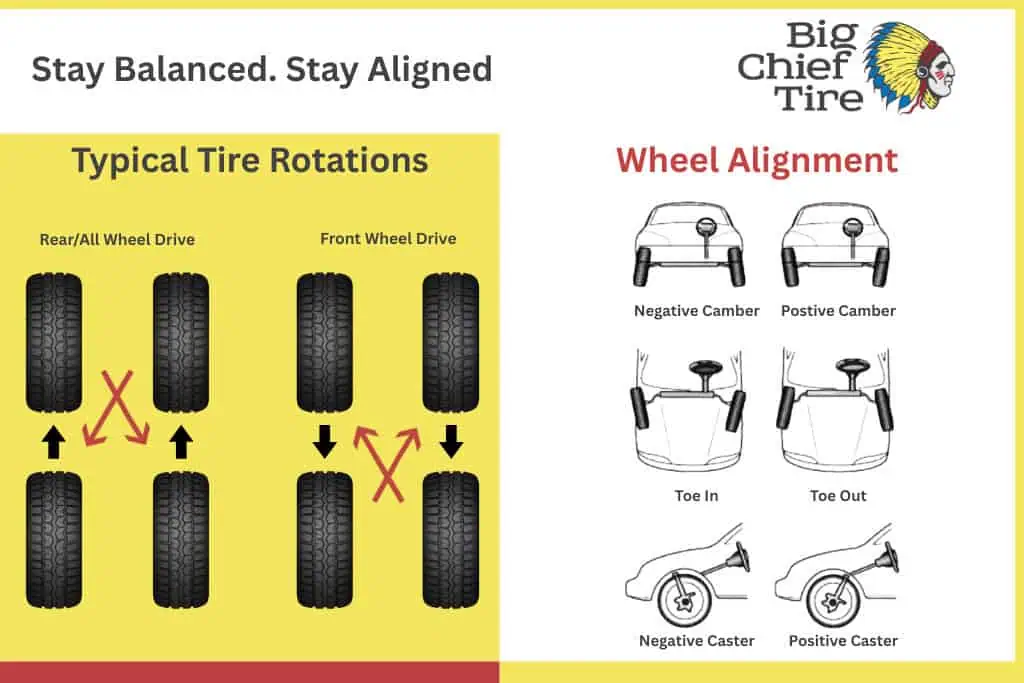
Most cars have two main types of drive: front-wheel drive and rear-wheel drive. In a front-wheel-drive car, the front tires take most of the force and wear out faster than the rear tires. By rotating the tires, you spread the wear, making them last longer.
Common Tire Rotation Patterns
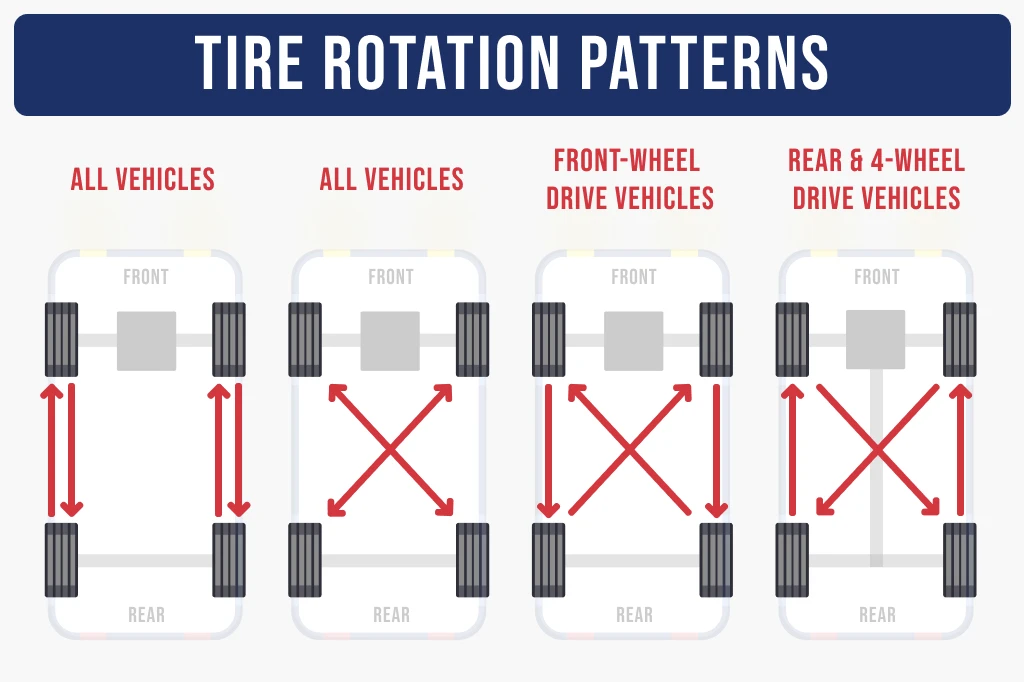
There are a few ways to rotate tires, depending on your car type:
- Front to Rear: Move the front tires to the back and the rear tires to the front.
- Cross Rotation: Swap the front right tire with the rear left, and the front left with the rear right.
- Four-wheel drive pattern: All tires are moved diagonally.
Your car’s manual usually tells you which pattern is best. For cars with directional tires or staggered wheels, the rotation pattern may be different.
Why Tire Rotation Matters
Rotating tires prevents one or two tires from wearing out faster than the others. Uneven wear can cause problems like:
- Reduced traction
- Poor handling
- Increased risk of a blowout
- Shorter tire life
A study by the National Highway Traffic Safety Administration (NHTSA) shows that regular tire rotation can increase tire life by up to 25%.
How Often Should You Rotate Tires?
Most experts recommend every 5,000 to 8,000 miles. However, your driving style and vehicle type can affect this schedule. If you drive on rough roads, carry heavy loads, or notice uneven wear, rotate more often.
What Is Alignment?
Wheel alignment is about adjusting the angles of your car’s wheels so they point in the correct direction. When your wheels are aligned, your car drives straight, tires wear evenly, and you get better fuel economy.
Alignment is not about moving tires; it’s about changing their angle. Technicians use special machines to measure and adjust these angles.
Key Alignment Angles
There are three main angles in wheel alignment:
- Camber: This is the tilt of the tire. If the top of the tire leans inward or outward, it affects camber.
- Toe: This is how much the tires point toward or away from each other.
- Caster: This is the angle of the steering axis.
If these angles are not correct, your car may pull to one side, the steering wheel may vibrate, or the tires may wear out quickly.
Why Alignment Is Important
Proper alignment improves:
- Handling
- Safety
- Tire lifespan
- Fuel efficiency
According to AAA, bad alignment can reduce tire life by up to 20% and increase fuel consumption.
How Is Alignment Done?
Technicians use an alignment machine. They check the angles and adjust them using tools. The process usually takes about 30 to 60 minutes.
Tire Rotation Vs Alignment: Main Differences
Many people mix up these two services, but they are quite different. Here is a quick comparison:
| Feature | Tire Rotation | Alignment |
|---|---|---|
| Purpose | Even tire wear | Correct wheel angles |
| Process | Move tires to different positions | Adjust wheel angles |
| Equipment | Jack and wrench | Alignment machine |
| Frequency | Every 5,000–8,000 miles | Once a year or when needed |
| Signs Needed | Uneven tire wear | Car pulls to one side |
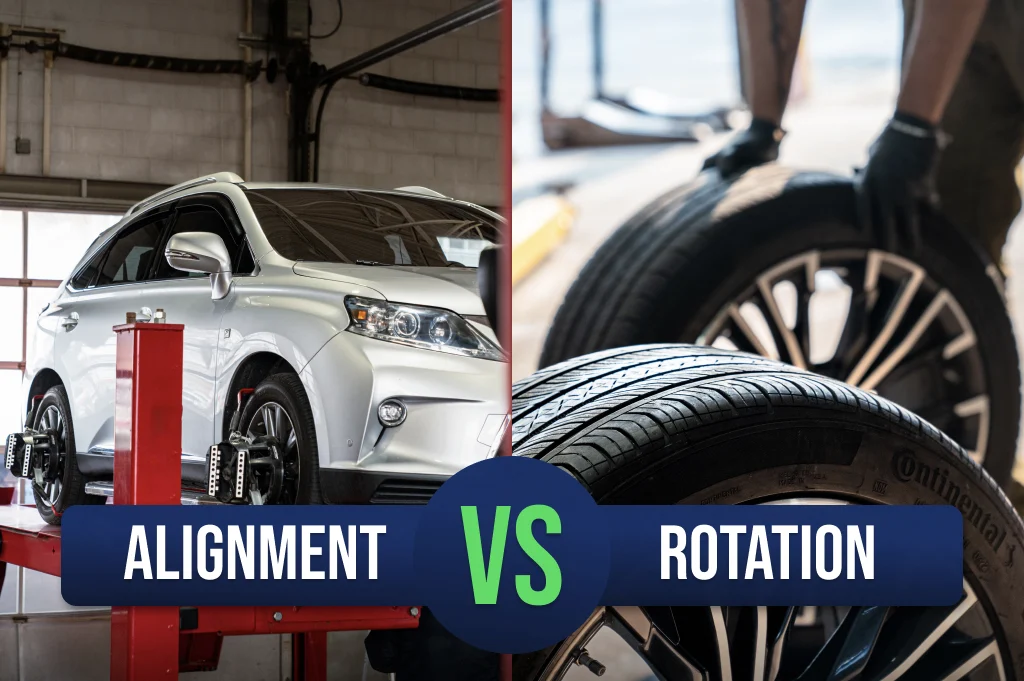
Tire rotation is about where the tires are placed, while alignment is about the direction the wheels point. Rotation does not change the wheel angles. Alignment does not move the tires.
Signs You Need Tire Rotation Or Alignment
Knowing when to get these services can prevent costly repairs.
Signs You Need Tire Rotation
- One or two tires look more worn
- Vibration at certain speeds
- Tire tread depth is uneven
Signs You Need Alignment
- Car pulls to one side
- Steering wheel is off-center
- Uneven tire wear (especially feathering or cupping)
- Steering feels loose or hard
Sometimes, uneven wear can be caused by bad alignment, so it’s important to check both.
Credit: bigchieftire.com
What Happens If You Skip Tire Rotation Or Alignment?
Skipping these services can lead to bigger problems.
Skipping Tire Rotation
If you never rotate your tires, you may face:
- Faster tire replacement (tires wear out sooner)
- Poor handling
- Safety risks
For example, in a front-wheel-drive car, the front tires may wear out twice as fast as the rear tires if not rotated.
Skipping Alignment
Ignoring alignment can cause:
- Higher fuel costs
- Rapid tire wear
- Difficulty steering
- Damage to suspension parts
According to Tire Industry Association, bad alignment can cost hundreds of dollars per year in extra tire and fuel costs.
How Tire Rotation And Alignment Work Together
Even though rotation and alignment are different, they both help your car run smoothly. Sometimes, after an alignment, it’s recommended to rotate your tires. This prevents any old uneven wear from affecting your new alignment.
Getting both services regularly helps:
- Maximize tire life
- Improve safety
- Save money
Many shops offer a package deal for both services.
Common Mistakes Drivers Make
Many drivers make mistakes because they don’t understand the difference.
Mistake 1: Thinking Rotation Fixes Alignment
Some believe that moving tires will fix a car that pulls to one side. Rotation cannot fix alignment problems. If your car pulls, you need an alignment.
Mistake 2: Ignoring Uneven Wear
If you see uneven wear, don’t just rotate the tires. Find the cause. Sometimes, it’s bad alignment or suspension issues.
Mistake 3: Not Following Schedule
Waiting too long between rotations or alignments leads to expensive repairs. Stick to the schedule in your owner’s manual.
Mistake 4: Diy Without Knowing Patterns
Rotating tires in the wrong pattern can cause more problems. Always check your car’s manual or ask a professional.
Cost Comparison: Tire Rotation Vs Alignment
The price for these services is different. Let’s look at the average costs:
| Service | Average Cost (USD) | Time Required |
|---|---|---|
| Tire Rotation | $20–$50 | 20–30 minutes |
| Wheel Alignment | $60–$120 | 30–60 minutes |
Tire rotation is cheaper and quicker. Alignment costs more because it needs special machines and skill.
Credit: gotire.com
Real-life Example
Imagine a driver with a front-wheel-drive car who never rotates tires. After 20,000 miles, the front tires are almost bald, but the back tires look new. The driver has to buy two new tires, costing $250. If the tires were rotated every 6,000 miles, all four tires would have worn evenly and lasted longer.
Another driver ignores alignment. After hitting a pothole, the car pulls to the right. The driver keeps driving and notices the right tire is bald after only 12,000 miles. The technician finds the alignment is off. Fixing the alignment and replacing the tire costs $180, but could have been prevented.
When Should You Get Each Service?
- Tire Rotation: Every 5,000–8,000 miles, or every oil change.
- Alignment: When you notice steering or handling problems, after hitting a curb or pothole, or once a year.
Some shops check alignment for free. If you buy new tires, always ask for an alignment check.
Tire Rotation And Alignment Faq
Frequently Asked Questions
What Is The Main Difference Between Tire Rotation And Alignment?
Tire rotation moves each tire to a different spot on your car to make them wear evenly. Alignment adjusts the wheel angles so your car drives straight and tires wear correctly. They are completely different processes.
Can I Do Tire Rotation Myself?
Yes, if you have a jack and wrench and know the correct rotation pattern for your car. But for alignment, you need special machines and should go to a shop.
Will Rotating Tires Fix A Car That Pulls To One Side?
No. If your car pulls left or right, you need an alignment, not a rotation. Rotation only spreads out tire wear, not fix steering problems.
How Can I Tell If My Car Needs Alignment?
If your steering wheel is crooked, your car drifts to one side, or your tires wear out strangely, you probably need alignment. Some shops offer free alignment checks.
Are Tire Rotation And Alignment Covered Under Warranty?
Some tire warranties require regular rotation. Alignment is usually not covered unless you buy a tire-and-service package. Always check your warranty details.
If you want to learn more about tire care and safety, you can visit the National Highway Traffic Safety Administration.
Getting both tire rotation and alignment done regularly keeps your car safe, saves money, and helps your tires last longer. Now you know the difference, and you can make smarter choices for your vehicle.
Credit: www.montableau.fr