If you drive an all-wheel drive (AWD) vehicle, you may wonder how often you should rotate your tires. Many car owners skip or delay this simple maintenance step, not realizing how much it matters for performance, safety, and cost. Tire rotation is not just about making your tires last longer. For AWD vehicles, it can prevent expensive repairs and help you get the most from your car’s unique traction system. Let’s explore everything you need to know about how often to rotate tires on AWD vehicles, the reasons behind it, and practical tips you won’t find in most owner’s manuals.
Why Tire Rotation Is Essential For Awd Vehicles
AWD cars and SUVs send power to all four wheels, but not always equally. The system can adjust which wheels get more power based on road conditions. This gives you better control, especially in rain, snow, or on uneven surfaces. However, this also means that tire wear can be uneven and unpredictable.
Many drivers think AWD vehicles are tougher on tires, and that’s partly true. Each tire can wear at a different rate, depending on how the system shifts power. For example, if your AWD often sends more torque to the rear wheels, the back tires can wear faster. If you rarely rotate the tires, this uneven wear can cause:
- Poor grip and longer stopping distances
- Noisy or rough rides
- Stress on the AWD system, leading to costly damage
- The need to replace all four tires sooner (AWD requires all tires to be similar in tread)
Skipping regular rotation can even void some warranties, as manufacturers know how crucial this step is.
How Often Should You Rotate Tires On Awd?
Most experts recommend rotating tires every 5,000 to 7,500 miles on AWD vehicles. This is a little more frequent than some two-wheel drive cars. It matches the interval for oil changes in many modern vehicles, making it easy to remember.
However, these numbers are just guidelines. Here are some factors that can change how often you should rotate:
- Driving style: If you drive aggressively, corner hard, or carry heavy loads, you may need to rotate more often.
- Tire type: Performance or soft-compound tires wear faster than all-season or touring tires.
- Road conditions: Rough, hilly, or unpaved roads can increase wear.
- Manufacturer’s recommendations: Always check your owner’s manual, as some AWD systems need even more frequent rotation.
For most people, the 5,000 to 7,500 mile rule is safe. If you’re unsure, ask a trusted mechanic or follow the schedule in your manual.
How Tire Rotation Affects Awd System Health
AWD vehicles are sensitive to differences in tire circumference. When one tire is more worn than the others, even by a small amount, it can make the wheels spin at slightly different speeds. AWD systems are designed to handle small differences, but if the gap grows too large, it can:
- Trigger warning lights or error codes
- Overwork the center differential or transfer case
- Cause vibrations or strange noises
- Lead to expensive repairs
A difference of even 2/32 inch in tread depth can be enough to cause problems in some AWD cars, especially those with advanced traction control. Regular tire rotation spreads the wear evenly, so you avoid these issues and keep the system running smoothly.
Common Tire Rotation Patterns For Awd
AWD vehicles often use a four-tire rotation pattern. The most common is the “cross pattern,” which helps even out differences between front and rear tires and side-to-side wear. Here’s how it usually works:
| Pattern Name | Steps | Best For |
|---|---|---|
| Rearward Cross | Rear tires move to the front (same side); front tires cross to the rear (opposite side) | AWD, 4WD, rear-wheel drive |
| X-Pattern | All tires move diagonally (right front to left rear, etc.) | AWD, front-wheel drive |
| Forward Cross | Front tires move to the rear (same side); rear tires cross to the front | AWD, front-wheel drive |
Some AWD vehicles with directional tires (tires designed to roll in one direction) or staggered sizes (different sizes front and rear) may need a different approach. Always check your manual or ask a tire technician if you’re unsure.
Signs Your Tires Need Rotation Sooner
While following a mileage schedule is smart, sometimes your tires give clues they need to be rotated ahead of time. Look for these warning signs:
- One or two tires look more worn than the others
- The car pulls to one side while driving
- You notice vibration or thumping noises at certain speeds
- Uneven tread depth when you check with a gauge
If you see these symptoms, don’t wait for your next scheduled rotation. Addressing uneven wear early can help you avoid bigger problems later.
What Happens If You Skip Tire Rotations On Awd?
Neglecting tire rotation on an AWD car can create a domino effect:
- Uneven tread wear: Some tires will wear out much faster than others.
- AWD system stress: The car’s drivetrain works harder to balance the difference, risking mechanical damage.
- Premature tire replacement: You may need to replace all four tires at once, even if only one or two are worn.
- Loss of traction and safety: Worn tires may not grip the road well, especially in wet or icy conditions.
For AWD vehicles, replacing just one tire is often not an option. Even a small difference in tread can damage the AWD system. That means you may end up paying for four new tires, even if only one was bad.

Credit: www.sdwheel.com
Cost Savings From Regular Tire Rotation
Some people skip rotations to save money or time, but the long-term costs can be much higher. Here’s a quick comparison:
| Action | Estimated Cost | Long-term Impact |
|---|---|---|
| Rotate tires every 6,000 miles | $20–$40 per rotation | Tires last 10,000–15,000 miles longer; AWD system stays healthy |
| Skip rotations, replace tires early | $600–$1,200 for 4 tires | Replace tires every 25,000–30,000 miles; risk AWD damage |
| AWD system repair (due to uneven tires) | $1,500–$3,000 | Major drivetrain repairs, possible warranty denial |
Regular rotation is a small investment that pays off in longer tire life and lower risk of expensive repairs.
How To Rotate Tires On Awd Safely
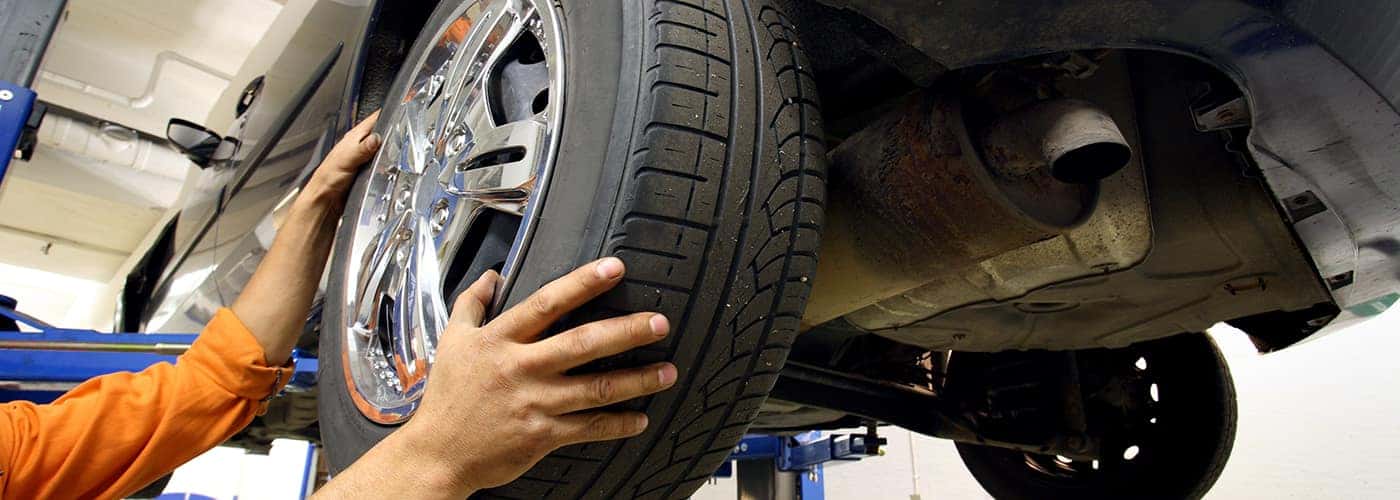
If you have the right tools and follow safety steps, you can rotate tires at home. Here’s how:
- Park on level ground and apply the parking brake.
- Loosen lug nuts on all wheels slightly while tires are on the ground.
- Lift the car with a jack and secure it using jack stands.
- Remove tires and follow the correct rotation pattern for your AWD.
- Install tires in new positions and hand-tighten nuts.
- Lower the car and fully tighten the lug nuts in a star pattern.
Some AWD systems are sensitive to tire position, so always double-check your manual. If your tires are directional or different sizes, rotation may not be possible.
Tip most beginners miss: Always recheck lug nut tightness after driving 50–100 miles, as they can loosen slightly.
Credit: www.earlstewarttoyota.com
Non-obvious Insights For Awd Tire Care
- Tire pressure matters more than you think. Uneven pressure can cause one tire to wear faster, even if you rotate regularly. Check all tires at least once a month, and adjust to the recommended level.
- Alignment checks are worth it. Even with perfect rotation, a misaligned wheel can ruin a tire quickly. If you notice the car pulling to one side or uneven wear, get an alignment check.
- Tire balancing is often forgotten. When rotating, ask the shop to check balance. Out-of-balance tires can cause vibration and extra wear on AWD parts.
These small steps, combined with regular rotation, will help you get the most from your AWD system and tires.
Real-world Example: Subaru Outback
The Subaru Outback is a popular AWD car. Subaru recommends rotating tires every 6,000 miles. Many owners who skipped rotations found they had to replace all four tires at 20,000 miles, instead of the usual 35,000–40,000 miles. Others faced expensive repairs to the AWD system, costing over $2,000. Following the schedule kept their cars running smoothly and their tires lasting longer.
You can check official guidelines for specific models at the manufacturer’s website or in your owner’s manual. For more on tire rotation standards, visit the Tire Rack Tire Rotation Guide.
When To See A Professional
While DIY rotation is possible for many, there are times when it’s best to visit a tire shop:
- You have staggered or directional tires
- You notice unusual wear or vibration
- Your car has a tire pressure monitoring system (TPMS) that needs reset
- You’re unsure about the correct rotation pattern
A professional can also spot early signs of tire or suspension problems you might miss.
Frequently Asked Questions
How Can I Tell If My Awd Tires Are Wearing Unevenly?
Look for differences in tread depth between tires. You can use a tread depth gauge or even a penny: insert it upside down into the tread. If part of Lincoln’s head is hidden, your tread is still good. If you see uneven wear patterns (like the inside edge wearing faster), it’s time to rotate or check alignment.
Can I Replace Just One Or Two Tires On An Awd Vehicle?
It’s not recommended. AWD systems need tires with similar tread depth to avoid damage. If one tire is much more worn, you often need to replace all four, or shave the new one to match the others—something only some tire shops offer.
Is It Okay To Rotate Tires Less Often If I Drive Mostly On Highways?
Even with mostly highway driving, tire rotation is still important. High speeds can magnify small differences in tread, so stick to the recommended schedule. Long highway trips can also heat up tires, causing wear in unexpected ways.
What Happens If I Forget To Rotate My Tires For A Long Time?
You may notice more noise, vibration, or uneven tread. In AWD vehicles, this can lead to extra strain on the drivetrain. If the difference in tread depth becomes too great, you might need to replace all four tires and risk costly repairs.
Do New Awd Vehicles Need Tire Rotation Right Away?
Yes. New tires can wear quickly during the break-in period. Start rotating them at the first recommended interval (often 5,000–7,500 miles). This sets the pattern for even wear and helps avoid future problems.
Rotating your tires on schedule is one of the best ways to protect your investment in an AWD vehicle. It’s a simple task that can save you thousands of dollars and keep your car safe and comfortable for years. Make it a regular habit, and you’ll notice the difference in how your AWD handles and how long your tires last.

Credit: www.bfgoodrichtires.com