If you get a flat tire and replace it with a full-size spare, you might feel relieved. A full-size spare looks and feels like your regular tires, so you may think you can drive on it for as long as you want.
But is it really safe to use it like your other tires? How long can you truly drive on a full-size spare tire before you need a permanent fix? Many drivers are surprised to learn there are important limits and best practices—even for full-size spares.
Understanding these details can save you money, prevent damage, and keep you safe on the road.
What Is A Full-size Spare Tire?
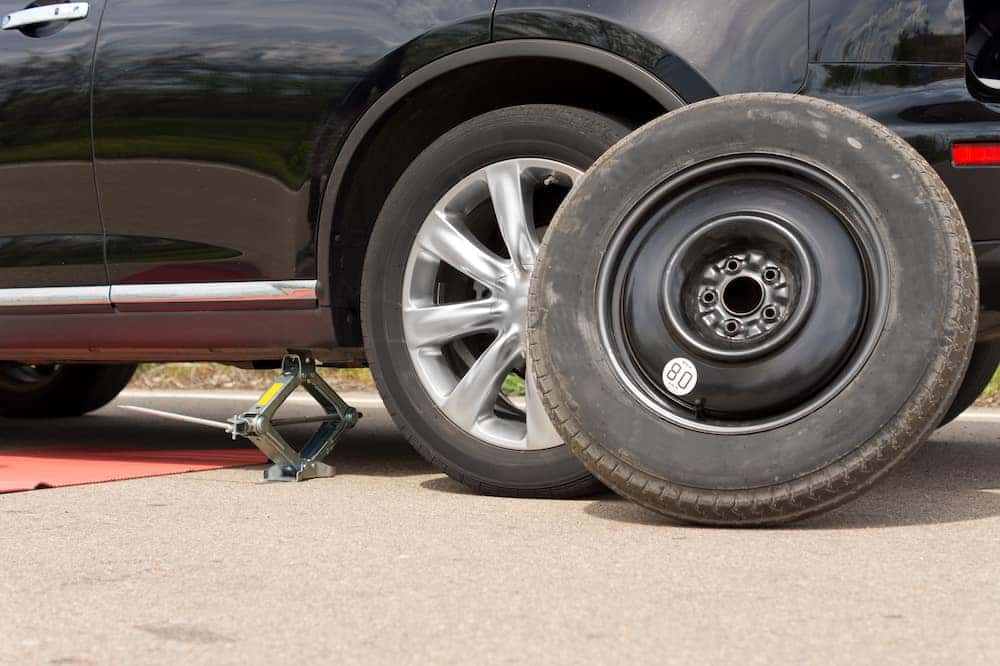
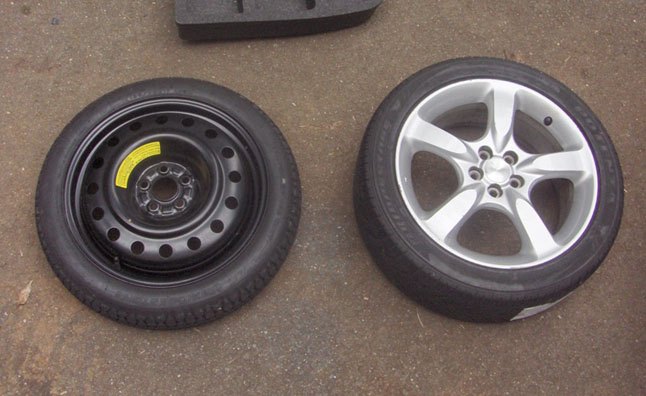
A full-size spare tire is a spare that matches the regular tires on your car in diameter, width, and tread depth. Unlike compact “donut” spares, full-size spares are meant to replace a normal tire, at least temporarily. They are often found in larger vehicles like SUVs, trucks, and some sedans. There are two main types: a matching spare (identical to your main tires) and a non-matching full-size spare (same size but different brand or tread pattern).
Key Differences From Other Spares
- Donut spares: Smaller, lighter, and designed for short, low-speed trips (usually up to 50 miles and 50 mph).
- Full-size non-matching: May have a different tread or rubber compound, but size is the same.
- Matching full-size: Same as your regular tires, often even the same brand and model.
Many car owners assume a full-size spare can be used as a permanent tire. This is only partly true. The real answer depends on factors like the tire’s age, storage conditions, and match with your other tires.
How Long Can You Drive On A Full-size Spare Tire?
If your spare is a true, matching full-size tire (same brand, tread, and age as the others), you can usually drive on it as long as your other tires. But most full-size spares are not perfectly matched, or have been stored for years without use. Here’s what you need to know:
General Guidelines
- Matching full-size spare: Can be used like a regular tire until the tread wears out or the tire ages out (usually 5-6 years from manufacture date).
- Non-matching full-size spare: Safe for several hundred to a few thousand miles, but should be replaced with a matching tire soon.
- Old spare tire: Even if unused, rubber degrades over time. Most experts recommend not driving on any tire older than 6-10 years, regardless of tread.
Manufacturer Recommendations
Most car manufacturers recommend using a full-size spare only as a temporary solution, unless it’s a true fifth tire that is rotated with the others. Always check your owner’s manual for specific advice.
Key Factors Affecting Driving Time
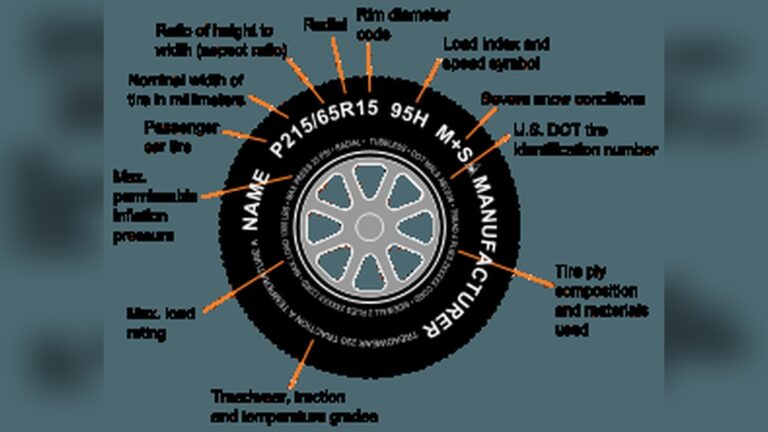
- Tire Age: Rubber weakens with age, even if unused. Check the sidewall for the DOT code to find manufacture date.
- Tread Depth: If the spare has been used before, make sure the tread is above the legal limit (usually 2/32 inch in the US).
- Tread Pattern: Mismatched tread can cause handling problems, especially in wet or snowy conditions.
- Tire Pressure: Spares often lose air while stored. Always check and inflate before use.
- Storage Conditions: Heat, sunlight, and moisture can damage spare tires kept in the trunk or under the car.
Typical Mileage Range
A well-maintained, matching full-size spare can safely be driven for thousands of miles, just like your other tires. However, a non-matching or old spare should only be used for a few hundred to a few thousand miles—just enough to get a proper replacement.
Credit: www.samleman.com
Risks Of Driving Too Long On A Full-size Spare
Many people believe a full-size spare is always safe. But there are hidden risks if you use it for too long.
Uneven Tire Wear
If your spare’s tread pattern or depth is different from your other tires, your car may not handle as it should. This can lead to uneven tire wear and even damage your car’s suspension or drivetrain, especially in all-wheel-drive vehicles.
Aged Or Dry-rotted Rubber
A tire that’s been sitting unused for years can suffer from dry rot or cracks. These weaknesses may not be visible at first, but can result in sudden blowouts or loss of traction.
Reduced Safety
Non-matching tires can affect ABS braking, traction control, and overall handling, especially in emergency situations or bad weather.
Voiding Warranty Or Insurance Issues
Some warranties or insurance policies may not cover damage caused by using an old or incorrect spare for extended periods.
How To Check If Your Full-size Spare Is Safe
Before relying on your full-size spare for long distances, check these points:
- Inspect Sidewall for Cracks: Look for any small lines or dry areas.
- Check Tread Depth: Use a penny or tread gauge. Insert a penny into the tread with Lincoln’s head upside down—if you see all of his head, the tread is too low.
- Confirm Tire Age: Find the DOT code (last four digits show week and year of manufacture).
- Check Tire Pressure: Inflate to the recommended PSI listed in your car door or manual.
- Look for Damage or Deformation: Bulges, cuts, or misshapen areas are a red flag.
Credit: www.autoguide.com
Full-size Spare Vs. Donut Spare: Practical Comparison
Here’s a quick look at how full-size and donut spares compare on key points:
| Feature | Full-Size Spare | Donut Spare |
|---|---|---|
| Size | Same as regular tire | Smaller and thinner |
| Mileage Limit | Hundreds to thousands of miles | Usually 50-70 miles |
| Speed Limit | Normal highway speeds | Often 50 mph (80 km/h) max |
| Handling | Stable, normal | Reduced, less stable |
| Longevity | Can last years if rotated | Short-term only |
Tips For Driving On A Full-size Spare Tire
- Check the spare as soon as you install it. Make sure it’s properly inflated and free from visible damage.
- Drive cautiously. Even a full-size spare may have old rubber or a different tread. Take corners gently and avoid sudden stops.
- Avoid high speeds if unsure. If you’re not certain of the spare’s age or condition, drive slower than usual.
- Replace or repair the damaged tire quickly. The spare is a backup, not a permanent fix.
- Rotate your spare. If your car uses a full-size matching spare, include it in your tire rotation schedule to keep tread wear even.
- Store the spare in good conditions. Keep it out of direct sunlight and away from heat when possible.
What Happens If You Ignore Spare Tire Limits?
Let’s look at what could go wrong if you keep driving on a full-size spare for too long:
Possible Problems
- Blowouts: Old or weakened tires are more likely to fail at high speeds.
- Alignment issues: Mismatched tires can cause your car to pull to one side.
- Increased fuel use: Uneven tires can lower fuel efficiency.
- Suspension damage: Especially in all-wheel-drive or 4×4 vehicles, different tire sizes or tread depths can strain expensive drivetrain parts.
Real-world Example
A driver in a 2016 Subaru Outback used an 8-year-old full-size spare for several months. The tire looked fine, but it had dried out from years in the trunk. On a warm day, it suddenly failed at highway speed, causing a dangerous situation.
Luckily, no one was hurt, but the incident damaged the wheel and suspension.
Signs You Should Stop Using Your Full-size Spare
Not sure when to change back? Watch for these warning signs:
- Unusual vibrations or noise from the wheel area
- Car pulls to one side
- Dashboard warning lights (ABS, traction control)
- Visible damage on the spare
- Tread wears much faster than your other tires
If you see any of these, replace the spare with a proper tire as soon as possible.
When Is A Full-size Spare A Permanent Solution?
Some drivers use a full-size spare as a permanent replacement. This is only safe if:
- The spare matches the other tires in size, tread, brand, and age
- The tire is not older than 6 years
- The tire has enough tread (above legal minimum)
- The tire has been properly stored and maintained
If these conditions are met, you can add the spare into your regular tire rotation. Otherwise, it’s best to treat it as a temporary fix.
Comparing Full-size Spare Usage In Different Vehicles
How long you can drive on a full-size spare depends on your vehicle type. Here’s a comparison:
| Vehicle Type | Average Spare Location | Common Spare Age at Use | Recommended Max Use |
|---|---|---|---|
| Sedan | Trunk | 5-8 years | Few months max |
| SUV | Under rear cargo | 4-7 years | Few months max |
| Pickup Truck | Under bed | 6-10 years | Few months max |
| Off-road/4×4 | Rear mount | 3-5 years | Rotated as regular tire |
Best Practices To Extend The Life Of Your Spare
- Inspect your spare every few months for air pressure and signs of aging.
- Rotate a matching full-size spare with your regular tires at each oil change.
- Replace your spare if it’s more than 6-10 years old, even if unused.
- Store in a cool, dark place if possible, to slow rubber aging.
Most people forget about their spare until they need it. Make it part of your regular car checks—this can save you from being stranded or risking a blowout.
Non-obvious Insights Most Drivers Miss
- Tire rubber ages even without use. Just sitting in your trunk, a spare slowly loses flexibility and strength because of temperature changes and ozone exposure.
- All-wheel-drive cars are more sensitive to mismatched tires. Using a spare with a different tread depth or size can damage expensive drivetrain parts much faster than in front- or rear-wheel-drive cars.

Credit: www.chevroletofturnersville.com
Where To Find More Information
Want to check the exact age of your tire or see more details about tire safety? The National Highway Traffic Safety Administration (NHTSA) offers reliable advice on tire care and safety. Visit the NHTSA Tires page for up-to-date guidelines.
Driving on a full-size spare tire gives you more freedom than a donut, but it’s not a license to forget about tire safety. Take the time to check your spare, understand its limits, and plan for a proper replacement as soon as you can.
Safe driving is always worth the extra effort.
Frequently Asked Questions
How Do I Tell If My Full-size Spare Is Too Old To Use?
Check the tire’s DOT code on the sidewall. The last four digits show the week and year it was made. If your spare is more than 6-10 years old, it’s best not to use it, even if it looks fine.
Can I Use A Full-size Spare Tire Permanently?
Only if it matches your other tires in brand, tread, and age, and is in good condition. Otherwise, use it as a temporary solution and replace it soon.
What Happens If I Drive On A Mismatched Spare For Too Long?
You may get uneven tire wear, poor handling, and possible damage to your car’s suspension or drivetrain. This is especially risky in all-wheel-drive vehicles.
Should I Rotate My Full-size Spare Tire With My Other Tires?
If your spare is a matching full-size tire, include it in your regular rotation. This keeps wear even and makes sure your spare is always ready to use.
What Tire Pressure Should A Full-size Spare Have?
Check your car’s manual or the sticker in the driver’s door. Most full-size spares need the same PSI as your regular tires, but it’s important to check before you drive.
Driving safely on a full-size spare tire is possible—but only if you know its limits. Treat your spare with the same care you give your regular tires, and you’ll stay safe and avoid costly repairs.